If you're trying to figure out your North Carolina vehicle registration fee based on vehicle age and type, you've probably noticed the numbers aren't as simple as they look. That's because the state doesn't use one flat rate. The total hinges on your vehicle class, its weight, and in some cases, how old it is.
Per N.C. General Statute § 20-87, the fee is set by law, not by a mysterious DMV algorithm. As of 2026, you'll still need to separate your registration fee from your county property tax, because both land on the same renewal notice.
That mix of state and local charges is what trips most people up. Let's untangle it step by step.
Why North Carolina Registration Fees Seem Confusing (And What Most People Get Wrong)
Most of the confusion doesn't come from the base fee. It comes from everything stacked on top of it.
Here are the three things that throw people off the most:
- County property tax gets added to the same bill as your registration. The DMV sends one renewal notice, but the county collects its own tax through that payment.
- Vehicle class isn't obvious from the outside. A big SUV might be a light truck. A small sedan is usually a passenger vehicle.
- The 35-year mark changes things. Once your vehicle hits that age, you can switch to antique plates and pay less, but only if you accept driving restrictions.
These rules overlap, so it's easy to assume you're in the wrong bracket. The good news is that the decision process is simpler than it looks once you sort out three variables: class, weight, and age.
Quick Answer: What Your Vehicle Type and Age Mean for Your Fee
Your North Carolina vehicle registration fee depends on vehicle age and type. Cars under 35 years old pay the standard rate. Trucks get priced by weight.
Antique vehicles qualify for lower fees. Electric vehicles pay an extra $180 annually.
The Two Variables That Control Your Cost: Vehicle Type and Vehicle Age
Two variables drive nearly the entire fee structure in North Carolina: vehicle type and vehicle age. Everything else, from weight to fuel type, fits inside those two buckets.
How Vehicle Type Sets Your Base Fee
Your vehicle type determines which base fee applies. Passenger cars use the standard passenger rate. Light trucks that stay under a certain weight also use that rate.
Heavier trucks move into commercial weight-based brackets. Motorcycles have their own lower rate.
Here's the catch: the National DMV decides your type based on title and registration data, not how you use the truck. A 2500-series pickup registered for personal use can still land in a higher weight class than you'd expect.
How Age Unlocks Cheaper (or Specialty) Registration
Once a vehicle turns 35 years old, North Carolina treats it differently. You can apply for antique plates, which come with a reduced fee and a permanent registration status in some cases. Street rod plates offer a similar path for modified cars.
But that lower cost comes with restrictions. You can't use an antique-plated vehicle as your daily driver. You also face limits on how many miles you can drive it for general use.
Find Your Fee: A Step-by-Step Decision Walkthrough
Follow these steps in order. They'll get you to the right fee every time.
Step 1: Confirm Your Vehicle Class
Check your title or registration card to see how the DMV lists your vehicle. It will say "passenger," "light truck," "motorcycle," "trailer," or "commercial." Don't guess based on the body style.
Common mistake: a 3/4-ton pickup is often a light truck, not a commercial vehicle. The dividing line comes down to gross vehicle weight rating (GVWR).
Step 2: Check Your Vehicle's Age for Antique or Street Rod Status
Look up your vehicle's model year and count forward 35 years. As of 2026, any vehicle from 1991 or older meets the antique threshold.
To qualify, the vehicle can't be modified in a way that changes its basic body style. If it is, a street rod plate may still work for it.
Step 3: Factor in Electric Vehicle Surcharges
If your vehicle is fully electric, add $180 to whatever your base fee is. Plug-in hybrids add $90. Those charges come from state law, not the county.
Step 4: Separate Your Registration Fee and County Property Tax
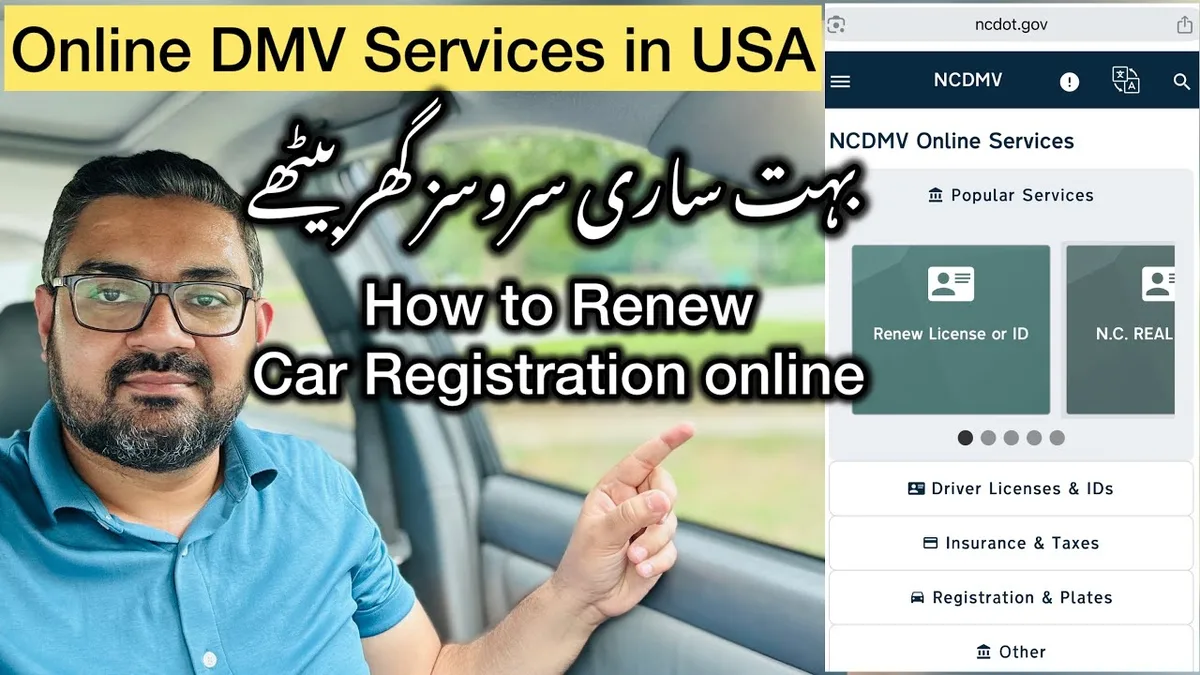
Your registration fee goes to the state. Your county property tax is collected separately but appears on the same renewal statement. You can't renew your registration until the tax is confirmed as paid in full.
That split is the number one reason people think they overpaid. You're not overcharged. You're just paying two different bills at once.
Vehicle Type Breakdown: Passenger Cars, Trucks, Motorcycles, and Trailers

Here's how each major category works. Use this as a quick reference when you're checking your own paperwork:
| Vehicle Type | How Registration Works | What You Should Know |
|---|---|---|
| Passenger car | Flat state rate | Most sedans, coupes, and small SUVs |
| Light truck | Often same as passenger | Depends on gross vehicle weight rating |
| Heavy truck | Weight-based commercial fee | Used for towing, hauling, or business |
| Motorcycle | Separate lower rate | Includes scooters and mopeds |
| Trailer | Flat fee or multi-year option | Some trailers can register for multiple years |
If you're still not sure, look at the registration card in your glove box. It lists the exact type code the state uses.
Antique Vehicle Registration: The 35-Year Rule and Its Real Trade-offs

Once your vehicle turns 35, North Carolina opens a cheaper registration path. The model year matters, not your purchase date. In 2026, that means any 1991 or older vehicle could qualify.
If it hasn't been modified from its original body style, you can apply for an antique plate. Modified classics follow a separate street rod path instead.
Here's what the antique route gets you:
- A lower registration fee than standard passenger plates
- An exemption from the annual safety inspection requirement
- No emission inspection, even in counties that require it for newer cars
That's the upside. Now the trade-offs.
The Fine Print: Driving Restrictions and Insurance Requirements
Antique plates come with real limits. You can't use an antique-plated vehicle for regular daily driving. The state expects you to use it mostly for shows, parades, and occasional pleasure drives.
You also need to keep proof of modern liability insurance. Don't assume that classic car coverage alone satisfies the state. Your carrier can issue a policy that meets North Carolina minimums while still supporting antique status.
One more thing to watch: some counties still collect property tax on antique vehicles. The registration fee drops, but your local tax bill may not.
The EV and Plug-In Hybrid Surcharge: Why It Changes the Math
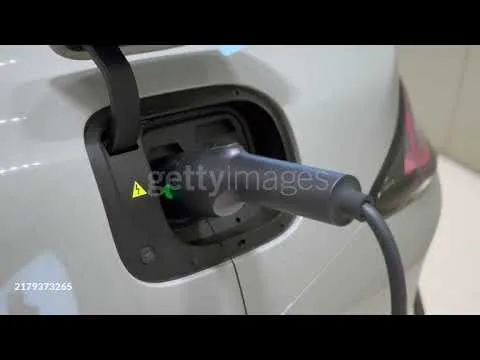
North Carolina adds a flat surcharge to every electric vehicle registration. As of 2026, that's $180 per year on top of your base fee. Plug-in hybrids pay $90.
| Vehicle | Base Class | Surcharge | Total Registration Estimate |
|---|---|---|---|
| 2022 Tesla Model 3 | Passenger | $180 | Standard rate plus $180 |
| 2023 Toyota RAV4 Prime (plug-in hybrid) | Passenger | $90 | Standard rate plus $90 |
| 2025 Nissan Leaf | Passenger | $180 | Standard rate plus $180 |
Why the extra charge? The state uses gas taxes to fund road construction and repair. EVs don't buy gasoline, so they don't pay those taxes.
The surcharge is North Carolina's way of keeping EV owners contributing to the same roads.
The fee applies every year. It doesn't go away once the vehicle is 35 years old, nor does the base rate.
Common Registration Mistakes and How to Avoid Their
People overpay, underpay or get rejected at renew for the same five reasons. These are the patterns we see most in DMV-related discussions and county tax offices.
- Treating the county tax as optional. It isn't. You can't renew your registration until it's paid.
- Using the wrong vehicle class on the title. A "light truck" isn't automatically cheaper than a "passenger car." It depends on GVWR.
- Missing the 35-year cutoff by a single model year. Check your vehicle's year against the current calendar year, not the plate renewal month.
- Switching to antique plates without understanding the limits. If you drive a classic every day, you're out of compliance.
- Ignoring the safety inspection. Most vehicles need a valid inspection before renewal, even if your county skips emissions.
The fix for all of these: read your renewal notice carefully. Contact your county tax office first if anything looks uncertain. Then pay through the official DMV portal.
Real-Life Cost Examples: From New Truck to Classic Car
Let's walk through what actual owners pay. These examples use the current DMV schedule plus typical middle-range county property tax.
Example 1: 2024 Ford F-150 (light truck)
- Base registration: light truck rate
- County property tax: $250 to $400 depending on value and local rate
- No fuel surcharge
- Both state and county are billed together
Example 2: 2023 Tesla Model 3 (EV)
- EV surcharge: $180
- County property tax: $300 to $500
- Total due is noticeably higher on a gas car of similar value
Example 3: 1975 CTA (antique)
- Base rate: reduced antique rate
- County tax: based on antique appraised value, often lower than book value
- No safety inspection
- Big savings, but that's fine
Example 4: 2010 Honda Civic (passenger)
- Standard rate
- County tax: $100 to $150
- Simple renewal, no surprises
The pattern is clear: vehicle value drives property tax, while type, weight, and fuel source drive the state fee.
Your Next Steps: What to Do Before You Head to the DMV
You don't need to guess any of this in person. A little preparation keeps you from waiting in line only to be sent home.
Documents You'll Need
In our research, the same paperwork comes up again and again. Gather these before visiting a license plate agency:
- Current registration card or renewal notice
- Valid North Carolina driver's license or ID
- Proof of liability insurance that meets state minimums
- A passing safety inspection certificate (most vehicles under 35 years old)
- Title or previous registration if you're moving plates
County Tax, Inspections, and Insurance Checks
Settle your county property tax before you attempt renewal. You can find that on our county tax office's website using your name or VIN.
Make sure your inspection is current. As of 2026, most passenger vehicles and light trucks under 35 years old need a valid safety inspection. If you live in one of the emission counties, that's also required.
Then confirm your insurance hasn't lapsed, even by three days. Your insurance company reports your active policy status to the DMV automatically. A gap can block your renewal.
FAQs on North Carolina Vehicle Registration Fees
How much is the annual registration fee for a passenger car in North Carolina?
The passenger vehicle fee is set by state law under N.C. General Statute § 20-87. As of 2026, the base fee is typically around $36 to $40 per year.
Your total bill also includes county property tax, which can be higher for newer vehicles.
Does vehicle age affect the registration fee?
Yes, once your vehicle is 35 model years old. If it qualifies as an antique or street rod, the state fee drops. Your county tax may also decrease because the vehicle's appraised value usually reflects classic status, not a daily driver.
Will I pay less if I register a truck for farm use?
Farm use registration can reduce your personal property tax liability in some counties, but it doesn't change the state registration fee. You still need to meet the North Carolina farm law. Verify eligibility with your county tax office before applying.
Is the EV surcharge applied every year?
Yes. The $180 electric vehicle surcharge and the $90 plug-in hybrid surcharge apply at every annual renewal. They don't expire or disappear.
What happens if I don't pay my county tax before renewal?
Your renewal will be blocked. The DMV won't issue new plates or stickers until the county confirms your property tax is settled. Some counties add interest and penalties if the tax stays unpaid, so handle it early.
Can I get a refund if I move out of state mid-year?
North Carolina doesn't cut a refund check for the unused portion of your registration. You can cancel your registration by surrendering your plates, but the state generally won't refund the partial fee. The county property tax portion may be prorated, so contact your county tax office.
Final Decision Guide: What Should You Pay and Which Registration Type Fits You?
You now have every piece to calculate your own bill. Use this checklist:
| If you have… | Your route | Key action |
|---|---|---|
| A passenger car or light truck under 35 | Standard registration | Pay base fee plus county tax |
| A heavier truck or commercial vehicle | Weight-based fee | Check your GVWR on the title |
| A motorcycle or trailer | Reduced flat fee | Confirm your class on the registration card |
| An EV or plug-in hybrid | Standard fee plus surcharge | Add $180 or $90 to your budget |
| A vehicle 35+ years old, original condition | Antique registration | Accept drive restrictions |
| A modified 35+ year old vehicle | Street rod registration | Use for shows and pleasure only |
Here's our bottom line. Then, sort out the vehicle class, then the vehicle's age, then any fuel surcharge. That order gives you the right answer every time.
For the most current numbers, verify directly with the North Carolina Department of Motor Vehicles. Fee schedules can change with new legislation, and your county property tax rate is set locally.
One last reminder: don't ignore the county tax part. It's the largest slice of many renewals, and it's the part people are least prepared for. Confirm it early, pay it online, and your renewal will sail through.