Black Friday deals are live on Amazon · limited-time discounts, grab them before they’re gone
Grab the deals


ByMax Lee
Ohio Farm Truck Registration: Eligibility & Use Restrictions
Ohio farm truck registration eligibility and restricted usage rules are a constant source of confusion for Ohio farmers, agricultural business owners, and rural operators. Most people assume any truck used for farm work qualifies for cheap farm plates, but that’s rarely how state rules actually work. Penalties for misclassification add up fast, and most folks only find out they messed up after a ticket or BMV audit.
Per Ohio Bureau of Motor Vehicles (BMV) guidelines as of 2026, the core eligibility threshold for standard farm truck registration is a 26,000-pound Gross Vehicle Weight Rating (GVWR), plus strict limits on how far you can drive off your property for non-agricultural use. Misreading these rules can lead to thousands in fines or even loss of your farm plate privileges entirely.
YouTube / Demo Films Inc. (YouTube thumbnail (fair-use with source credit))
Quick Answer: Who Qualifies and Who Doesn’t
Ohio farm truck registration eligibility and restricted usage rules apply to agricultural vehicles on public roads. Eligible trucks must be used primarily for farm purposes. You must meet Ohio BMV weight limits and follow distance restrictions.
Farm registration costs far less than commercial plates, but misuse leads to fines up to $1,000.
Do You Even Need Ohio Farm Truck Registration?
If you only operate your farm truck on private, owned farmland, you do not need to register it with the Ohio BMV. The second you drive on any public road, county highway, or state route, state registration rules apply, no exceptions.
Many farmers assume driving a short distance to a neighbor’s field or local grain elevator doesn’t count as public road use. It absolutely does. Shared access roads and routes to agricultural supply stores count as public roads under Ohio law.
You’ll need either farm-specific registration or full commercial plates for any off-property driving.
How Ohio Defines a “Farm Truck” (And Why It Matters)
The Ohio BMV defines a farm truck as any motor vehicle used primarily for agricultural purposes, not general commercial hauling. The word "primarily" is the most important part of this definition.
If you use the truck 70% for farm work and 30% for personal or non-farm commercial trips, it does not qualify for farm registration. The BMV reviews your total annual mileage and documented use cases to make this call.
Full-time farmers who only haul crops, livestock, and farm supplies almost always qualify. Operators who run side businesses moving non-farm goods with the same truck do not.
💡 Keep a simple mileage log noting each trip’s purpose and load to prove agricultural use if you are ever audited.
The 3 Types of Ohio Farm Vehicle Plates
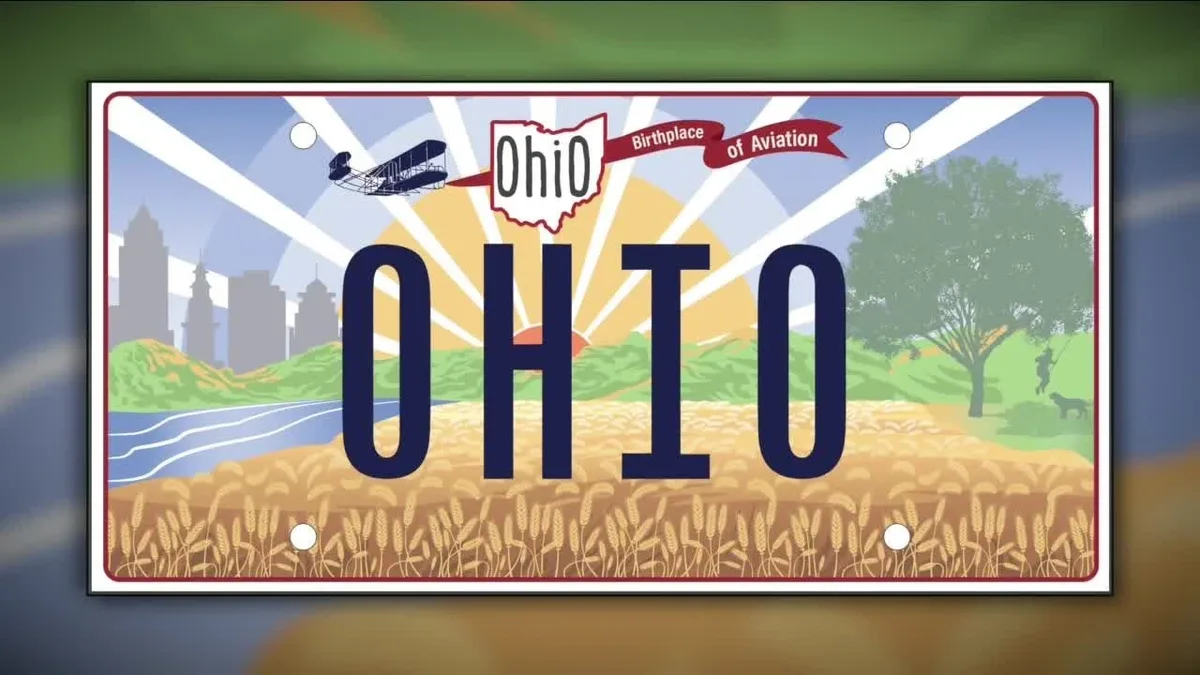
YouTube / News 5 Cleveland (YouTube thumbnail (fair-use with source credit))
Ohio offers three distinct farm vehicle registration types, each with different eligibility rules and fee structures.
| Plate Type | GVWR Limit | Distance Restriction | Annual Fee (approx) | Best For |
|---|---|---|---|---|
| Standard F-Plate | Under 26,000 lbs | Local use only | $25–$75 | Small trucks, local farm hauls |
| Restricted Farm Plate | 26,001–40,000 lbs | 150-mile radius from farm | $100–$200 | Larger trucks, regional agricultural hauling |
| Seasonal Farm Permit | Any eligible GVWR | 150-mile radius from farm | $50–$90 (6-month) | Seasonal harvest or planting work |
Standard F-plates are the cheapest option, but they are only valid for local, low-weight farm use. Restricted farm plates let you run heavier trucks, but you cannot drive more than 150 miles from your farm’s registered address for any non-agricultural purpose.
Seasonal permits are perfect for harvest season when you only need the truck for a few months, and they cost half as much as annual registration.
Weight Limits: The Line Between Farm and Commercial

YouTube / Eagle trucker (YouTube thumbnail (fair-use with source credit))
Weight is the single biggest factor that separates eligible farm trucks from commercial vehicles in Ohio. The core eligibility threshold is 26,000 pounds GVWR.
Trucks under that limit qualify for standard F-farm plates if they meet all other eligibility requirements. Trucks between 26,001 and 40,000 lbs GVWR can qualify for restricted farm plates, but only if they stay within the 150-mile distance limit.
Any truck over 40,000 lbs GVWR requires full commercial registration. There are no exceptions, even if the truck is only used for farm work.
Ohio also enforces strict axle weight limits. No single axle can exceed 20,000 lbs, and tandem axles cannot go over 34,000 lbs. Exceeding these limits leads to overweight fines, even if you have valid farm plates.
As of 2026, the Ohio Department of Transportation (ODOT) has increased weigh station checks on rural highways during harvest season, so overloading is riskier than ever. You can find official BMV weight and registration guidelines on the Ohio BMV farm vehicles page.
Distance Rules: Where You Can (and Can’t) Drive
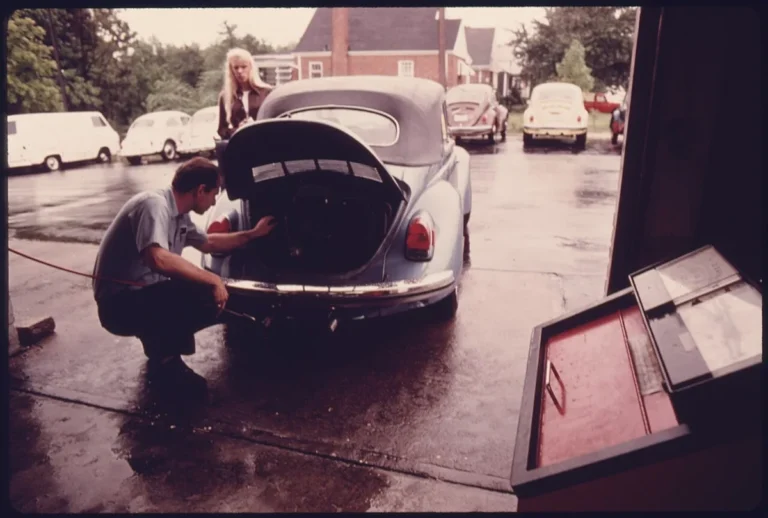
Wikimedia Commons / Kreuz und quer
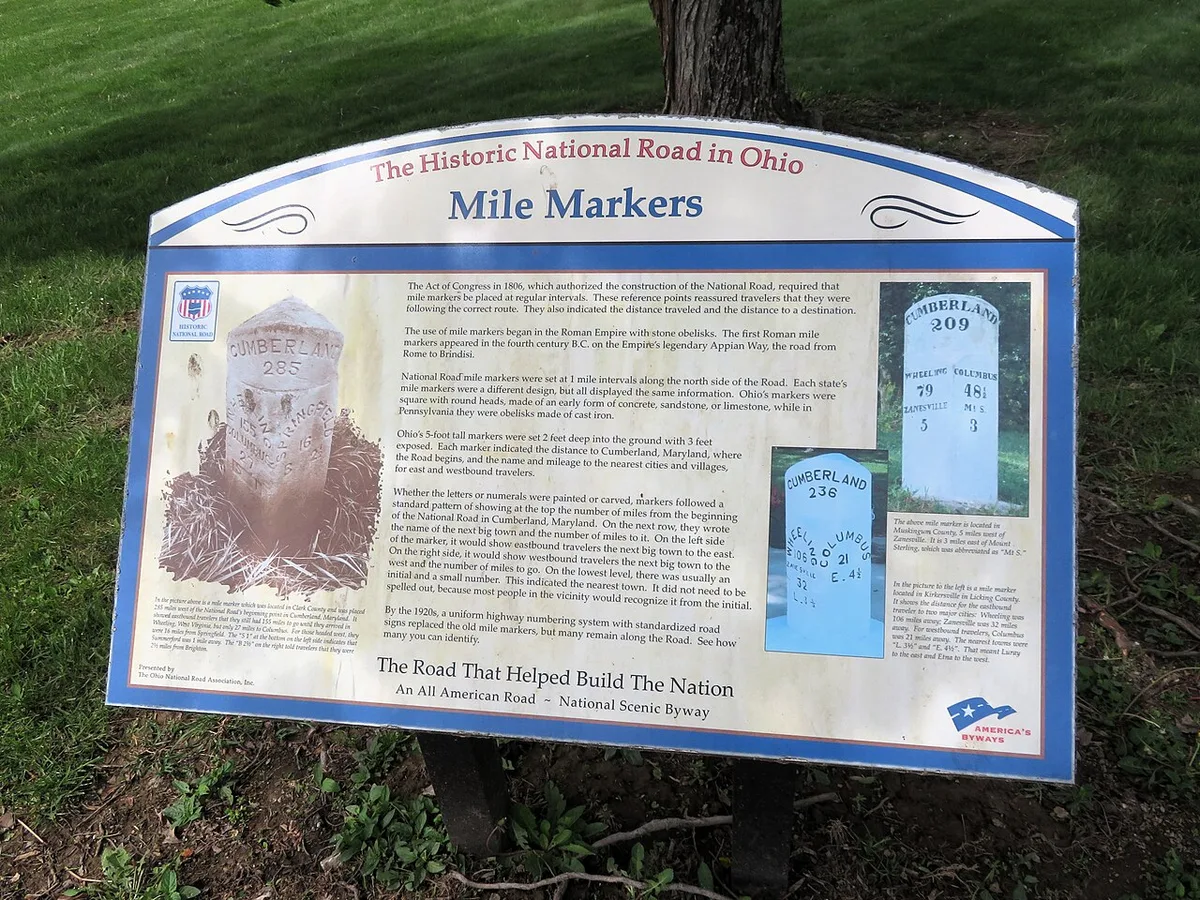
Ohio’s distance restrictions for farm trucks are strict but simple. If you have a restricted farm plate, you cannot drive more than 150 miles from your registered farm address for non-agricultural purposes.
The 150-mile limit is measured as the crow flies, not driving distance. If your farm is in rural Ohio and you need to haul grain to a processor 160 miles away, you’ll need commercial registration.
Short trips to local co-ops, feed stores, or neighboring farms are almost always fine.
CDL Exemptions for Ohio Farm Trucks
YouTube / Truck Driving Schools (YouTube thumbnail (fair-use with source credit))
Ohio follows federal CDL exemptions for agricultural vehicles. You do not need a Commercial Driver’s License (CDL) if you’re operating a farm truck within 150 miles of your farm and the vehicle is used for agricultural purposes.
This exemption covers most typical farm operations. It does not apply if you’re hauling hazardous materials or operating a vehicle designed to transport more than 15 passengers.
If your farm truck exceeds 26,000 lbs GVWR and you’re driving outside the 150-mile radius, you’ll need a CDL. Always check the FMCSA agricultural exemptions for the latest federal rules.
Step-by-Step: How to Register a Farm Truck in Ohio

YouTube / Robert DIY (YouTube thumbnail (fair-use with source credit))
Start by gathering the required documents. You’ll need proof of ownership, a completed BMV Form 4809 (Application for Farm Vehicle Registration), and proof of Ohio farm ownership or agricultural use.
If your truck is over 26,000 lbs GVWR, you’ll also need a weight certificate.
Submit your application in person at any Ohio BMV deputy registrar office. Fees vary by weight and plate type, but expect to pay between $25 and $200 for annual registration. Seasonal permits are cheaper but only valid for six months.
Once approved, you’ll receive your farm plates and registration documents. Display the plates on your truck and keep the registration paperwork in the vehicle at all times.
Costs, Fees, and Renewal Timelines
Farm truck registration fees in Ohio are significantly lower than commercial registration. Standard F-plates for trucks under 26,000 lbs cost between $25 and $75 annually. Restricted farm plates for heavier trucks run $100 to $200 per year.
Seasonal permits are the most affordable option for short-term use. These cost between $50 and $90 and are valid for six months.
All farm registrations must be renewed annually, except seasonal permits which require reapplication every six months. Late renewal penalties add $10 to $20 to your fee.
The BMV sends renewal notices by mail, but it’s your responsibility to renew on time. You can renew online, by mail, or in person at any deputy registrar office.
Seasonal Permits and Temporary Exceptions
Seasonal permits are perfect for farmers who only need their trucks during planting or harvest seasons. These permits are valid for six months and cost about half as much as annual registration.
Temporary exceptions exist for emergency agricultural situations. If you need to move a broken-down combine or haul urgent livestock feed, you may qualify for a short-term exemption. Contact your local BMV office to request temporary permission.
Remember that seasonal permits still require you to follow all weight and distance restrictions. If your needs extend beyond six months, you’ll need to switch to annual registration.
Common Mistakes That Get Farmers Fined
Using farm plates for non-agricultural work is the most common violation. Hauling gravel for a neighbor’s driveway or moving furniture for a side job voids your farm registration. The BMV doesn’t care if it’s just one trip.
They’ll fine you and force you to re-register commercially.
Exceeding the 150-mile radius is another frequent issue. Many farmers assume the limit is from their current location, not their registered farm address. If your farm is in Wayne County but you’re hauling to a processor in Columbus, that’s likely over the limit.
Overloading your truck is a third major mistake. Even with valid farm plates, exceeding axle or GVWR limits triggers overweight fines. These can run into the thousands, especially if you’re stopped at a weigh station during harvest season.
Safety & Legal Must-Dos (Or Else)
Every farm truck must display a Slow-Moving Vehicle (SMV) emblem if it travels under 25 mph. This is a state law, not just a recommendation. The emblem must be visible from at least 500 feet in daylight.
Your truck must also meet basic safety standards. This includes working brakes, lights, and reflectors. If you’re pulled over and your lights aren’t functional, you’ll get a ticket regardless of your registration status.
Keep your registration documents in the vehicle at all times. If you’re stopped and can’t produce proof of registration, you’ll face additional penalties. The same goes for insurance.
Ohio requires minimum liability coverage for all vehicles on public roads, including farm trucks.
Ohio vs. Neighboring States: What’s Different
Ohio’s 150-mile radius rule is stricter than some neighboring states. Indiana allows farm trucks to travel anywhere within the state without distance restrictions. Pennsylvania has a similar 150-mile rule but offers more exemptions for certain agricultural commodities.
Weight limits also vary. Ohio’s 26,000 lb GVWR threshold for standard farm plates matches federal guidelines. But Kentucky allows farm trucks up to 30,000 lbs with special agricultural plates.
Registration fees differ too. Ohio’s farm plates are among the most affordable in the region. But the penalties for misuse are also steep.
Indiana and Pennsylvania tend to have lower fines for first-time violations.
Real Scenarios: When You Need a Lawyer vs. Just a Form
If you receive a citation for improper farm truck registration, your first step is to check the violation details. Minor issues like expired registration can often be fixed with a simple form and fee payment. The BMV will usually let you correct the problem without legal consequences.
More serious violations require professional help. If you’re accused of using farm plates for commercial hauling, you could face significant fines and registration suspension. In these cases, consult an attorney who specializes in agricultural law.
If you’re involved in an accident while using farm plates improperly, the legal stakes are even higher. Your insurance might deny the claim if they determine you were violating registration rules. This is when you absolutely need legal representation to protect your interests.
Frequently Asked Questions
Do I need a CDL to drive my farm truck in Ohio?
No, you don’t need a CDL if you’re operating within 150 miles of your farm for agricultural purposes. The exemption applies to most typical farm operations. If you’re hauling hazardous materials or driving outside the 150-mile radius, you’ll need a CDL.
Can I use my farm truck for personal errands?
No, farm plates are only for agricultural use. Using your farm truck for personal errands or non-farm commercial work violates Ohio BMV rules. This can result in fines and registration suspension.
What’s the maximum weight for a farm truck in Ohio?
The standard threshold is 26,000 lbs GVWR for F-plates. Trucks between 26,001 and 40,000 lbs can use restricted farm plates. Anything over 40,000 lbs requires full commercial registration.
How do I prove my truck is used for farming?
Keep a mileage log noting each trip’s purpose and load. The BMV may request this during an audit. Proof of farm ownership or agricultural business registration also helps establish eligibility.
Can I drive my farm truck out of state?
Ohio farm plates are only valid within the state. If you need to cross state lines, check the registration requirements for each state you’ll be traveling through. Some states have reciprocity agreements, but others require separate registration.