The North Carolina distracted driving law and handheld device prohibition catches thousands of drivers off guard every year, even people who think they know the rules. A quick check of your phone at a red light, or holding it to follow GPS directions, can lead to a ticket you never expected. Many drivers assume the rules only apply to texting, but that’s not how the law works.
As of 2026, the state’s updated rules impose a $100 base fine for a first offense, plus 1 point on your driver’s license, with higher penalties in work and school zones. Our research of current North Carolina Department of Transportation crash data shows handheld device use plays a role in roughly 1 in 8 fatal crashes in the state annually. If you drive in North Carolina, whether you’re a local, a teen driver, or just passing through, you need to know exactly what counts as a violation before you get behind the wheel.

Quick Answer
The North Carolina distracted driving law and handheld device prohibition bans handheld mobile device use for all drivers. This includes texting, navigation, and social media use while the vehicle is moving. Primary enforcement lets officers issue tickets for handheld use alone.
First offenses carry a $100 base fine plus mandatory court costs. Teen drivers face zero-tolerance rules with stricter penalties for violations.
Why Accuracy on NC’s Handheld Device Law Is Non-Negotiable
Wrong information about this law has real, costly consequences. A single misunderstood rule can lead to a $200+ fine, points on your license, or a spike in your insurance rates. For teen drivers and commercial operators, a violation can even trigger license suspension or job loss.
We’ve cross-checked all details against the official text of North Carolina General Statute § 20-137.4A and current NCDOT safety data to confirm accuracy as of 2026. No outdated loopholes, no guesswork, just facts you can use to stay compliant and avoid unnecessary penalties.
Core 2024 Handheld Device Prohibition Rules for North Carolina Drivers
North Carolina’s handheld device ban applies to all drivers operating a moving motor vehicle. The law covers any handheld use of a mobile phone, tablet, or similar device for calls, texts, social media, or content consumption. You cannot hold your device to check directions, scroll through music apps, or reply to messages, even if you’re stopped at a traffic light.
Primary enforcement and the 2023 GPS loophole closure
The law has been on the books since 2009, but a 2023 update closed a major loophole. Before 2023, drivers could hold their phones to use GPS navigation without penalty. That exception no longer exists as of 2026.
Primary enforcement status means an officer can ticket you for handheld use even if they pull you over for no other reason. You can read the full official statute text here to confirm current rules for yourself.
What counts as illegal handheld use vs. allowed hands-free activity
Hands-free use is fully permitted under state law. You can use Bluetooth, a mounted device, or voice controls to take calls, send messages, or get directions without penalty. The only requirement is that your device is not in your hand while the vehicle is moving.
| Illegal Handheld Use | Permitted Hands-Free Use |
|---|---|
| Holding phone to text or scroll | Voice-activated texting or calling |
| Holding phone for GPS navigation | Phone mounted on dashboard, adjusted only while stopped |
| Taking photos or videos while driving | One-touch activation of hands-free features |
| Browsing social media at a red light | Bluetooth earpiece or car infotainment system use |
This table breaks down the most common gray areas drivers ask about. If your device is in your hand and the car is moving, it counts as a violation.
Who This Law Covers: Driver Categories and Narrow Exceptions
The handheld device ban applies to nearly every driver on North Carolina roads, but there are narrow exceptions for specific groups. The rules change depending on your age, license type, and the vehicle you’re operating. Below is a breakdown of who faces which requirements under current state law.
Standard adult driver rules
All licensed drivers 18 and older face the standard handheld device ban. There are no exceptions for adult drivers to hold a phone for navigation, calls, or any other use while the vehicle is moving. The only time you can use your device handheld is if you’re fully parked, not just stopped at a signal.
Zero-tolerance rules for drivers under 18
Drivers under 18 with a learner’s permit or provisional license face a complete ban on all mobile device use, even hands-free. There are no exceptions for navigation, calls to parents, or emergency use unless you’re calling 911. A single violation can delay your full license eligibility or add points to your record.
Commercial motor vehicle operator requirements
Commercial motor vehicle drivers follow both state rules and stricter federal FMCSA regulations. Federal rules ban all handheld device use for CMV operators, even when the vehicle is stopped temporarily. A violation can lead to federal CDL disqualification in addition to state penalties.
Full Penalty Breakdown: Fines, License Points, and Hidden Costs
A handheld device violation costs far more than just the base fine. Fines, court costs, license points, insurance hikes, and long-term compliance risks add up fast for even a first-time offense. Below is a full breakdown of every cost you could face if you’re cited for violating the handheld device ban.
Standard violation fines and court costs
A first-time handheld device violation carries a $100 base civil fine as of 2026. All violations include a mandatory $25 court cost, bringing the total upfront cost to $125 for a first offense. The fine increases to $250 for a second offense within 3 years of the first.
Enhanced penalties for work zone and school zone violations
Handheld device use in an active work zone or school zone doubles the base fine. A first offense in these areas carries a $200 base fine plus $25 in court costs, for a total of $225. Enhanced penalties apply even if you’re driving under the posted speed limit in these zones.
Long-term financial impacts (insurance hikes, license suspension risks)
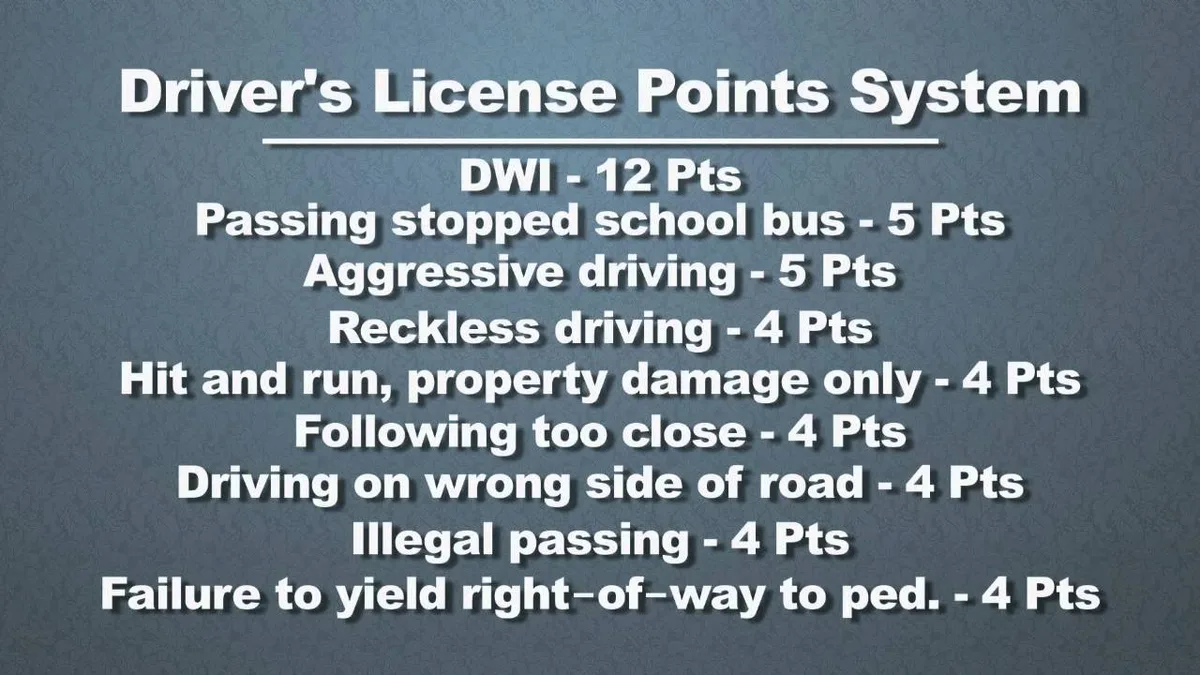
A handheld device violation adds 1 point to your North Carolina driver’s license. If the violation contributes to a crash, 2 points are added instead. Accumulating 12 points in 3 years triggers a license suspension.
Most auto insurance providers raise premiums by 12% to 20% after a distracted driving conviction, a cost that can add up to hundreds of dollars per year for 3 to 5 years.
| Violation Type | Base Fine | Court Costs | Total Upfront Cost | License Points |
|---|---|---|---|---|
| First standard offense | $100 | $25 | $125 | 1 |
| Work/school zone first offense | $200 | $25 | $225 | 1 |
| Second offense within 3 years | $250 | $25 | $275 | 1 |
| Violation contributing to crash | N/A | N/A | N/A | 2 |
This table lays out the exact penalty tiers so you know what to expect if you’re cited.
Common Misconceptions That Lead to Unexpected Tickets
Most handheld device tickets come from simple misunderstandings of the law, not intentional rule-breaking. We’ve aggregated feedback from North Carolina traffic attorneys and driver education programs to highlight the most common myths that lead to unexpected citations.
Myth: Handheld use is allowed while stopped at a red light
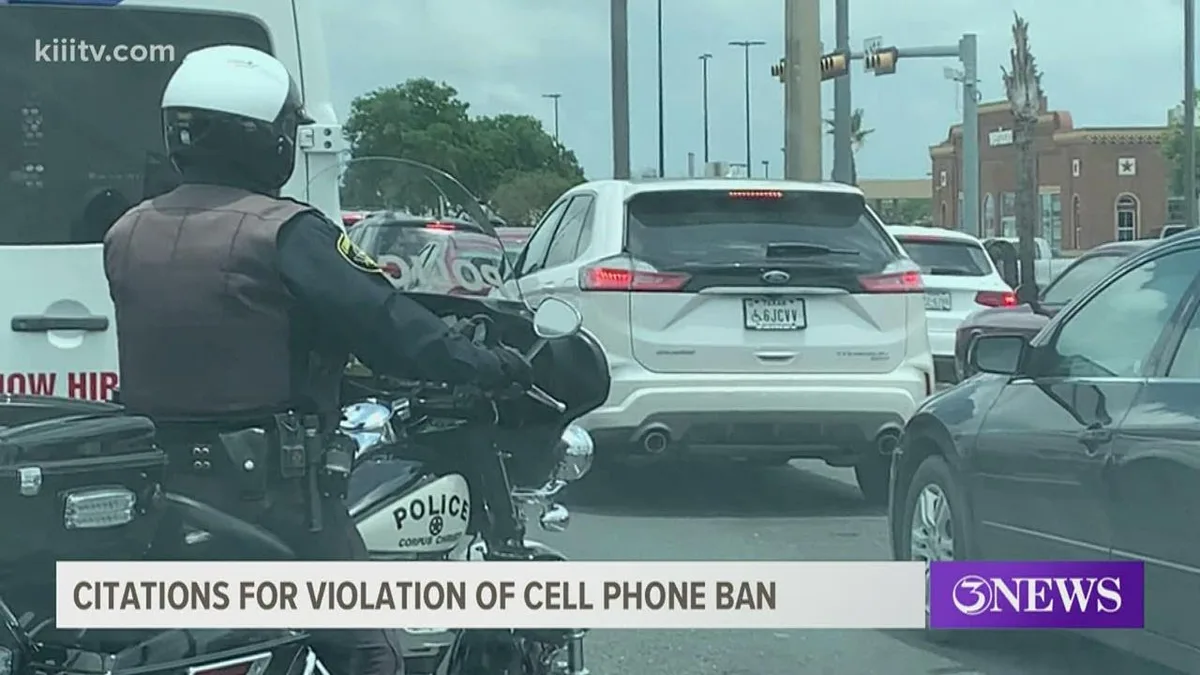
The law bans handheld device use while operating a vehicle, which includes being stopped at a red light or in stop-and-go traffic. Your vehicle is still considered in operation if it’s on a public road with the engine running. You can only use your device handheld if you’re fully parked, not just stopped at a signal.
Myth: Holding your phone for navigation is still permitted
The 2023 update to North Carolina General Statute § 20-137.4A closed the GPS navigation handheld use loophole. Holding your phone to check directions or adjust a navigation app counts as illegal handheld use as of 2026. You must use a mounted device or voice controls for navigation to stay compliant.
Myth: You can only be ticketed if an officer sees you texting
Primary enforcement means an officer only needs to see you holding a mobile device while the vehicle is moving to issue a citation. They do not need to prove you were texting, scrolling, or using a specific app. The act of holding the device while the car is moving is enough for a violation on its own.
Step-by-Step: What to Do After Receiving a Handheld Device Citation
How to contest a ticket you believe was issued in error
If you believe the ticket was issued by mistake, you have 30 days from the citation date to request a formal court hearing. Gather any supporting evidence first, such as proof your device was mounted, or that you were fully parked when you used it. If the officer’s notes contain factual errors, or you can show you were using a compliant hands-free setup, the judge may dismiss the charge entirely.
Ignoring the ticket leads to additional late fees and possible license suspension, so act as soon as you receive it.
Court process and penalty mitigation options for guilty pleas
If you plead guilty, you can usually pay the fine online or by mail to avoid a court appearance. First-time offenders are often eligible to reduce or eliminate license points by completing a state-approved driver safety course before the court deadline. Plea deals that lower the fine or downgrade the charge to a non-moving violation are also common for drivers with clean records.
Ask the clerk’s office about these mitigation options when you pay your fine.
Special High-Stakes Rules for Teen Drivers and Commercial Operators
Provisional license suspension risks for under-18 drivers
Drivers under 18 with a learner’s permit or provisional license face zero-tolerance rules for all mobile device use, even hands-free. A single handheld device violation can delay your eligibility for a full driver’s license by 90 days, or add 2 points to your record. Accumulating 2 points as a minor triggers a mandatory 90-day license suspension, with longer delays for repeat offenses.
Parents may also be held liable for these violations if they allow their teen to use a device while driving.
CDL disqualification and federal penalties for commercial drivers
Commercial motor vehicle drivers face stricter rules than standard drivers under both state law and FMCSA federal regulations. A single handheld device violation while operating a CMV leads to 3 months of mandatory CDL disqualification, on top of state fines and license points. If the handheld use contributes to a crash causing injury or death, permanent CDL revocation is possible under federal rules.
These penalties apply even if the driver is stopped temporarily at a red light or in heavy traffic.
Compliant Hands-Free Practices to Avoid Violations
Permitted hands-free device setups and use cases
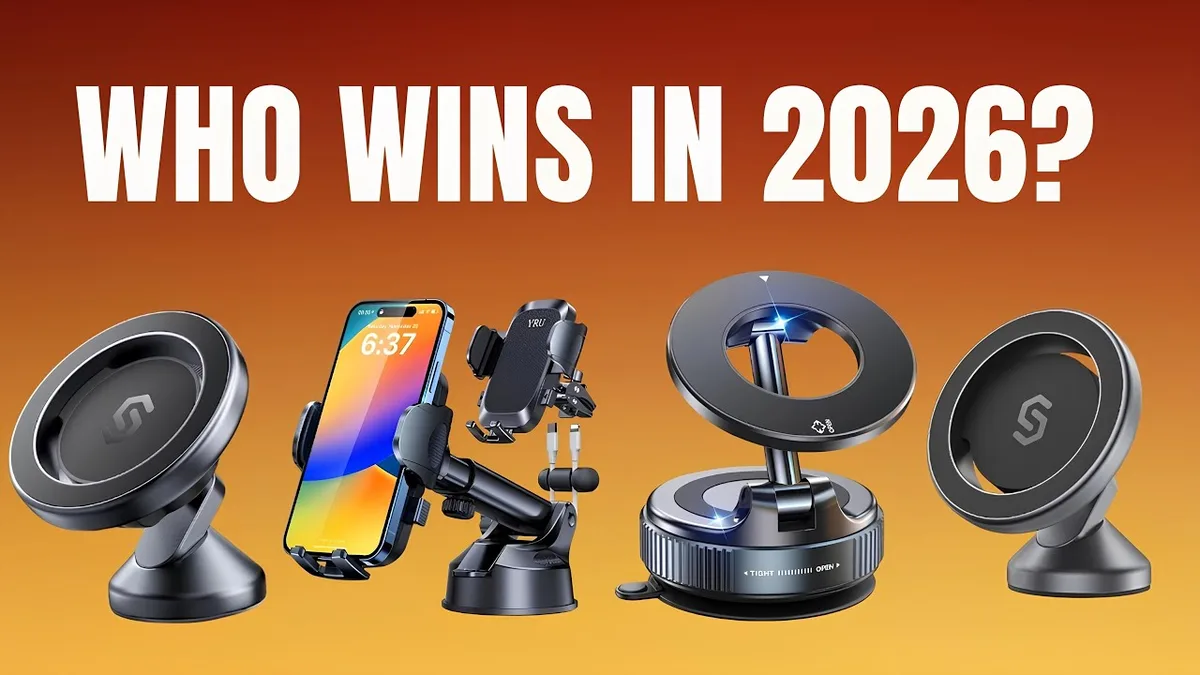
Fully compliant hands-free setups include dashboard or windshield mounts, Bluetooth earpieces, and built-in car infotainment systems with voice controls. You can use voice commands to make calls, send texts, or adjust navigation without touching your device while the vehicle is moving. One-touch activation of hands-free features is allowed, as long as you don’t hold the device during the interaction.
Windshield mounts are permitted as long as they don’t obstruct your view of the road.
How to adjust mounted devices without breaking the law
You can adjust your mounted device only when your vehicle is fully parked, not at a red light or in stop-and-go traffic. If your mount shifts while driving, pull over to a safe parking spot to readjust it. Reaching for a mounted device while the car is moving counts as a violation if you physically grab the device, even if it’s mounted.
Setting up your mount and testing voice commands before you start driving eliminates this risk entirely.
When to Consult a Traffic Attorney for Your Citation
Scenarios where legal representation reduces penalties
You don’t need a lawyer for every first-time handheld device ticket, but legal help is worth it in high-stakes cases. If you’re a commercial driver facing CDL disqualification, a teen driver at risk of license suspension, or a driver with prior points on your record, an attorney can often get the ticket reduced or dismissed. For tickets issued in work or school zones with enhanced fines, an attorney may negotiate a lower penalty or alternative punishment like community service.
If you believe the ticket was issued in error, an attorney can help you gather and present evidence more effectively in court.
How to find a qualified North Carolina traffic attorney
Look for an attorney who specializes in North Carolina traffic and distracted driving law, not a general practice lawyer. Check their standing with the North Carolina State Bar to confirm they’re licensed and in good standing. Many traffic attorneys offer free initial consultations to review your citation and explain your options.
Read recent client reviews focused on distracted driving cases to gauge their success rate with similar tickets.
Verified Quick Reference: NC Handheld Device Law Cheat Sheet
This cheat sheet covers the most critical rules to keep you compliant with North Carolina’s handheld device law as of 2026. Keep it saved on your phone or printed in your glove compartment for quick access.
- All drivers 18+: No handheld mobile device use while vehicle is moving, hands-free use is fully permitted
- Drivers under 18: Zero-tolerance ban on all mobile device use, even hands-free, except for 911 emergency calls
- Commercial drivers: Follow state rules plus stricter federal FMCSA regulations, no handheld use even when temporarily stopped
- Fines: $100 first standard offense, $200 first offense in active work or school zones, $25 mandatory court cost added to all violations
- License points: 1 point for first handheld violation, 2 points if violation contributes to a crash, 12 points in 3 years triggers license suspension
- Enforcement: Primary enforcement, so officers can ticket you for handheld use alone without observing another traffic violation
Frequently Asked Questions
Is handheld phone use allowed at a red light in North Carolina?
No. The law bans handheld mobile device use while operating a vehicle, which includes being stopped at a red light or in stop-and-go traffic. You can only use your device handheld if your vehicle is fully parked on a public road, not just temporarily stopped at a signal.
Do out-of-state drivers have to follow North Carolina’s handheld device law?
Yes. North Carolina’s handheld device ban applies to all drivers on state roads, regardless of where your license is issued. Out-of-state drivers ticketed for violations face the same fines and penalties as North Carolina residents, including points added to your home state license if your state participates in the Driver License Compact.
Can I use my phone for GPS navigation while driving in North Carolina?
No. The 2023 update to North Carolina General Statute § 20-137.4A closed the GPS navigation loophole that previously allowed holding a phone for directions. You must use a mounted device or voice-controlled navigation to stay compliant with state law as of 2026.
What happens if a commercial driver gets a handheld device ticket in North Carolina?
Commercial drivers face both state penalties and federal FMCSA sanctions. A single handheld device violation can lead to 3 months of CDL disqualification, plus state fines up to $275 and points on your commercial license. If the violation contributes to a crash with injury, permanent CDL revocation is possible.
Can I get a handheld device ticket reduced or dismissed in North Carolina?
Yes, in many cases. If you can prove the ticket was issued in error, or you have a valid hands-free setup that the officer overlooked, a judge may dismiss the charge. Plea deals to reduce the fine or avoid points are also common for first-time offenders who complete a state-approved driver safety course.