Oregon’s $170 annual registration fee for passenger cars and light trucks is a standard cost to keep your vehicle legal on the road. It applies to most standard passenger vehicles and light trucks under 10,000 lbs GVWR.
As of 2026, this base fee is set by the Oregon Department of Transportation (ODOT) and covers a 12-month registration period. The exact amount you pay can vary depending on your county and any specialty plates you choose.
Quick Answer
The Oregon $170 annual registration fee for passenger cars and light trucks is the base cost to register most standard vehicles. It applies to passenger cars and light trucks under 10,000 lbs GVWR. Local fees and specialty plates add to this amount.
The registration is valid for 12 months.
What the $170 Oregon Annual Registration Fee Actually Covers
The $170 fee is the base registration cost for standard passenger cars and light trucks in Oregon. It does not include additional charges like local fees, specialty plate surcharges, or late penalties.
This fee ensures your vehicle is legally registered with the state, allowing you to drive without risking fines or penalties. It also funds road maintenance and transportation infrastructure projects across Oregon.
Who Pays the $170 Fee (and Who Doesn’t)
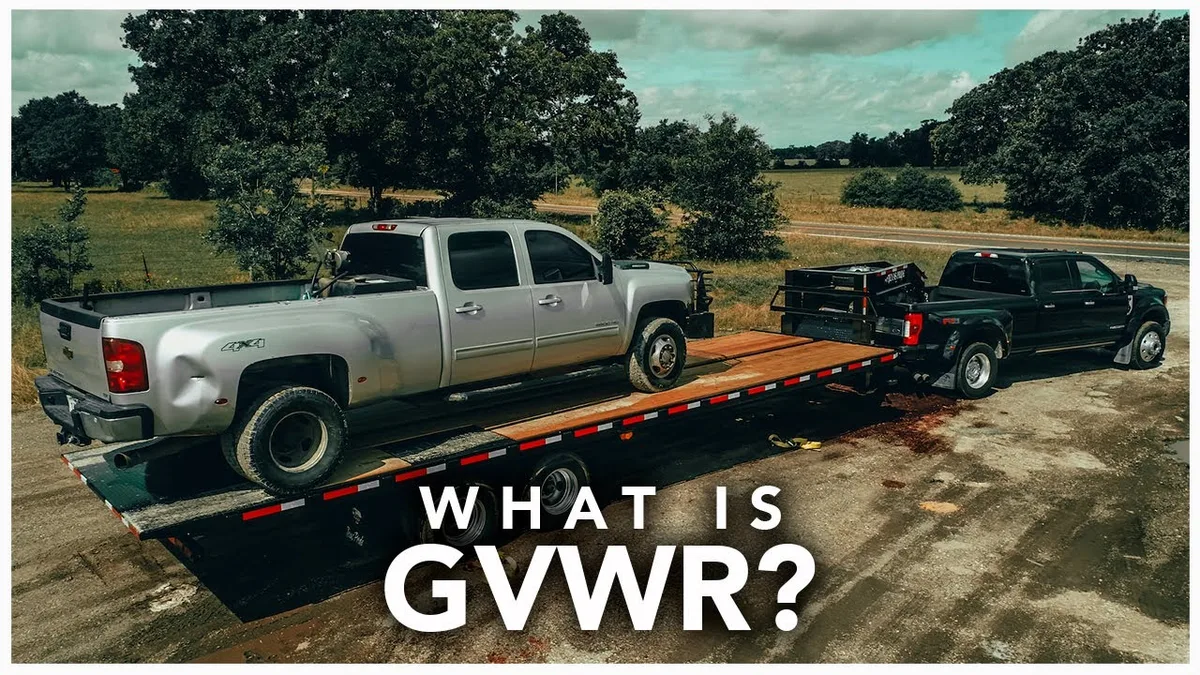
The $170 fee applies to passenger cars and light trucks with a Gross Vehicle Weight Rating (GVWR) under 10,000 lbs. This includes most standard sedans, SUVs, and pickup trucks used for personal transportation.
Vehicles that do not qualify for this fee include:
- Heavy trucks (GVWR 10,000 lbs or more)
- Motorcycles
- Electric vehicles (EVs), which have additional surcharges
- Trailers and recreational vehicles (RVs)
If your vehicle falls outside these categories, you’ll pay a different fee structure. Always check your vehicle’s GVWR, typically listed on the driver’s side door jamb or in the owner’s manual.
How Oregon’s Passenger Car & Light Truck Registration Works
Oregon’s registration system ties your renewal date to your birth month, simplifying the process. You’ll receive a renewal notice in the mail about 60 days before your registration expires.
The state uses a flat base fee for standard vehicles, unlike some states that charge based on vehicle value or weight. This makes budgeting easier, as you’ll know the base cost upfront.
The Full Cost Breakdown (It’s Not Just $170)
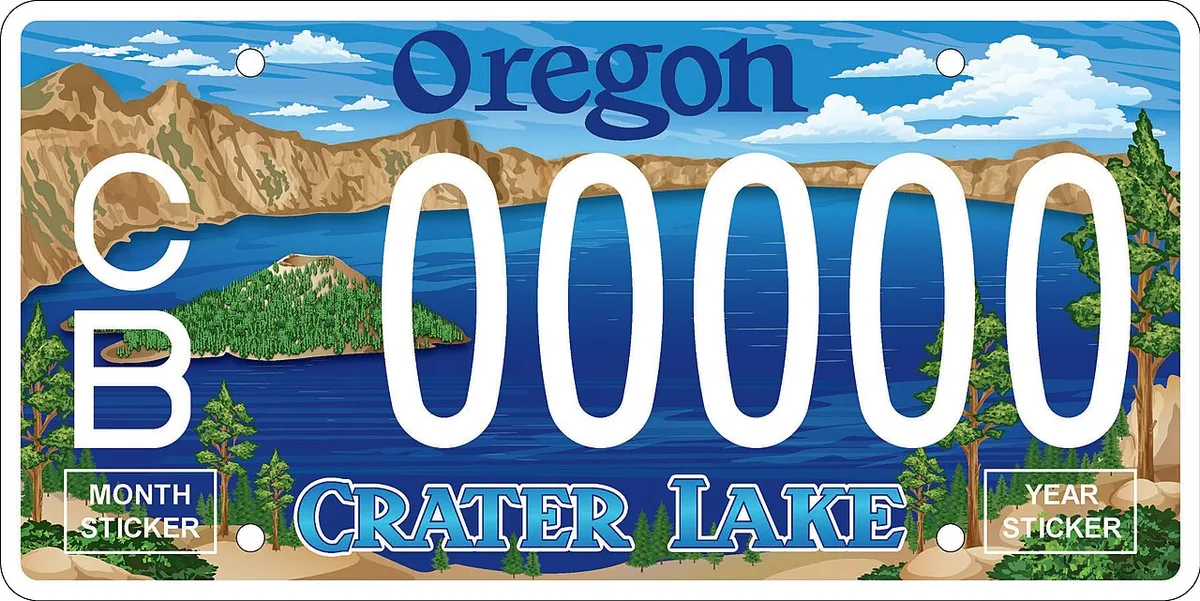
The $170 base fee is just the starting point. Most Oregon counties add a local fee, typically between $10 and $30. Specialty plates, like those for veterans or environmental causes, add another $20 to $150 annually.

Here’s a quick breakdown of potential additional costs:
| Fee Type | Cost Range | Notes |
|---|---|---|
| Local County Fee | $10–$30 | Varies by county |
| Specialty Plate Surcharge | $20–$150 | Optional, varies by plate type |
| Late Fee | $10/month (max $50) | Applied if registration lapses |
| EV Surcharge | $110–$210 | Additional for electric vehicles |
For the most accurate estimate, use the Oregon DMV’s fee calculator.
Step-by-Step: How to Register or Renew in Oregon

You can renew your registration online, by mail, or in person at a DMV office. Online renewal is the fastest option and is available if your address and vehicle information are up to date.
To renew online, you’ll need:
- Your renewal notice or current registration
- Proof of insurance
- Payment method (credit/debit card or e-check)
If renewing by mail, send your renewal notice, payment, and any required documents to the address listed on the notice. In-person renewals require the same documents plus a valid ID.
Common Mistakes That Lead to Extra Fees or Penalties
The most frequent error is assuming the $170 base fee covers all registration costs. Always review your full renewal notice before submitting payment to catch extra charges early.
Another common mistake is misclassifying your vehicle to qualify for the lower fee. The state cross-references VIN data with weight class records, so this error will almost always be caught.
Failing to update your contact address with the Oregon DMV also causes avoidable late fees. If your renewal notice gets sent to an old address, you won’t receive the warning before your registration expires.
Forgetting to submit an accurate odometer disclosure when transferring a vehicle title is another costly error. Always double-check odometer numbers against the vehicle’s title and registration paperwork.
Discounts and Exemptions You Might Qualify For
Oregon offers several registration fee discounts for eligible drivers. The senior discount applies to drivers aged 62 and older with proof of age on file with the DMV.
Veterans with an honorable discharge qualify for a 50% discount on the base registration fee. Disabled veterans with a 100% service-connected disability rating may receive a full fee waiver with proper documentation.
Low-income residents may qualify for reduced fees through Oregon’s vehicle registration assistance program. This program uses income thresholds based on household size to determine eligibility.
What Happens If You Don’t Pay on Time
If you miss your Oregon registration renewal deadline, the state charges a late fee of $10 per month, capped at $50 total. The DMV sends a late fee notice to your registered address if payment is not received by the expiration date.

Continued non-payment leads to registration suspension. You cannot legally drive your vehicle until the full balance is paid in full. You will also need to pay a $25 reinstatement fee to reactivate your registration after suspension.
A suspended registration risks vehicle impound if you are pulled over by law enforcement. You may also face additional fines for driving with invalid registration.
Oregon’s Registration Rules vs. Other States
Oregon’s flat $170 base fee for standard passenger vehicles is simpler than the value-based registration systems used in many other states. For example, California charges registration fees based on vehicle value, so a $30,000 car can pay over $300 in base fees alone.
Unlike states like Virginia that charge annual personal property tax on vehicle value, Oregon has no recurring property tax for passenger vehicles. This means the $170 base fee plus small local fees is your only recurring registration cost for standard passenger cars and light trucks.
Out-of-state residents moving to Oregon have 30 days to register their vehicle. Oregon also does not charge mileage-based registration fees for standard passenger cars, unlike states like Washington.
Frequently Asked Questions
Is the $170 Oregon registration fee a one-time charge?
No, the $170 fee is an annual charge that renews every 12 months for eligible passenger cars and light trucks. You will pay this fee each year as long as you keep the vehicle registered in Oregon.
Does the $170 fee cover Oregon emissions testing costs?
No, the $170 base fee does not include emissions testing costs. Vehicles in Oregon metro counties must pass an emissions test every two years, which costs $43 as of 2026. This test is a separate requirement from registration.
Can I pay my Oregon registration fee in monthly installments?
No, Oregon does not offer monthly installment plans for standard passenger car and light truck registration fees. Full payment is due at the time of renewal.
Do out-of-state vehicles qualify for the $170 Oregon registration fee?
Yes, out-of-state passenger cars and light trucks under 10,000 lbs GVWR qualify for the $170 base fee when registered in Oregon. You have 30 days from establishing Oregon residency to register your out-of-state vehicle.
Are there extra fees for registering a new vehicle in Oregon?
Yes, new vehicle registrations have extra one-time costs beyond the $170 annual base fee. You will pay a one-time $42 title fee when first registering a new passenger car or light truck. You may also owe sales tax on the vehicle purchase price.
Can I get a refund if I sell my car before my registration expires?
Yes, Oregon offers prorated refunds for unused registration time if you sell or trade in your vehicle before the registration expires. To request a refund, submit a copy of the bill of sale and your registration certificate to the Oregon DMV within 30 days of the sale. Refunds are not issued for specialty plate surcharges or local jurisdiction fees.