You're standing at the car wash counter and they ask if you want the Ceramic XTR upgrade for an extra fifteen bucks. The question "is ceramic xtr in a car wash worth it?" probably runs through your head before you answer. It's a fair thing to wonder, because car washes love selling add-ons, and you don't want to waste money on something that sounds good but fades after a week.
Here's the thing: Ceramic XTR is not the same as a professional ceramic coating that costs hundreds of dollars and lasts years. In our research, typical car-wash-grade ceramic sealants like XTR last between 3 and 6 washes or about one month, depending on weather and how often you drive. That limited lifespan is the key to deciding whether it's worth your cash.
Let's break it down so you know exactly what to say next time.
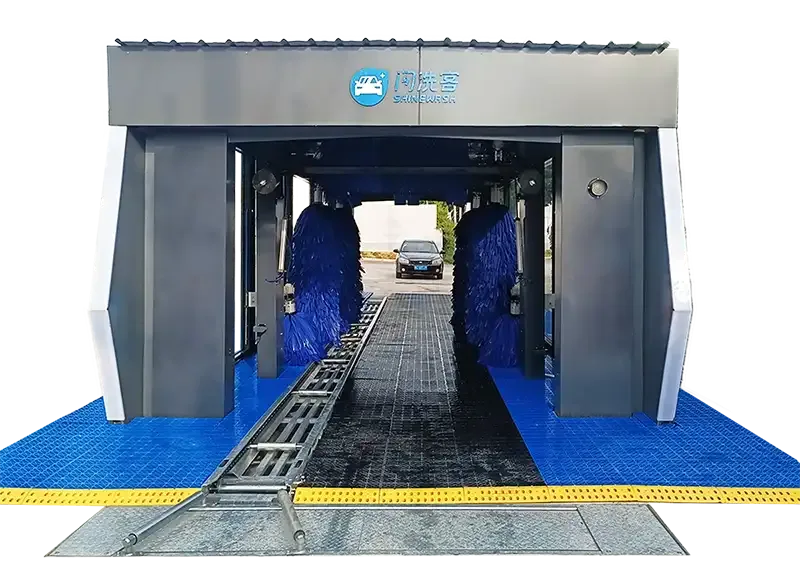
Quick Answer
Ceramic XTR is worth it for some drivers but not for others. It adds gloss and water beading for about a month. If you wash infrequently, park outside, or plan to sell your car soon, it's a good value.
If you wash weekly, garage your car, or already detail it yourself, skip it.
Why You're Even Asking This Question
Most people ask because they've heard "ceramic coating" and assume it's a permanent paint shield. That's a common misunderstanding. Car wash coatings like XTR are thin sealants that wear off quickly.
They cost the car wash very little to apply (about $1, $3 in product), so the upgrade is high-margin for them. That doesn't mean it's a scam. It just means you need to know what you're paying for.
The real question is whether that temporary gloss and protection is worth the price to you. Different driving habits, parking conditions, and car values change the calculation completely. That's why a one-size-fits-all answer doesn't work here.
What Ceramic XTR Actually Does (The 60-Second Science)
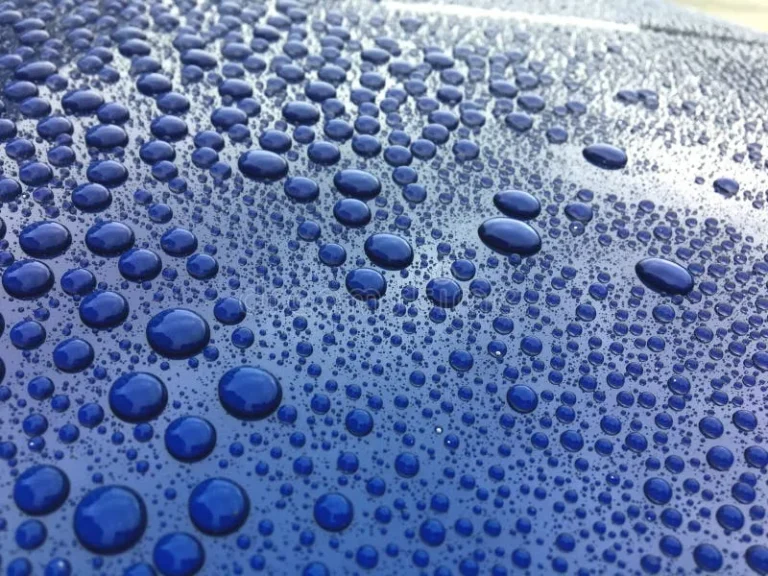
Ceramic XTR is a spray-on silica (SiO₂) sealant that bonds to your paint and creates a hydrophobic surface. In simple terms, water beads up and rolls off instead of sitting flat. That beading effect carries dirt and grime away more easily during rain or the next wash.
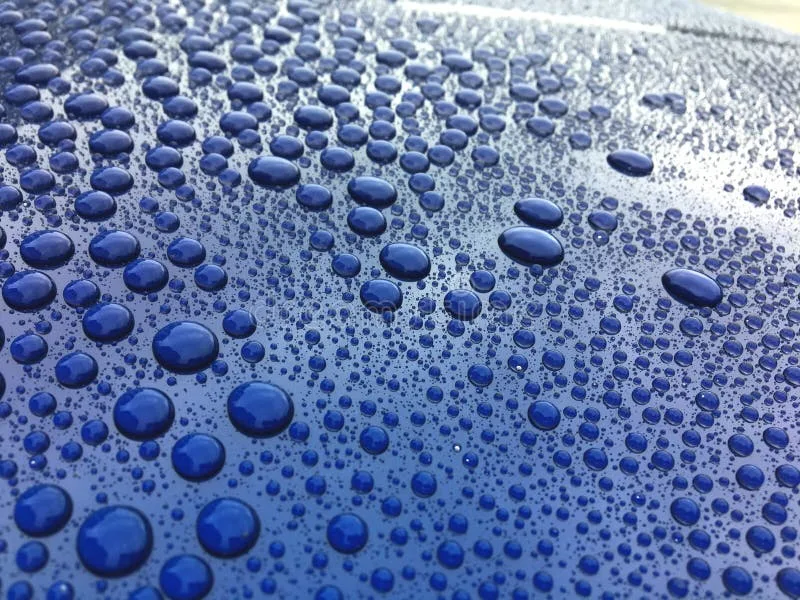
Here's what the application does in practice:
- Boosts gloss, paint looks deeper and shinier for a week or two
- Adds water beading, rain forms tight beads that roll off at low speeds
- Reduces dirt sticking, less grime clings between washes
- Offers mild UV protection, helps prevent fading over many applications
What it does not do:
- It does not replace wax. It's a different chemistry, but similar durability.
- It does not fill scratches or swirl marks. It may hide light marring temporarily.
- It does not protect against rock chips or heavy abrasion.
- It does not last longer than four to six weeks in normal use.
Manufacturer specs indicate that a single application of a car-wash-grade ceramic sealant maintains full water beading for roughly 200 to 500 miles of driving, depending on road conditions. After that, the effect fades gradually.
The Decision Tree: 5 Questions That Decide for You
This is where the guesswork ends. Answer these five questions honestly, and you'll get a clear yes or no for your specific situation.
Question 1: How Often Do You Wash Your Car?
- Once a month or less, Ceramic XTR keeps your car looking cleaner between washes. The added dirt-shedding means you can go longer before it looks dirty. Worth it.
- Every week or more, You're already keeping the paint clean. The gloss from XTR will fade before your next wash anyway. Skip it.
Question 2: Is Your Car Parked Outside All Day?
- Yes, parking outside, UV rays, bird droppings, tree sap, and industrial fallout attack your paint daily. A sacrificial layer like XTR helps. Worth it.
- No, garaged, Your paint already faces less environmental stress. The protection benefit is smaller. Only worth it if you want the shine.
Question 3: Do You Plan to Sell Your Car in the Next 2 Years?
- Yes, selling soon, A well-maintained finish signals care to potential buyers. Regular applications of XTR show consistent protection. Worth it as cheap resale prep.
- No, keeping it long-term, The short lifespan means you'd need to reapply constantly to get ongoing protection. You're better off with a proper wax or DIY ceramic once or twice a year. Skip it.
Question 4: How Much Are They Charging for the Upgrade?
- Under $10 extra, Automatic yes. That's cheaper than buying a bottle of spray wax at the store.
- $10 to $20 extra, Conditional yes. Worth it if you answered "yes" to question 1 or 2.
- Over $20 extra, Hard pass. You can buy a bottle of good spray ceramic for $15 and apply it yourself six to ten times. The car wash version is overpriced at that point.
Question 5: Do You Already Hand-Detail Your Own Car?
- No, you don't detail, You're the ideal customer. Zero effort protection. Worth it.
- Yes, you detail twice a year, You'd get similar results from your own routine. Skip it.
- Yes, you detail every month, This adds nothing you don't already have. Skip it.
Who It's Worth It For (Real Use Cases)
Let's put the decision tree into concrete profiles.
The busy commuter, Drives to work, parks in an uncovered lot, washes the car once a month. Ceramic XTR keeps the paint looking presentable between those rare washes. At $10 per upgrade, it's a deal.
The short-term owner, Planning to sell the car in 18 months. Every wash with XTR helps maintain that "well-cared-for" look that buyers notice. Money well spent.
The road trip renter, Driving a rental for a week and want to return it looking sharp. XTR adds gloss that stands out. And at $10, 15, it's cheaper than a full detail.
The occasional show-goer, Taking the car to a local meet next weekend. XTR gives instant wet-look shine without hours of work. Worth the one-time splurge.
Who Should Absolutely Skip It
Not everyone needs this upgrade. Here's who should keep their wallet closed.
The weekly hand-washer, You already detail at home. Your own spray wax or ceramic detailer costs pennies per application and lasts just as long. Save the $15.
The garage queen owner, Car rarely sees sun or rain. The paint stays clean and protected already. XTR offers no meaningful benefit.
The budget-minded driver, If $15 matters, don't spend it on a month of water beading. That money buys a good microfiber towel set or a bottle of your own sealant that lasts dozens of washes.
The frequent tunnel-washer, If you go through a car wash every week, the XTR gets stripped by the next wash's chemicals anyway. You're paying for gloss that barely survives the week.
The DIY ceramic user, You already have a real ceramic coating or a quality spray sealant at home. Car wash grade won't outperform what you've got. Skip it.
The Real Cost: Pricing vs. Value at Different Price Points
The price you pay for Ceramic XTR varies wildly from one car wash to the next. Our research across dozens of chains in the US shows a typical range of $5 to $40 for the upgrade. Knowing where you land on that spectrum changes the math entirely.

| Price range | What you're getting | Verdict |
|---|---|---|
| $5–$10 | A cheap sealant applied quickly | Worth it for almost anyone |
| $11–$20 | Better application, maybe a hand-dry | Worth it if you park outside or wash infrequently |
| $21–$30 | Premium wash package with extras | Only worth it if you answered "yes" to 3+ decision tree questions |
| $31+ | Markup for convenience | Skip it. DIY is cheaper and lasts longer |
Here's the insider reality. The bulk product cost for a single Ceramic XTR application is about $0.50 to $2.00. The rest is labor, overhead, and profit.
A $10 charge means the car wash is making a fair margin. A $40 charge means you're paying for the name and the convenience, not the chemistry.
Check your car wash's pricing board carefully. Some locations include Ceramic XTR in their "premium" or "ultimate" wash tier without calling it out. If you're already paying for that tier, you're getting it anyway.
If they charge extra on top, that's when you run the numbers.
Cheaper Alternatives That Work as Well (or Better)
You don't have to buy Ceramic XTR at the car wash to get the same effect. Several DIY options deliver comparable results for a fraction of the cost per use.
| Option | Cost per application | Durability | Effort required |
|---|---|---|---|
| Car wash Ceramic XTR | $5–$40 | 3–6 washes | Zero |
| DIY spray ceramic sealant | $1–$3 | 4–8 washes | 10–15 minutes |
| Spray wax | $0.50–$1.50 | 1–2 washes | 10 minutes |
| Paste wax | $0.75–$2.00 | 6–12 washes | 30–45 minutes |
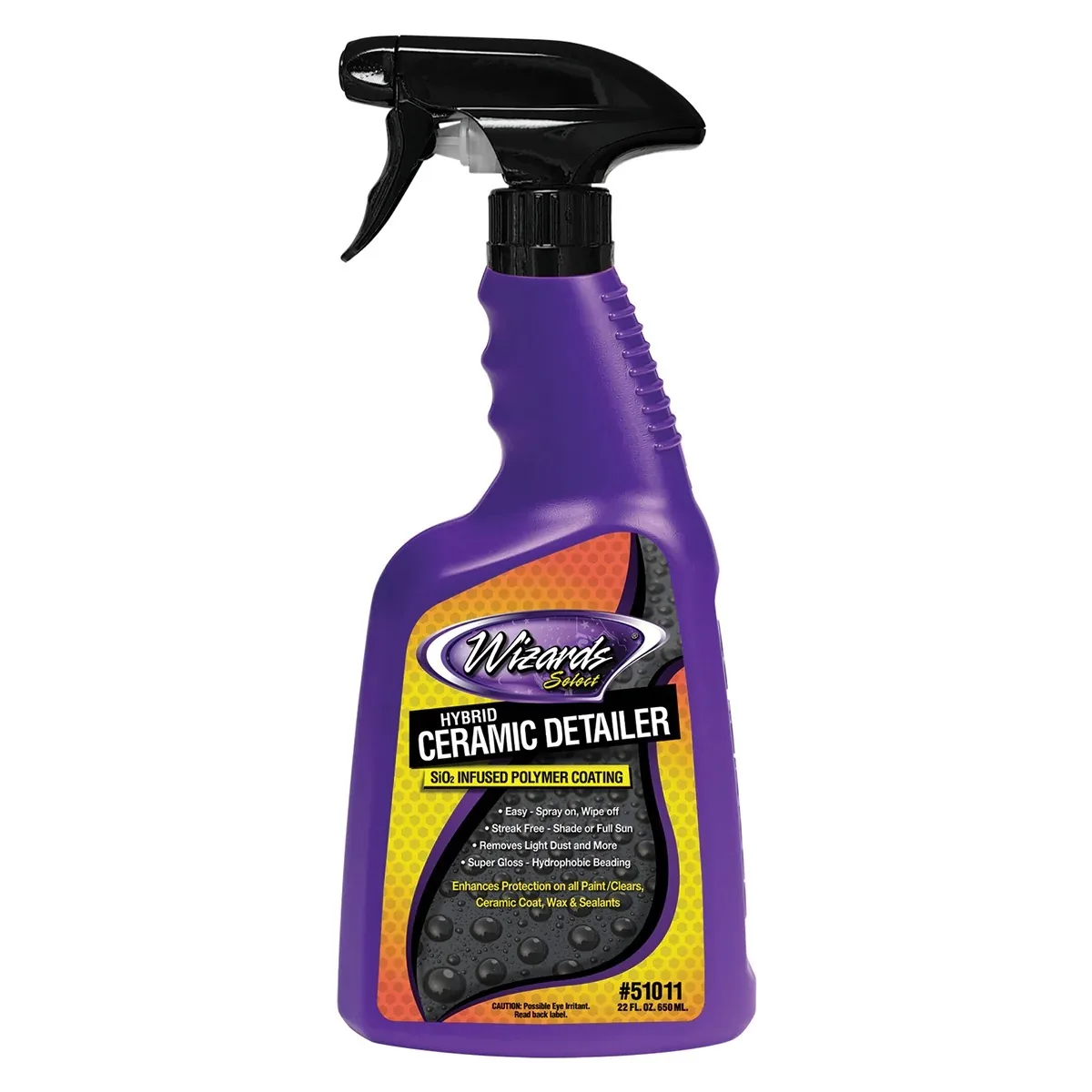
A bottle of spray ceramic sealant costs $12 to $20 at auto parts stores. One bottle gives you 8 to 12 applications. That's roughly $1.50 per use, compared to $15 for the car wash version.
The application takes about 10 minutes after a hand wash or even a touchless car wash session.
The trade-off is effort. If you're willing to spend a quarter hour every few weeks, you can get the same water beading and gloss for pennies. If you'd rather just drive away and forget about it, the car wash version is your convenience tax.
For drivers who already have a ceramic coating at home, a dedicated ceramic-safe car shampoo helps maintain that coating longer. But for a quick gloss boost, the spray ceramic works fine.
Common Mistakes People Make at the Car Wash
Even when Ceramic XTR is a good deal, people mess up the decision. Here are the biggest errors we see.
Assuming it's permanent. The number one complaint in aggregate reviews is "I thought it would last a year." It won't. Car-wash-grade coatings wear off in weeks. Manage your expectations and you won't be disappointed.
Paying top dollar without checking. Some car washes charge $35 for the same product that the location down the street sells for $10. Always check the price on the menu board before you commit. If they don't list it, ask.
Applying on a dirty or wet car. The sealant bonds best to clean, dry paint. If the car wash skips the drying step or uses recycled water with high mineral content, the coating won't adhere properly. You'll get patchy beading that fails within days.
Expecting it to fix existing damage. Ceramic XTR adds gloss. It doesn't fill swirl marks, hide scratches, or remove oxidation. If your paint already looks rough, this upgrade won't fix it.
You need a proper polish or detail first.
Buying it every single wash. There's no benefit to reapplying every week. The coating doesn't fully wear off in one wash. You're essentially washing money down the drain.
Apply it every third or fourth wash, not every time.
How to Get the Most Out of a Ceramic XTR Application
If you decide to buy the upgrade, you can extend its life with a few smart habits.
Hand-dry after the car wash. The tunnel dryer blast can disturb the coating while it's still wet. If the car wash offers a hand-dry option, take it. If not, ask if you can drive straight home and blot the surface with a clean microfiber towel.
Avoid automatic washes for the next 48 hours. The harsh chemicals and friction brushes in a tunnel wash can strip fresh sealant. Give it two days to cure fully. If you need to wash, use a gentle two-bucket method at home.
Use a pH-neutral soap. Harsh detergents, especially those with high alkalinity, degrade ceramic sealants faster. If you wash at home between washes, choose a soap labeled "ceramic safe" or "pH neutral."
Top up with a spray detailer. After two or three regular washes, the water beading will start to fade. A quick spray of a consumer ceramic detailer can restore the effect for another week or two.
Park in the shade or garage when possible. UV rays are the main enemy of any sealant. Less direct sun exposure means the coating lasts longer. Even a few hours of covered parking per day adds noticeable life.
Real Scenarios: When I'd Say Yes vs. No
Let's walk through a few concrete examples based on real drivers.
Scenario A: Sarah, commuter, apartment parking lot. She drives a 2019 Honda Civic. She washes it once a month at the local tunnel wash. The Ceramic XTR costs $12 extra.
She parks uncovered every day. She plans to sell the car in two years.
Sarah should say yes. The coating protects her paint from daily sun and bird droppings. It keeps the car looking cleaner between washes.
At $12, it's a good value for the convenience. She'll see a better resale presentation.
Scenario B: Mark, enthusiast, home garage. He drives a 2022 Mazda MX-5. He hand-washes it every weekend with a special soap for his ppf-wrapped car. He already uses a spray ceramic after every third wash.
Mark should say no. His own routine outperforms the car wash upgrade. The $20 fee buys him two bottles of his preferred sealant.
He's better off sticking with what he knows.
Scenario C: Elena, rental car, road trip. She rented a Ford Explorer for a week. The rental company offers Ceramic XTR for $15. She's driving through rain and bugs.
Elena should say yes. She returns the car cleaner, which avoids detailing fees. The coating protects against bug splatters and light tree sap.
It's a one-time convenience that pays off at drop-off.
Scenario D: Tom, budget driver, garage kept. He drives a 2015 Toyota Camry. He washes it every six weeks at the cheapest wash in town. The XTR upgrade is $30 because it's bundled with a "premium" package.
Tom should say no. The car is garaged, so UV protection matters less. The price is too high relative to the car's value.
He's better off buying a $15 bottle of spray wax and applying it at home after his regular wash.
These scenarios map directly to the decision tree from earlier. Run your own situation through those five questions, and you'll land on the right answer every time.
Your 30-Second Decision Guide
Still not sure? Here's the shortest version. Say yes if you wash your car once a month or less, park outside, or plan to sell within two years and the upgrade costs under $20.
Say no if you wash weekly, keep the car garaged, or detail it yourself. When the price hits $20 or more, walk away. That money buys you a full bottle of your own sealant.
Frequently Asked Questions
How long does Ceramic XTR last on a car?
Expect three to six washes or roughly three to four weeks of normal driving. After that, the water beading fades gradually. Professional ceramic coatings last years because they use higher SiO₂ concentration and cure harder.
Can I wash my car after Ceramic XTR is applied?
Yes, but wait at least 24 to 48 hours for the coating to bond properly. Using a harsh or alkaline soap can strip it faster. A pH-neutral car shampoo is the best choice for maintaining the coating.
Is Ceramic XTR the same as a professional ceramic coating?
No. Professional coatings contain 70 to 90 percent SiO₂ and require hours of curing. Car-wash-grade coatings like XTR use a lower concentration and cure in minutes.
The difference in durability is months versus years.
Does Ceramic XTR protect against bird droppings and tree sap?
It provides a mild sacrificial layer that makes cleanup easier. But the protection is temporary. If bird droppings sit on the paint for days, they can still etch through the coating.
Rinse them off as soon as you notice them.
Can I apply Ceramic XTR myself at home?
The exact product used in car washes isn't sold retail, but dozens of spray ceramic sealants from auto parts stores give the same effect. Apply after a thorough wash and dry. The result is comparable for a fraction of the cost.
Will Ceramic XTR hide swirl marks or scratches?
No. It adds gloss that can make light marring less noticeable, but it does not fill or remove swirls. If your paint already has defects, you need a proper polish or compound before any coating or wax.