ByMax Lee
Guide to Hands-free Law: Modern Restrictions on Phone Use.
You glance down at your phone for half a second. A red light. A quick check.
That's all it takes. Hands-Free Law: Modern restrictions on phone use. are more layered than most drivers realize, and they change the moment you cross a state line. Knowing what counts as "hands-free" and what gets you a ticket is the difference between a clean record and a painful fine.
According to the National Highway Traffic Safety Administration (NHTSA), distracted driving claimed over 3,300 lives in a recent reporting year. That statistic is why states keep tightening their laws. Let's break down what the rules actually say, how they vary, and what you need to know to stay on the right side of the law every time you drive.
Bing (Web (fair-use with source credit))
Quick Answer
A hands-free law bans holding a phone while driving. It allows voice commands and Bluetooth. But it does not make all phone use safe.
Laws vary by state. Penalties include fines and license points.
Why the Details Matter (More Than You Think)
Here's the thing. Most people assume "hands-free" means "legal." That's not always true. In some states, even touching your phone to change a song can get you pulled over.
In others, you can talk all day as long as you're not holding it. As of 2026, about 25 states plus Washington D.C. have full handheld bans with primary enforcement. That means a cop can stop you just for having a phone in your hand, even if you weren't doing anything else wrong.
But the real problem is confusion. You might drive through three states on a road trip and face three different sets of rules. One state allows hands-free calls.
Another bans all phone use for drivers under 18. A third treats your phone mount as legal but your lap as a violation. Getting it wrong can cost you hundreds of dollars in fines plus points on your license.
And with insurance rates already climbing, a distracted driving ticket can hit your wallet for years.
That's why the details matter. The difference between "I thought it was fine" and "I knew the law" is often just a few minutes of reading. And that's what we're doing here.
What "Hands-Free" Actually Means Under the Law
Let's get specific. The legal definition of "hands-free" is not the same as what you might think of as "not holding it." In most states with a hands-free law, the rule allows:
- Using a Bluetooth headset or earpiece
- Voice commands to make calls or send texts
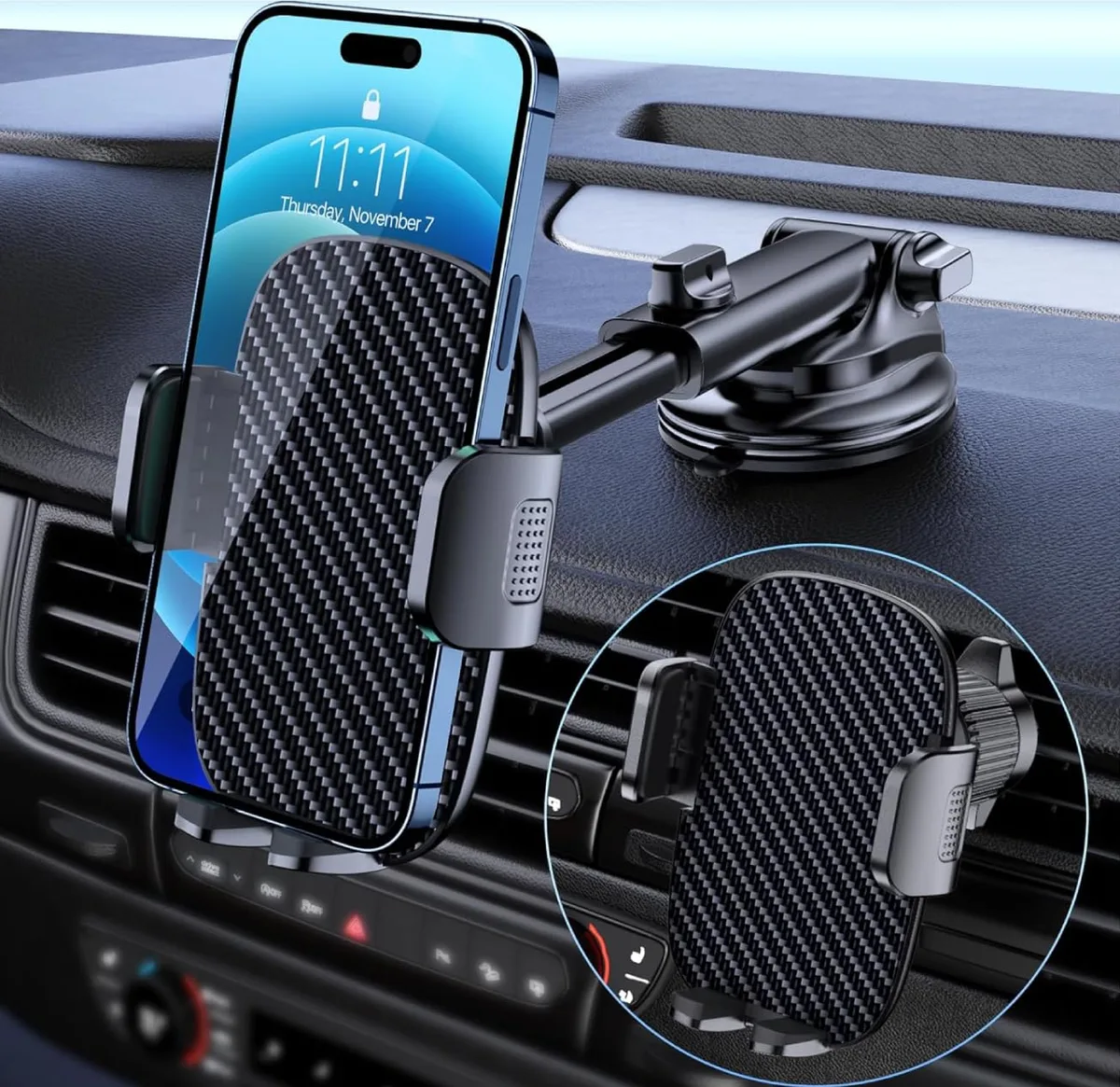
- Using a phone mount for navigation, as long as you don't touch it
- One-touch activation (tap once to answer, then hands-free)
That sounds straightforward. But it gets tricky fast.
What counts as "holding"?
In many states, "holding" includes any physical contact. If your phone is resting on your leg, your lap, or in your hand while stopped at a red light, that's holding. Some laws explicitly say the phone cannot be "in the driver's hand" at all.
Others say it cannot be "in the driver's hand or supported by any part of the driver's body." That means even balancing it on your knee is a violation.
What about navigation?
You can use GPS. But the law usually says you can only set the destination before driving or with a single tap while driving. Scrolling through maps, typing an address, or zooming in while moving?
That's likely illegal in most hands-free states.
What about voice-to-text?
This is a gray area. Some states explicitly ban texting while driving, even with voice commands, because the act of composing a message is considered distracted. Other states allow it as long as your hands stay on the wheel.
The safe bet? Don't send texts while driving, period. Voice or not, it's a cognitive distraction that affects your reaction time.
How Laws Differ by State and Province
This is where most drivers get tripped up. The rules are not uniform. Here's a quick breakdown of the major categories of laws across the US and Canada.
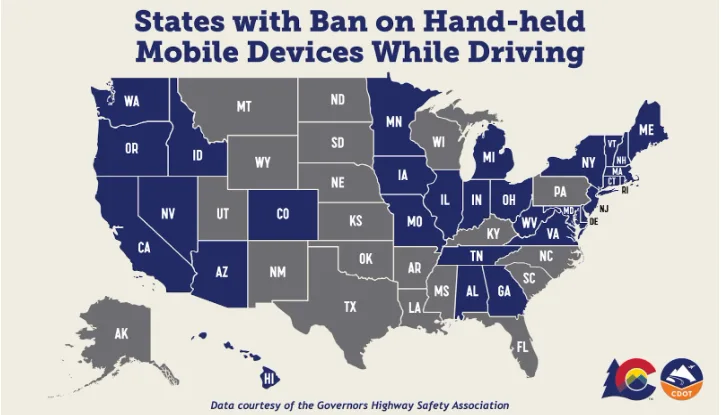
Full handheld ban (primary enforcement)
These states treat any handheld phone use as a primary offense. A cop can pull you over just for holding your phone. States in this category include California, New York, Washington, Oregon, Illinois, and more.
Penalties typically start around $50 for a first offense and climb to $500 or more for repeat violations or if you're caught in a school or construction zone.
Full handheld ban (secondary enforcement)
A smaller group of states bans handheld use but only enforces it if you're already stopped for another reason, like speeding or running a red light. That doesn't mean it's safe to ignore. You can still get a ticket, and it'll still hit your record.
Texting-only bans
Some states only ban texting and emailing while driving. They allow handheld calls. This is less common as of 2026, but it does exist in a few places.
If you're in a texting-only state, you can legally hold your phone and talk. But here's the catch: if you're driving erratically while talking, a cop can still ticket you for careless driving.
All-cell-phone bans (for specific groups)
Many states have zero-tolerance rules for certain drivers:
- Teens and novice drivers: In over 30 states, drivers under 18 cannot use any cell phone, even hands-free.
- School bus drivers: Federal regulations ban all phone use for school bus drivers while the vehicle is moving or stopped for passengers.
- Commercial drivers: The FMCSA prohibits CDL holders from using any handheld phone while driving. Hands-free is allowed, but some companies impose stricter policies.
Canada and other countries
In Canada, most provinces have hands-free laws. Ontario, British Columbia, and Quebec all ban handheld use with heavy fines. In the UK, you can use a hands-free system, but you can still be prosecuted if you're not in proper control of the vehicle.
Australia has some of the strongest laws, with automated cameras that catch phone use and issue fines by mail.
Primary vs. Secondary Enforcement: What It Means for You
This is one of the most important distinctions to understand. It affects how likely you are to get pulled over and what happens if you do.
| Type | Can you be stopped just for phone use? | Typical State Example |
|---|---|---|
| Primary enforcement | Yes | California, New York, Washington |
| Secondary enforcement | No, only if stopped for something else | Some texting-only states |
Why primary enforcement matters more
In primary enforcement states, a cop can pull you over for nothing but holding your phone. That's it. No speeding, no swerving, no broken tail light.
You're holding a phone, you get a ticket. This makes the law much more enforceable, and it's why states with primary enforcement tend to see bigger drops in distracted driving crashes.
What secondary enforcement means for you
If you're in a secondary enforcement state, technically the law exists but it's rarely enforced on its own. The cop needs another reason to stop you. Once they have that reason, they can add a phone ticket to the pile.
So you're not off the hook. You just have a slightly lower chance of being pulled over for the phone alone.
How to handle crossing state lines
Before a road trip, check the laws for every state you'll pass through. A simple search like " [state name] hands-free law 2026" will give you the current rules. Write them down or remember the key ones.
If you're in a primary enforcement state, keep your phone in the glove box or a mount. In a secondary enforcement state, be even more careful about not texting or scrolling while driving, because a minor traffic mistake could turn into a much bigger ticket.
What You're Still Not Allowed to Do (Even Hands-Free)
This section often surprises people. Even with a hands-free setup, there are things you still cannot legally do in most states.
Touching your phone to type or scroll
This is the big one. In hands-free states, you cannot tap, swipe, type, or scroll on your phone while driving. That includes:
- Changing a music playlist
- Searching for a new podcast
- Typing a navigation address
- Scrolling through social media
- Reading a text message (even at a light)
Many drivers think "I'm stopped at a red light, so it's fine." It is not. The law in most states applies while the vehicle is "in motion or temporarily stationary." That includes red lights and stop signs.
Playing video or watching content
Hands-free does not mean eyes-free. Watching video while driving is illegal in every state, even if you're using voice commands. Some newer infotainment systems offer video streaming for passengers, but the driver's screen should be locked out while driving.
Using apps that require manual input
Some driving apps claim to be legal. But if they require you to tap, scroll, or type while the car is moving, they violate the law in hands-free states. Setup everything before you start driving.
Or ask a passenger to do it.
What about eating, drinking, or personal grooming?
Hands-free laws specifically target phone use. They don't ban eating, drinking, or fixing your hair. But police can still cite you for distracted driving if your driving becomes erratic or unsafe.
A sandwich in one hand and a phone in the other is a recipe for a ticket and a crash.
The cognitive distraction factor
Research from the Virginia Tech Transportation Institute shows that even hands-free phone calls increase crash risk by 2 to 3 times compared to driving without a call. The conversation itself is distracting. So even if you're fully legal, you're still taking a risk.
The safest choice? Let it go to voicemail. Pull over if you need to take a call.
Your life and your wallet will thank you.
The Hands-Free Exceptions That Actually Exist
Not every phone use while driving is illegal. States build exceptions into their laws for specific situations. Knowing these can keep you out of trouble when you absolutely need to use your phone.
Emergency calls
Every state with a handheld ban allows you to call 911 or local emergency services. This exception covers reporting accidents, medical emergencies, fires, or crimes in progress. The call must be genuinely urgent.
Calling your spouse to say you'll be late for dinner doesn't count.
Using your phone while parked
If your car is safely pulled off the road and parked, most laws do not apply. But "parked" legally means out of the flow of traffic with the engine off or in park. Stopping at a red light is not parked.
Sitting in a drive-thru lane is not parked either.
Commercial drivers and the FMCSA rules
For CDL holders, the federal rules are stricter. The FMCSA bans all handheld phone use. But it allows hands-free calls when the vehicle is stopped or when using a hands-free system that requires only a single tap to activate.
Even then, the company policy may impose a stricter ban.
Specific job exceptions
A few states carve out exceptions for certain workers. Utility workers, emergency responders, and tow truck drivers may be allowed to use phones while driving in the course of their duties. These exceptions are narrow.
They do not apply to delivery drivers, rideshare drivers, or salespeople making calls between stops.
The navigation loophole
Many states allow you to touch your phone to activate or deactivate GPS navigation. The key word is "activate." You can tap once to start a route. You cannot scroll, zoom, or type in an address while the car is moving.
Set your destination before you shift into drive.
Risks You Might Not Consider
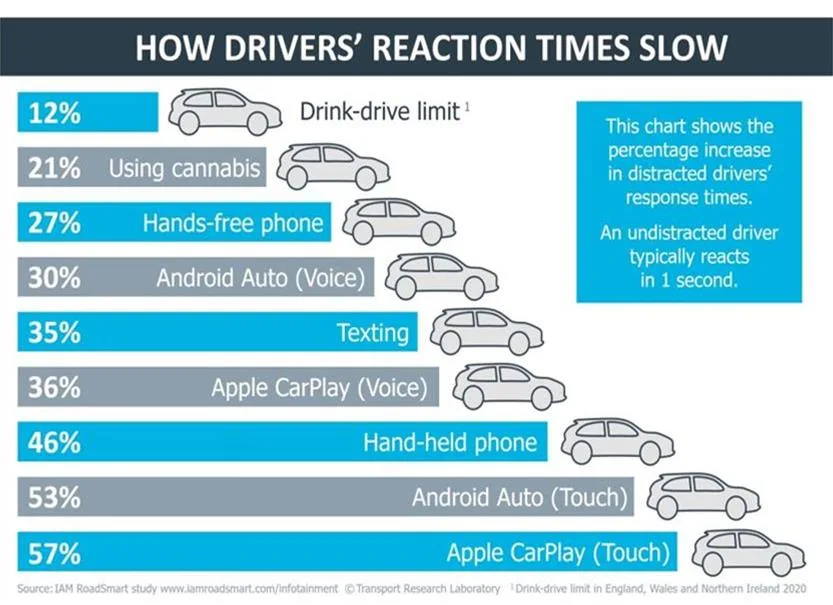
You know that holding a phone is dangerous. But the risks go deeper than most people realize. Even a hands-free call changes how your brain handles driving.
Cognitive distraction is real
Research from the AAA Foundation for Traffic Safety shows that hands-free conversations still create a mental workload that interferes with driving. Your brain splits its attention. You process visual information slower.
You miss things like brake lights, pedestrians, and changing traffic signals. The conversation itself is the distraction, not just the phone in your hand.
The "looked but didn't see" phenomenon
This is common in hands-free drivers. You look right at a car or a person, but your brain does not register them because it's busy with the phone call. This is called inattentional blindness.
It happens even when your eyes are on the road.
Hands-free does not mean risk-free
Here is the data. Studies show that hands-free phone use increases crash risk by roughly 2 to 3 times compared to driving without a call. That is less than handheld use, which increases risk by about 4 times.
But it is still a significant jump. The belief that "hands-free is safe" is exactly what makes it dangerous. You let your guard down.
Your insurance rates are at stake
A distracted driving ticket can raise your insurance premium by 15 to 25 percent. Some insurers treat hands-free violations the same as handheld ones. A single ticket can cost you hundreds of dollars per year for three years or more.
The fine is just the beginning.
Legal liability in a crash
If you cause an accident while using a hands-free device, the other driver's lawyer will look at your phone records. If you were on a call, even legally, you can be found partially at fault. That can affect your insurance payout and expose you to lawsuits.
A legal call does not mean a safe call.
Mistakes Drivers Make That Still Lead to Tickets
Most tickets happen because drivers assume something is fine when it is not. These are the most common errors we see in our research.
Thinking a red light means "stopped"
You are still operating the vehicle. The law applies at red lights, stop signs, and in traffic jams. If your engine is running and you are in the driver's seat, you cannot hold your phone.
Pull over and turn off the car if you need to use it.
Using the phone to change music
Streaming apps like Spotify or Apple Music require scrolling and tapping. Even a quick swipe to skip a song counts as handheld use in most states. Use steering wheel controls or voice commands.
Set your playlist before you drive.
Assuming phone mounts make everything legal
A phone mount is great for compliance. But it does not give you permission to touch the screen. The mount gets the phone off your body.
You still cannot type, scroll, or swipe. Some officers will ticket you for a screen tap even if the phone is mounted.
Forgetting about the passenger seat
Handing your phone to a passenger does not solve the problem. The law applies to the driver's actions. You cannot dictate texts to a passenger and have them type for you while you drive.
That is still distracted driving in the eyes of a ticket.
Ignoring "Do Not Disturb While Driving"
Your phone has a built-in tool to help you comply. Apple's "Do Not Disturb While Driving" and Android's "Driving Mode" silence notifications and auto-reply to texts. Many drivers never turn these on.
That is a missed opportunity. It takes two minutes to set up and can save you from a ticket.
How to Set Up Your Car for Real Compliance
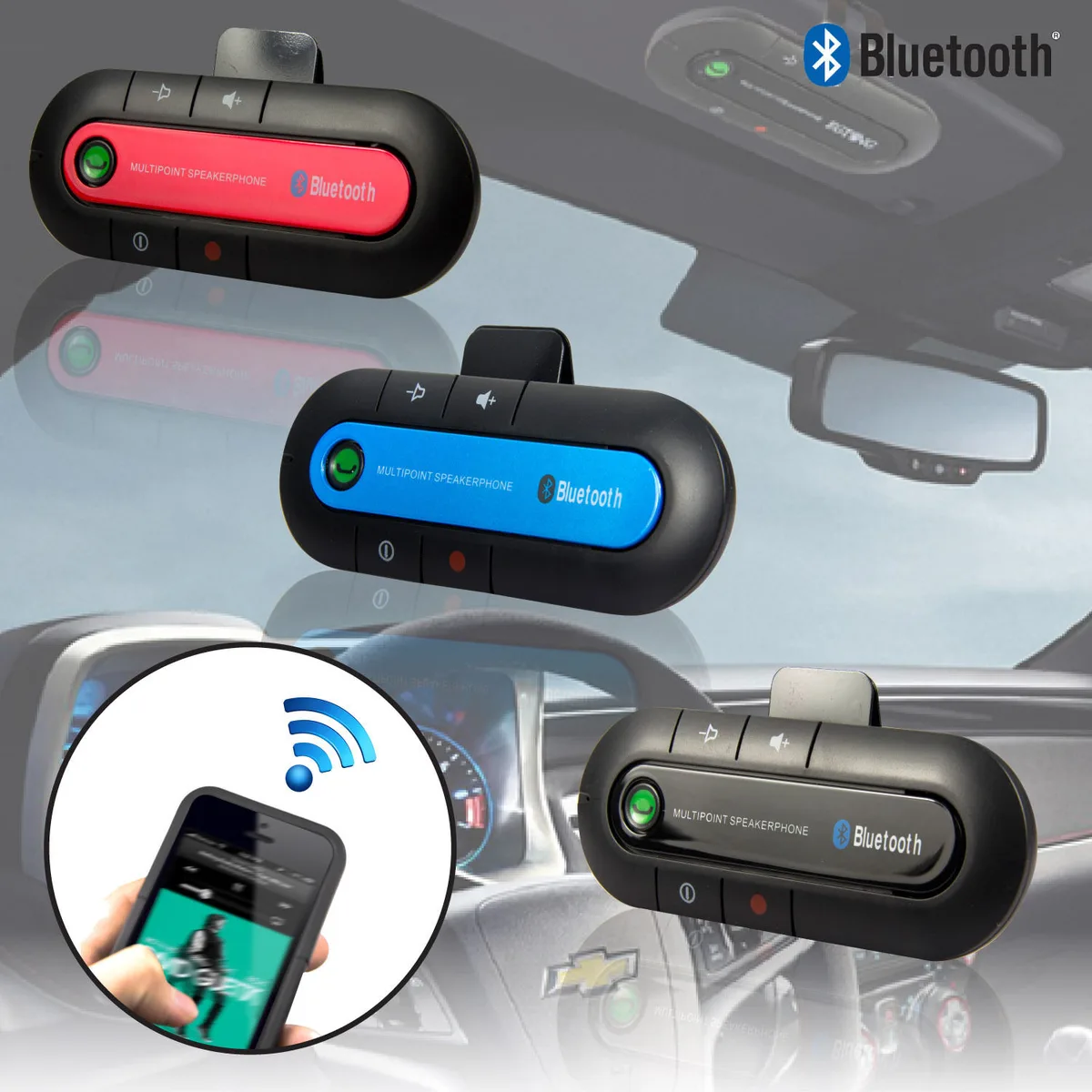
Getting your car ready for hands-free driving is simple. It takes less than ten minutes. Here is the process.
Pair your phone with your car's Bluetooth
Open your phone's Bluetooth settings. Put your car's infotainment system into pairing mode. Select your car from the list of available devices.
Confirm the pairing code. That is it. Your calls will now route through the car's speakers and microphone automatically.
Mount your phone in the right spot
Place your phone mount within easy reach and line of sight. The best spot is to the left or right of the steering wheel, at eye level or slightly below. Do not mount it where it blocks your view of the road or any dashboard warning lights.
Do not mount it low near the gearshift where you have to look down to see it.
Set up voice commands
Most modern cars have voice control buttons on the steering wheel. Learn how to use yours. Practice saying "Call [name]" or "Navigate to [address]" before you need it.
Voice commands are the closest thing to fully legal phone use while driving.
Enable your phone's driving mode
On an iPhone, go to Settings, then Focus, then Driving. Turn on "Activate With CarPlay" or "Automatically" so it engages when you start driving. On Android, look for "Driving Mode" in the Settings menu under "Digital Wellbeing" or "Connections." Test it once to make sure it works.
Test your setup before you need it
Call a friend while parked. Ask them how you sound. Make sure the microphone works and the audio is clear.
Nothing is worse than fumbling with settings while trying to take a call at 60 miles per hour.
What to Do If You Get a Ticket
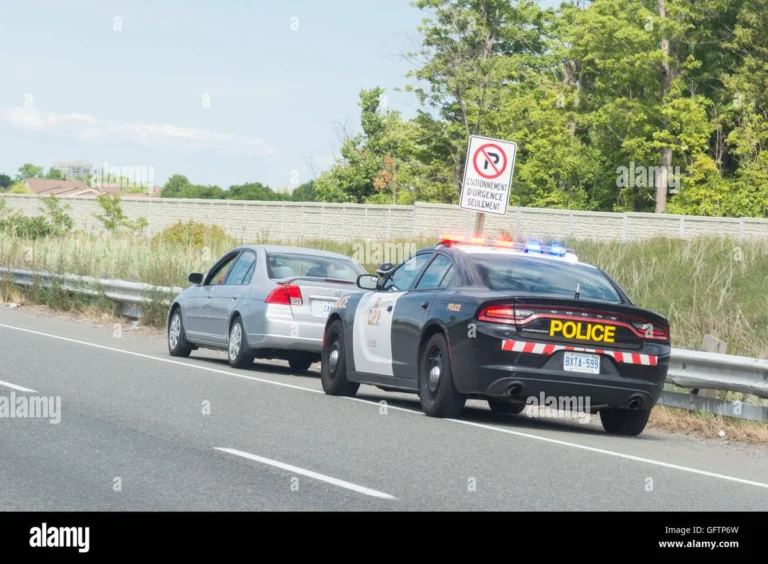
A hands-free ticket is still a moving violation. It can add points to your license and increase your insurance rates. Here is what to do if you get one.
Do not argue on the side of the road
Accept the ticket calmly. Do not argue with the officer. You can contest it later in court.
Arguing at the scene rarely helps and often makes things worse.
Check the law for exceptions
Did the officer get it wrong? Some drivers get ticketed for using a phone that was mounted and used with voice commands. If you were truly compliant, you may have a defense.
Check your state's exact wording. If you were pulled over in a secondary enforcement state and the only reason was the phone, the ticket may be invalid.
Consider a traffic diversion program
Many states offer driver safety courses or diversion programs for first-time distracted driving tickets. Completing the program can dismiss the ticket or reduce the fine. It also prevents points from going on your record.
Check with the court listed on your citation.
Hire a traffic lawyer if the fine is high
For serious fines or multiple points, a traffic lawyer can help. They know the local court. They can negotiate a reduction or dismissal.
The cost of a lawyer is often less than the insurance increase from a guilty plea.
Learn from it
A single ticket is a wake-up call. Use it as motivation to change your habits. Mount your phone.
Enable driving mode. Stop picking up the phone at red lights. The cost of the ticket is small compared to the cost of a crash.
Where the Laws Are Toughest
Some states and provinces take phone use seriously. California, New York, and Washington have some of the highest fines and strictest enforcement. British Columbia and Ontario are similar in Canada.
These places also use automated enforcement. Cameras catch drivers holding phones. Tickets arrive in the mail.
You do not get a warning.
For commercial drivers, the FMCSA imposes fines up to $2,750 per offense. Employers can face $11,000 penalties per violation.
Will a Hands-Free Device Protect You in Court?
Not automatically. The court looks at what you did, not what you used. A hands-free device helps your case.
But if you were distracted and caused a crash, you can still be found negligent.
The device must be genuinely hands-free. If you held it, tapped it, or scrolled, the defense crumbles. Voice commands and single taps are the safest.
Final Advice: What a Real Expert Wants You to Know
The law is clear. Hands-free is legal. But it is not risk-free.
Use a phone mount. Enable driving mode. Take calls only when necessary.
If in doubt, pull over. Your life and your license are worth more than any conversation.
Frequently Asked Questions
Can I check my phone while stopped at a red light?
No. The law applies while your car is stationary in traffic. You must be safely parked off the road.
Is hands-free really safer than handheld?
Studies show it reduces crash risk. But it still increases crash risk compared to driving without any call.
Do phone mounts make phone use legal?
Mounts help with compliance. But touching the screen while driving is still illegal in most hands-free states.
What happens if I get a ticket in another state?
Your home state may honor the points. Your insurance will likely increase. Pay the fine or contest it in that state's court.
Can I use my phone for GPS navigation?
Yes, but set the destination before driving. Voice commands are safest. Touchscreen scrolling while moving is illegal.