One of the most confusing questions Arizona drivers face is what happens when they get pulled over on a reservation. The short answer is that tribal laws generally apply, but the full picture depends on where exactly you are and who you are. Here is what you need to know to stay safe, legal, and informed.
In Arizona, tribal lands cover roughly 20 million acres. That is about 28 percent of the state. You are likely to cross reservation boundaries on major highways like I-40, US-160, or AZ-87.
Whether you are commuting, touring, or just passing through, knowing the jurisdiction rules can save you a costly mistake.
Quick Answer
Tribal governments hold authority over roads within their reservations. Non-members must obey tribal traffic laws on those roads. Tribal police can stop you, issue citations, and take you to tribal court.
State law sometimes also applies on right-of-way highways. Always know which reservation you are on. Respect tribal law enforcement.
Drive cautiously.
Why This Matters for Arizona Drivers
Arizona has 22 federally recognized tribes, each with its own traffic code and police force. That is a lot of different rules to keep straight. If you are driving through the Navajo Nation, for example, you are subject to Navajo traffic law on roads entirely within the reservation.
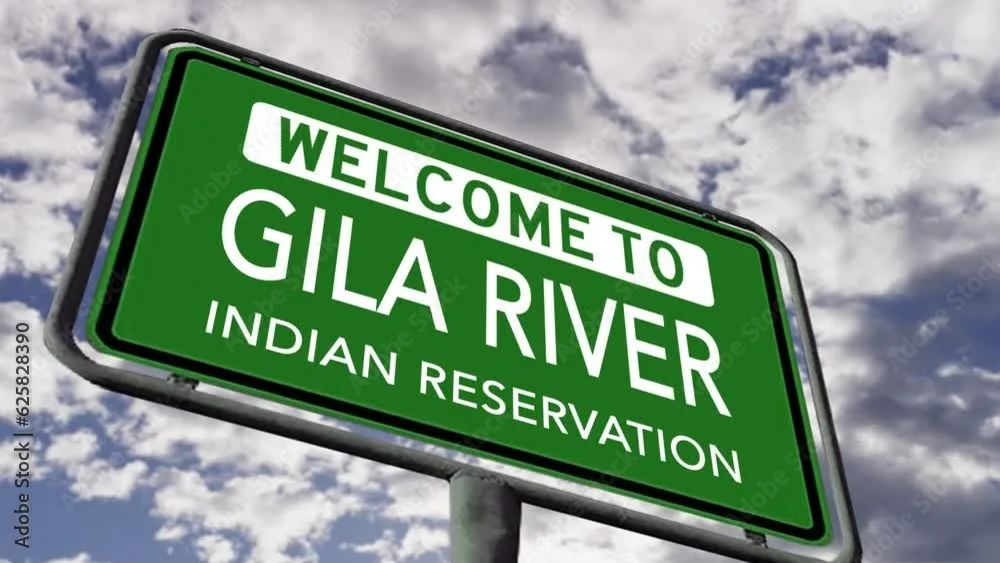
The biggest mistake drivers make is assuming every road in Arizona is covered by the state highway patrol. That is not true. On trust land within a reservation, tribal police have exclusive jurisdiction.
On fee land, it can get even messier. You need to know where you are and who has authority.
This matters for insurance claims too. If you get in an accident on tribal land, the reporting process may differ from what you are used to. Some tribal courts require a different approach for crash reports and claims.
Understanding the basic rules ahead of time keeps you from learning them the hard way.
If you want a broader look at what it means to keep your car in good shape through all kinds of driving conditions, check the general tips on our blog.
What "Indian Country" Means for Your Drive (18 U.S.C. § 1151)
The legal term "Indian Country" comes from federal law. It is defined in 18 U.S.C. § 1151. It covers three types of land:
- All land within the boundaries of an Indian reservation, regardless of who owns it
- All dependent Indian communities
- All Indian allotments still under federal trust
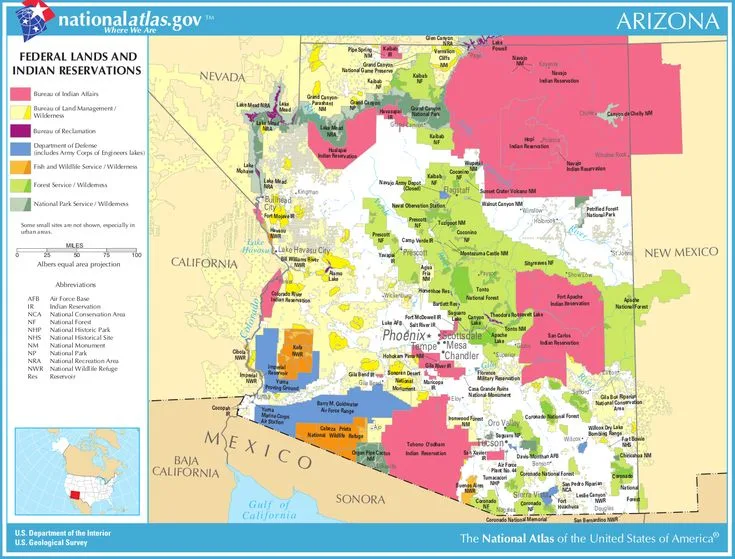
For drivers, the first part is the most important. If you are inside the exterior boundaries of a reservation, you are in Indian Country. That includes state highways that pass through the reservation unless a specific agreement gives the state jurisdiction.
In Arizona, many highways are on right-of-way agreements where the state maintains the road but the tribe retains law enforcement authority.
What this means for you: just because you see a green highway sign does not mean you are under ADOT jurisdiction. You could be driving on a state highway through the Salt River Pima-Maricopa Indian Community and still answer to tribal police.
Tribal land jurisdiction is layered. Trust land and fee land can be mixed within reservation boundaries. Always check signage.
The Three Land Types That Change Who Is in Charge
Jurisdiction often comes down to what kind of land you are on. The land itself determines which government has primary authority.
Trust land is owned by the United States in trust for a tribe or an individual member. On trust land, the tribal government has primary authority. That includes traffic enforcement.
Fee land is land within the reservation that is owned outright by a person or company. It is not held in trust. On fee land, state jurisdiction can sometimes apply, but it depends on the specific reservation and any agreements in place.
Allotted land is an older category. It refers to parcels given to individual tribal members under the Dawes Act. Many still exist within reservations.
Jurisdiction is often split.
| Land Type | Who Owns It | Primary Traffic Authority |
|---|---|---|
| Trust land | Federal government in trust for tribe or member | Tribal government |
| Fee land | Private owner (tribal or non-tribal) | State or tribal (depends on agreement) |
| Allotted land | Individual tribal member | Tribal government (generally) |
If you are driving on trust land, expect tribal laws to apply fully. On fee land, it is more of a gray area. In practice, tribal police can still enforce traffic laws on fee land within the reservation boundaries.
Who Enforces Traffic Laws on Tribal Roads
Multiple agencies can have authority, but they do not all show up the same way.
Tribal police are the primary law enforcement on most reservations. They have full authority to stop any vehicle on reservation roads, including non-members. They can issue citations, arrest you for DUI, and impound your vehicle.
BIA law enforcement operates in some areas where tribal police do not have coverage. The Bureau of Indian Affairs has officers assigned to many reservations. Their authority is similar to tribal police.
County sheriffs have jurisdiction on fee land within some reservations. In Maricopa County, sheriff's deputies can respond on fee land in the Salt River and Gila River communities. This depends on cross-deputization agreements.
ADOT has authority on state highways, but only where an agreement transfers jurisdiction. On most state highways crossing reservations, ADOT maintains the road but does not have law enforcement authority.
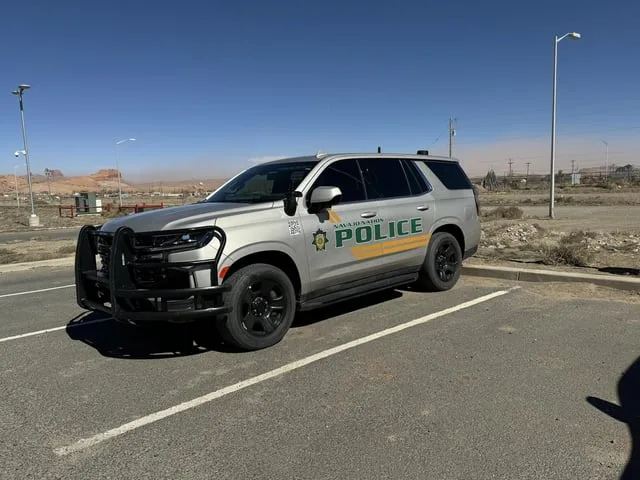
A good rule of thumb: if you see a tribal police vehicle with lights, pull over immediately. Do not assume you are immune because you are not a tribal member.
Your Rights During a Traffic Stop on Tribal Land as a Non-Member
Tribal police have the same authority to stop you as any other law enforcement officer. If you see flashing lights behind you on a reservation road, pull over safely. Stay calm and keep your hands visible on the steering wheel.
You have the right to remain silent. You also have the right to refuse a vehicle search if there is no probable cause. These rights come from the U.S.
Constitution. They generally apply on tribal lands. However, tribal courts may interpret certain procedural rights differently than state courts.
If you are a non-member, you can ask whether the officer is cross-deputized with the county. That matters because cross-deputized officers can charge you under state law in addition to tribal law. Most tribal officers in Arizona do have cross-deputization agreements, but it varies by nation.
Do not argue jurisdiction at the roadside. That is a conversation for the courtroom. Be polite and follow the officer's instructions.
If you believe the stop was unlawful, document everything and contact an attorney who specializes in tribal law.
One thing many drivers overlook is that your tribal traffic stop could affect your state driving record. Some tribes share citation data with Arizona MVD through reciprocity agreements. Others do not.
It depends on the specific nation and the type of violation.
How Tribal Traffic Citations Work: Fines, Courts, and Payment Options
If a tribal officer issues you a citation, you will typically need to appear in tribal court or pay a fine. The process is similar to a state traffic ticket but with some important differences.
Tribal fines vary widely. A speeding ticket on the Navajo Nation might run between $100 and $300. On the Tohono O'odham Nation, fines can be higher for certain violations.
Each tribe sets its own fine schedule that does not match Arizona state guidelines.
You can usually pay a tribal citation by mail or online. Each nation has its own court system and payment procedures. The Navajo Nation allows online payments through its judicial branch website.
Smaller tribes may require payment by mail or in person at the tribal court.
If you choose to contest the citation, you will appear in tribal court. Tribal court proceedings can feel different from state court. They may follow traditional customs alongside formal legal procedures.
As a non-member, you have the right to legal representation. Bring an attorney if you can.
Failure to pay or appear can result in a warrant for your arrest. Some tribes have extradition agreements with Arizona counties. Others enforce warrants only within the reservation.
Either way, ignoring the ticket is not a good strategy.
Accidents on Tribal Land: Reporting, Insurance, and Jurisdiction Confusion
Getting into a crash on tribal land adds a layer of complexity. Call tribal police first, not the county sheriff. Tribal officers will handle the initial response and crash report.
Insurance claims on tribal land can get tricky. Some insurance companies treat tribal court judgments differently than state court judgments. Your policy likely covers accidents anywhere in the United States, including tribal lands.
But the claims process may take longer if the other driver is a tribal member and the accident occurred on trust land.
Exchange information just like any other accident. Get the other driver's name, insurance details, and vehicle information. Take photos of the scene if it is safe to do so.
Witness statements are valuable, especially if jurisdiction becomes an issue later.
If the crash involves serious injury or death, federal jurisdiction may come into play. Major crimes on Indian Country are often handled by the FBI or BIA. The local tribal police will secure the scene, but federal agents may take over the investigation.
Check your insurance policy before you travel through reservations. Make sure you have uninsured motorist coverage. Some drivers on tribal lands may have limited insurance or none at all.
Common Mistakes Arizona Drivers Make on Reservations
The biggest mistake is assuming you will not get pulled over. Tribal police actively patrol reservation roads. They run speed traps and DUI checkpoints just like any other law enforcement agency.
Another common error is driving with an expired registration or no insurance. Tribal police check these things. If your tags are expired, you can get a citation on the reservation just like anywhere else.
Keep your documents current before you travel.
Some drivers think they can refuse to identify themselves to tribal police. That is not true. Arizona law requires drivers to provide their license, registration, and proof of insurance when stopped by any law enforcement officer.
Tribal officers have the same authority to request these documents.
Ignoring tribal court summons is a frequent and costly mistake. If you get a citation and fail to respond, the tribal court can issue a warrant. That warrant can follow you across state lines in some cases.
Do not treat tribal citations as optional.
Speeding through reservation construction zones is another bad habit. Many tribal roads have reduced speed limits near schools, housing areas, or cultural sites. Watch for signs indicating lower limits.
The fines are often doubled in construction zones.
DUI on Tribal Lands: Stricter Limits, Different Consequences
Driving under the influence on tribal land carries serious penalties. Many Arizona reservations have a blood alcohol concentration limit of 0.08 percent, matching state law. Some tribes set a lower limit of 0.04 percent for commercial drivers.
The consequences of a DUI on tribal land can include jail time, heavy fines, and vehicle impoundment. Some tribes also impose community service or traditional healing programs as part of sentencing. The specifics vary by nation.
If you refuse a breathalyzer test on tribal land, you may face administrative penalties. Arizona's implied consent law generally applies on state highways within reservations. Tribal law may impose additional consequences for refusal, including automatic license suspension.
A DUI conviction in tribal court may or may not show up on your state driving record. It depends on whether the tribe has a data-sharing agreement with Arizona MVD. The Navajo Nation and the Tohono O'odham Nation have such agreements.
Other tribes may not.
Do not drive after drinking on any road in Arizona. The penalties are severe. The jurisdictional complexity only makes things worse.
If you plan to drink at a casino or event on tribal land, designate a sober driver or use a ride-hailing service.
Real Scenarios: Navajo Nation vs. Tohono O'odham vs. Salt River
Each tribe handles traffic enforcement a little differently. Knowing the specific rules for the nations you cross most often can save you surprises.
Navajo Nation is the largest reservation in Arizona. It covers parts of Arizona, New Mexico, and Utah. Tribal police are very active along US-160, US-191, and AZ-264.
Speeding tickets are common. The Navajo Nation has a data-sharing agreement with Arizona MVD, so citations can affect your state driving record. DUI penalties are strict.
You can pay tickets online through the Navajo Nation judicial branch website.
Tohono O'odham Nation covers a large area in southern Arizona near the Mexico border. This nation issues its own driver's licenses. If you are stopped, you must show your state license or a tribal license.
The nation has a blood alcohol limit of 0.08 percent for most drivers. Tribal police patrol AZ-86 and AZ-85. Tickets can be paid through the Tohono O'odham judicial branch.
Salt River Pima-Maricopa Indian Community is near Scottsdale and Mesa. It covers busy roads like the Loop 101 freeway and portions of AZ-87. Tribal police are very visible.
The community has cross-deputization agreements with Maricopa County. That means officers can enforce both tribal and state law. Speeding fines tend to be higher here due to the proximity to metro Phoenix.
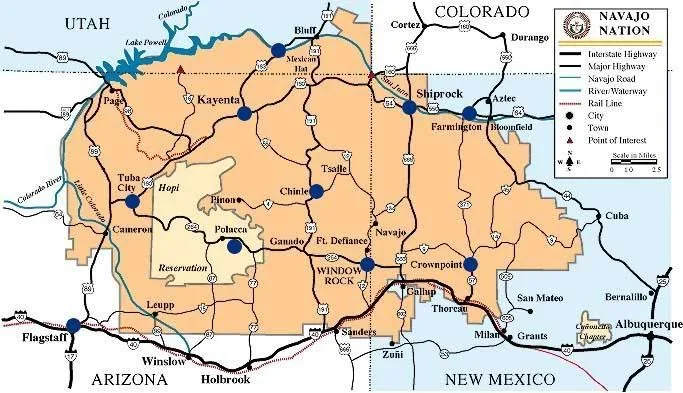
The image above shows a typical highway crossing the Navajo Nation. Notice the signage indicating tribal jurisdiction. These signs are your cue to adjust your driving accordingly.
Other major nations to be aware of include the Hopi Reservation (surrounded entirely by Navajo Nation), the Gila River Indian Community (near I-10 south of Phoenix), and the White Mountain Apache Tribe (eastern Arizona near popular recreation areas). Each has its own traffic code and enforcement priorities.
Verified Summary: What to Remember Before You Drive
Before you head out on roads that cross tribal lands, take a minute to prepare. Here is a quick checklist based on everything we have covered.
Know the reservation boundaries on your route. Check a map before you leave. If you are driving through the Navajo Nation on US-160 or through the Salt River Community on the Loop 101, be ready for tribal police presence.
Keep your documents current. Expired registration or missing insurance gets you a ticket on tribal land just like anywhere else. Make sure your license, registration, and proof of insurance are all valid and easy to reach.
Follow all traffic laws carefully. Speed limits, stop signs, and DUI limits apply. Some reservations have lower speed limits than neighboring state roads. Watch for posted signs and obey them.
Respect tribal law enforcement. Tribal police have full authority to stop you, issue citations, and arrest you. Arguing jurisdiction at the roadside does not help. Stay polite, comply, and handle disputes in court later.
Understand the potential impact on your driving record. Some tribes share citation data with Arizona MVD. A ticket on the Navajo Nation can add points to your state license. Know which nations have reciprocity before you drive.
Plan for accidents. If you crash on tribal land, call tribal police first. Exchange information and document the scene. Contact your insurance company promptly and explain the jurisdiction.
Frequently Asked Questions
Can tribal police pull me over if I am not a tribal member?
Yes. Tribal police have authority over all drivers on reservation roads, regardless of membership. They can stop you for traffic violations, issue citations, and arrest you for offenses like DUI.
Will a tribal traffic ticket affect my Arizona driving record?
It depends on the tribe. The Navajo Nation and the Tohono O'odham Nation have data-sharing agreements with Arizona MVD. Tickets from those nations can add points to your license.
Other tribes may not share data.
What happens if I ignore a tribal citation?
The tribal court can issue a warrant for your arrest. Some tribes have extradition agreements with Arizona counties. Others enforce warrants only within the reservation.
Ignoring the ticket is never a good idea.
Do I need a special license to drive on tribal land?
No. Your valid Arizona driver's license is sufficient for non-members driving on reservation roads. Some tribes like the Tohono O'odham Nation issue their own licenses, but those are for tribal members.
You do not need one.
Is Arizona a Public Law 280 state for tribes?
No. Arizona is not a Public Law 280 state. Criminal jurisdiction on most tribal lands in Arizona remains with the federal government and tribal governments, not the state.
There are limited exceptions, but this rule applies to most reservations.
What should I do if I get into an accident on tribal land?
Call tribal police to report the crash. Exchange insurance information with the other driver. Document the scene with photos if possible.
Contact your insurance company and let them know the accident occurred on tribal land so they can handle the claim correctly.