Registering a neighborhood electric vehicle in Arizona isn't complicated, but it does require knowing exactly what qualifies under state law. If you have a golf cart with headlights bolted on, you are probably out of luck. But if you own a factory built low-speed vehicle, the process is straightforward.
This guide walks through the Arizona neighborhood electric vehicle registration requirements so you can get your NEV tagged and on the road without headaches.
Under Arizona Revised Statutes Title 28, a low-speed vehicle must have a top speed of at least 20 mph but no more than 25 mph. It also needs specific safety equipment like seat belts, mirrors, and turn signals. As of 2026, the state maintains a clear distinction between NEVs and traditional golf carts.
The registration process reflects that difference. For more Arizona vehicle ownership tips, check out our Blog.
Quick Answer
Arizona neighborhood electric vehicle registration requires a qualifying low-speed vehicle. You need a VIN inspection, proof of insurance, and the title. Submit your application online or in person at an MVD office.
Fees run about $50 to $75 for the first registration. You must have a valid Arizona driver's license.
Is Your Vehicle Actually an NEV? (The Qualifying Question)
This is the first fork in the decision tree. Not every electric cart qualifies for road registration in Arizona. The state follows federal guidelines from the National Highway Traffic Safety Administration.
A low-speed vehicle must meet specific safety and performance standards.
The core requirements are:
- Top speed between 20 and 25 mph on a flat surface
- Gross vehicle weight rating under 3,000 pounds
- Factory installed safety equipment including headlights, taillights, brake lights, and turn signals
- Seat belts for every seating position
- A parking brake that holds on a grade
- Rearview mirrors on both sides
- A windshield that meets DOT standards
- A permanent 17-character VIN
If your vehicle has a VIN that starts with something other than a standard passenger car code, do not worry. Most NEVs have unique manufacturer prefixes. The MVD checks the VIN against a national database during the inspection.
What does not qualify? Golf carts, unless they were manufactured specifically as LSVs. Adding lights and mirrors to a standard golf cart does not make it street legal in Arizona. The state requires the vehicle to meet federal safety standards from the factory.
Aftermarket conversions rarely pass the VIN inspection.
If you are unsure, check the manufacturer's certificate of origin or the window sticker. Look for "Low-Speed Vehicle" or "LSV" in the vehicle description. That is your golden ticket.
What Arizona Law Says About Low-Speed Vehicles
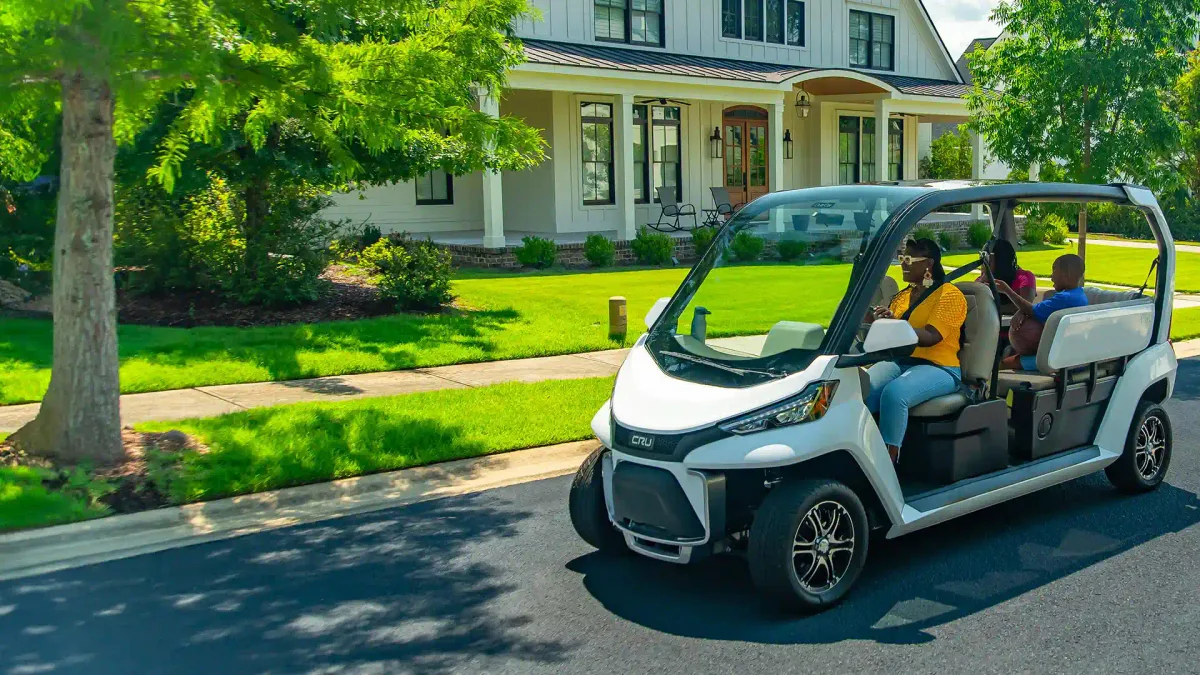
Arizona law treats NEVs as a distinct class of motor vehicle. They are not cars, but they are not golf carts either. The rules come from ARS 28-2514, which adopts the federal low-speed vehicle standards almost verbatim.
Here is what the law covers:
- NEVs can only operate on roads with a posted speed limit of 35 mph or less
- They can cross roads with higher speed limits at intersections
- They must follow all traffic laws that apply to regular vehicles
- Drivers must have a valid Arizona driver's license
- NEVs need liability insurance just like any other motor vehicle
The law also requires that NEVs have a VIN that matches the title. That sounds simple, but it is one of the most common hang-ups people face. If you buy a used NEV from out of state, the VIN on the vehicle must exactly match the VIN on the title.
A single digit off means you are starting over.
What about emissions? NEVs are electric, so they are exempt from Arizona emissions testing. That is one less hoop to jump through. You do not need a smog check or any special environmental certification.
The law also clarifies that NEVs cannot be modified to exceed 25 mph. If you upgrade the motor or controller to go faster, the vehicle no longer meets the LSV definition. You would have to register it as a modified vehicle.
That opens up a whole new set of requirements including crash testing compliance. Nobody wants that.
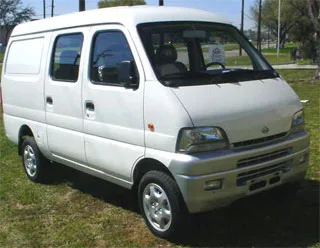
The Registration Decision Tree: Which Path Applies to You?
The registration process depends on where you got your NEV and its current status. Think of it as a decision tree with three main branches. Your path determines what documents you need and which forms to fill out.
Your Vehicle is New from a Dealer
This is the simplest route. The dealer provides the manufacturer's certificate of origin. That document proves the vehicle has never been registered before.
You take that to the MVD along with your bill of sale and proof of insurance.
The dealer may offer to handle the registration for you. That is convenient, but confirm they will do it. Some dealers leave it to the buyer.
If they do handle it, you will get your plate and registration in the mail within a few weeks.
Documents needed:
- Manufacturer's certificate of origin
- Bill of sale
- Proof of insurance
- Valid Arizona driver's license
- VIN inspection (still required even on new vehicles)
Your Vehicle is Used from a Private Party
This branch has more steps. You need a signed title from the previous owner. The seller must complete the assignment of title section on the back.
If there is a lien, you need a lien release too.
The VIN inspection is critical here. The inspector verifies the VIN matches the title and that the vehicle has all required safety equipment. If the seller removed the seats or modified the lighting, the inspector will flag it.
You will have to fix those issues before you can register.
Watch out for: Title jumping. That is when someone sells a car without putting the title in their name first. They sign the original owner's name and hand it to you.
Arizona MVD spots this immediately. You will need the seller to get the title transferred to them first, or walk away from the deal.
Your Vehicle Came from Out of State
This branch adds complexity. Out of state NEVs might have different equipment standards. California NEVs, for example, often have slightly different lighting requirements.
Arizona will accept them if they meet the federal LSV standard, but the VIN inspector may ask questions.
You will need the out of state title or registration. If the vehicle has a salvage or rebuilt title from another state, Arizona requires additional inspections. The MVD may ask for a level two inspection, which costs extra and takes more time.
Pro tip: Call the MVD before you buy an out of state NEV. Give them the VIN. They will tell you if there are any flags in the national database.
That can save you a headache later.
Step-by-Step Registration Process
Once you know your branch on the decision tree, the actual registration process is the same. Here is how it works from start to finish.
Getting Your VIN Inspection
The VIN inspection is mandatory for all vehicles being registered for the first time in Arizona. That includes NEVs, even if they are new. The inspection costs between $8 and $12 depending on where you go.
Where to get it done:
- Any MVD office in Arizona
- Authorized third party VIN inspectors (often at insurance offices or notaries)
- Some MVD locations offer mobile inspection services in certain areas
Bring the vehicle, the title or certificate of origin, and your ID. The inspector checks the VIN on the dashboard or frame against the paper documents. They also verify the safety equipment is present and functional.
If everything checks out, they stamp the inspection form.
The form is good for 30 days. Do not schedule your inspection too far ahead of your registration appointment.
Securing Proof of Insurance
Arizona requires liability insurance for NEVs. The minimum coverage is 25/50/15. That is $25,000 per person for injury, $50,000 per accident for injury, and $15,000 for property damage.
Most insurance companies offer policies specifically for low-speed vehicles. The premiums are usually lower than a standard car. Expect to pay between $200 and $500 per year depending on your driving record and the vehicle's value.
Important: Your insurance card must show the NEV's VIN. If the card lists a different VIN, the MVD will reject it. Double check when you get the policy.
Submitting Your Application
You have three options for submitting your registration application. Online is the fastest. In person is good if you have questions.
By mail works but takes longer.
Online at azmvdnow.gov: You will need to upload the VIN inspection form, proof of insurance, and pay the fees. The system processes most applications within 24 hours. Your plate and registration arrive in the mail within two weeks.
In person at an MVD office: Bring all your documents. The agent reviews everything on the spot. You get your plate and registration before you leave.
This is the best option if you need the vehicle on the road immediately.
By mail: Send your documents to the MVD's central processing address. Include a check or money order for the fees. Processing takes three to four weeks.
Not ideal, but it works.
All the Fees You Will Pay
The costs for Arizona neighborhood electric vehicle registration are modest compared to a standard car. But you still need to budget for them.
| Fee Type | Amount |
|---|---|
| Registration fee (biennial, based on vehicle value) | $10 to $50 per year |
| Title fee | $4.00 |
| VIN inspection fee | $8 to $12 |
| Plate fee (first time only) | Included in registration |
| Total first time registration | $50 to $75 |
The registration fee is calculated based on the vehicle's assessed value. For a new NEV worth $10,000, expect the higher end of the range. For an older used model worth $3,000, you will pay closer to $10 per year.
One thing people miss: Arizona registers NEVs on a two year cycle. Your first registration covers two full years. That means you will pay double the annual registration fee upfront.
But then you do not have to renew for 24 months.
Payment methods vary by submission type. Online accepts credit cards with a small convenience fee. In person offices take cash, checks, and cards.
By mail requires a check or money order.
If you are keeping your NEV long term, the ongoing costs are low. Registration renewal every two years costs about $20 to $100 total. That is a fraction of what you would pay for a standard car.
NEVs do not need gasoline, oil changes, or smog checks. For comparison, maintaining a proper car shampoo for PPF on a regular vehicle adds up quickly. An NEV cuts those costs dramatically.
Where You Can Legally Drive an NEV in Arizona
This is where most people get tripped up. You have registered your NEV, you have your plate, and you think you can drive anywhere. That is not how it works.
State Law: Roads 35 mph or Less
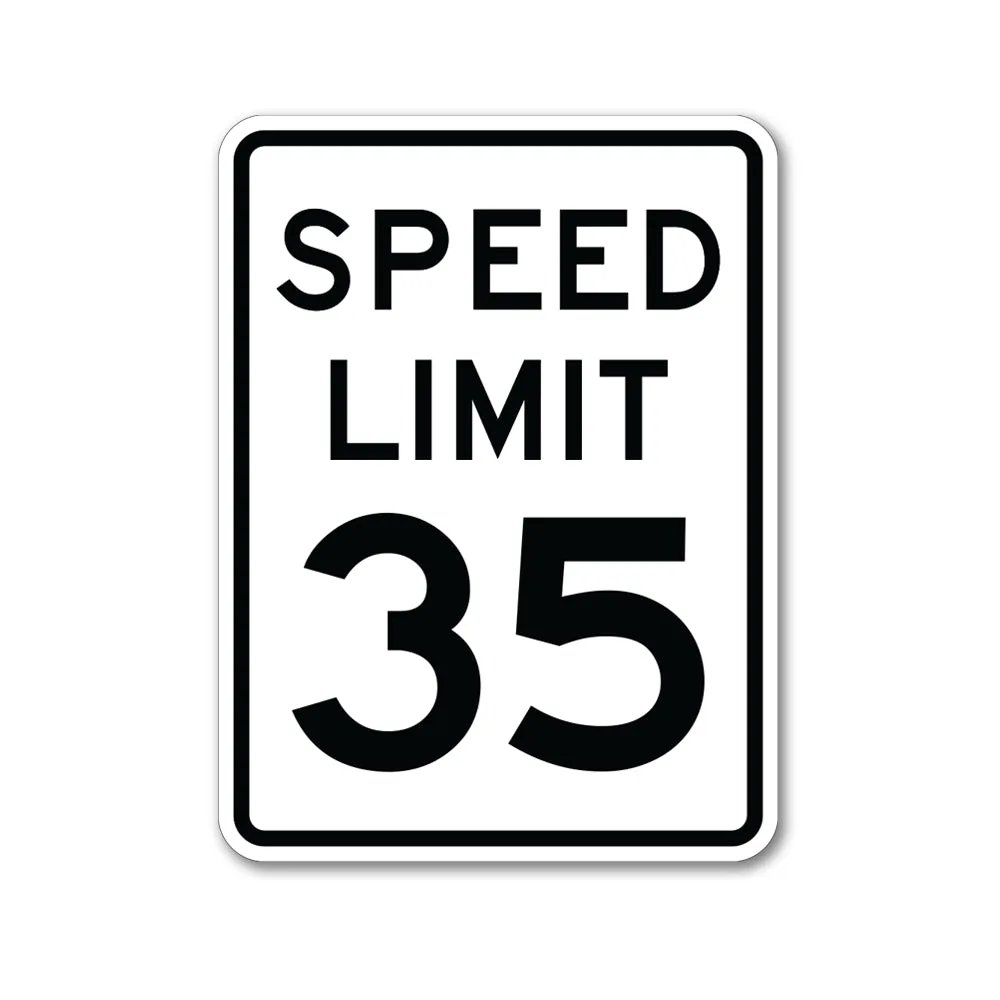
Arizona law limits NEVs to roads with a posted speed limit of 35 mph or less. You cannot drive on a 40 mph road, a 45 mph arterial, or a 55 mph highway. The one exception is crossing a higher speed road at an intersection.
What this means in practice:
- You are fine in residential neighborhoods and most subdivisions
- You can drive through local shopping centers if the connecting roads are 35 mph or less
- You cannot take your NEV to a big box store if the only route requires a 45 mph road
- You cannot cross a major intersection if the road itself exceeds 35 mph
Think of your NEV as a neighborhood vehicle in the truest sense. It works great for errands within a two to three mile radius of your home. Anything beyond that requires planning your route carefully.
Local City Ordinances That Add Restrictions
State law sets the floor. Cities and towns can add stricter rules on top. Many Arizona municipalities do exactly that.
Surprise restricts NEVs from designated arterial roads even if those roads have a 35 mph limit. Peoria requires NEV drivers to stay in the right lane and use hazard lights when turning. Maricopa County has specific rules about crossing controlled intersections. Scottsdale limits NEVs in certain commercial districts.
Always check your city's municipal code before you start driving. A quick call to the city planning department can save you a ticket. Some cities also require a local permit or registration sticker on top of the state plate.
If you live in a gated community or HOA, check those rules too. Some communities require NEV owners to register with the homeowners association and display a separate decal.
Common Registration Mistakes (and How to Avoid Them)
After watching Arizona NEV owners go through the process for years, the same mistakes pop up again and again.
Mistake 1: Skipping the VIN inspection. You cannot register an NEV in Arizona without a VIN inspection. Even if the vehicle is brand new. Even if you have the certificate of origin.
The inspection is mandatory. Schedule it first.
Mistake 2: Buying a golf cart hoping it qualifies. A golf cart with aftermarket lights is not a low-speed vehicle. It does not matter how many accessories you add. The MVD checks the manufacturer's designation, not the equipment list.
If the VIN does not identify it as an LSV, you are done.
Mistake 3: Forgetting to check the title before you buy. If you buy a used NEV from a private party, confirm the title is clean and matches the VIN. Look for liens, salvage stamps, or odometer discrepancies. One mismatch means you cannot register.
Mistake 4: Letting insurance lapse. Arizona runs random electronic verification checks. If your insurance drops off mid cycle, the MVD flags your registration. You will get a notice to pay a reinstatement fee and provide new proof of coverage.
Mistake 5: Ignoring local driving restrictions. You might register your NEV perfectly and then get a ticket the first time you drive it. Check city ordinances before you hit the road. Some cities have specific routes NEVs cannot use.
Keeping your vehicle clean helps avoid unwanted attention. Our guide on manual cleaning equipment using in car wash explains how to keep your NEV looking its best without damaging the finish.
What About Renewal? (Biennial Registration Explained)
Arizona registers NEVs on a two year cycle. Your first registration covers two full years from the issue date. You do not renew annually like you would with a standard car.
Here is what renewal looks like:
- The MVD sends a renewal notice by mail about 60 days before expiration
- You can renew online at azmvdnow.gov, by mail, or in person
- The renewal fee matches the registration fee you paid initially
- You will need to confirm your insurance is still active
What changes at renewal? Not much. You do not need another VIN inspection. You do not need a new title.
You just pay the fee and update your insurance information. The MVD sends you a new registration card and decal for your plate.
One thing to watch: If you move to a new Arizona address mid cycle, update your address with the MVD immediately. Your renewal notice goes to the address on file. If it gets forwarded late, you might miss the renewal window.
Late renewals come with a penalty. The fee is $20 plus any back fees owed for the lapsed period. If you let it lapse more than a year, you may need a new VIN inspection before you can renew.
Is an NEV Right for You? A Quick Decision Guide
Not everyone in Arizona is a good candidate for an NEV. Here is how to decide.
An NEV is a good fit if:
- You live in a neighborhood with roads that are 35 mph or less
- Your daily errands are within a two to three mile radius
- You want to reduce fuel and maintenance costs
- You have a garage or covered parking for charging
- You rarely need to drive on highways or major arterials
An NEV is a poor fit if:
- Your home is on a 45 mph road or higher
- You need to commute more than five miles each way
- You frequently carry passengers or cargo
- You live in an area with extreme summer heat and no covered parking
- You need to drive at night on unlit roads regularly
The cost comparison favors NEVs for short trips. You will spend about $100 to $200 per year on electricity versus $1,500 or more on gas for a standard car. Insurance is cheaper too.
But you sacrifice speed, range, and versatility.
If you already own a traditional vehicle and want something for quick neighborhood trips, an NEV makes sense. If this would be your only vehicle, think carefully about the limitations. A standard car or an electric car with highway capability might serve you better.
For keeping your NEV in top shape, proper washing is essential. Our article on what to expect in a drive through car wash covers what happens during an automated wash. You can also learn about how to protect your car from salt if you drive near treated roads in winter.
Frequently Asked Questions
How long does the NEV registration process take in Arizona?
If you complete the VIN inspection first and submit your application online, approval takes about 24 hours. Your plate and registration arrive in the mail within two weeks. In person at an MVD office, you can get the plate the same day.
Can I register a golf cart as an NEV in Arizona?
No. Golf carts do not meet federal low-speed vehicle safety standards. Even with aftermarket lights and mirrors, the MVD will not register a standard golf cart as an NEV.
You need a factory built LSV with a qualifying VIN.
Do I need a special driver's license to operate an NEV?
No. You need a standard valid Arizona driver's license. No motorcycle endorsement or special classification is required.
NEVs are classified as motor vehicles under Arizona law.
How much does it cost to register an NEV in Arizona?
First time registration costs between $50 and $75. That includes the VIN inspection fee, title fee, and biennial registration fee. Renewal every two years costs $20 to $100 depending on the vehicle's assessed value.
Can I drive my NEV on the sidewalk in Arizona?
No. NEVs are motor vehicles and must follow all traffic laws. Driving on sidewalks is illegal.
You must stay on roads with a speed limit of 35 mph or less and obey all traffic signals and signs.
What happens if I modify my NEV to go faster than 25 mph?
Your NEV no longer meets the low-speed vehicle definition under Arizona law. You would need to register it as a modified vehicle, which requires crash testing compliance and additional inspections. Most owners find this impractical and keep their NEVs at factory speed.