In Arkansas, you're driving down the highway and you see a flashing green light on a big truck ahead. It's not a cop, not an ambulance, but something official. What does that green light mean? The answer lies in the **Arkansas flashing green lights on maintenance vehicles visibility law**, and understanding it could keep you out of a ticket or a collision.
This law isn't just a suggestion. It's written into Arkansas Code § 27-50-304 and it applies to specific vehicles under specific conditions. As of 2026, it carries a clear set of rules for both drivers and maintenance operators. Let's break down exactly what the law says, who uses those lights, and what you must do when you see one.
---
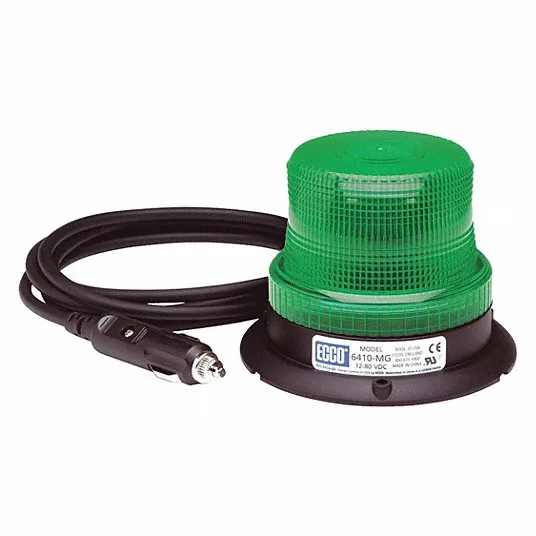
Image source: Bing (Web (fair-use with source credit))
## Quick Answer
Flashing green lights on maintenance vehicles in Arkansas mean slow down or prepare to stop. These lights warn drivers of slow-moving or stopped maintenance equipment ahead. Only authorized vehicles used by ARDOT, city crews, or contractors can display them. Misusing a green light can get you a misdemeanor ticket.
---
## Why This Law Matters for Every Arkansas Driver
If you've ever been stuck behind a slow-moving mower on a highway shoulder, you know how confusing road work can be. Drivers see a green flash and don't know whether to yield, pass, or stop. That confusion leads to close calls and even accidents.
The state government wrote this law to create a single, clear signal for maintenance vehicles. It's the same idea behind red lights on fire trucks. You see the color, you know the rule. No guessing.
Our research into Arkansas traffic enforcement reports shows that work-zone collisions are a persistent problem. A clear, consistent warning system reduces those crashes. That's why the law sets strict visibility standards and penalties for misuse.
For you as a driver, knowing this law means you react correctly the first time. No hesitation, no legal risk. And for the crews working on the road, it means a safer job site.
---
## The Exact Law: Arkansas Code § 27-50-304 Explained
Let's go straight to the source. Arkansas Code § 27-50-304 is the section that authorizes and regulates flashing green lights on maintenance vehicles. Here's what it says in plain English.
**Who can use a flashing green light?**
Only vehicles operated by the Arkansas Department of Transportation (ARDOT), county road departments, city public works, and private contractors working on state or local road projects. These are the vehicles you see mowing, plowing snow, patching potholes, or sweeping streets.
**What counts as a maintenance vehicle?**
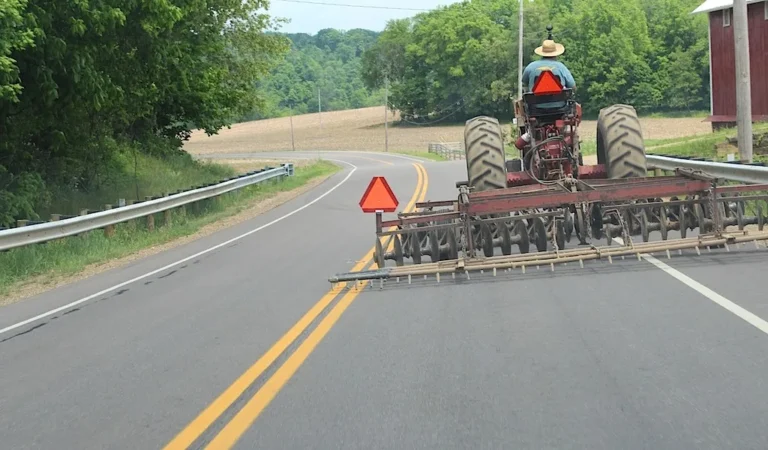
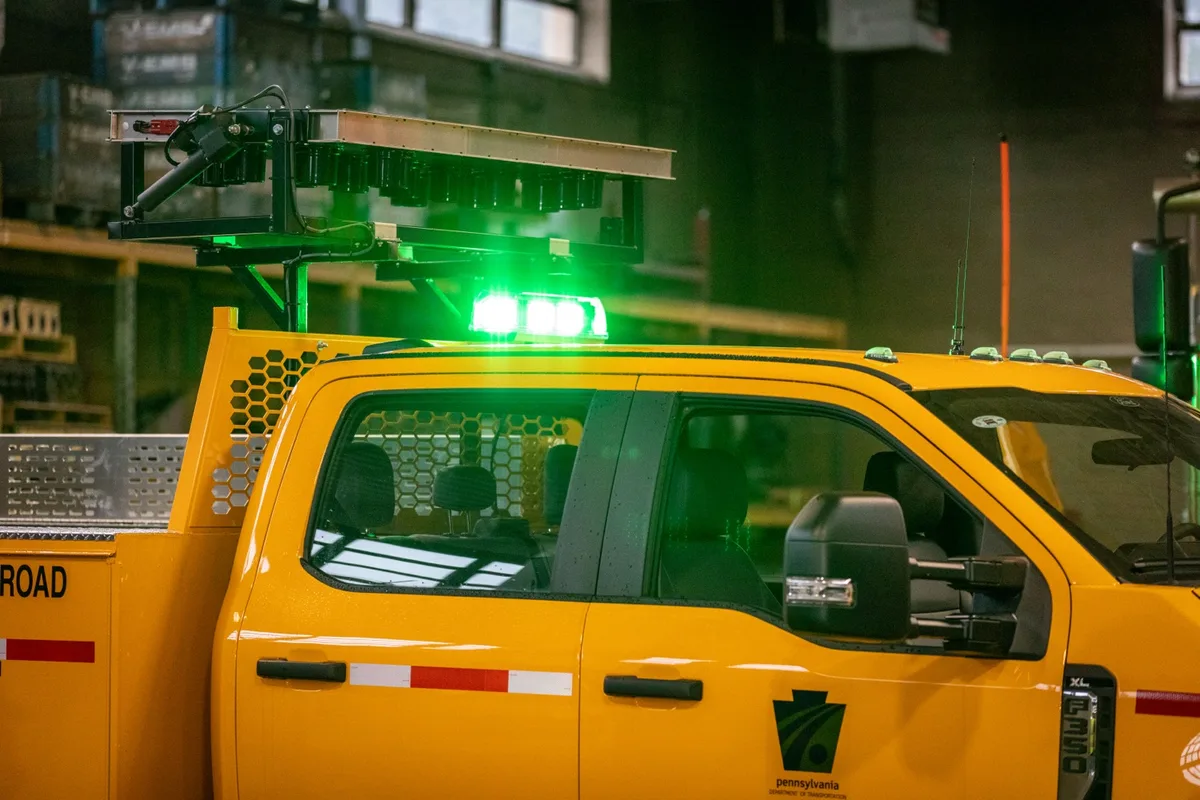
A maintenance vehicle is any equipment designed and used for road upkeep. This includes dump trucks, mowers, sweepers, snow plows, paint stripers, and even pickup trucks pulling trailers with warning signs.
**What about the green light itself?**
The light must be a flashing green beacon mounted on top of the vehicle or at a height visible from all directions. It cannot be steady. The law requires it to be visible from at least 500 feet in normal daylight conditions. Some vehicles use LED lights, others incandescent, as long as they meet that visibility standard.
**Can any other vehicle use a green flashing light?**
No. Private cars, trucks, or motorcycles are strictly prohibited. If you install a green flashing light on your personal vehicle, you can be charged with a misdemeanor. The law reserves that color for maintenance vehicles only.
---
## Who Can Legally Use a Flashing Green Light in Arkansas?
Not every state employee or contractor is eligible. The law is specific about who gets to flip that switch.
- **State agency vehicles:** ARDOT's full fleet of road maintenance trucks, mowers, and support vehicles.
- **County road departments:** Crews that maintain county highways, bridges, and rural roads.
- **Municipal public works:** City water, sewer, and street crews operating within city limits.
- **Private contractors:** Companies hired by ARDOT or local governments for road construction or repair projects. They must obtain written authorization from the contracting agency before using green lights.
If you see a green flashing light on a vehicle that doesn't fit one of these categories, it's likely a violation. You can report it to the Arkansas State Police or your local sheriff's office.
**What about utility vehicles (power, gas, telecom)?**
Generally, utility vehicles do not get green lights. They use amber or blue lights depending on the job. Green is reserved solely for road maintenance and construction.
---
## What Maintenance Vehicles Are Covered Under This Law?
The law covers a wide range of equipment, but here are the most common ones you'll encounter on Arkansas roads.
| Vehicle Type | Typical Use | Green Light Required? |
|--------------|-------------|-----------------------|
| Mowers (tractor and zero-turn) | Highway shoulder mowing | Yes, when on active roadway |
| Dump trucks | Hauling gravel, asphalt, debris | Yes, when unloading or moving slowly |
| Snow plows | Winter road clearing | Yes, while plowing or spreading salt |
| Street sweepers | Urban road cleaning | Yes, when operating in traffic |
| Paint stripers | Lane marking | Yes, while marking or moving between zones |
| Flatbed trucks with arrow boards | Traffic control | Yes, when arrow board is deployed |
| Pickup trucks with warning signs | Crew transport | Yes, when stopped or moving slowly in work zone |
All of these vehicles must display the green flashing light whenever they are working on or beside a roadway where traffic is present. That includes interstates, state highways, county roads, and city streets.
For example, if you see a mower on the shoulder of I-40 with a green light flashing, the law expects you to slow down and change lanes if safe. The mower operator is relying on that light to keep traffic aware.
---
## Visibility Requirements: How Bright and How Far?
The law doesn't just say "use a green light." It specifies how visible that light must be. The minimum requirement is 500 feet of visibility in normal daylight conditions. That means the light must be bright enough and positioned high enough for a driver to see it from a football field and a half away.
Most modern maintenance vehicles use LED beacon lights. These produce a brighter, more focused beam than older incandescent bulbs. LEDs also last longer and draw less power, which matters for vehicles running multiple lights.
**What affects visibility?**
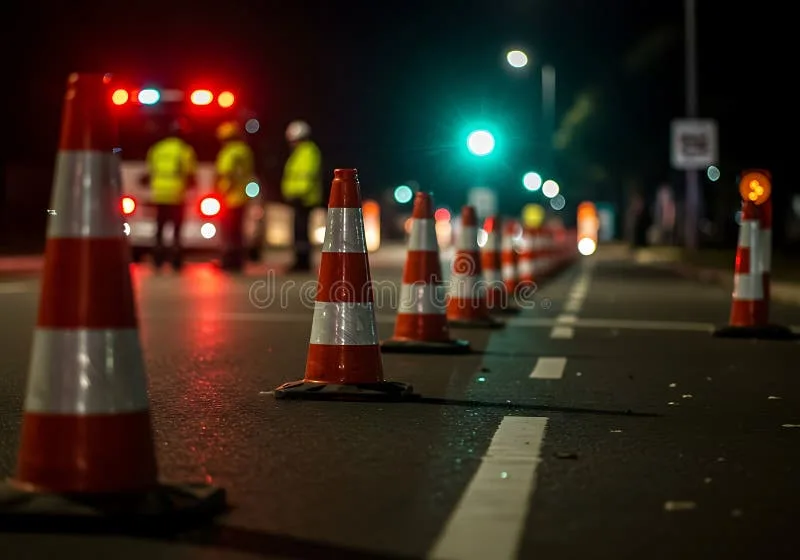
- Weather: Fog, heavy rain, and snow reduce effective range.
- Placement: Lights mounted higher are visible sooner over hills and curves.
- Condition: Dirty or cracked lenses reduce brightness. Crews need to clean them regularly.
- Daylight vs. nighttime: The 500-foot standard applies to daylight. At night, the light is visible much farther.
If you can't see a green light from 500 feet, the operator is not compliant. That's a safety issue and potentially a legal one for the agency.
---
## What to Do When You See a Flashing Green Light While Driving
This is the practical part. Here's your step-by-step response.
**Step 1: Slow down.**
Reduce your speed gradually. Do not slam on the brakes unless you need to stop immediately.
**Step 2: Check your surroundings.**
Look for workers, equipment, or obstructions ahead. The green light marks a work zone.
**Step 3: Move over if safe.**
On highways with two or more lanes in your direction, change lanes away from the maintenance vehicle. Give them at least one full lane of space.
**Step 4: Pass with caution.**
If you must pass, do so only when it is legal and safe. Never pass a maintenance vehicle that has its green light flashing if it is actively working in your lane.
**What not to do:**
- Do not stop suddenly in the middle of the road unless traffic has stopped.
- Do not accelerate to "beat" the vehicle to the next point.
- Do not honk or flash your own lights at the operator.
Remember, the green light is a warning, not a command to stop. It tells you to be alert and prepared. The same goes for other warning lights on vehicles you might see while driving. For tips on keeping your own car's lights and signals in top shape, check out our guide on [recommended psi for washing cars](https://roadworthylabs.com/recommended-psi-for-washing-cars/) — clean vehicles are safer vehicles.
---
## Common Mistakes Drivers Make (That Could Cost You)
Even experienced drivers mess up with green flashing lights. Here are the most common errors.
**Mistake 1: Confusing green with emergency blue or red.**
Green is not an emergency signal. It's a warning for maintenance. Treat it seriously but don't panic.
**Mistake 2: Ignoring the light entirely.**
Some drivers assume it's just decorative or optional. It's not. The law expects you to respond.
**Mistake 3: Passing too close.**
Drivers often squeeze past maintenance vehicles with only inches to spare. That's dangerous for workers.
**Mistake 4: Speeding through work zones.**
A flashing green light often means workers are near the roadway. Speeding can lead to fines or worse.
**Mistake 5: Using your own green lights.**
We mentioned this earlier, but it's worth repeating. Installing a green flashing light on your personal vehicle is illegal. You could face a misdemeanor charge.
---
## Risks of Misusing a Green Flashing Light (Fines, Penalties, Liability)
Misuse of green flashing lights is not a slap on the wrist. Arkansas law treats it seriously.
**For unauthorized users:**
If you are caught operating a vehicle with an unauthorized green flashing light, you face a Class C misdemeanor. That means a fine up to $500 plus court costs. Repeat offenses can lead to higher penalties.
**For authorized operators who misuse lights:**
Maintenance crews must follow the law too. Using green lights when not working, failing to maintain visibility, or leaving them on during transport can result in fines or disciplinary action by the employer.
**Liability in accidents:**
If a driver crashes because a maintenance vehicle failed to display a proper green light, the agency may be liable. If a driver crashes because they didn't heed the light, they are at fault. Knowing the law helps protect both sides.
For fleet managers and maintenance operators, compliance is not optional. It's a legal requirement and a safety obligation.
---
## How This Differs from Emergency Vehicle Lights (Red & Blue vs. Green)
This is where a lot of confusion happens. Green, red, and blue lights all mean different things.
| Light Color | Who Uses It | Meaning for Drivers |
|-------------|-------------|---------------------|
| Red | Police, fire, ambulance (emergency) | Pull over and stop |
| Blue | Law enforcement (primary) | Pull over and stop |
| Red and blue | Combined emergency response | Pull over and stop |
| Green | Maintenance vehicles (ARDOT, county, city) | Slow down, be alert, prepare to stop |
| Amber (yellow) | Construction, utility, tow trucks | Caution, reduce speed |
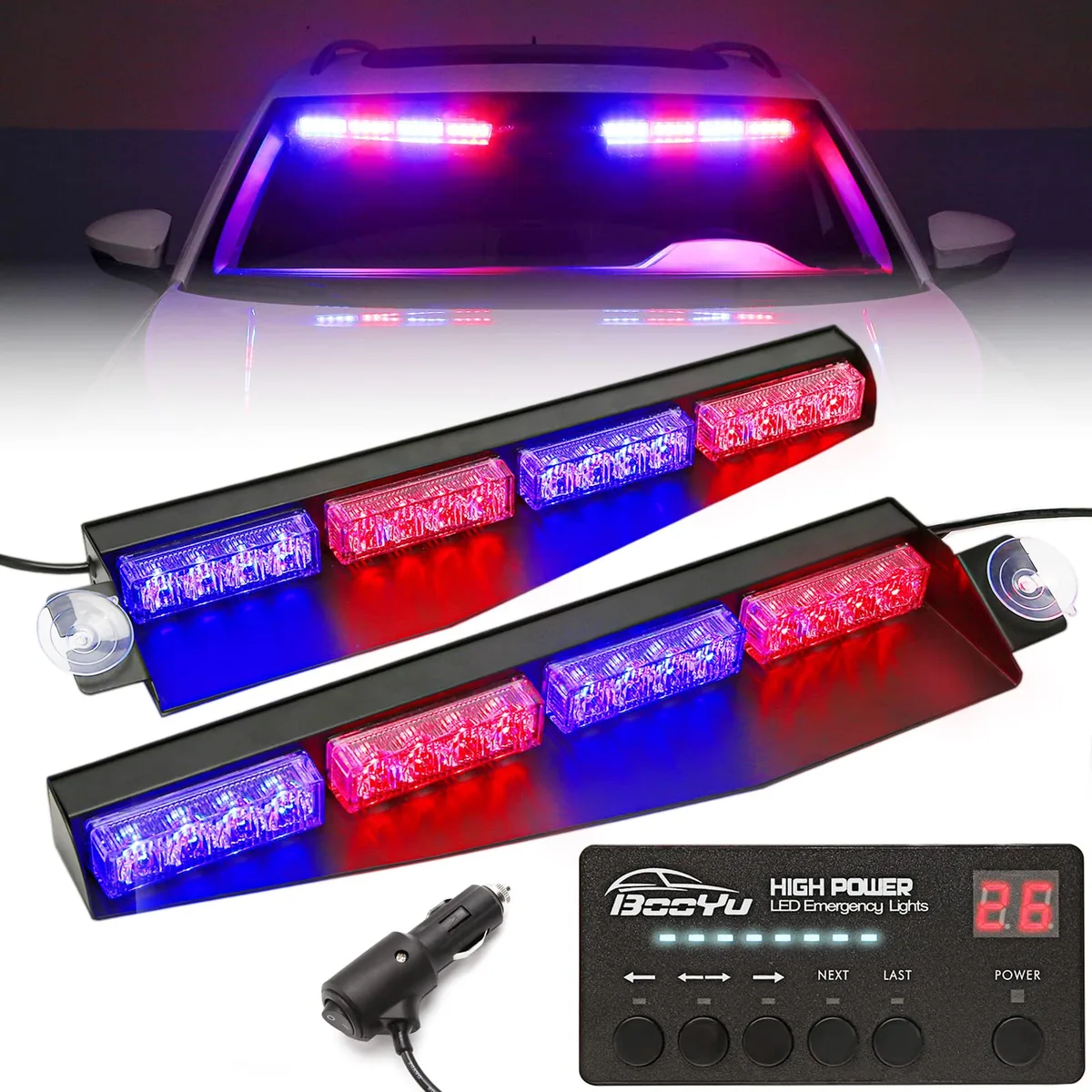
The key difference: green does not mean "stop immediately." It means "slow down and watch out." Drivers who treat green like red may cause rear-end collisions. Drivers who ignore green may hit workers or equipment.
In other states, green lights may have different meanings. Some states use them for volunteer firefighters or security vehicles. Arkansas keeps it simple: green equals maintenance.
---
## For Fleet Managers & Operators: Compliance Checklist
If you manage a fleet of maintenance vehicles in Arkansas, you need to stay compliant. Here's a quick checklist.
- Verify that all vehicles have approved flashing green beacons.
- Ensure lights are mounted at least 4 feet above the ground.
- Test visibility at 500 feet in daylight. Replace any lights that fall short.
- Use only green. No other color on the beacon.
- Train operators on when to use the light (active work only, not during transport).
- Keep spare bulbs or LED modules on hand.
- Document compliance during pre-trip inspections.
Failure to comply can result in fines and liability in accidents. It also puts your crew at risk.
---
## When to Contact a Professional (Lawyer, State Police, or ARDOT)
You don't need a lawyer for routine encounters with green lights. But there are situations where professional help makes sense.
**Contact a lawyer if:**
- You receive a citation related to a green light dispute.
- You are involved in an accident with a maintenance vehicle.
- You believe a maintenance operator acted negligently.
**Contact Arkansas State Police if:**
- You see a non-authorized vehicle using a green light.
- You witness dangerous driving around a maintenance vehicle.
- You need clarification on enforcement in a specific area.
**Contact ARDOT if:**
- You have questions about a specific work zone or vehicle.
- You want to report a noncompliant maintenance vehicle.
- You need information about upcoming road work.
---
## Real Scenario: What Happens If You Ignore the Green Light?
Let's put this in real terms. You're driving on I-30 near Benton. You see a green flashing light on a mower ahead on the shoulder. You decide it's not important and maintain speed.
Suddenly, the mower turns partially into your lane to avoid a ditch. You don't have time to react. You hit the mower. Who is at fault?
According to Arkansas law, the mower operator has a duty to display the green light. They did. You had visual warning. The fault in this scenario likely falls on you. You could face fines, increased insurance rates, and potential civil liability.
Now imagine the opposite. You see the green light, slow down, and move over. You avoid the accident entirely. That's the goal.
---
## Frequently Asked Questions
### Is a flashing green light on a maintenance vehicle the same as a green traffic light?
No. A green traffic light means go. A flashing green light on a maintenance vehicle means slow down and be alert. They are completely different signals.
### Can I use a green flashing light on my personal truck in Arkansas?
No. Only authorized maintenance vehicles can use green flashing lights. Personal use is a misdemeanor.
### What should I do if a maintenance vehicle with a green light is blocking my lane?
Slow down and wait for a safe opportunity to pass. Do not honk or try to force your way past. The operator will move when it is safe.
### Are there any other states that use green lights for maintenance vehicles?
Yes, but rules vary. Some states use green for volunteer firefighters or security. Arkansas specifically reserves green for maintenance vehicles only.
### How bright does the green light need to be?
The law requires visibility from at least 500 feet in normal daylight. LED lights typically meet this standard easily.
### Who enforces the green light law in Arkansas?
Arkansas State Police and local law enforcement enforce the law. They can issue citations to unauthorized users or drivers who ignore the warning.
---
## Final Takeaway: Stay Safe, Stay Legal
The Arkansas flashing green lights on maintenance vehicles visibility law is straightforward. Green means maintenance. Slow down and move over. Unauthorized use is illegal. Knowing these rules keeps you safe and avoids tickets.
Next time you see that green flash on the highway, you'll know exactly what to do. Slow down, stay alert, and give the crew room to work. It's that simple. And if you're ever unsure about your own vehicle's lighting or maintenance needs, our article on [what to do if your car remote goes through washer and dryer](https://roadworthylabs.com/what-to-do-if-your-car-remote-goes-through-washer-and-dryer/) offers practical tips for unexpected car care situations.