If you drive a private vehicle in Arkansas, the law around colored lights is stricter than you might think. The Arkansas blue and red light prohibition for private vehicles catches a lot of drivers off guard, especially those who buy aftermarket LED strips or underglow kits online. You cannot legally have red or blue lights visible from the front or side of your car, truck, or SUV unless you are driving an authorized emergency vehicle.
Our research shows that many car owners do not realize this until they get pulled over. As of 2026, the penalty for violating Arkansas Code §27-30-101 includes a fine and a misdemeanor charge. Let us walk through exactly what is banned, who gets exceptions, and how to make sure your vehicle is legal.
Quick Answer
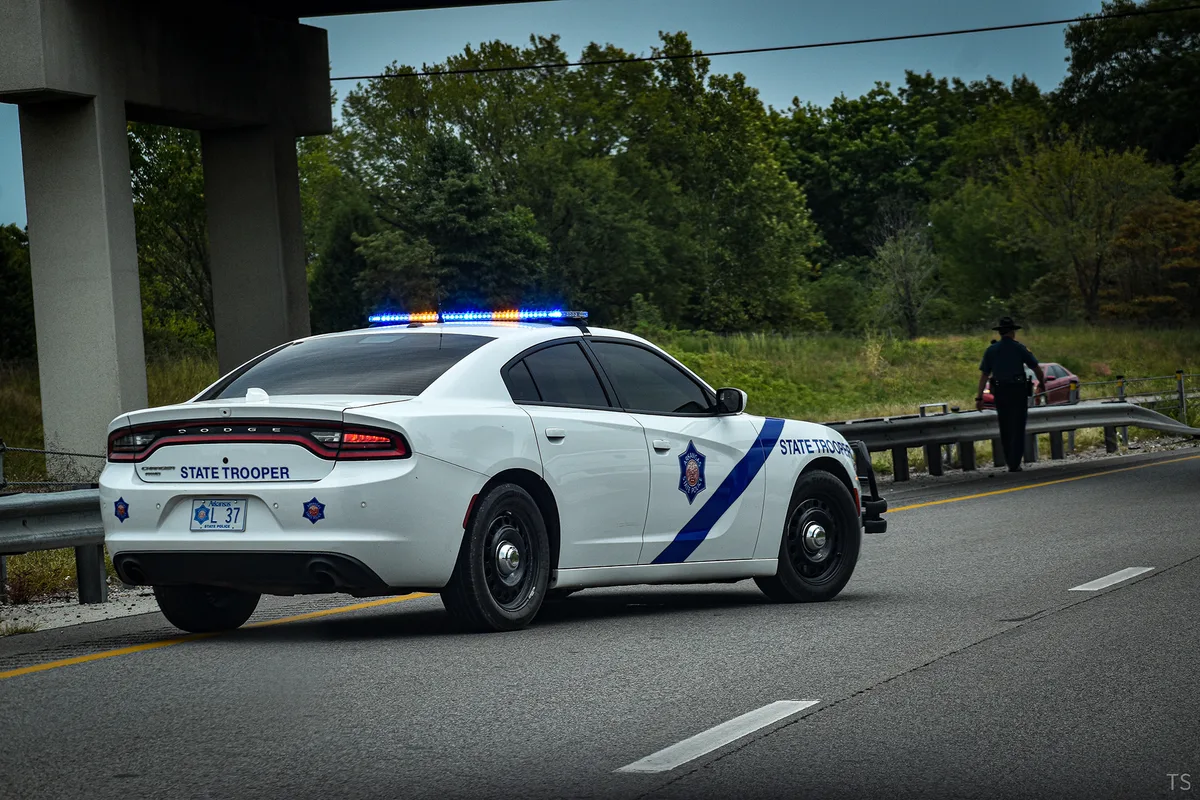
No private vehicle can show red or blue lights from the front or sides. This includes steady and flashing lights. Only emergency vehicles can use these colors.
Violations are a Class C misdemeanor. Fines start around $100 and can reach $500.
Why This Law Matters for Arkansas Car Owners
You might wonder why the state cares about a few colored bulbs. The reason is public safety. Red and blue lights signal police, fire, and ambulance vehicles.
If private cars use the same colors, it confuses drivers and creates dangerous situations.
Arkansas lawmakers wrote §27-30-101 to prevent any appearance of an emergency vehicle. That includes blue underglow on a tuner car or red strobes on a pickup truck. The law is broad so enforcement officers have clear authority.
The penalty is not just a ticket. A conviction leaves a criminal record. That affects insurance rates, employment background checks, and driving privileges.
For a complete list of car ownership tips in the Natural State, check out our blog at Roadworthy Labs.
What Exactly Is Prohibited? Red and Blue Lights Defined
The law prohibits any red or blue light “visible from directly in front of or from either side” of a private vehicle. This applies to both steady-burning and flashing lights. It does not matter if the light is factory installed or an aftermarket add-on.
If it shows red or blue from the front or sides, it is illegal.
Does the law cover interior lights?
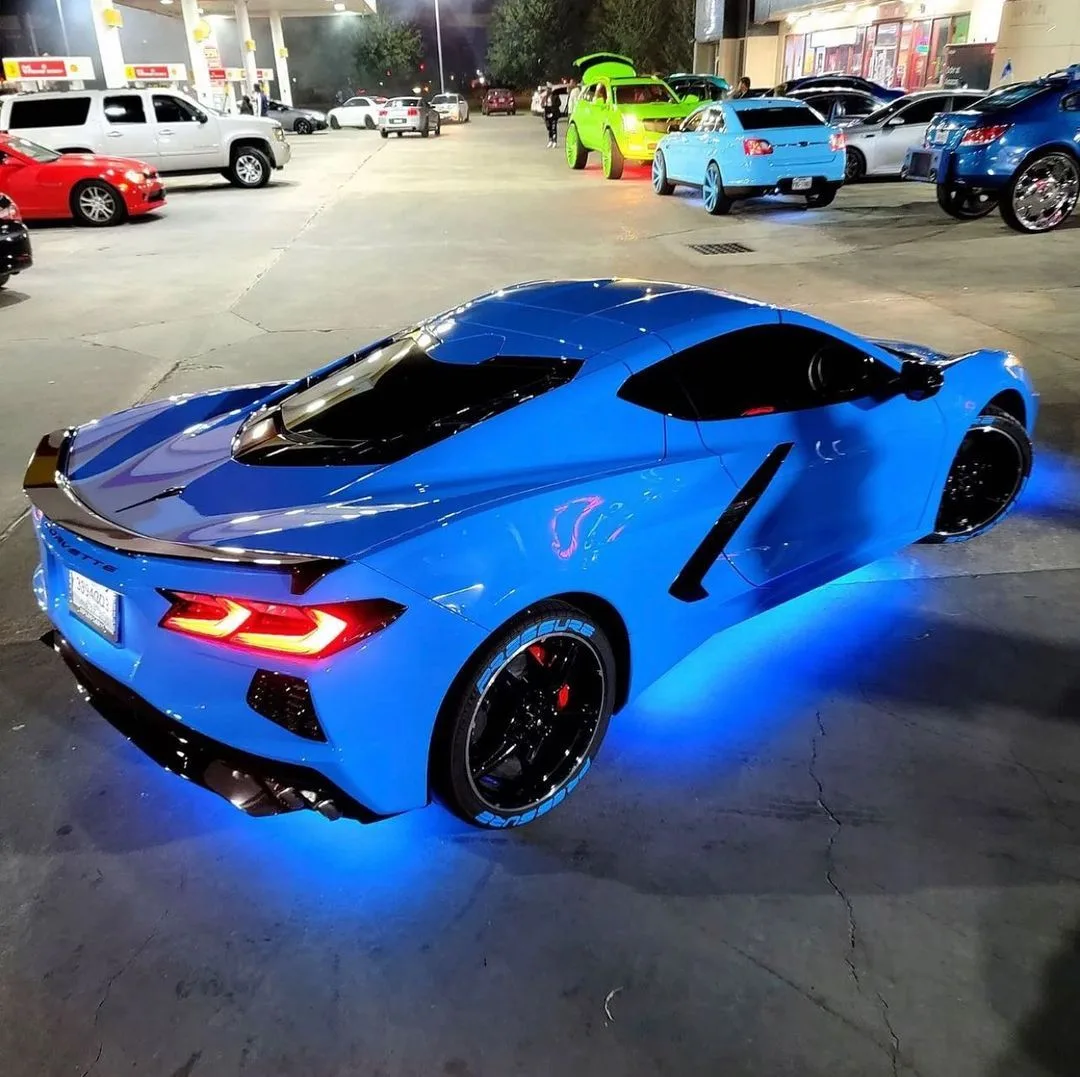
Yes. If interior red or blue lights are bright enough to be seen from outside through the windshield or side windows, they count. Many drivers install blue LED strips under the dashboard thinking they are safe.
That is a common mistake.
What about red or blue lights on the rear?
The statute restricts the front and sides. Red taillights are legal, they are required equipment. But additional red or blue lights on the rear that are not standard taillights could still earn a warning or ticket, especially if they flash or strobe.
Exceptions to the Rule: Who Can Legally Use Red or Blue Lights
Only authorized emergency vehicles are exempt. That means police cruisers, fire trucks, ambulances, and other vehicles operated by public safety agencies. A few limited exceptions exist for volunteer firefighters and certain government vehicles, but they require specific permits.
Volunteer firefighters
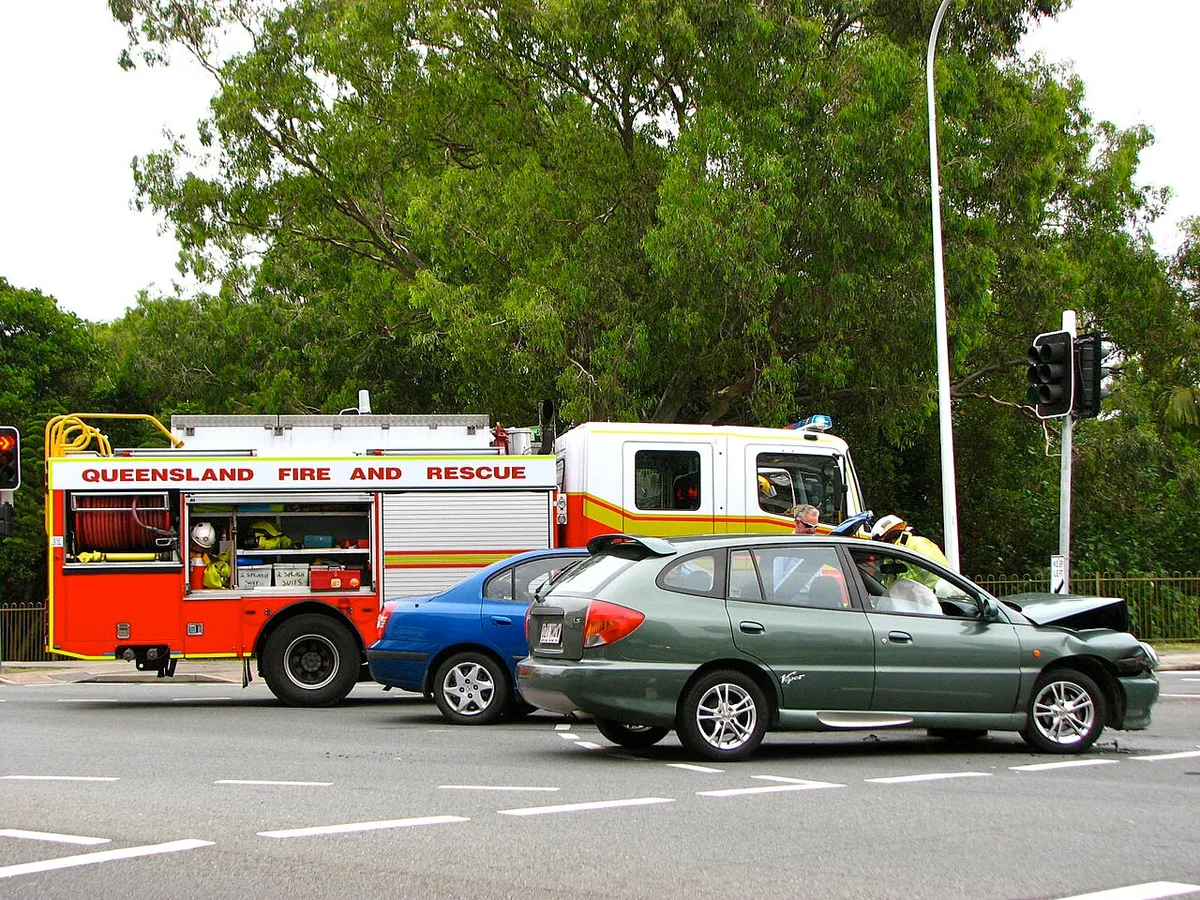
Arkansas allows volunteer firefighters to use red lights under certain conditions. They must be responding to an emergency, the vehicle must be registered with the fire department, and the light must be a single red light of limited intensity. Check with your local fire chief for exact requirements.
Farm and agricultural vehicles
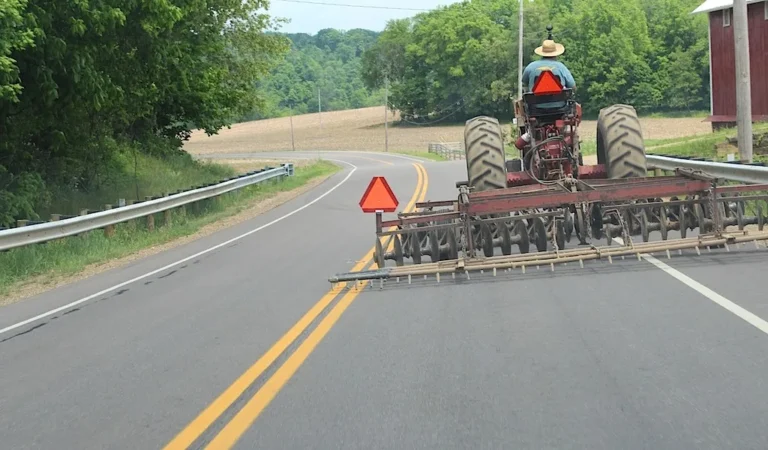
Farm equipment may use flashing amber or white lights, but not red or blue. If you have a tractor or combine that needs to be visible on a public road, amber is your go-to color.
Funeral escort vehicles
Some funeral escorts in Arkansas are permitted to use purple or green lights, but never red or blue. These are highly regulated and usually require a special permit from the state.
The Legal Consequences: Fines, Misdemeanors, and Worse
Getting caught with illegal red or blue lights in Arkansas is not a slap on the wrist. Under §27-30-101, a violation is a Class C misdemeanor. That carries a maximum fine of $500 plus court costs.
In some jurisdictions, the fine alone can exceed $200 after fees.
Could you face jail time?
A Class C misdemeanor can include up to 30 days in jail, though first-time offenders rarely serve time. The bigger risk is the criminal record. If the officer believes you were using the lights to impersonate a police officer, the charge can be upgraded to a Class A misdemeanor with a penalty of up to one year in jail and a $2,500 fine.
What about wreckers and tow trucks?
Tow trucks in Arkansas may use amber or white lights, not red or blue. If you operate a wrecker, keep your lighting to the permitted colors. A violation could also get your truck impounded in extreme cases.
How to Check Your Vehicle for Illegal Lighting Right Now
You can do a quick inspection in your driveway. Here is a five-minute process:
- Turn on all your lights. Headlights, fog lights, parking lights, interior lights, underglow, and any aftermarket accessories.
- Walk around the front and sides. Look for any red or blue glow. Pay attention to windshield-mounted strobes, grille lights, and side marker modifications.
- Check your LED strips. If you have underbody or interior LED strips that can change colors, make sure they are not set to red or blue while driving. Some kits remember the last color. Reset them to white, amber, or off before you hit the road.
- Inspect your license plate lights. License plate lights must be white. Red or blue plate lights are illegal and attract immediate attention from law enforcement.
- Remove anything questionable. If you are unsure, unplug or remove the offending lights until you confirm they are legal.
If you find illegal lights, remove them or cap the wiring. Many drivers have been ticketed simply because they forgot to turn off a blue interior LED from the night before. After removing the lights, you might need to clean the mounting areas.
Our guide on PPF Carwash Shampoo can help keep your paint in top condition.
Legal Alternatives: What Colors You Can Use on Private Vehicles
You have plenty of legal options. Arkansas law permits white, amber, and yellow lights on private vehicles from the front and sides. These colors keep you visible without breaking the law.
Amber fog lights and auxiliary lights
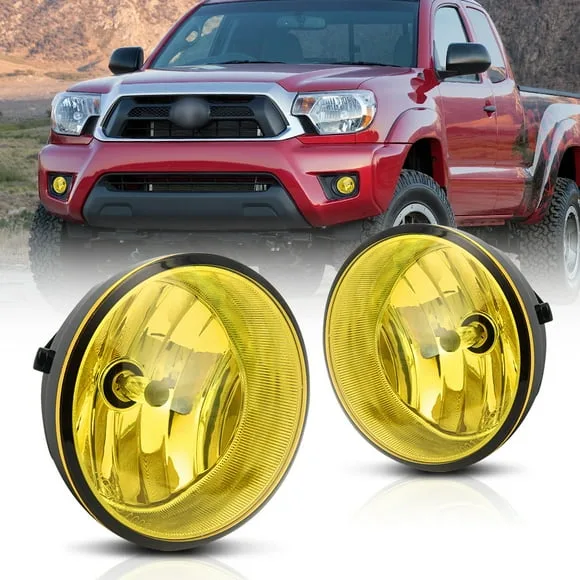
Amber fog lights are a popular and legal upgrade. They cut through rain and fog better than white light. Many factory trucks and SUVs come with amber fog lights stock.
Aftermarket amber LED pods are also fine, as long as they are not red or blue.
White lights for off-road use
White LED light bars are legal for off-road use. If you mount one on your vehicle, keep it covered or angled downward on public roads. Some police officers will cite you if a bright white bar is aimed forward and on while driving.
Use them only on trails or private property.
Clear or white underglow
Underglow lighting is not banned outright. The problem is the color. If you install underglow, set it to white, amber, or green.
Never red or blue. Check local city ordinances too. Some Arkansas towns have additional rules about neon underglow even in legal colors.
Green and purple lights
Purple lights are sometimes used by funeral escorts with a permit. Green lights are not restricted by state law, but local laws may apply. If you are considering green underglow, confirm with your city police department first.
When installing new lighting, using a Water Gun Help Clean Cars can help you keep your lenses spotless.
Common Mistakes That Get Arkansas Drivers Cited
Even careful drivers slip up. Here are the most frequent violations we found in court records and traffic stop reports.
Leaving interior LED strips on
Blue interior lights are a huge giveaway. If you have blue LED strips under the dash or seats, turn them off before driving. Many drivers forget to switch them off after a car show or a night cruise.
A passing trooper sees the blue glow through the windshield and pulls you over.
Installing a red light bar behind the grille
A hidden red light bar behind the grille is still illegal. It does not matter that it is not visible when off. If you turn it on while driving, you are violating the law.
Some drivers think “off-road use only” stickers protect them. They do not. On a public road, it is illegal.
Using color-changing lights on public roads
Programmable RGB lights that cycle through colors are popular. If your lights cycle through red or blue even for a second, you can be cited. Set them to a static legal color or turn them off entirely while driving.
Assuming volunteer firefighter status applies automatically
The volunteer firefighter exception requires proper registration and a permit. Simply being a volunteer does not give you the right to run red lights on your personal truck without documentation. Officers check.
Not removing illegal lights before a vehicle inspection
Arkansas does not have a statewide safety inspection program as of 2026, but some counties or municipalities may have local requirements. If you take your vehicle to a shop and they spot illegal lights, they may report it. Remove questionable lighting before any professional service.
Keeping your car clean and well-maintained can prevent unwanted attention. Check our recommendations on What To Wash Car Rags In for proper detailing.
Pro Tips for Car Enthusiasts and Modifiers
If you love customizing your vehicle, you can still make it stand out without risking a ticket. Here is how to stay stylish and legal.
Stick with accent lighting in legal colors
White, amber, and green accent lights can give your car a custom look. Use them for footwell lighting, engine bay lights, or underglow. Avoid red and blue entirely, even if you think they look cool.
The risk is not worth the fine.
Use switchable controllers
Install a controller that lets you turn off all accent lights with one button. That way you can show your car at a meet and then kill the lights before driving home. Some controllers allow you to save profiles that skip red and blue entirely.
Keep documentation for aftermarket parts
If you buy a lighting kit online, save the product specifications. In case you are questioned, you can show the officer that the lights are certified for off-road use only or that they are amber. It may not get you out of a ticket, but it shows good faith.
Know the local enforcement trends
Enforcement varies by city. In Fayetteville and Bentonville, officers are especially alert to modified lighting near the university and entertainment districts. In rural areas, you might get a warning instead of a ticket.
But do not count on it. The law applies statewide.
Ask your insurance agent
Some insurance companies will drop you or raise rates if you have illegal modifications. Check with your agent before installing any lighting. A simple phone call can save you a headache later.
After you sort out your lighting, maintaining your car's appearance matters. Learn about What R The Benifits For A Car In Ceramic Washing And Costs for long-term protection.
When to Talk to a Traffic Attorney
If you receive a citation for illegal lighting, do not just pay the fine blindly. A traffic attorney can advise you on your options.
First offense versus repeated violations
A first offense often results in a small fine and no points on your license. But if you have prior tickets or the officer believes you intended to impersonate an emergency vehicle, the stakes go up. An attorney can negotiate a reduction to a non-moving violation in many cases.
If you were using lights for a legitimate reason
Suppose you are a volunteer firefighter with a permit and the officer did not recognize your vehicle. An attorney can help you present proof and get the case dismissed. Do not argue with the officer at the roadside.
Keep your documentation and let a lawyer handle it.
Costs of fighting a ticket
Hiring an attorney might cost $150 to $500 depending on your location and the complexity. Compare that to the fine plus increased insurance premiums over three years. In many cases, paying an attorney is cheaper than accepting the conviction.
How to find a qualified attorney
Search for traffic law specialists in your county. Look for attorneys who advertise experience with Arkansas motor vehicle codes. Many offer free initial consultations.
Bring your citation and any documentation of your vehicle's lighting.
Frequently Asked Questions About Arkansas Lighting Law
Can I have blue lights on my car if they are not turned on?
Technically, the law prohibits being “equipped” with red or blue lights visible from the front or sides. Some officers interpret “equipped” to mean present and capable of being turned on, even if off. To be safe, remove any red or blue lights that are not factory equipment.
Are red brake lights included in the prohibition?
No. Red taillights and brake lights are required equipment. The law targets additional red or blue lights beyond standard factory lighting.
Do not modify your brake lights to flash or strobe unless they meet federal safety standards.
Can I use red or blue lights on private property?
The law applies to public roads in Arkansas. On private property, you can use any lights you want. However, if your vehicle is visible from a public road while on private property, you may still attract attention.
Keep it off the street if you are testing lights.
What should I do if I get a ticket for illegal lights?
Do not argue with the officer. Accept the citation and contact a traffic attorney. Document the exact lighting on your vehicle and whether it was on or off during the stop.
That information is critical for your defense.
Are there any pending changes to this law?
As of 2026, no major amendments have been proposed. The law has been stable for years. Always check the Arkansas State Legislature website for updates before purchasing new lighting equipment.