ByMax Lee
Guide to Colorado Passenger Vehicle Traction Law Requirements for I-70 Mountain Travel
Wikimedia Commons / Aidinnazifi (CC BY-SA)
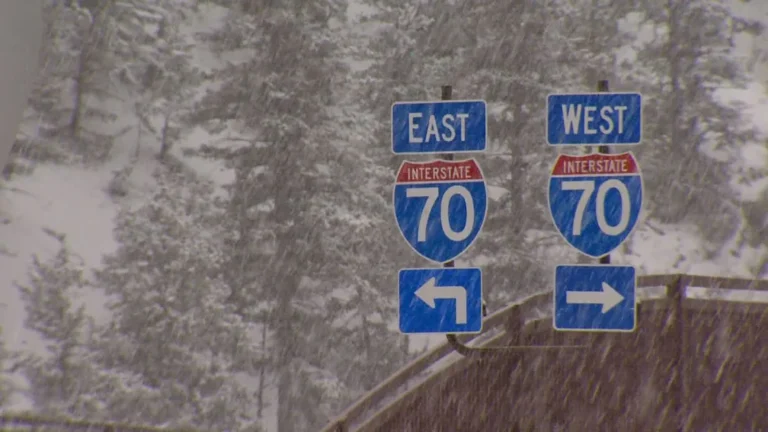
Driving I-70 through the Colorado mountains in winter isn't just about watching for snow or ice. It's about knowing the exact Colorado passenger vehicle traction law requirements for I-70 mountain travel before you leave the house. These laws dictate what tires you need, what gear you must carry, and when you can legally be on the road.
Ignoring them can land you with a ticket or leave you stranded at a checkpoint.
The traction law on I-70 is active from September 1 through May 31 every year. That's roughly 8 months of potential winter conditions. During that window, you need either adequate tires or chains in your vehicle whenever you drive the mountain corridor.
Let's break down exactly what that means.
Quick Answer
Colorado's passenger vehicle traction law for I-70 requires you to carry approved traction tires or chains from September 1 to May 31. The law has two levels: Traction Law (tires with 3/16" tread depth minimum) and Chain Law (chains required on all vehicles, including AWD and 4WD). It applies on I-70 from the Denver metro area through the Eisenhower Tunnel and beyond.
Enforcement is triggered by weather conditions, not just the calendar date.
Why This Law Matters More Than You Think
This isn't optional advice. Colorado's traction law carries real penalties. If you get caught without the right equipment during an active traction or chain law, fines start around $100 and climb to $500 or more.
There's a bigger reason to care. The I-70 mountain corridor between Denver and the ski resorts hits elevations above 10,000 feet. Weather changes fast at that altitude.
A clear blue sky can turn into a whiteout blizzard within 20 minutes. Without proper tires, you're not just breaking the law. You're creating a hazard for yourself and everyone else on that road.
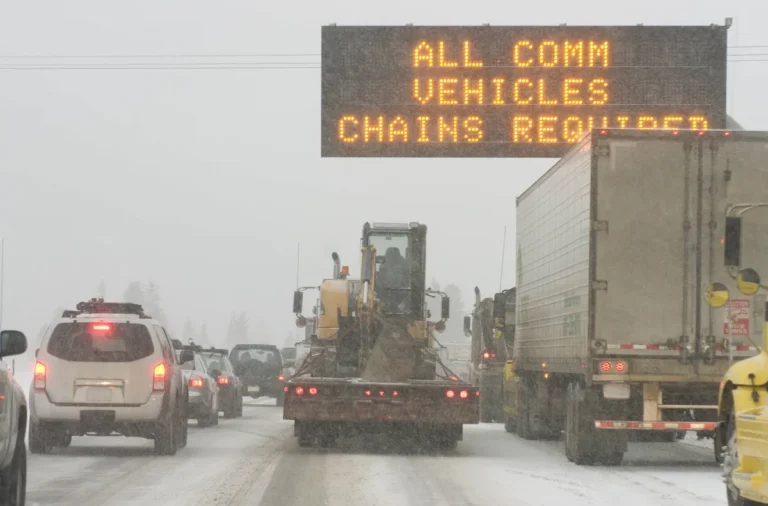
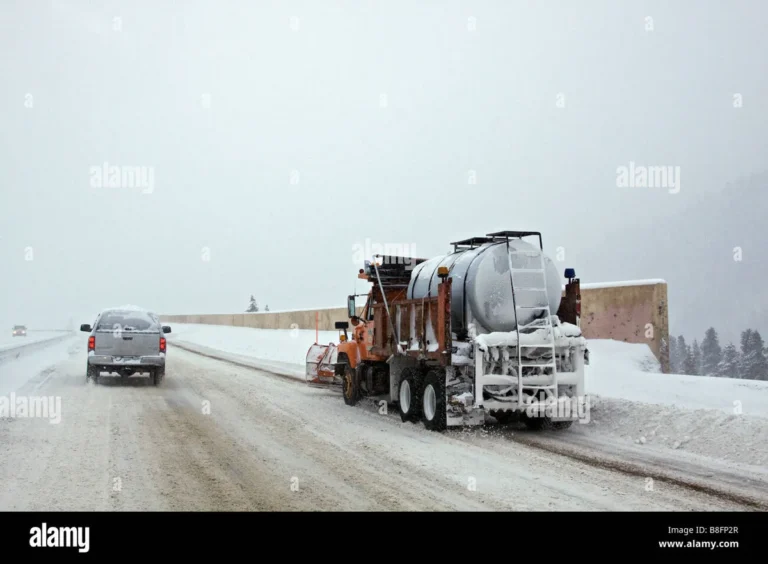
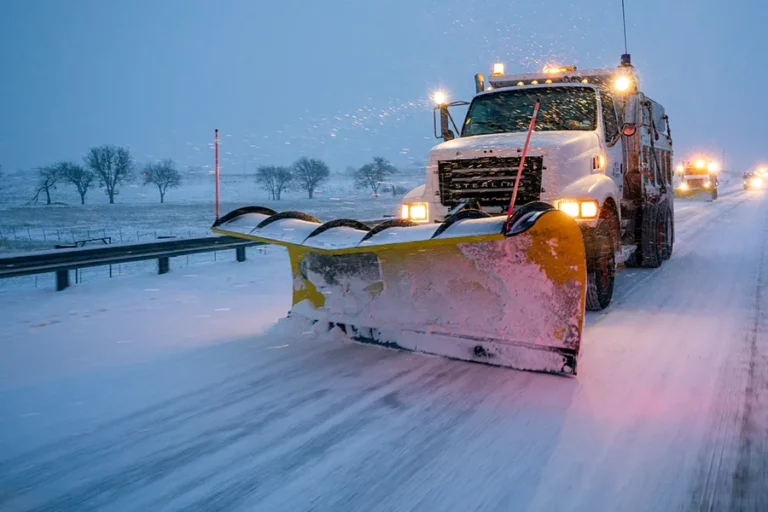
CDOT's stated goal is to reduce accidents and keep traffic moving during winter storms. Those flashing overhead signs reading "Traction Law in Effect" or "Chain Law in Effect" aren't warnings. They're legal requirements for every driver on that stretch of highway.
What Exactly Does "Traction Law" Mean on I-70?
The phrase "traction law" actually covers two different enforcement levels. Let's clear that up.
Traction Law vs. Chain Law: The Confusing Part
Most people get tripped up here. CDOT uses two separate enforcement levels on I-70, and they mean different things.
Traction Law is the lighter, more common level. It requires either:
- A 4WD or AWD vehicle with tires that have at least 3/16" tread depth (the M+S standard), or
- A 2WD vehicle with proper snow tires (M+S or 3PMSF) and chains, or
- Any vehicle with approved chains or alternative traction devices
Chain Law is the stricter level. Even if you have 4WD or AWD with snow tires, you still need chains on at least one drive axle. No exceptions for passenger vehicles.
The difference matters because CDOT can activate either level depending on the storm. A moderate snowfall might trigger just the Traction Law. A heavy storm with ice and deep snow will trigger the Chain Law.
When It's Active vs. When It's Just a Warning
The law isn't automatically "on" just because it's winter. It's only active when CDOT issues a specific declaration.
Here's how it works:
- The law is always in effect from September 1 to May 31 regarding what you must carry in your trunk
- A specific event like a snowstorm or icy road conditions triggers the actual "Traction Law in Effect" notification
- When that notification goes up on electronic signs, you need the right gear on your vehicle, not just in your trunk
That means you can't ignore it until you see a sign. If you're driving that corridor in winter and a storm rolls through, you need to be ready before you hit the chain-up zone.
Your Vehicle's Role: What Counts as Compliant
The law defines compliance based on your vehicle type and tires. Let's get specific.
M+S Tires vs. 3PMSF vs. All-Seasons: The Real Difference
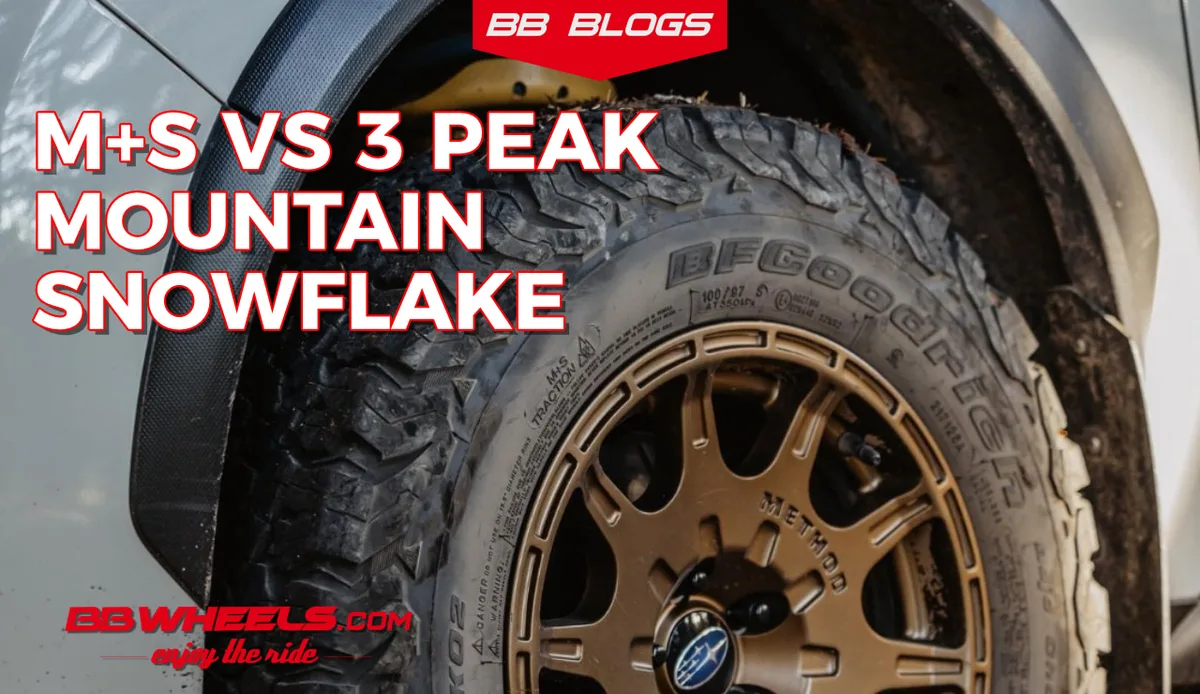
This is where plenty of people make the wrong assumption. "All-season" tires are not the same as "M+S" tires, and neither is the same as "Three-Peak Mountain Snowflake" (3PMSF).
Here's the breakdown:
- All-season tires: Standard tires on most new cars. Fine for dry roads and light rain. Not rated for snow or ice. They don't count under the Traction Law.
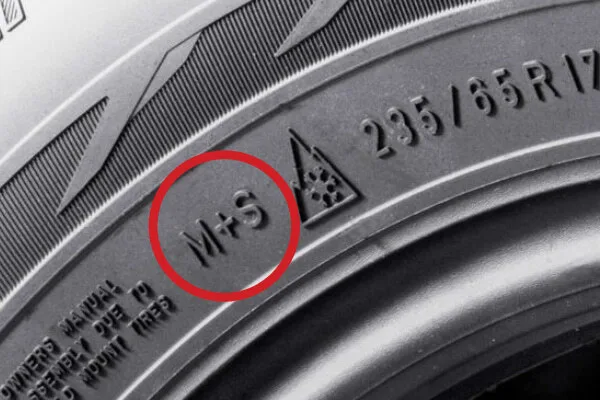
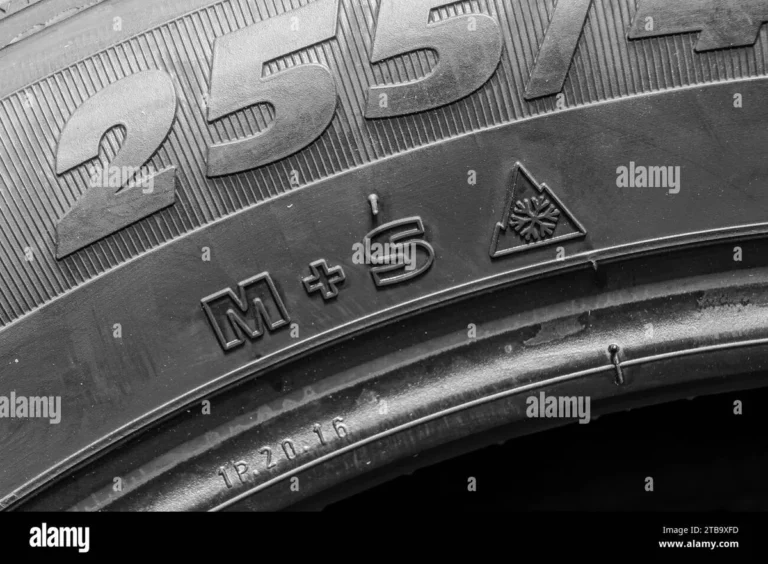
- M+S (Mud + Snow) tires: Specific tread design and rubber compound that meets the minimum standard for the Traction Law. Marked with "M+S" on the sidewall. Better than all-seasons, but not the top tier.
- 3PMSF (Three-Peak Mountain Snowflake) tires: Carry a mountain symbol with a snowflake in the center. Passed a more rigorous snow traction test. The best option for winter driving on I-70.
For the Traction Law, M+S tires are the minimum requirement on a 2WD vehicle if you're also carrying chains. But if you drive a 4WD or AWD vehicle, M+S tires alone are enough as long as they have at least 3/16" of tread remaining.
For the Chain Law, even 4WD with M+S tires doesn't get you out of needing chains. That's the critical distinction.
Does AWD or 4WD Get You a Pass?
Common myth: "I have an AWD SUV, so I don't need snow tires or chains."
Here's what the law actually says:
- Under the Traction Law: AWD or 4WD vehicles with M+S tires at 3/16" tread minimum are compliant. No chains needed.
- Under the Chain Law: Every vehicle must have chains on at least one drive axle. Yes, that includes your Subaru Outback.
AWD helps, but it doesn't exempt you from the Chain Law when conditions get bad.
Tire Tread Depth Minimums You Need to Know
The law specifies exact tread depth requirements:
- M+S tires: Minimum 3/16" (4.8mm) tread depth
- 3PMSF tires: Minimum 4/32" (3.2mm) tread depth
- Any tire: Below 2/32" (1.6mm) is legally bald and won't pass any traction law
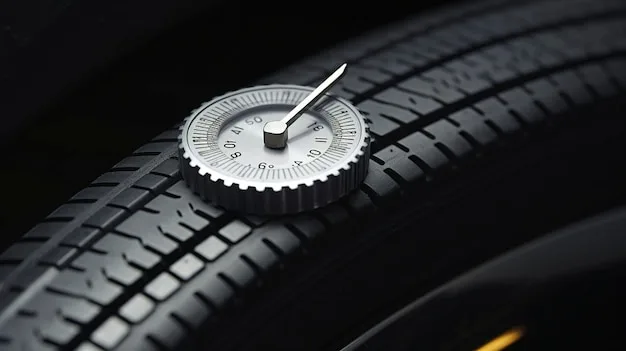
The quick check: stick a penny into the tread. If you can see the top of Lincoln's head, your tires are too worn for the M+S standard. Use a quarter for the 3PMSF standard.
If you can see the top of Washington's head, those tires won't cut it.
The Two Levels of Enforcement You'll Encounter
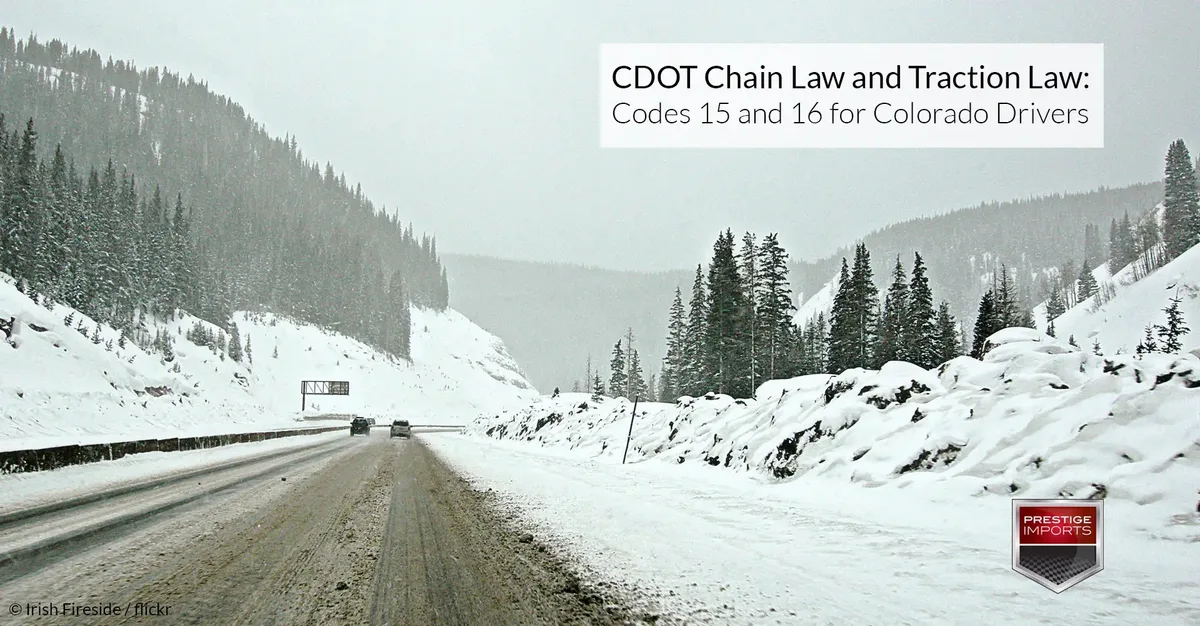
Enforcement on I-70 works through two distinct levels, clearly marked on overhead signs as you approach the mountain corridor.
Level 1: Traction Law (Passenger Vehicle Only)
This is standard winter enforcement. When you see "Traction Law in Effect," here's what it means:
- You must have a 4WD or AWD vehicle with M+S tires at 3/16" tread minimum, OR a 2WD vehicle with chains or M+S tires on all four wheels
- Speed limit drops to 25-35 mph depending on the zone
- Vehicles without proper traction gear can't go past the checkpoint
Commercial trucks over 16,000 lbs face different rules. For passenger cars and SUVs, this is what you need.
Level 2: Chain Law (Higher Stakes, Stricter Rules)
The Chain Law is the nuclear option. I-70 doesn't trigger this often, maybe a few times each winter during the worst storms. But when it does, it's serious.
When the sign says "Chain Law in Effect":
- Every vehicle must have chains on at least one drive axle
- No exceptions for AWD, 4WD, or any tire type
- Speed limit drops to 25 mph or lower
- Violators can be cited, turned around, or forced to pull over
Driving through a Chain Law zone without chains isn't just risking a ticket. You're putting yourself in a situation where you can lose control on ice, and road crews will have to stop traffic to help you.
What Gear You're Required to Carry
The law doesn't just specify tires. It tells you what equipment you need physically in your vehicle during winter.
Chains, AutoSocks, and Cable Options
You have several choices for meeting the chain requirement:
- Tire chains: Traditional steel chains. Heavy, loud on dry pavement, and the most effective option. Best on ice and deep snow.
- Cable chains: Lighter and less aggressive. Better for AWD or 4WD vehicles with tighter wheel clearance. Not as good on deep snow as full chains.
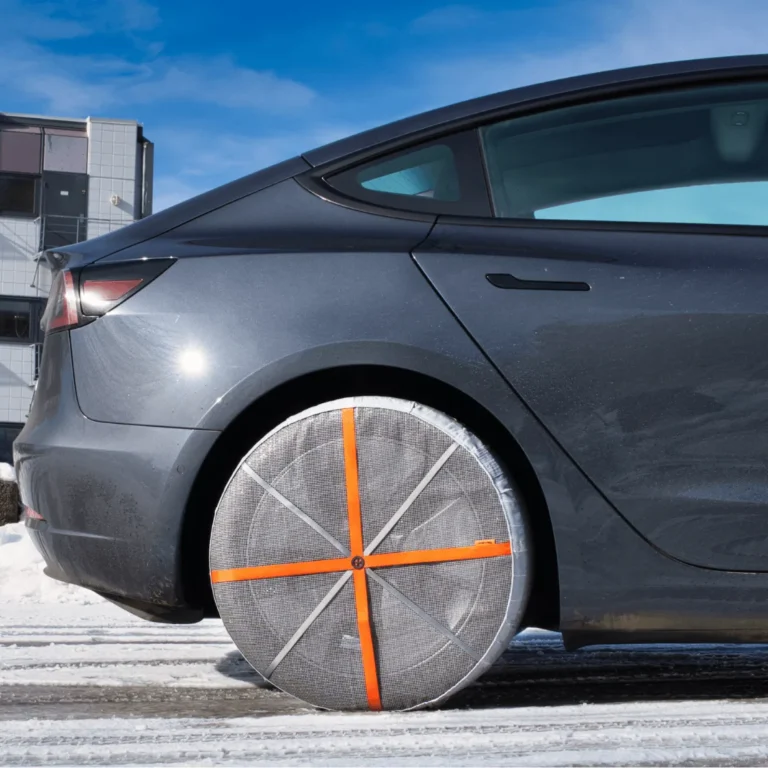
- AutoSocks: Fabric-based traction sleeves. Approved under the law. Work well on snow and ice. Quieter and easier to install than chains, but don't last as long on dry pavement.
- Alternative devices: Some vehicles can't fit conventional chains due to low clearance or tight wheel wells. Check your owner's manual or ask a tire shop what works for your specific model.
Any traction device must be approved for use on your vehicle. That usually means it's listed on a CDOT-approved list or meets a specific design standard.
Where to Buy, What to Look For
If you're buying chains or cables:
- Buy them before you need them. Stores in Idaho Springs and Silverton charge a premium. Denver and Boulder have better prices.
- Check clearance. Many modern cars, especially AWD sedans, lose about 1/4" of clearance in the rear wheel well. If chains are too thick, they'll hit the suspension or brake lines.
- Practice installation. Pick a clear day in your driveway and put them on once. The first time you chain up at 11,000 feet in a snowstorm is not the time to learn.
Step-by-Step: How to Check and Prepare Before You Go
Here's the playbook for getting ready before you head up I-70 this winter.
1. Check CDOT's Current Status
Look at current conditions before you leave. The CDOT website at cotrip.org shows:
- Current traction and chain law status
- Road conditions (clear, wet, packed snow, ice)
- Closure status for I-70 tunnels and passes
- Traffic camera feeds
Check before you leave. Check again when you're past the last Denver exit. Conditions change in 15 minutes.
2. Inspect Your Tires
Pull out a tire gauge and a penny. Check all four tires, not just the front two. Look for:
- Tread depth on each tire
- The M+S or 3PMSF marking on the sidewall
- Any visible damage, cracks, or bald spots
If any tire is below 3/16" on the M+S standard, you don't have legal traction gear.
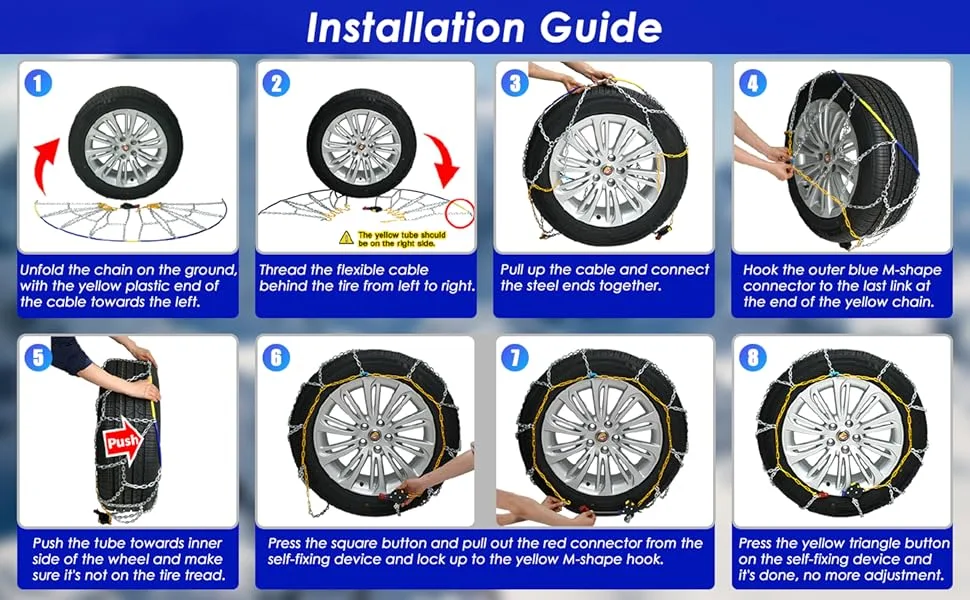
3. Practice Installing Chains at Home
Find a flat, clear surface in your driveway. Read the instructions for your specific chain model. Most chains have a quick-fit or easy-install design, but they still take practice.
- Lay the chain flat on the ground
- Drive the car forward over it
- Hook the inner and outer connections
- Tighten to the correct tension
Loosen them once and retighten. Practice this twice. The whole process takes about 10 to 15 minutes once you've done it before.
4. Pack Your Winter Emergency Kit
Your trunk should have more than just chains. Add:
- A warm blanket or extra jacket
- Snow boots or traction aids
- A flashlight with fresh batteries
- A portable phone charger
- A small bag of sand or kitty litter for traction
- An ice scraper and brush
If you get stuck between chain-up zones and the road closes, you could be sitting for hours. The right gear makes that bearable.
What Happens If You Get Caught Unprepared
Let's talk consequences. They happen every winter on I-70.
Fines, Citations, and Getting Stuck
If you're caught driving through an active Traction Law zone without proper gear, you'll get a citation. The base fine starts at $100 for a first offense. Under the Chain Law, that jumps to $500 or more.
But the ticket is only part of the problem. If your car slides off the road or gets stuck and blocks traffic, you face towing fees, storage costs, and potential liability for road closure expenses. Those can run into the thousands.
Real Scenarios: Being Turned Around at a Checkpoint
You're heading up I-70 for a weekend ski trip. A storm hits hard near Idaho Springs. The Chain Law goes active at Mile 232.
You roll up to a checkpoint. The officer asks what tires you're running. You say all-seasons.
They point you to the next exit and tell you to turn around. Your weekend plans evaporate.
Or worse, you panic and try to push through. You lose control on the next icy curve. Now you're in a ditch waiting for a tow truck that won't arrive for three hours.
Neither scenario is worth saving a few hundred dollars on chains.
Common Mistakes That Trip Up Even Experienced Drivers
Even people who've driven this road for decades make these errors.
Thinking "All-Season" Means "Snow-Ready"
The biggest mistake we see. "All-season" is a marketing term. It means the tire handles rain, dry roads, and light dustings.
It does not mean winter-ready.
Most all-season tires use a rubber compound that hardens below 45 degrees Fahrenheit. Hard rubber means less grip on ice. M+S and 3PMSF tires use a softer compound that stays flexible in the cold.
That's the real difference.
Waiting Until You See the Sign to Put Chains On
If you see the "Chain Law in Effect" sign, you're already past the safe stopping zone. Chain-up zones are clearly marked before the enforcement area.
Pull over at the first chain-up zone you see. Put your chains on there. If you wait until the checkpoint, you're already breaking the law.
Not Knowing Your Vehicle's Drive Axle
Putting chains on the wrong axle is useless. Most passenger cars are front-wheel drive. Most trucks and older SUVs are rear-wheel drive.
AWD vehicles have power to all four wheels, but you only need chains on one axle.
Check your owner's manual. If you're not sure, look under the car. The drive axle connects to the transmission.
The non-drive axle just rolls.
Expert Tips for Driving I-70 During a Traction Law
Speed, Following Distance, and When to Pull Over
When the traction law is active, the posted speed limit drops to 25 to 35 mph in most zones. That's not a suggestion. It's the law.
Keep your speed under 40 mph even on clear stretches. Above that, hydroplaning on slush becomes a real risk. Double your following distance.
In normal conditions, leave 2 to 3 seconds. In snow, make it 5 to 6 seconds.
If you see a chain-up zone, pull over. Do not keep driving. The zone exists for a reason.
If you pass it, you're on your own until the next exit.
How to Handle Black Ice and Sudden Whiteouts
Black ice is invisible. You won't see it until you feel the car start to slide.
Don't hit the brakes. That's instinct, but it's wrong. You'll lock the wheels and slide further.
Lift off the gas and steer gently in the direction you want to go.
If the rear end slides left, steer left. If it slides right, steer right. Let the car settle before you touch the brakes again.
Whiteouts hit fast on I-70. If visibility drops to zero, pull over as far to the right as you can. Turn on your hazards.
Wait five to ten minutes. The band of heavy snow will pass.
Your Quick Reference Guide for the Season
September 1 to May 31: What to Keep in Your Trunk
Here's your checklist. Make sure it's in the car before you leave Denver.
- M+S or 3PMSF tires on all four wheels with adequate tread depth
- One set of chains or approved traction devices for the drive axle
- A warm blanket and an extra jacket
- Snow boots or traction aids
- A flashlight with fresh batteries
- A portable phone charger
- A bag of sand or kitty litter for getting unstuck
- An ice scraper and brush
- A copy of the traction law rules from CDOT's website
Check this list before every trip. A single missing item could ruin your weekend.
Key Resources: CDOT Website, COtrip App, and Signage
You can't rely on memory alone. Use these tools every time.
The CDOT live map at cotrip.org shows current traction and chain law status. It also shows road conditions, closures, and traffic cameras. The COtrip app sends push notifications when the law activates in your area.
The overhead signs on I-70 between Mile 259 and Mile 205 are your real-time source. They change as conditions change. Trust them over the weather app on your phone.
Frequently Asked Questions
What's the difference between Traction Law and Chain Law?
The Traction Law requires either 4WD or AWD with M+S tires or a 2WD vehicle with chains. The Chain Law requires every vehicle to have chains on at least one drive axle. No exceptions.
Do I need chains if I have 4WD?
Under the Traction Law, no. Under the Chain Law, yes. Every vehicle must carry and use chains during a Chain Law activation.
When does the traction law apply on I-70?
The law is in effect from September 1 through May 31. But it's only active when CDOT declares it. Check the signs or the COtrip app before you drive.
What tires are legal under the traction law?
M+S tires with at least 3/16" tread, or 3PMSF tires with at least 4/32" tread. All-season tires without either marking don't count.
Can I use AutoSocks instead of chains?
Yes. AutoSocks are approved under Colorado's traction law. They work on snow and ice.
They're quieter and easier to install than chains, but they wear faster on dry pavement.
How much is the fine for not having traction gear?
First offense starts at $100 and goes up to $500 under the Chain Law. Second offenses and causing road closures can add thousands in towing and liability costs.
Where do I put chains on my car?
On the drive axle. Front-wheel drive cars need chains on the front. Rear-wheel drive vehicles need them on the back.
AWD and 4WD can use either axle. Check your owner's manual to be sure.