ByMax Lee
Guide to Colorado Auxiliary Lighting and Off Road Light Bar Usage on Public Highways
Colorado auxiliary lighting and off road light bar usage on public highways is a topic that trips up a lot of vehicle owners. The rules here aren't the same as what your buddy in Utah or Texas follows. Colorado has its own statutes, and the Colorado State Patrol enforces them pretty consistently.
Get it wrong, and you're looking at a citation that can run over a hundred dollars.
As of 2026, the relevant statutes are CRS 42-4-217 and 42-4-219. These two sections spell out exactly how many auxiliary lights you can have, where they can be mounted, and what colors are allowed. The penalties for violating these rules go beyond just fines.
Let's break down what the law actually says and how to stay on the right side of it.
Quick Answer
Colorado law restricts auxiliary lights and light bars on public highways. You cannot use them on pavement unless they are covered or turned off. Mounting height, beam aim, and color all have limits.
Violations result in fines and potential liability. The Colorado Revised Statutes Title 42 governs these rules.
Why Colorado's Auxiliary Lighting Laws Actually Matter
Most drivers install auxiliary lights for one reason. They want better visibility on dark mountain roads. That makes sense.
Colorado has some of the most remote and unlit highways in the country. But here's the problem.
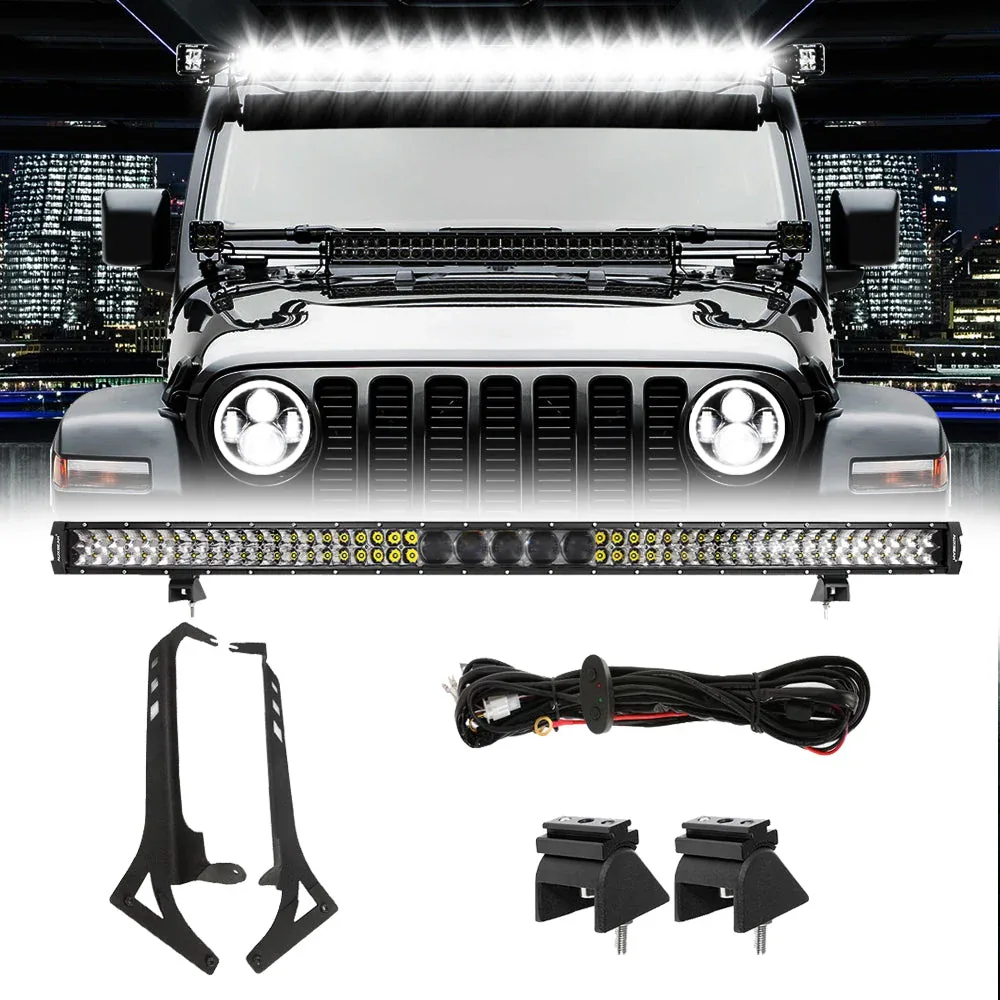
Running those lights on public roads can create a serious hazard for everyone else. A roof-mounted light bar aimed even slightly forward can blind oncoming traffic for a full second or more. At highway speeds, that's a lot of distance traveled with compromised vision.
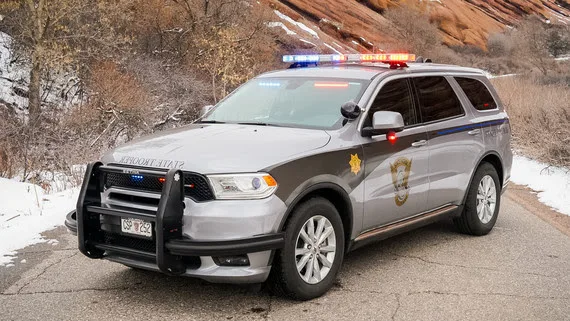
The Colorado State Patrol treats this as a primary enforcement issue. Officers don't need another reason to pull you over. If your auxiliary lights are on, uncovered, or aimed wrong on a public highway, you're giving them probable cause.
The real cost of guessing wrong
A single citation under CRS 42-4-217 can cost you between $50 and $150. That's just the fine. If your lighting setup caused or contributed to an accident, you're looking at civil liability.
Insurance companies in Colorado take aftermarket lighting modifications seriously. They will ask questions about whether your setup complied with state law at the time of a collision.
The Core Facts: What Colorado Law Says About Auxiliary Lights
Let's get straight to the legal text. Two statutes govern everything about Colorado auxiliary lighting and off road light bar usage on public highways. You don't need to memorize them.
You do need to understand what they mean for your vehicle.
CRS 42-4-217 — The statute you need to know
This section covers the number of auxiliary lights, their mounting height, and their beam aim. Here are the key restrictions.
The law allows a maximum of four auxiliary driving lamps on any vehicle operating on a public highway. That includes fog lamps, spotlights, and light bars. Anything beyond four is illegal on pavement.
Mounting height matters. Auxiliary lights cannot be mounted higher than the headlamps on your vehicle. That means no roof-mounted light bars with the intent to use them on the highway.
If they're up there, they need to be covered or disconnected.
Beam aim is also regulated. Auxiliary lights must be aimed so they don't project a glaring light into the eyes of an oncoming driver. The beam should strike the road surface no more than 100 feet ahead of the vehicle when properly adjusted.
CRS 42-4-219 — Colors, mounting, and prohibited placements
This statute covers the color and placement restrictions. The rules are straightforward.
No red or blue lights can be visible from the front of your vehicle. Those colors are reserved for emergency vehicles. White and amber are the only legal forward-facing colors for auxiliary lighting on public highways.
Flashing or oscillating lights are prohibited unless you have an authorized emergency vehicle permit. That includes strobe functions on light bars.
How many lights are actually legal on a highway?
The short answer is four. Four auxiliary lamps total on a public highway. That includes any combination of fog lamps, driving lamps, and light bars.
Each lamp must meet the following requirements:
- It must be approved by the Colorado Department of Transportation or meet SAE standards.
- It must be mounted symmetrically if paired.
- It must have a separate switch that allows the driver to turn it off independently.
- It must be adjusted so the beam does not project above the horizontal plane of the lamp center.
The Risks: What Happens When You Get This Wrong
The consequences go beyond a simple fix-it ticket. Let's talk about what actually happens.
State Patrol enforcement priorities
Colorado State Patrol officers are trained to spot improperly used auxiliary lighting. They look for light bars on roof racks that are uncovered. They watch for aftermarket pods mounted on A-pillars that aren't covered during highway travel.
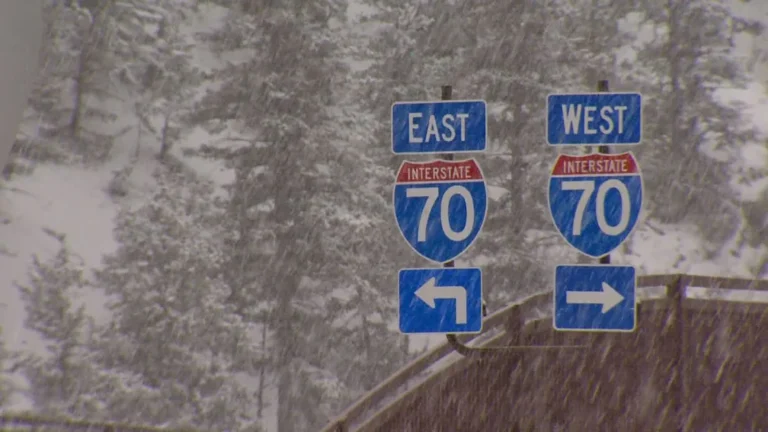
Enforcement is most common along the I-70 mountain corridor, US 285, and rural highways near off-road trailheads. Officers know exactly where to find vehicles that just came off the trail with lights still active.
Fines, citations, and liability
A citation under CRS 42-4-217 or 42-4-219 is a Class A traffic infraction. The base fine is typically $50 to $150 depending on the county. Court costs add another $30 to $50.
If the violation contributed to an accident, the stakes get much higher. Civil liability for personal injury or property damage can easily reach five or six figures. Your insurance company will want to know whether your lighting setup was legal at the time of the crash.
The safety risk you might be overlooking
A bright light bar that blinds an oncoming driver doesn't just affect that one vehicle. It creates a chain reaction. The blinded driver veers, swerves, or slows unpredictably.
The vehicles behind them react. On a two-lane Colorado mountain highway, that chain reaction can turn deadly in seconds.
Light Bars vs. Auxiliary Pods vs. Fog Lights
Not all auxiliary lighting is treated the same under Colorado law. The type of light matters. So does the beam pattern.
Beam patterns and where they matter
Colorado law distinguishes between three types of auxiliary lights.
Driving lamps produce a concentrated, long-range beam. They are designed to supplement high beams on dark roads. They are legal under CRS 42-4-217 as long as they don't exceed the four-lamp limit and are properly aimed.
Fog lamps produce a wide, low beam with a sharp cutoff. They are designed for use in fog, snow, or heavy rain. They are legal as long as they are mounted below the headlamps and aimed to hit the road surface within 50 feet.
Light bars fall into a gray area. Most light bars produce a flood pattern that casts light in a wide, uncontrolled spread. That pattern does not meet the beam aim requirements of CRS 42-4-217 if it projects above the horizontal plane.
Amber vs. white — it's not just preference
Amber auxiliary lights are generally safer for highway use. They produce less glare in fog and snow. They are also less likely to trigger a citation because they don't look like off-road lights.
White auxiliary lights, especially high-lumen LED bars, attract more attention from law enforcement. They are more likely to be perceived as a glare hazard.
Amber fog lamps rarely get cited. White roof-mounted light bars get cited frequently.
The "Off-Road Only" Label: Does It Actually Protect You?
A lot of drivers think the "off-road only" label on their light bar packaging gives them some legal protection. It doesn't.
What the packaging means
That label is a manufacturer disclaimer. It says the light bar is not certified for on-road use under Federal Motor Vehicle Safety Standard 108. It does not give you permission to use it on public land.
The label actually works against you. If you get cited, the prosecution can point to the packaging. They can argue that you knew the product was not intended for highway use.
Why a cover isn't always enough
Many drivers install a light bar on their roof and put a vinyl cover over it during highway driving. They assume the cover makes it legal. It doesn't.
Colorado law requires that auxiliary lights be turned off or disconnected while on a public highway. A cover that blocks the light output is not the same as disabling the light. Some officers will cite you for an uncovered light bar even if it's turned off.
The reasoning is that the light bar could be activated at any time.
The safest approach is to disconnect the power or remove the light bar entirely when you plan to drive on public roads. If that's not practical, you need a physical switch that kills power to the auxiliary circuit. And you need to use it every time you hit pavement.
Step by Step: How to Use Auxiliary Lighting Legally on Colorado Highways
Here is the practical process for staying compliant.
Before you drive on pavement
Check all auxiliary lights. Make sure they are turned off at the switch. If you have a roof-mounted light bar, verify that it is not powered.
If you have removable lights, take them off.
Check the aim of any fixed auxiliary lights. They should point downward and forward to hit the road surface within 100 feet. Use a level surface and a wall to verify the beam cutoff.
Covering vs. disabling — what actually works
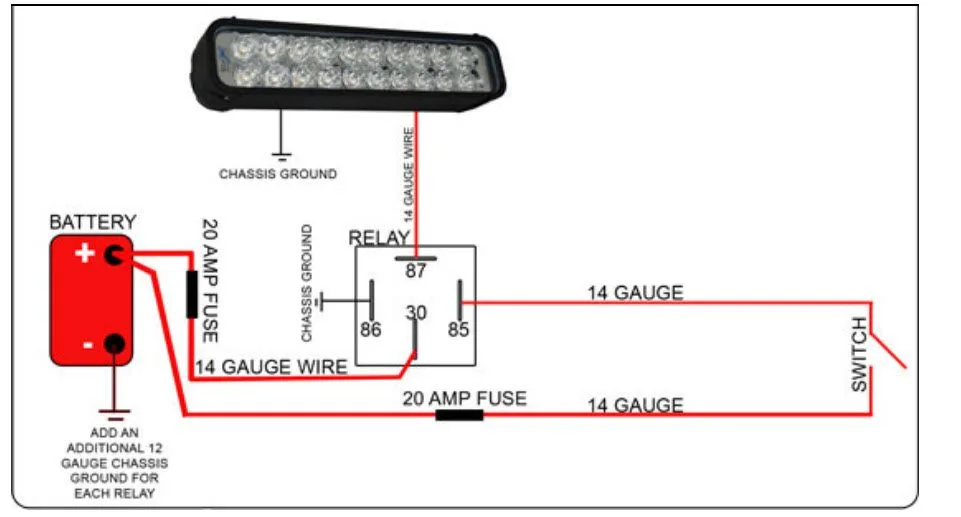
Install a dedicated switch that cuts power to the entire auxiliary lighting circuit. Use a relay rated for the amperage of your lights. Wire the switch so it is clearly marked and easily accessible.
Physical covers are acceptable only if they are opaque and completely block all light output. A tinted lens cover is not enough. The cover must prevent any light from being visible.
Switching and wiring requirements
Your auxiliary lights must be wired so they cannot turn on automatically. They need a manual switch that the driver operates. The switch must be within reach of the driver's seat.
The wiring should include an inline fuse rated for the load. This prevents electrical fires and shows that the installation was done with care. If you ever need to defend your setup in court, well-documented wiring helps your case.
For more maintenance tips, check out our blog for regular updates.
Common Mistakes Colorado Drivers Make
Let's talk about the errors that show up most often in enforcement reports and owner forums.
The glare problem nobody talks about
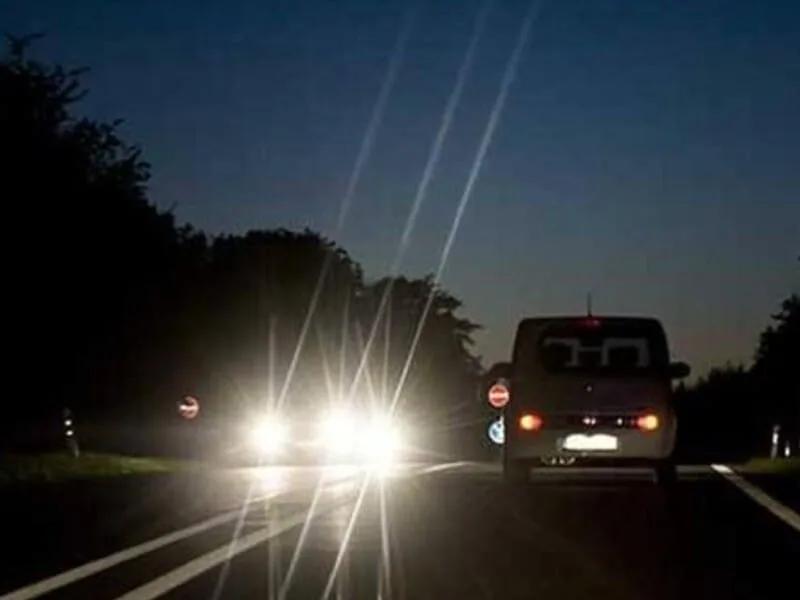
The most common mistake is beam aim. Drivers install a light bar and point it straight ahead. They don't realize that a slight upward tilt blinds oncoming traffic for hundreds of feet.
A properly aimed auxiliary light should hit the road no more than 100 feet ahead. If you can see the light beam reflecting off road signs or overpasses, you're aimed too high.
Tinted lenses and what the law really says
Smoked or tinted lens covers are popular. They look aggressive. They reduce visible light output.
They do not make a light bar legal.
The law requires that auxiliary lights be off or covered by an opaque material. A tinted lens that still transmits light is not a legal cover. If an officer can see the light housing through the tint, they can cite you.
Leaving lights uncovered in town
Drivers who live in rural areas often leave their auxiliary lights uncovered. They drive through town with roof-mounted bars fully exposed. That's a citation waiting to happen.
The rule applies everywhere on public roads. City streets, county roads, and state highways all count as public highways under Colorado law. If you're on pavement, your auxiliary lights need to be off and covered.
A regular maintenance routine helps catch these issues early. Inspect your exterior after each wash, especially around the light housings.
When Does Colorado Law Actually Allow Auxiliary Lights on Roads?
There are specific situations where auxiliary lights are legal on Colorado highways.
Genuine fog, snow, or bad weather exceptions
Fog lamps can be used during actual fog, heavy snow, or rain. The law allows them when visibility is reduced to less than 500 feet. The key word is "actual." You cannot run fog lamps in clear weather just because you like the look.
Rural highway driving at night
Driving lamps can be used on rural highways when there is no oncoming traffic. They must be dimmed when a vehicle approaches from either direction. Colorado law requires that auxiliary driving lamps be switched off within 500 feet of an oncoming vehicle.
Agricultural and commercial vehicle allowances
Farm vehicles and commercial trucks have slightly different rules. Agricultural vehicles can use auxiliary lighting for field work and roadway travel during planting and harvest seasons. Commercial vehicles must follow FMVSS 108 and cannot use non-compliant lighting.
How Installation Wiring Affects Your Legal Standing
Your wiring setup matters more than you might think. A properly installed system shows intent to comply. A sloppy setup suggests the opposite.
Why a relay and fuse matter
A relay protects your vehicle's electrical system. It allows the high current draw of LED light bars to be controlled by a low-current switch. A fuse protects against shorts and fires.
If an officer or insurance adjuster sees a fused and relayed setup, it signals that you took the installation seriously. If they see bare wires and tape splices, it signals neglect.
Toggle switch placement
Your auxiliary light switch should be clearly marked. It should be within easy reach of the driver. It should not be hidden or hard to access.
A switch labeled "AUX" or "LIGHTS" with a backlit indicator is ideal. It shows that the system was designed and installed with attention to safety.
Avoiding electrical issues on modern vehicles
Modern vehicles have sensitive electrical systems. Tapping into the wrong circuit can cause check engine lights, battery drain, or even module damage. Use a proper relay harness and avoid tapping into CAN bus wires.
For protecting your vehicle's exterior during modifications, our article on PPF car wash shampoo offers practical advice for maintaining painted surfaces.
Real Scenarios: What Colorado Drivers Actually Experience
Let's look at what enforcement looks like in different parts of the state.
I-70 mountain corridor enforcement
The stretch between Denver and Glenwood Springs sees frequent enforcement. Officers look for light bars on Jeeps and trucks coming off trailheads. A common stop happens near exit 203 for Loveland Ski Area.
Drivers report that officers ask about the switch and cover situation first. If the lights are uncovered and unwired, the citation is automatic.
Eastern plains highway stops
US 287 and CO 14 see less enforcement but the stakes are higher. Speeds are higher. Distances between towns are longer.
A light bar that blinds an oncoming driver at 70 mph creates a serious risk.
Rural vs. urban enforcement differences
Rural sheriff's deputies tend to be more lenient with farm vehicles and trucks with proper fog lamps. Urban police and State Patrol officers are stricter. In Denver and Colorado Springs, any visible auxiliary light bar on a public street can result in a stop.
Costs Attached to Getting It Wrong
Let's put real numbers on the table.
Typical citation amounts
A Class A traffic infraction for improper lighting costs $50 to $150 in base fines. Court costs add $30 to $50. Some counties add a surcharge for traffic safety programs.
Court costs and points on your license
Improper lighting does not add points to your Colorado driver's license. That's the good news. The bad news is that multiple citations in a year can flag your driving record for insurance purposes.
Insurance implications
Your insurance company can raise your rates after a lighting citation. They classify it as a moving violation. If the citation is tied to an accident, the rate increase can be significant.
Some insurers will deny coverage for aftermarket modifications that are not disclosed. If you have auxiliary lights installed and didn't tell your insurer, you could face a coverage gap.
Expert Tips for Colorado Vehicle Owners
Here's what experienced owners do to stay legal and safe.
Seasonal considerations
Winter brings more fog and snow. That means more legitimate fog lamp use. It also means more officers watching for improper lighting.
In summer, off-road season peaks. More vehicles come off the trails with lights still uncovered. That's when enforcement spikes.
Pre-trip check for highway driving
Make a habit of checking your lights before every highway trip. Turn off the auxiliary switch. Verify that covers are in place.
Check the beam aim if you adjusted it on the trail.
Working with your local sheriff's office
If you're unsure about your setup, call your local sheriff's office. Ask to speak with a traffic enforcement officer. Describe your lighting configuration.
They will tell you whether it's legal in their jurisdiction.
Our guide on the recommended PSI for washing cars includes tips for safely cleaning light housings without damaging seals.
What to Do If You Get Pulled Over
Getting stopped for a lighting violation is stressful. Here's how to handle it.
Your rights and responsibilities
You have the right to remain silent beyond providing your license, registration, and proof of insurance. You do not have to admit that you knew the lights were illegal.
Be polite. Acknowledge the officer's concern. If you have a switch that disables the lights, show it to the officer.
If you have covers, put them on.
How to handle a lighting citation
If you receive a citation, you have options. You can pay the fine. You can appear in court and explain your setup.
Or you can provide proof of correction and ask for a reduction.
Many Colorado courts will reduce the fine if you show that you have corrected the issue. Bring photos of the corrected setup and a receipt if you had a professional rewire the lights.
Final Decision Guide: Keeping Your Lights On Without Legal Trouble
Here's a quick checklist to run through before any highway trip.
- Make sure every auxiliary light has a dedicated off switch.
- Verify that all lights are turned off before entering a public road.
- Check that opaque covers are in place on any lights that cannot be removed.
- Aim all fixed auxiliary lights so the beam hits the road within 100 feet.
- Use amber or yellow lights for fog and bad weather.
- Avoid white light bars on roof mounts for highway use.
- Keep your wiring tidy and fused.
- Label your switches.
- Disclose all modifications to your insurance company.
When to seek professional installation advice
If you're not comfortable with automotive electrical work, hire a professional. A bad wiring job can cause a fire. It can also void your vehicle warranty on affected systems.
Professional installers know the Colorado regulations. They can help you design a setup that works off-road and stays legal on pavement.
For maintaining your vehicle's appearance after installation work, check out our article on what car wash brushes scratch paint to avoid damage during routine cleaning.
Frequently Asked Questions
Can I run my light bar on the highway if I cover it with a vinyl cover?
A vinyl cover may not be enough. Colorado law requires that auxiliary lights be turned off or disconnected. A cover is only acceptable if it is fully opaque and blocks all light.
Some officers will still cite you for a covered light bar because it could be turned on.
How many auxiliary lights can I have on my truck in Colorado?
The law allows a maximum of four auxiliary lamps on any vehicle operating on a public highway. This includes fog lamps, driving lamps, and light bars combined. More than four is illegal on pavement.
Are amber fog lights legal in Colorado?
Yes. Amber fog lights are legal as long as they are mounted below the headlamps and aimed properly. They must be used only during fog, snow, or heavy rain.
Running them in clear weather can result in a citation.
Do I need to remove my roof light bar for highway driving?
You do not have to remove it. You need to disable it. The simplest method is a dedicated off switch that cuts power to the light bar.
Some owners also use opaque covers. Removal is the safest option if you want zero risk of a citation.
Can I get points on my license for a lighting violation in Colorado?
No. Improper auxiliary lighting is a Class A traffic infraction. It does not add points to your driver's license.
However, multiple citations can affect your insurance rates.
What should I do if I get pulled over for my lights in Colorado?
Stay calm. Be polite. Show the officer your switch or cover if you have one.
If you receive a citation, you can pay it, contest it in court, or provide proof of correction for a possible fine reduction.