ByMax Lee
Guide to Colorado Abandoned Vehicle Removal Process on Public and Private Land
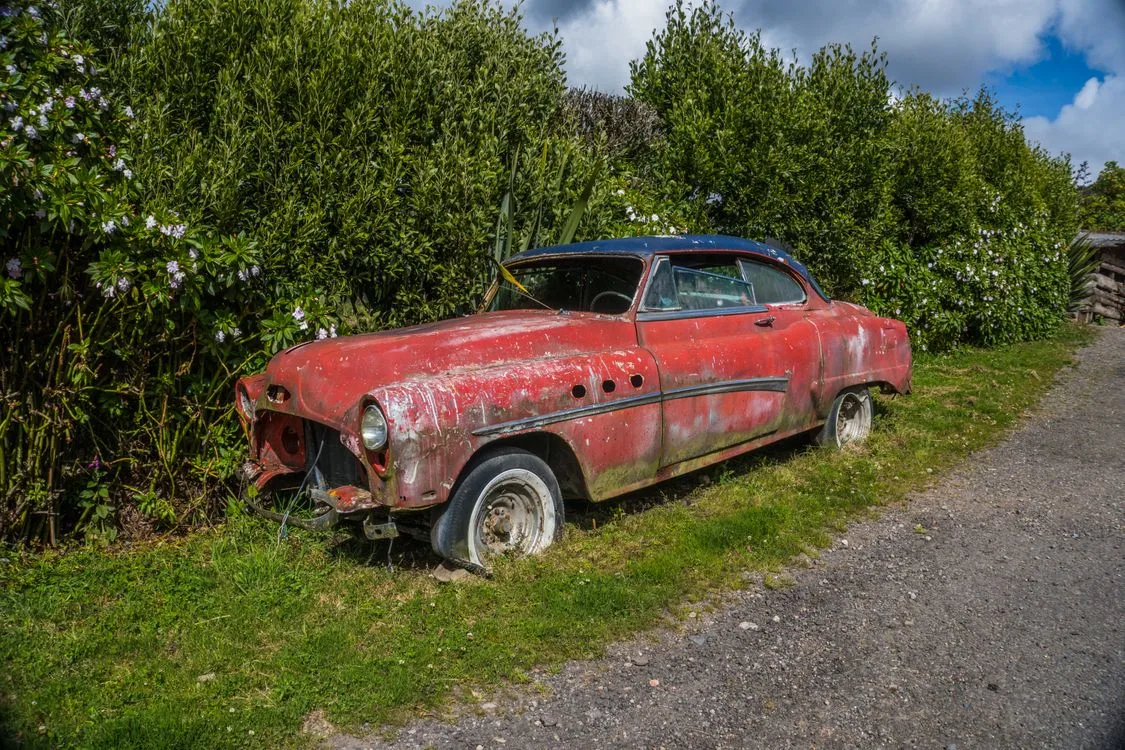
You come home one evening, and there it is. A strange car sitting on your driveway, or maybe parked on that vacant lot you own. It showed up a few days ago, hasn't moved, and nobody seems to own it.
The Colorado abandoned vehicle removal process on public and private land isn't one-size-fits-all, and getting it wrong can cost you time, money, and legal headaches.
Colorado law draws a sharp line between vehicles left on public roads and those dumped on private property. On public land, the clock starts at 48 hours. On private land, it's just 24 hours before that car is legally considered abandoned per C.R.S. § 42-4-1801.
Knowing which side you're on determines who you call, how long you wait, and what paperwork you file. Let's walk through it step by step.
Quick Answer
The Colorado abandoned vehicle removal process depends on where the car sits. For public property, call law enforcement. For private property, you handle the notice yourself.
Wait the required time. Hire a PUC-licensed tow company. File form DR 2429 with the DMV.
Follow the rules exactly to avoid liability.
Bing (Web (fair-use with source credit))
Why Getting This Process Right Matters More Than You Think
This isn't about being a good neighbor. It's about avoiding a lawsuit. If you move a vehicle without following Colorado's statutory process, the owner can sue you for conversion.
Even if the car looks like junk, it still belongs to somebody on paper.
Towing companies that skip steps face fines from the Colorado Public Utilities Commission. Property owners who bypass proper notice get stuck with storage fees they can't recover. And if the car turns out to be stolen, you could land in the middle of a criminal investigation.
Doing it right gives you legal protection. Colorado's statute shields property owners who follow the rules. You get the car removed.
The tow company gets paid. The owner gets their chance to reclaim it. Everybody stays out of court.
As of 2026, local ordinances add their own twists. Some Colorado cities like Denver and Colorado Springs have additional rules about how long vehicles can sit on residential streets. Always check your local city code alongside the state statute.
What Actually Counts as an Abandoned Vehicle in Colorado
Before you start the removal process, confirm the vehicle meets the legal definition. Colorado law is specific. A vehicle isn't abandoned just because it looks old or has a flat tire.
It has to meet certain conditions.
| Condition | Public Property | Private Property |
|---|---|---|
| Time unattended | 48+ hours | 24+ hours without owner consent |
| Visual clues | Expired plates, flat tires, missing parts, inoperable condition | Same, but the key factor is lack of permission from the property owner |
| Ownership status | Registered owner can be identified or unknown | Same |
The clock starts ticking the moment the vehicle is left unattended. On a public street, two full days makes it legally abandoned. On private land, that drops to 24 hours.
But here's the catch. The owner must not have permission to be there. If you told a friend they could park their broken-down car on your lot for a week, it's not abandoned during that week.
A car with expired tags parked on a public street might be someone's daily driver they can't afford to register. A broken-down RV on private land could be a person's only home. You can't assume abandonment just from appearance.
If you're unsure, run the plates through the Colorado DMV database. Your local law enforcement agency can confirm whether the vehicle is registered, stolen, or flagged for any other reason. This is a free service and saves you a lot of guesswork.
The First Fork in the Road: Public Land vs. Private Land
This is the single most important distinction in the entire process. Everything else flows from this one decision point. Public land and private land follow completely different paths.
| Factor | Public Land | Private Land |
|---|---|---|
| Who initiates | Law enforcement | Property owner or authorized agent |
| Notice requirements | Officer posts notice on vehicle | Owner mails certified notice to owner and lienholders |
| Waiting period after notice | 72 hours | 30 days |
| Agency involvement | Police handle the whole process | Property owner hires tow company directly |
| Cost liability | Typically covered by city or county | Property owner may pay upfront, then recover from vehicle sale |

Bing (Web (fair-use with source credit))
If the vehicle is sitting on a public right-of-way like a city street, county road, or state highway, you don't have to do anything yourself. Call the local police department or the county sheriff's office. They'll take it from there.
If the vehicle is on your private property, you're in the driver's seat. That includes your driveway, your lawn, your vacant lot, or your commercial parking lot. You are responsible for initiating the process and following the notice requirements.
Law enforcement won't remove a vehicle from private property unless there's a crime involved or the vehicle is blocking a public access point.
If you live in a neighborhood with a homeowners association, the roads inside the community might be private. That means they're treated like private land. Check your HOA covenants and talk to your property manager.
How the Removal Process Works on Public Property
If the abandoned vehicle is on public land, law enforcement handles the heavy lifting. But you still need to know the steps so you can report it correctly.
Call the right agency. Inside city limits on a municipal street, call the city police department. On a county road outside city limits, call the county sheriff's office.
On a state highway or interstate, call the Colorado State Patrol.
Report the vehicle with its exact location, license plate number, make and model, how long it's been sitting, and any visible damage. The dispatcher will create a case number. Write this down.
An officer will visit the location and confirm the vehicle meets the definition of abandoned. If it does, they'll affix a written notice to the vehicle. This starts the 72-hour waiting period.
The owner has three days to respond.
If the owner doesn't come forward, the officer authorizes a PUC-licensed towing company to remove the vehicle. The tow company takes it to a licensed storage yard.
After the tow, the law enforcement agency files an abandoned vehicle report with the county DMV. If the vehicle is worth over $2,500, the towing company must initiate a lien sale process. If it's worth $2,500 or less, it can be sold for scrap directly.
How the Removal Process Works on Private Property
This is where most homeowners and business owners get tripped up. The process is longer and requires more effort on your part. But it's the only legal way to remove an abandoned car from your land without risking a lawsuit.
First, confirm the vehicle's status. Check whether it's stolen or has any active liens. Request this through your local police department or sheriff's office.
Give them the VIN and license plate number. If the vehicle is stolen, let law enforcement handle it entirely. Do not touch it.
Find the registered owner and lienholders. If the plates are visible, request ownership information from the Colorado DMV using form DR 2429. If there are no plates or the VIN is tampered with, ask a law enforcement officer to run the VIN.
Post a written notice on the vehicle. Make sure it's visible from outside. Include the date, your contact information, a statement that the vehicle will be removed if not claimed within 30 days, and the specific law (C.R.S. § 42-4-1801) that authorizes the removal.
Take a photo of the notice on the vehicle.
Send a certified letter, return receipt requested, to the registered owner and every lienholder on record. The letter should state the vehicle's description, that it is parked on your property without permission, that it must be removed within 30 days, and that if not removed, it will be towed at the owner's expense. Keep the certified mail receipts.
If the vehicle has no plates and the VIN is unreadable, you may not be able to identify the owner. In that case, publish a notice in a local newspaper once a week for two consecutive weeks. Include the vehicle's description and your intent to remove it.
Wait the full 30 days. The clock starts from the date you post the notice on the vehicle. Even if the certified letter is returned undelivered, you still have to wait the full 30 days.
After the 30 days are up, call a PUC-licensed towing company. They will remove the vehicle and take it to their storage yard. Make sure the towing company knows this is a private property abandonment tow.
Within five days of the tow, you or the towing company must file a completed DR 2429 with the county DMV. This officially transfers responsibility to the towing company for the next step.
For more details on Colorado vehicle paperwork, browse the full guide on our blog.
The Low-Value Vehicle Shortcut ($2,500 Rule)
Colorado simplifies the process for vehicles worth $2,500 or less. If the abandoned car falls under that threshold, you skip the lien sale auction entirely. The towing company can sell it directly for scrap or parts.
How do you determine value? Use the NADA Guides wholesale value for that make, model, and year. Factor in the vehicle's condition.
A car with a blown engine, rusted frame, or missing transmission is almost certainly under $2,500.

Bing (Web (fair-use with source credit))
If the vehicle is worth $2,500 or less, the process is simpler. After the waiting period and proper notice, you authorize the tow. The towing company files the paperwork with the DMV and then removes the vehicle from the title.
You're done.
If the vehicle is worth more than $2,500, the towing company must hold a public lien sale. They advertise the sale in a newspaper. They hold an auction.
The proceeds cover the towing and storage fees, and any leftover money goes to the previous owner.
Public Authority vs. Private Landowner: Who Does What
Do you call the police for a car dumped on your driveway? No, not unless it's blocking a public sidewalk or creating a hazard.
On public land, law enforcement acts as the lead agency. They inspect, post notice, authorize the tow, and file the paperwork. Your only job is to report it.
On private land, you are the lead. You post notice. You mail certified letters.
You hire the tow company. Law enforcement only gets involved if there's a stolen vehicle report or a safety issue.
Here's a simple rule. If the vehicle is on pavement owned by the city, county, or state, call law enforcement. If the vehicle is on land you own or lease, call a PUC-licensed tow company directly.
Mistakes That Can Cost You Thousands
The biggest mistake is skipping the waiting period. You cannot tow an abandoned vehicle off private land before the 30 days are up. Doing so opens you up to a conversion lawsuit.
One Colorado property owner learned this after towing a car on day 25.
Another common error is failing to notify lienholders. If a bank holds the title and you scrap the car without notifying them, the bank can come after you. Certified mail to every lienholder on record is mandatory.
Using an unlicensed towing company is another pitfall. Only PUC-licensed tow companies can legally remove abandoned vehicles in Colorado. Unlicensed operators may charge you and then fail to process the paperwork correctly.
That leaves you still legally responsible for the car.
For vehicle maintenance and care tips while you sort out the abandonment process, check our guide on the correct water pressure for washing cars.
What You'll Actually Pay: Towing, Storage, and Admin Fees
The Colorado Public Utilities Commission sets maximum rates for towing and storage. These caps protect you from excessive charges.
| Fee Type | Typical Amount (PUC-Capped) |
|---|---|
| Standard tow (passenger car) | $150 to $250 |
| Daily storage (first 48 hours) | $25 to $50 per day |
| Extra service (winching, cleanup) | $50 to $100 |

Bing (Web (fair-use with source credit))
These fees add up fast. If a vehicle sits in storage for two weeks, you could be looking at $500 to $1,000 total. On private land, you may have to pay these fees upfront.
You can recover them from the vehicle sale if it's worth more than the fees. On public land, the city or county covers the cost.
Always ask the towing company for a written estimate before they hook up. Verify their PUC license number. This prevents surprises later.
Frequently Asked Questions
Do I need a police report to remove an abandoned vehicle from my property?
No. On private land, you do not need a police report. The property owner handles the process.
However, if the vehicle is stolen, call law enforcement immediately and let them take over.
How long do I have to wait before towing a car off my land?
You must wait 30 days after posting written notice on the vehicle. This includes mailing certified letters to the owner and any lienholders. The 30-day clock starts from the date you post the notice.
What happens if the owner shows up during the waiting period?
The owner can reclaim the vehicle at any point before the tow. They must pay any towing and storage fees that have accrued. If they take the car, you are no longer responsible for it.
Can I scrap the vehicle myself instead of hiring a tow company?
No. Only a PUC-licensed towing company can remove and process an abandoned vehicle in Colorado. Scrapping it yourself without following the statutory process is illegal and carries legal risk.
What if the vehicle has no license plates or visible VIN?
Contact your local sheriff's office to run the VIN through their database. If the VIN is tampered with or missing, the vehicle may be stolen. Law enforcement should handle the removal in that case.
Your Bottom Line: A Quick Decision Guide
Here's the simplest way to decide your next move. If the vehicle is on a public street or highway, call law enforcement. Let them handle the notice, waiting period, and tow.
Your job ends with the phone call.
If the vehicle is on your private property, you take the lead. Confirm it's been there 24 hours without permission. Check the NADA value.
If it's $2,500 or less, the low-value shortcut applies. Post notice on the vehicle. Mail certified letters to the owner and lienholders.
Wait 30 days. Then hire a PUC-licensed tow company.
Follow the steps exactly. Keep every receipt and photo. Colorado law is on your side when you follow the rules.
Skip a step and you become the one in legal trouble. Do it right, and that abandoned car disappears without a trace.