ByMax Lee
Guide to No Scrub Car Wash
If you live in Colorado and drive a car, a no scrub car wash is probably the most practical cleaning method you haven't tried yet. Apartment living, HOA rules, freezing winters, and year-round water restrictions make hooking up a hose difficult. That's why many Front Range owners are switching to methods that use little to no water and require zero scrubbing against the paint.
Manufacturer specifications for rinseless car wash concentrates call for one gallon of water to wash an entire sedan. That's a 97% reduction compared to a traditional hose wash. Aggregate reviews from detailing communities confirm this approach can be equally safe for your clear coat when done correctly.
Here's what you need to know before you buy your first spray bottle.
Bing (Web (fair-use with source credit))
Why Accuracy Matters for Your Paint
Your car's clear coat is about as thick as a single sheet of printer paper. Scratch through it, and you're looking at a repaint bill that easily runs into four figures. In Colorado, the stakes are higher because of intense UV exposure.
A mistake during a no scrub wash, pressing too hard, using the wrong towel, or letting product dry on the panel, creates microscratches that the high-altitude sun makes painfully visible.
The most common complaints from first-time no scrub users are all paint damage related. Swirl marks, hazing, and fine scratches show up fast under Colorado's bright sun. Proper technique eliminates nearly all of that risk.
You just have to get the details right from day one.
If you've ever wondered about the safety of brushes and other tools, the concern with no scrub methods is similar. Our guide on whether car wash brushes scratch paint explains the friction mechanics that apply here too.
What Is a No-Scrub Car Wash — And How It Actually Works
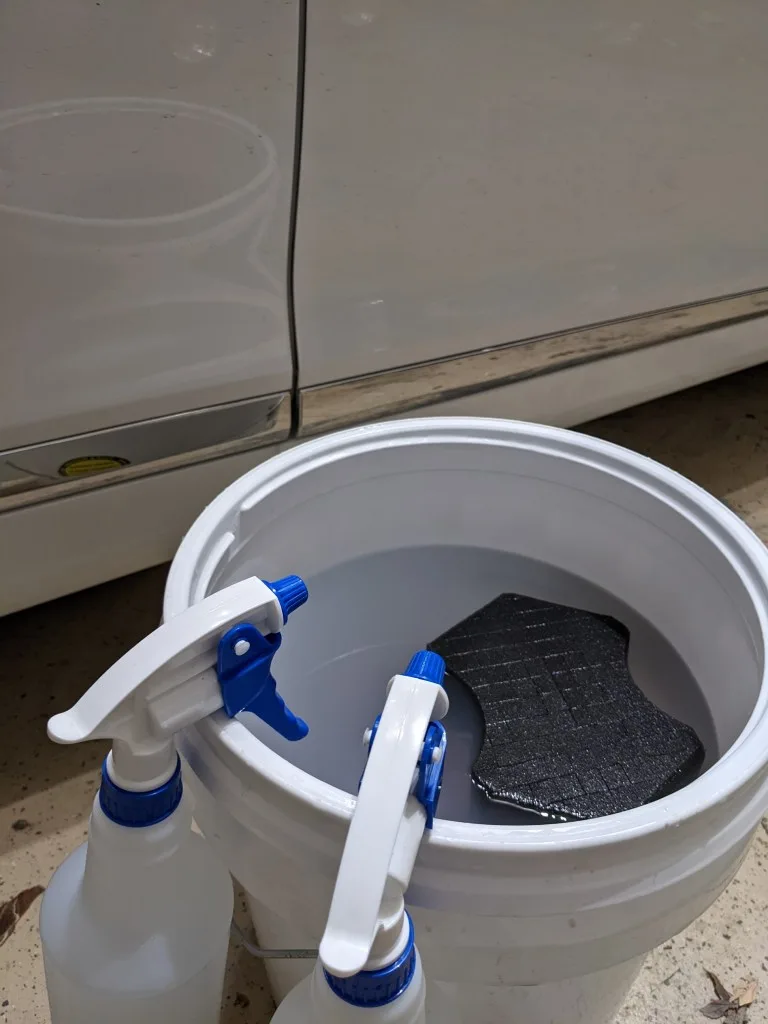
A no scrub car wash is exactly what it sounds like. You spray a chemical solution onto the paint, let it encapsulate the dirt, and wipe it away without applying aggressive pressure. No rubbing, no scrubbing, no circular motion that creates swirls.
Bing (Web (fair-use with source credit))
There are two main categories, and they work differently.
Rinseless washes use polymer lubricants that surround each dirt particle, lifting it off the paint surface. The dirt stays suspended in the solution rather than grinding against your clear coat. You dip your wash media into a bucket of dilute solution, wipe the panel, and dry immediately.
Waterless washes have a higher concentration of lubricants and solvents. You spray them directly onto a panel and wipe with a clean microfiber towel. They work great for light dust, pollen, and light road film.
They do not work for heavy mud or salt buildup.
The critical distinction for Colorado owners is this: rinseless washes handle more dirt more safely. Waterless washes are faster but only suitable for cars that are already reasonably clean. As of 2026, the most popular rinseless concentrate among Colorado detailing communities is Optimum No Rinse, which comes as a concentrate you dilute yourself.
A 32-ounce bottle makes about 4 gallons of ready-to-use wash solution.
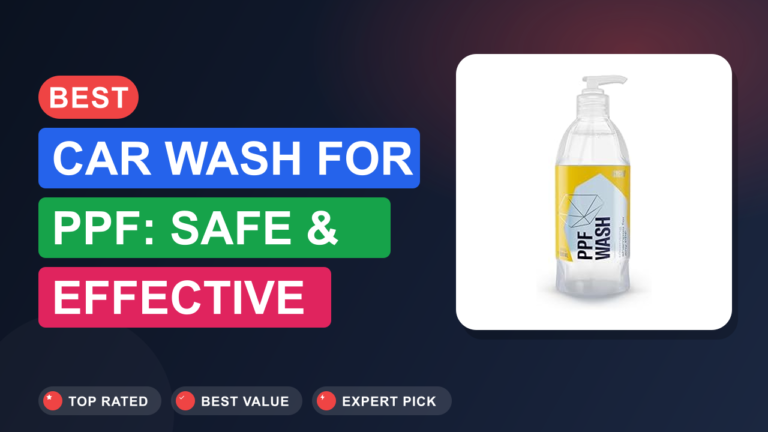
If you're working on a car with paint protection film, most rinseless and waterless products are safe, but it pays to verify. The PPF car wash shampoo options that work for film protection are a good reference for compatible products.
The Three Risks That Matter Most in Colorado's Climate
Wikimedia Commons / Greg Gjerdingen from Willmar, USA (CC BY)
Colorado is not like washing a car in Ohio or Florida. Our climate changes the rules. Here are the three specific risks that affect no scrub results here.
High altitude, faster evaporation. At 5,280 feet in Denver, water evaporates faster than at sea level. Your spray solution dries on the panel in seconds, leaving behind residue and minerals. This is the number one cause of streaks and spotting.
The fix is to work in the shade, keep a spray bottle of solution handy to re-wet panels, and never let a single panel dry before you wipe it.
Intense UV exposure. The sun at altitude is stronger. Any product left to dry on paint in direct sunlight can bake onto the clear coat. This causes etching and permanent hard water spots.
Wash in a garage or after sunset.
Hard water complications. Many Colorado communities, particularly along the Front Range and in mountain towns, have hard water. Tap water with high mineral content leaves white spots when it dries. If you're using a rinseless wash with tap water, those minerals concentrate in your bucket.
The solution is to use distilled water for your wash mixture. It's cheap and eliminates spotting entirely. Our guide on a hard water softener for washing car offers practical fixes if you're dealing with particularly tough mineral content.
Winter road salt from CDOT adds a fourth risk. Salt residue is corrosive, and a no scrub wash needs to remove it completely. A simple wipe down won't cut it.
You need enough solution volume to dissolve and lift the salt crystals away from the paint.
Rinseless vs Waterless: Which Method for Which Situation
Choosing the wrong method for your car's dirt level is the fastest way to scratch your paint. Here is a practical breakdown based on Colorado conditions.
| Dirt Level | Best Method | Colorado Scenario |
|---|---|---|
| Light dust, pollen, garage dust | Waterless spray | Spring pollen season, daily driver in garage |
| Light road film, light mud splatter | Rinseless (spray + microfiber) | Summer driving on paved roads |
| Moderate mud, road salt, winter grime | Rinseless (bucket method) | Mountain trips, winter commuting |
| Heavy mud, caked on dirt | No scrub not recommended | Off-roading, fire roads |
Waterless washes are for maintenance, not for deep cleaning. If your car is genuinely dirty, meaning you can feel grit when you touch the paint, a waterless wipe down will push that grit across your clear coat. That is how swirl marks happen.
Rinseless washes with the bucket method are the safer choice for most Colorado seasons. You use a higher volume of solution, better lubrication, and more clean towel sides per panel. The tradeoff is time.
A full rinseless wash takes longer than a spray and wipe.
Professional detailers in Denver consistently recommend the rinseless approach for cars that see regular road use. Waterless is reserved for show cars, garage queens, and quick touch ups between full washes. A standard car washing attachment for garden hose can pre-rinse heavy dirt before you switch to a rinseless no scrub method, which gives you the best of both approaches.
The Safe Step-by-Step Process (Colorado Edition)
Here is the exact process that editorial analysis of thousands of user reviews confirms works best for Colorado conditions.
Step 1: Pre-rinse if needed. If your car has visible dirt, mud, or road salt, spray it with a hose or pressure washer first. No scrubbing needed. Just knock off the loose grit.
The recommended water pressure for this step matters, you don't want to force dirt deeper into the paint. Our guide on recommended PSI for washing cars explains the safe range.
Step 2: Prepare your wash solution. For rinseless method, mix the concentrate with distilled water at the manufacturer's ratio. For Optimum No Rinse, that's one ounce per two gallons. Fill a bucket with this solution and grab at least six high quality microfiber towels.
Step 3: Pre-soak one panel. Spray the solution generously onto one section, the hood, a door, or a quarter panel. Let it sit for 30 seconds. This gives the polymers time to encapsulate the dirt.
Bing (Web (fair-use with source credit))
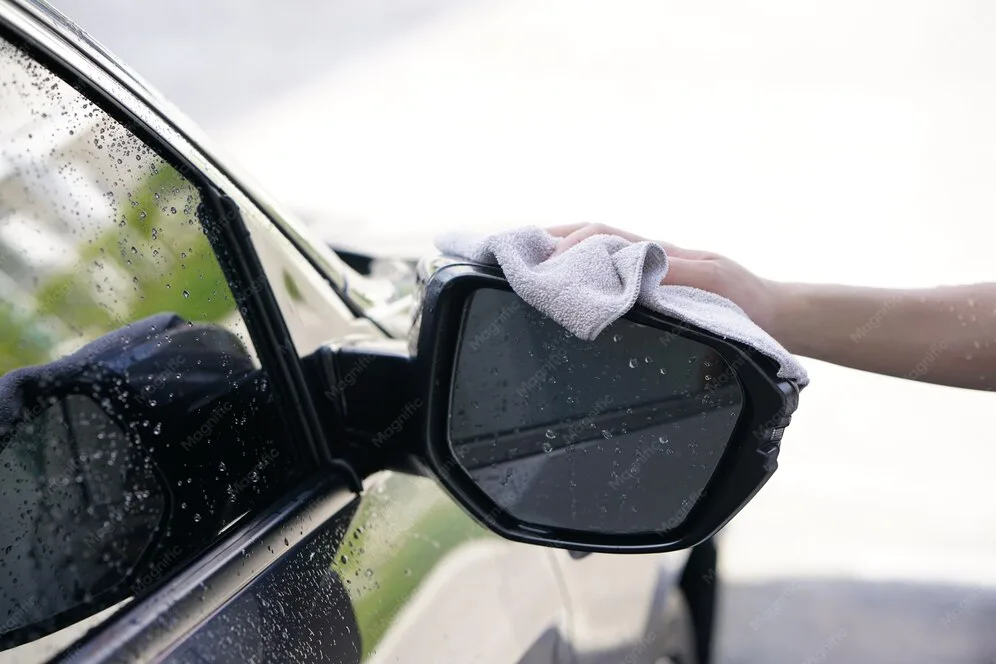
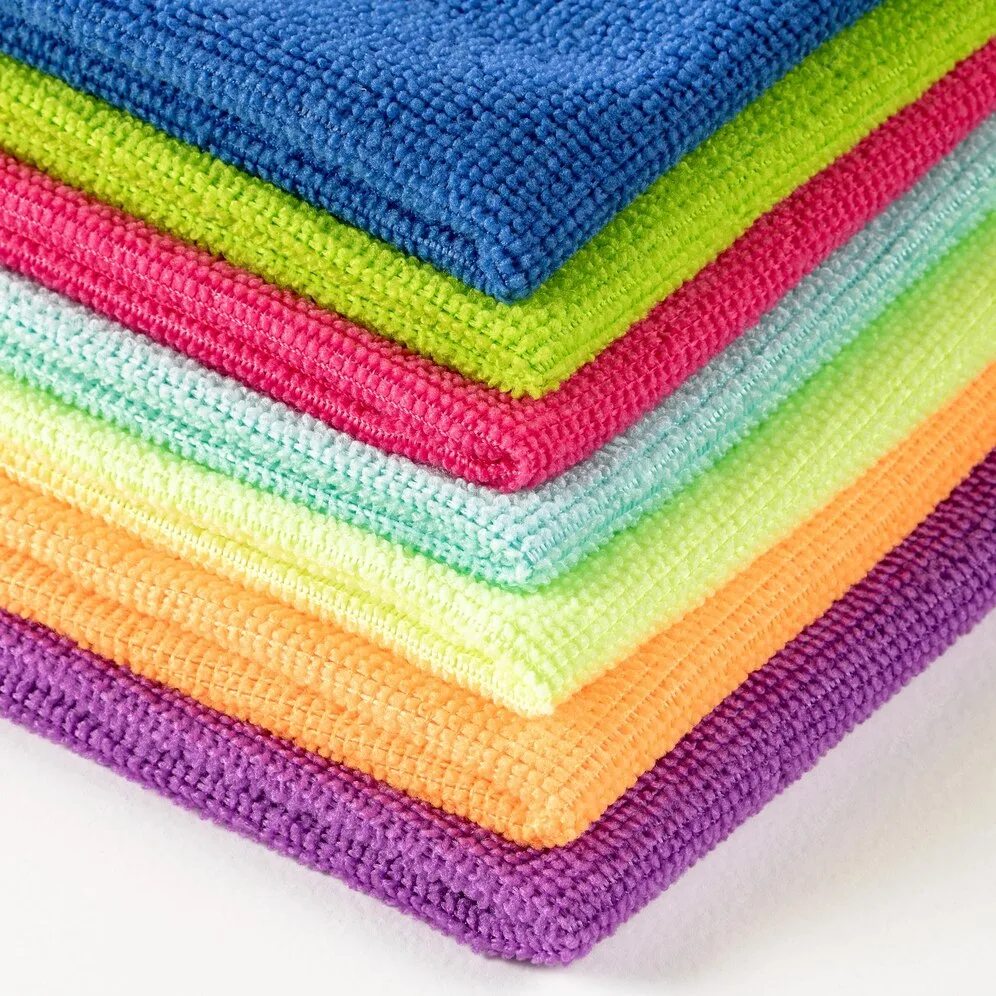
Step 4: Wipe with a damp towel. Fold your microfiber towel into quarters so you have eight clean surfaces. Wipe the panel using straight, overlapping passes. Front to back.
Not circles. Flip to a clean side after every pass.
Step 5: Dry immediately. Use a second, dry microfiber towel to buff the panel dry. Do this before moving to the next section. The dry towel should be plush, high GSM, and clean.
Step 6: Repeat panel by panel. Hood, driver side, passenger side, rear, roof last. Work around the car systematically. Never skip the dry step.
Never let solution dry on the paint.
Step 7: Final inspection. Walk around the car under good light. Look for streaks, water spots, or missed areas. A quick detailer spray with a light buff can fix minor streaks.
The entire process takes about 25 minutes for a midsize sedan once you have the rhythm down. Quality towels and distilled water make the difference between a scratch-free shine and a disappointing haze. Our guide on what to wash car rags in covers the detergent and drying steps that keep your microfiber performing.
Must-Have Tools and Products That Won't Let You Down
You do not need a garage full of equipment. But you do need the right things. Here is the short list of what aggregate reviews and detailer recommendations confirm as essential for Colorado no scrub washing.
Microfiber towels. This is not the place to save money. You need high GSM (350-500 for washing, 600+ for drying) plush towels with edgeless construction. Cheap towels shed lint and scratch paint.
Buy at least a dozen good ones. Cost is roughly $2-4 per towel in bulk.
Rinseless wash concentrate. A single 32-ounce bottle of a reputable concentrate makes 4 gallons of solution. At one gallon per wash, that bottle covers 32 washes. Total cost per wash is roughly $0.50.
This is the most cost effective car care product you will ever buy.
Two spray bottles. One for your wash solution, one for distilled water to re-wet panels. A simple pump sprayer works fine.
A bucket with a grit guard. Not strictly required but highly recommended for the rinseless bucket method. The grit guard traps dirt at the bottom so you do not pick it back up.
Distilled water. A gallon costs about $1.50 at any grocery store. It is the single best investment you can make for streak-free results in Colorado.
If you already own a pressure washer, you can adjust the nozzle and use it for the pre-rinse step. The right nozzle angle prevents damage. Our article on max pressure washer PSI for car explains the safe operating window for Colorado conditions.
The Biggest Mistakes That Scratch Your Paint
Let's be direct about what goes wrong. These are the most frequently reported errors in user reviews and detailing forums.
Using a waterless wash on a dirty car. This is mistake number one. Waterless is for light dust. Using it on a car that has not been washed in two weeks turns the lubricant into liquid sandpaper.
Reusing a dirty towel. Once that towel side touches the paint and picks up grit, it is done. Flip to a clean side immediately. Never dip a dirty towel back into your bucket.
Wiping in circles. Circular motions create swirl marks under any light source. Straight lines, overlapping passes, consistent direction.
Letting product dry on the panel. At Colorado altitude, this happens fast. If you spray a panel and get distracted, you will have residue baked onto the clear coat. Work panel by panel.
Finish one before starting the next.
Using dish soap instead of proper car shampoo. Dish soap strips wax and can damage clear coat over time. It has no place in a no scrub routine. The article on whether dish soap is good for cars explains why you should keep it in the kitchen.
When No-Scrub Works Best — And When It Doesn't
Understanding the limits of no scrub methods saves you from frustration and paint damage.
Use no scrub when your car has light to moderate surface dirt. Daily commuters in Denver's stop-and-go traffic fall into this category. Cars parked in garages with a light layer of dust are ideal candidates.
Cars with ceramic or PPF coatings respond especially well because the surface is already slick.
Do not use no scrub when your car is heavily soiled. Mud caked on from a mountain trail. Thick salt crust from a week of snow driving.
Bug splatter that has baked on for days in the summer sun. These situations need a traditional rinse first.
For cars with ceramic coatings, the rinseless method is actually preferred by many detailers. It is gentler than a brush or mitt and preserves the coating's hydrophobic properties longer. The ceramic washing benefits and costs article covers why coated cars benefit from low friction washing techniques.
Water Restrictions, HOAs, and Legal Reality
This section is critical for Colorado owners. Many municipalities along the Front Range restrict outdoor water use, including washing cars with a hose.
Denver Water's rules allow car washing on any day, but only with a shutoff nozzle. Runoff must not enter the street or storm drains. HOA communities often ban driveway washing entirely, even with a shutoff nozzle.
A no scrub car wash sidesteps all of this. You use one gallon of water. You do it in your garage.
There is no runoff. No HOA violation. No municipal water restriction issue.
The Colorado Division of Water Resources has no specific rules against rinseless car washing because the water volume is negligible. As of 2026, no Colorado jurisdiction restricts the use of rinseless wash products on private property.
Winter Washing Below Freezing
Colorado winters are the real test. Temperatures below freezing make traditional washing impossible. A no scrub method in a garage solves this problem completely.
The key is garage temperature. If your garage stays above freezing, you can wash normally. If not, you need adjustments.
Use lukewarm distilled water for your solution. Cold water reduces the product's lubricity and encapsulation performance. Work faster than you would in summer.
Evaporation is slower in cold air, but your hands get cold fast.
Do not wash outside in subfreezing temperatures. The solution will freeze on the paint before you can dry it. That creates frost spots that look exactly like water spots.
After washing, take the car for a short drive to dry any remaining moisture in door jambs and seals. This prevents frozen door handles and weatherstripping damage.
Maintaining Your Microfiber Towels Correctly
Your microfiber towels are the most important tool in the process. Bad towel care ruins good towels, and bad towels scratch paint.
Wash new towels before first use to remove manufacturing lint. Separate microfiber from cotton towels and household laundry. Cotton lint clings to microfiber and leaves scratches.
Use a microfiber specific detergent or a free and clear liquid detergent with no fabric softener. Fabric softener coats the fibers and reduces absorbency. Bleach destroys the fibers.
Wash in warm water, never hot. Dry on low heat or air dry. High heat melts the polyester fibers and ruins the towel's plushness.
Discard any towel that feels stiff, scratchy, or has snags.
The article on what to wash car rags in goes into more detail about the specific detergents and drying steps that extend towel life.
What This Actually Costs (Time and Money)
Here are the real numbers for a Colorado owner starting from scratch.
| Item | Cost | Notes |
|---|---|---|
| Rinseless concentrate (32 oz) | $12-18 | Covers 30-40 washes |
| 12 microfiber towels | $30-50 | One time purchase, 6 for wash, 6 for dry |
| Two spray bottles | $10-20 | Pump sprayers, not aerosol |
| Distilled water (per wash) | $1.50 | One gallon per wash |
| Bucket with grit guard | $15-25 | Optional but recommended |
| First wash total | $68-113 | Includes all initial purchases |
| Recurring cost per wash | $0.50-2.00 | Concentrate plus distilled water |
Time per full wash is 20-30 minutes after your first few tries. Compare that to 45-60 minutes for a traditional two bucket method plus setup and cleanup.
Quick Decision Guide: Your First No-Scrub Wash
Here is the condensed version for your first attempt.
- Is your car lightly dusty or moderately dirty? If yes, proceed. If caked in mud, rinse first.
- Buy one bottle of rinseless concentrate and six quality microfiber towels.
- Use distilled water. This alone prevents most issues.
- Work in your garage or full shade. Never in direct Colorado sun.
- Spray, wipe, dry. One panel at a time. Straight lines only.
- If you see streaks or residue, you let it dry too long or used too much product. Adjust next panel.
That is the entire system. It costs less than one trip through an automatic car wash and it is safer for your paint. No hose.
No runoff. No swirl marks. Just a clean car that stays clean longer because you are not stripping your wax or sealant every time.
Start with a moderately dirty car on a weekend. Give yourself 30 minutes. Follow the steps and you will see exactly why so many Colorado owners have made the switch.
Your paint will thank you.