Connecticut motor vehicle property tax on unregistered vehicles in storage can catch owners off guard. Even if your car isn’t driven or registered, most towns still tax it based on ownership as of October 1. The rules aren’t uniform, and exemptions exist but require paperwork.
As of 2026, Connecticut’s DMV and municipal assessors treat stored vehicles differently than active ones. The key is proving non-use, which starts with understanding how the system works.
Quick Answer
Connecticut taxes unregistered vehicles in storage unless you file for an exemption. The tax is based on the vehicle’s assessed value as of October 1 each year. Unregistered doesn’t automatically mean tax-free.
You must actively prove the car isn’t in use.

Does Connecticut Tax Unregistered Vehicles in Storage?
Yes, but only if the vehicle is still considered part of your taxable property. Connecticut’s motor vehicle property tax applies to all vehicles owned by residents as of the assessment date, regardless of registration status. The tax is levied by your town, not the state, and rates vary by municipality.
The confusion comes from assuming "unregistered" equals "untaxed." That’s not how Connecticut’s system works. The tax is tied to ownership, not usage. If you own the car on October 1, you’re likely on the hook unless you’ve taken specific steps to exempt it.
How Connecticut’s Motor Vehicle Property Tax Works
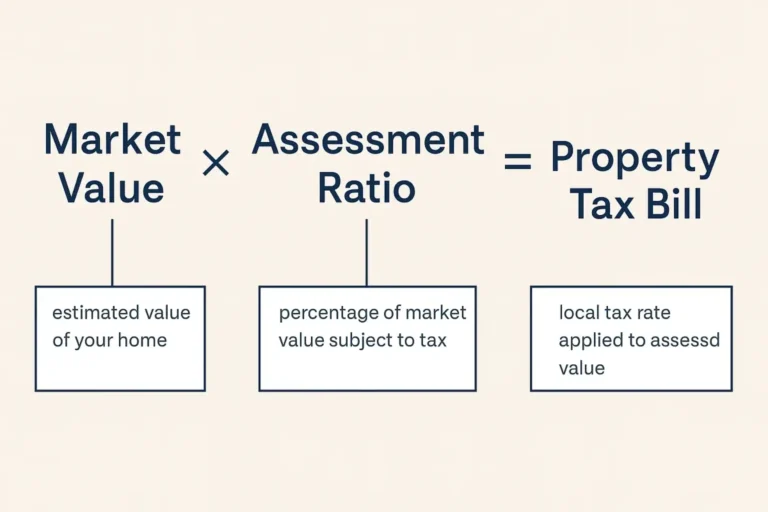
Connecticut doesn’t have a statewide vehicle tax. Instead, each town sets its own mill rate, which is applied to the assessed value of your vehicle. The assessed value is typically a percentage of the manufacturer’s suggested retail price (MSRP), adjusted for depreciation.
Here’s the breakdown:
- Assessment date: October 1 (for the following fiscal year)
- Tax due date: Varies by town (often July 1 or January 1)
- Who collects: Your local tax collector, not the DMV
The tax bill is separate from registration fees. Even if your car isn’t registered, the town can still send you a tax bill if it’s on their records. The Connecticut DMV maintains the vehicle ownership database that towns use for assessments.
When Unregistered Vehicles Are Still Taxable
Your unregistered vehicle is still taxable if:
- You owned it on October 1 of the assessment year
- It’s not officially declared as non-use with the DMV
- It’s stored in Connecticut (even if not driven)
The tax applies even if the car is undriveable, as long as it’s in your possession. Some towns may offer prorated taxes if you sell or move the vehicle mid-year, but this isn’t guaranteed.
The only way to avoid the tax is to either:
- Sell or transfer ownership before October 1
- File a Statement of Non-Use (Form AU-389) with the DMV
- Qualify for a specific exemption (e.g., military deployment, total loss)
How to Prove Your Vehicle Is in Storage (And Avoid Taxes)
To avoid the tax, you need to prove the vehicle isn’t in use. The most reliable method is filing Form AU-389 with the DMV. This form officially declares your vehicle as non-operational.

Here’s what you’ll need:
- Vehicle identification number (VIN)
- Proof of storage (e.g., storage facility receipt, insurance suspension)
- Date the vehicle became non-operational
The DMV will update your record, and your town assessor should adjust your tax status. However, timing matters. If you file after the assessment date (October 1), you may still owe taxes for that year.
Some towns also accept:
- A notarized affidavit of non-use
- Proof of out-of-state registration
- Documentation of vehicle sale or transfer
Check with your local assessor’s office for their specific requirements. The process isn’t automatic, and you’ll need to follow up to ensure the exemption is applied.
The CT DMV Non-Use Form (AU-389) Explained
This form is your official way to tell the state your vehicle isn’t in use. File it with the DMV to stop the tax clock. Without it, your town assumes the car is active and taxable.
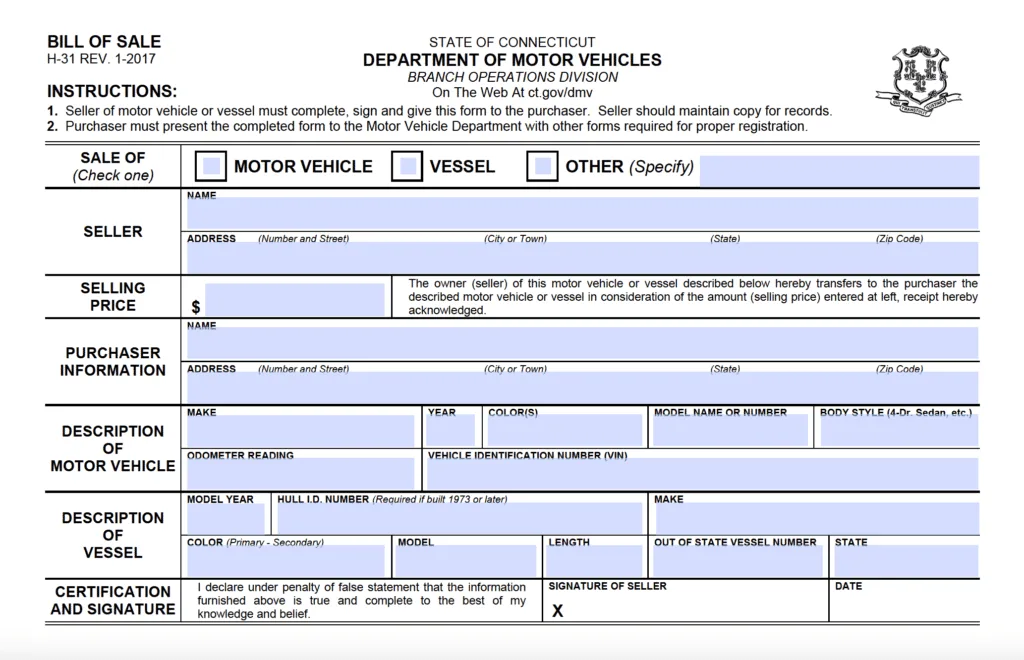
The form requires your VIN, vehicle details, and a statement that it’s not being driven. Submit it before October 1 to avoid the next year’s tax. If you file late, you may still owe taxes for the current assessment period.
You can submit Form AU-389 online through the CT DMV’s myDMV portal or in person. Keep a copy for your records. Some towns also require you to notify the local assessor directly.
Municipal Variations: Why Your Town’s Rules Matter
Tax rates and exemptions differ by municipality. Hartford, Stamford, and Greenwich have some of the highest mill rates. Smaller towns may have more flexible policies.
Check your town’s assessor website for specific deadlines and forms. Some require additional paperwork beyond the DMV’s non-use form. Others may accept proof of storage as sufficient.
Here’s what varies most:
- Tax rates: Mill rates range from 20 to 50+ mills
- Due dates: July 1, October 1, or January 1
- Exemption processes: Some towns need direct notification
Call your local assessor’s office if you’re unsure. They can confirm whether your stored vehicle qualifies for an exemption.
Step-by-Step: How to Check and Dispute Your Tax Bill
First, verify your vehicle’s status in the DMV system. Use the myDMV portal to confirm ownership and registration details. If the car is listed as active, you’ll likely owe taxes.

If you believe the tax is incorrect:
- Request a reassessment from your town’s assessor
- Provide documentation (storage receipts, non-use form, sale records)
- File an appeal before the deadline (usually 30 days from the bill date)
Most towns have a formal appeal process. You’ll need to submit evidence in writing. If denied, you can often escalate to the town’s board of assessment appeals.
What Happens If You Ignore the Tax?
Unpaid vehicle taxes can lead to serious consequences. Your town may place a lien on the vehicle. This prevents you from selling or registering it until the tax is paid.
Late fees add up quickly. Most towns charge 1.5 to 3 percent interest per month. After a year, you could owe significantly more than the original tax.
In extreme cases, the town may:
- Send the debt to collections
- Report it to credit agencies
- Prevent vehicle registration renewals
Paying on time avoids these headaches. If you can’t pay in full, ask about payment plans.
Common Mistakes That Trigger Unnecessary Taxes
Assuming unregistered means untaxed is the biggest error. Many owners learn this the hard way when a bill arrives. Always file the non-use form if your car is stored.
Another mistake is missing the October 1 deadline. Even if you file in November, you may still owe taxes for that year. Plan ahead to avoid this.
Other common pitfalls:
- Not notifying the town assessor after filing with the DMV
- Failing to keep proof of storage
- Ignoring the tax bill and letting fees accumulate
Double-check that both the DMV and your town have updated records. One form doesn’t always cover both.
Exemptions You Might Qualify For (And How to Claim Them)
Military personnel stationed out of state can exempt their vehicles. File Form AU-389 and provide deployment orders. This applies to active-duty members and their dependents.
Vehicles declared a total loss by an insurance company are also exempt. Submit the insurance company’s declaration to both the DMV and your town assessor. The exemption starts the month after the loss is declared.
Other possible exemptions include:
- Vehicles registered out of state (proof required)
- Classic cars with special plates (check local rules)
- Vehicles sold or transferred before October 1
Each exemption requires documentation. Don’t assume you qualify without filing the proper forms.
Costs & Penalties: The Numbers You Need to Know
Tax rates depend on your town’s mill rate and your vehicle’s assessed value. A $20,000 car in a town with a 30-mill rate would owe about $600 annually. Rates can be higher in cities like Hartford or Stamford.
Late fees add up fast. Most towns charge 1.5 to 3 percent interest per month on unpaid taxes. After six months, a $600 tax could grow to over $700.
Here’s a quick cost breakdown:
| Item | Typical Cost | Notes |
|---|---|---|
| Base tax | $200–$1,200 | Varies by vehicle value and town |
| Late fee | 1.5–3% monthly | Compounds quickly |
| Lien fee | $50–$100 | If unpaid long enough |
Pay on time to avoid these extra charges. Some towns offer payment plans for large balances.
Real-Life Scenarios: Stored, Unregistered, or Out of State
You moved to Florida but kept your car in Connecticut storage. Without filing Form AU-389, you’ll still owe CT taxes. Registering it in Florida doesn’t automatically exempt it from CT taxes.
Your project car has been in your garage for years. If it’s still in your name and not declared non-use, expect a tax bill. The DMV doesn’t know it’s a project unless you tell them.
Here are three common situations and solutions:
- Snowbird with a CT-stored car: File non-use form and provide storage proof
- College student with a car at home: Parents may need to file if the car remains in their name
- Military member deployed overseas: Submit deployment orders with Form AU-389
Each case requires proactive action. Waiting for the town to notice rarely works in your favor.
FAQs About CT Vehicle Tax on Unregistered Cars
Do I owe tax if my car isn’t registered?
Yes, unless you’ve filed the non-use form. Registration status doesn’t affect tax liability in Connecticut.
Can I get a refund if I file the non-use form late?
Possibly, but it’s not guaranteed. Some towns allow prorated refunds if you file within the same tax year.
What counts as proof of storage?
A receipt from a storage facility works. So does a notarized letter if stored on private property.
How do I check if my car is listed as non-use?
Use the CT DMV’s myDMV portal. Your vehicle status will show as active or non-use.
What happens if I sell my car but still get a tax bill?
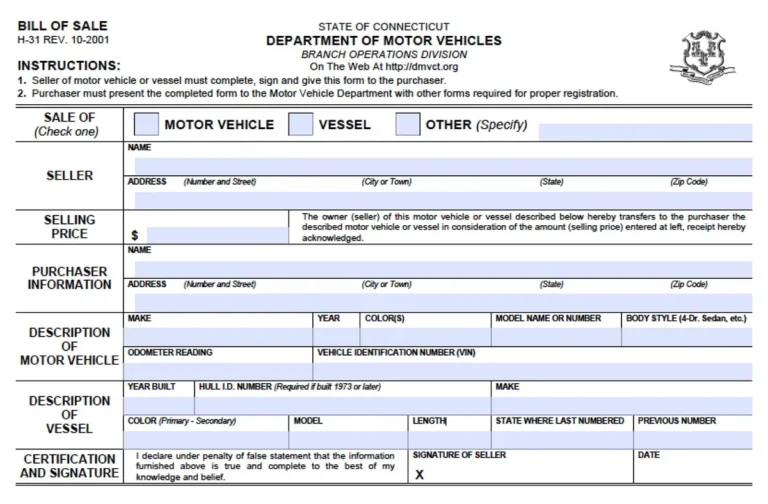
Contact your town assessor immediately. Provide the bill of sale to remove the vehicle from your tax roll.
Can I appeal if I think my assessment is too high?
Yes, but you must act quickly. Most towns give you 30 days from the bill date to file an appeal.