Connecticut property tax exemptions for snowmobiles and ATVs for personal use do exist, but they’re not automatic. If you own one of these vehicles strictly for recreation, you may qualify for a full or partial break, but only if you meet Connecticut’s specific conditions.
As of 2026, the state exempts off-highway vehicles (OHVs) like ATVs and snowmobiles from local property taxes when they’re registered for personal use and not operated on public roads. The catch is that each town applies the rules slightly differently.
Quick Answer
Connecticut property tax exemptions for snowmobiles and ATVs for personal use apply to registered OHVs. They must be used off-road only. You file with your local assessor.
Deadlines are typically October 1.
How Connecticut’s Property Tax Exemption for Off-Road Vehicles Works
Connecticut treats ATVs and snowmobiles as taxable personal property by default. The exemption kicks in when they’re classified as off-highway vehicles (OHVs) under Connecticut General Statutes § 14-379.
This means they’re not licensed for road use and are registered with the DMV specifically for off-road recreation. The exemption isn’t automatic. You have to prove the vehicle is for personal use, not commercial or agricultural.
What Counts as “Personal Use” Under Connecticut Law
Personal use means the ATV or snowmobile is for recreation only. This includes trail riding, hunting, or hobby farming on private land. Commercial use, like renting it out or using it for business, disqualifies you.
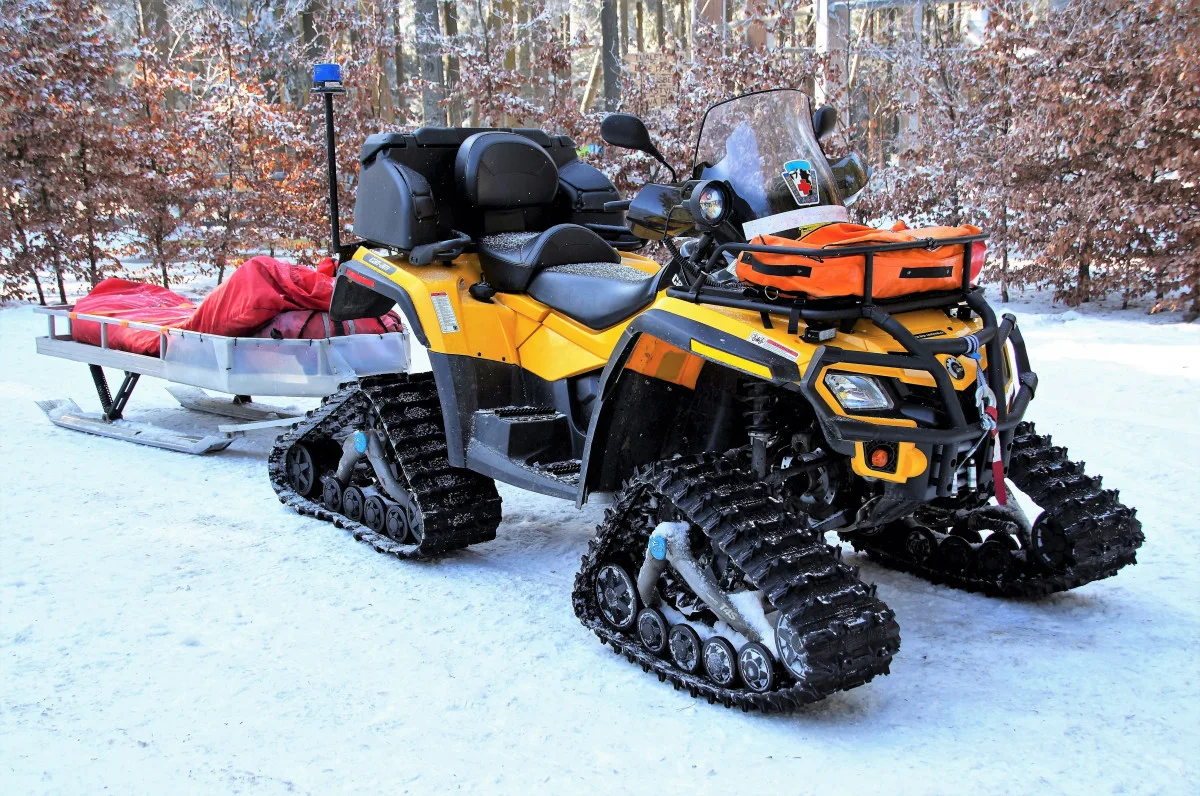
The DMV defines OHVs as vehicles designed for off-road travel, with certain size and engine limits. Snowmobiles must have tracks and a seat or saddle. ATVs typically have three or four wheels and handlebars.
If your vehicle doesn’t fit these definitions, it may not qualify.
The Exact Conditions You Must Meet to Qualify
To claim the exemption, your vehicle must be:
- Registered as an OHV with the Connecticut DMV
- Used exclusively off public roads
- Owned by a Connecticut resident
- Not modified for on-road use (e.g., no headlights, turn signals, or street-legal tires)
You’ll also need to file an affidavit with your local tax assessor. Some towns require additional proof, like a bill of sale or photos of the vehicle.
Step-by-Step: How to Claim the Exemption in Your Town
Start by confirming your ATV or snowmobile is registered as an OHV. You can do this online through the CT DMV. Next, gather your documentation: title, registration, and proof of residency.
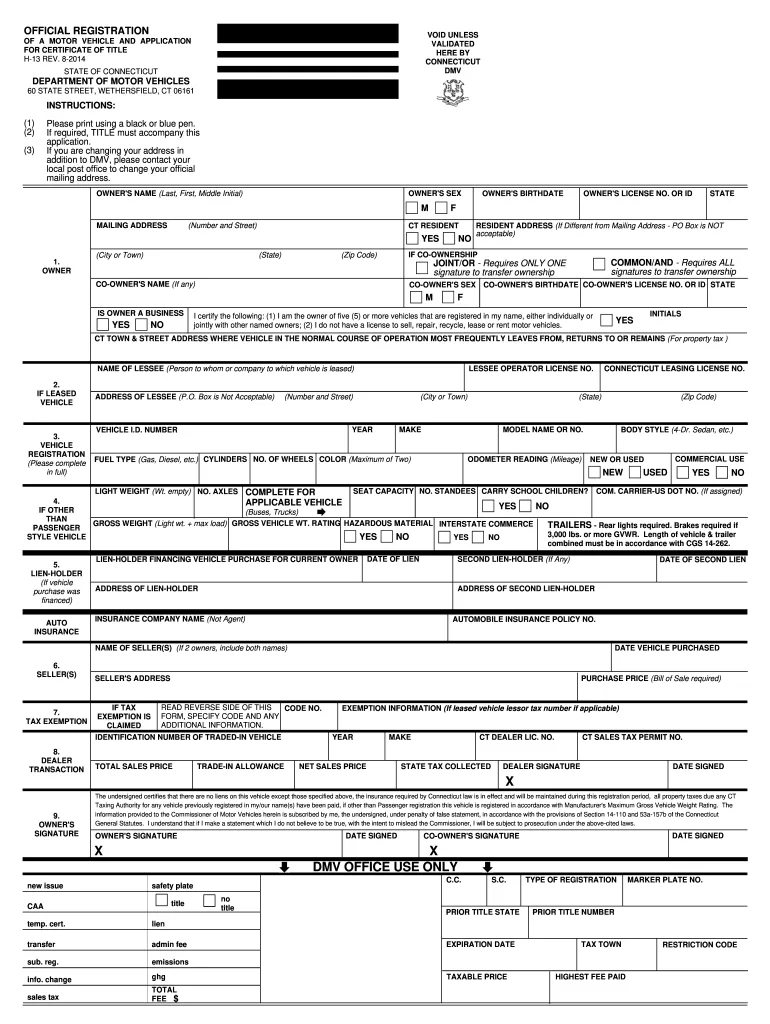
Visit your town’s assessor’s office before the deadline, usually October 1. Submit the OHV exemption form, which varies by municipality. Some towns let you file by mail or online, but most require in-person verification.
What You’ll Need to Prove (Documents & Paperwork)
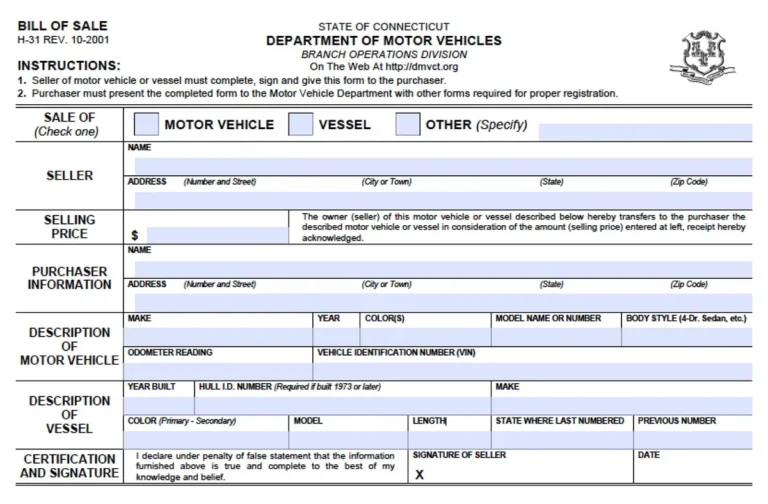
You’ll need your OHV registration certificate from the DMV. This proves the vehicle is classified for off-road use. Bring your title or bill of sale to confirm ownership.
Some towns also require a signed affidavit stating the ATV or snowmobile is for personal use only. Check your local assessor’s website for their specific form. Without these documents, your exemption request will likely be denied.
Municipal Differences: Why Your Town’s Rules Might Vary

Connecticut lets each municipality set its own procedures for property tax exemptions. Some towns process OHV exemptions automatically if you file the right paperwork. Others require an in-person review.
A few municipalities may have additional local ordinances that affect eligibility. For example, some towns in Litchfield County require proof of trail access or membership in a local OHV club. Always call your assessor’s office to confirm.
Common Mistakes That Get Your Exemption Denied
Filing late is the most common error. The deadline is usually October 1, but some towns have earlier cutoffs. Missing it means you’ll pay full property tax for that assessment year.
Another frequent issue is submitting incomplete paperwork. If your OHV registration is expired or your affidavit is unsigned, the assessor will reject your claim. Double-check every form before submitting.
What Happens If You Don’t Register Your ATV or Snowmobile
Operating an unregistered OHV in Connecticut can lead to fines. The DMV can issue a $100 penalty for the first offense. Subsequent violations may result in higher fees or even confiscation of the vehicle.
Unregistered vehicles also don’t qualify for the property tax exemption. Even if you use it solely for personal recreation, the state requires OHV registration to prove it’s not meant for road use. Without it, you’ll pay property tax like any other vehicle.
Costs to Expect (Even With the Exemption)
The OHV registration fee is $20 for Connecticut residents as of 2026. Non-residents pay $40. This fee is separate from any local property tax savings.
Some towns charge a small processing fee for exemption applications. It’s usually under $10. While the exemption saves you money on property taxes, these upfront costs are non-negotiable.
Expert Tips to Smooth Out the Process
Start early. Some towns take weeks to process exemption requests, especially during peak filing periods. Gather all your documents in one folder before visiting the assessor.
If your town has an online portal, use it. Digital submissions often get processed faster than paper forms. But call ahead to confirm they accept electronic filings for OHV exemptions.
FAQs About Connecticut’s ATV and Snowmobile Tax Exemptions
Do I need to renew the exemption every year?
Yes. Most towns require you to reapply annually, even if nothing has changed. The deadline is typically October 1, but check with your local assessor.
Can I get a retroactive exemption if I missed the deadline?
No. Connecticut does not allow retroactive exemptions. If you miss the filing window, you’ll pay property tax for that year.
What if my ATV is used for both personal and farm work?
The exemption only applies if the vehicle is used exclusively for personal recreation. Any commercial or agricultural use disqualifies it.
Are out-of-state residents eligible for the exemption?
No. Only Connecticut residents can claim the OHV property tax exemption. Non-residents must pay property tax if the vehicle is stored in the state.
How do I appeal if my exemption is denied?
You can request a hearing with your town’s Board of Assessment Appeals. Bring all your documentation and be prepared to explain why you qualify.