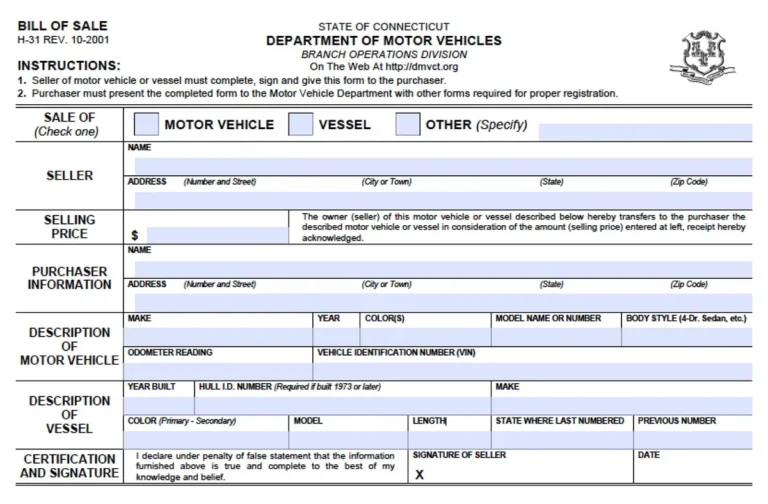
The Connecticut motor vehicle mill rate cap for 2025 fiscal year sets a hard ceiling of 32 mills on your car tax bill. If you live in a high-tax town like Hartford or Waterbury, that cap can save you hundreds of dollars compared to the local real estate rate. Many drivers still confuse the vehicle mill rate with the uncapped property tax rate on their home.
That mistake leads to budget surprises when the July tax bill arrives.
The cap applies to the 2025 grand list dated October 1, 2024, and runs through June 30, 2025. Vehicles are assessed at 70 percent of fair market value per state statute. The Office of Policy and Management publishes the uniform cap annually.
Let's break down exactly how this works for your registration.
Quick Answer
The 2025 fiscal year cap is 32 mills. Your town cannot charge more than 32 mills on motor vehicles. The cap covers July 2024 through June 2025.
Vehicles are assessed at 70 percent of market value. You multiply assessed value by 32 mills to get your maximum tax.
Why Your Connecticut Car Tax Bill Might Catch You Off Guard
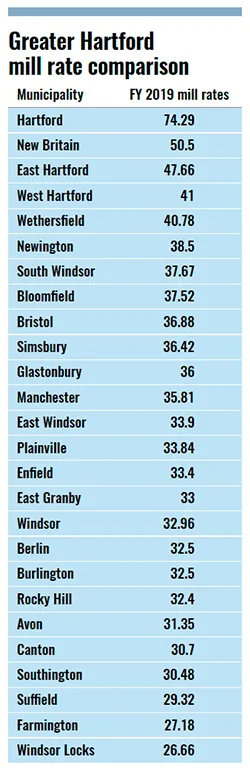
Your car tax bill often looks nothing like your neighbor's bill in the next town over. Connecticut lets each of its 169 municipalities set its own mill rate for real estate and personal property. That rate can top 45 mills in places like Hartford.
The motor vehicle cap forces those towns to charge car owners a lower rate than homeowners. Many residents miss this distinction and overestimate their vehicle tax.
The confusion stems from seeing one mill rate advertised by the town. That number usually reflects the real estate rate. The vehicle rate sits in a separate column on the tax bill.
If you do not know to look for the capped rate, you might think you owe more. The cap is not a discount. It is a legal ceiling the town cannot exceed for registered vehicles.
New residents face the steepest learning curve. Moving from a low-tax town to a high-tax town does not mean your car tax jumps to the local real estate rate. The 32-mill ceiling follows you statewide.
That predictability helps with budgeting, but only if you know the rule exists. The Connecticut DMV will not renew your registration until the town clears your car tax balance. That enforcement mechanism catches many people off guard at renewal time.
The 2025 Fiscal Year Motor Vehicle Mill Rate Cap: Quick Facts
The uniform cap for the 2025 fiscal year is 32 mills. One mill equals one dollar of tax per one thousand dollars of assessed value. The fiscal year runs July 1, 2024, through June 30, 2025.
The assessment date is October 1, 2024. That date locks in your vehicle's value for the entire tax year.
| Metric | Value |
|---|---|
| Fiscal Year | July 1, 2024 to June 30, 2025 |
| Assessment Date | October 1, 2024 |
| Assessment Ratio | 70% of fair market value |
| Uniform Mill Rate Cap | 32 mills |
| Tax per $1,000 Assessed Value | $32.00 |
The Office of Policy and Management announces the cap each spring for the upcoming fiscal year. Towns must apply the lower of their adopted mill rate or the OPM cap. If your town's adopted rate is 28 mills, you pay 28 mills.
If the adopted rate is 38 mills, you pay 32 mills. The cap never increases your bill above the local rate.
How the CT Motor Vehicle Mill Rate Cap Actually Works
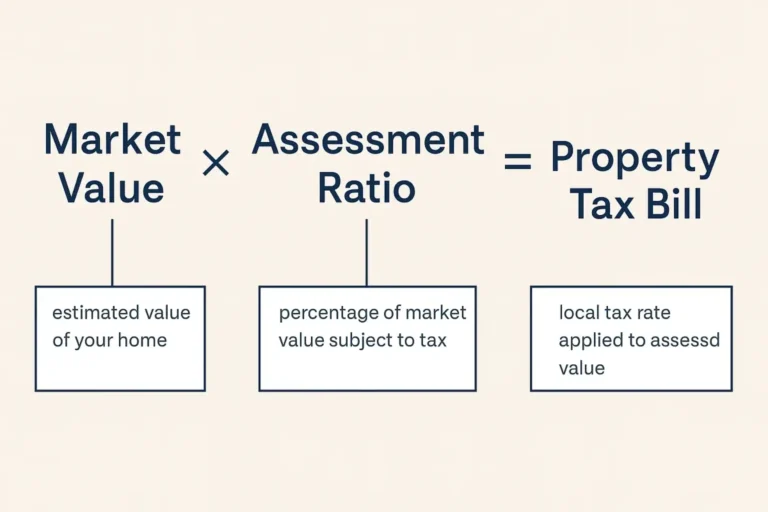
The mechanism is straightforward, but the paperwork hides it. Your town assessor determines fair market value using NADA guides and state depreciation schedules. That value gets multiplied by 70 percent to produce the assessed value.
The tax collector then applies the mill rate. The cap simply substitutes 32 mills if the local rate exceeds that threshold.
Understanding the 70% Assessment Ratio
Connecticut law requires motor vehicles to be assessed at 70 percent of fair market value. This ratio is fixed by statute and does not change year to year. A car with a fair market value of $20,000 carries an assessed value of $14,000.
You never pay tax on the full retail price. The 70 percent ratio applies before the mill rate calculation.
The assessor uses the October 1 grand list date. The NADA clean retail value on that date drives the assessment. Modifications like lift kits or custom paint can increase the value.
Standard wear and tear does not lower the book value. The assessor does not inspect every vehicle. They rely on registration data and pricing guides.
When the 32-Mill Cap Kicks In
The cap activates automatically when a municipality sets its mill rate above 32. Towns like Hartford and Waterbury must bill vehicles at 32 mills. Towns like Greenwich or New Canaan bill at their lower local rate.
The cap is a ceiling, not a floor.
You can verify your town's adopted rate on the OPM website or your tax bill. The bill should show two rates: the adopted rate and the motor vehicle rate. The motor vehicle rate will never exceed 32.
If it does, contact the tax assessor immediately. Municipalities face state penalties for non-compliance.
The Hard Numbers: 32 Mills, 70% Ratios, and October 1 Valuations
Let's put real dollars to the formula. A 2022 Honda CR-V might have a clean retail value of $28,000 on October 1, 2024. The assessed value is $19,600.
At 32 mills, the tax equals $627.20. The same vehicle in a 20-mill town costs $392. The cap creates a $235 savings versus the hypothetical 48-mill rate.
| Fair Market Value | Assessed Value (70%) | Tax at 32 Mills | Tax at 20 Mills | Savings vs 48 Mills |
|---|---|---|---|---|
| $15,000 | $10,500 | $336.00 | $210.00 | $168.00 |
| $28,000 | $19,600 | $627.20 | $392.00 | $313.60 |
| $45,000 | $31,500 | $1,008.00 | $630.00 | $504.00 |
| $60,000 | $42,000 | $1,344.00 | $840.00 | $672.00 |
The October 1 valuation date matters. If you buy a car on October 2, it does not appear on the grand list until the next year. You avoid a full year of tax on that vehicle.
If you sell a car after October 1, you still owe the full year tax. The tax follows the registration, not the ownership. This timing quirk surprises many buyers and sellers.
The Connecticut Department of Motor Vehicles maintains the registration records that feed the grand list. Accurate garaging address ensures the right town bills you. An outdated address can send your bill to the wrong municipality.
That delays payment and risks a registration hold.
Step-by-Step: Calculating Your 2025 Car Tax Under the Cap
You can estimate your bill in five minutes with the right numbers. Grab your registration and check the NADA clean retail value for October 1, 2024. The steps below walk through the exact math the assessor uses.
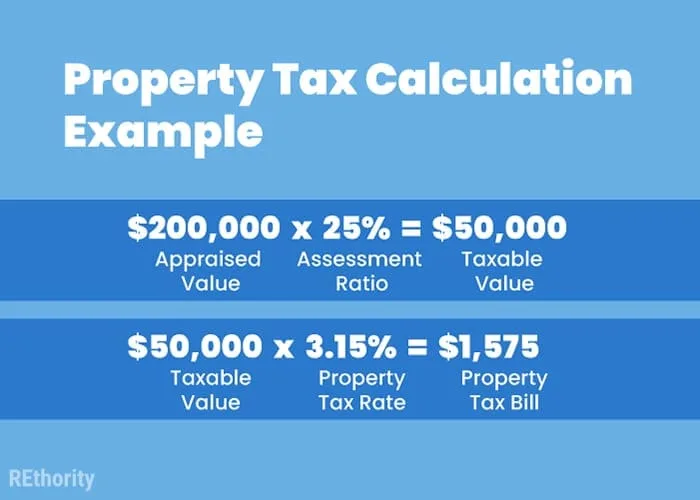
- Step 1: Find the fair market value. Use the NADA clean retail value for your exact model, trim, and mileage as of October 1, 2024. Do not use trade-in value or private party value. The assessor uses clean retail.
- Step 2: Apply the 70 percent ratio. Multiply the clean retail value by 0.70. This is your assessed value. Round to the nearest dollar.
- Step 3: Determine your town's motor vehicle mill rate. Check your town's website or the OPM municipal data portal. Use the lower of the adopted rate or 32 mills.
- Step 4: Calculate the tax. Multiply assessed value by the mill rate, then divide by 1,000. Formula: (Assessed Value times Mill Rate) divided by 1,000 equals Tax Due.
- Step 5: Verify exemptions. Some towns offer exemptions for veterans, seniors, or disabled persons. Apply those after the mill rate calculation. The cap still applies to the taxable portion.
If you want to cross-check your actual bill, local tax assessor contacts list contact info for every Connecticut town.
Capped Vehicle Mill Rate vs. Uncapped Real Estate Mill Rate
The real estate mill rate and the motor vehicle mill rate are two different numbers. Your town sets one rate for homes and another for cars. The real estate rate has no legal ceiling.
Towns can tax property at 50 mills or higher if voters approve the budget. The motor vehicle rate hits a hard wall at 32 mills.
If you live in a 45-mill town, your house pays the full 45. Your car only pays 32. That gap creates massive savings on higher-value vehicles.
The state instituted this cap to prevent people in urban centers from paying punitive taxes on necessary transportation. It equalizes the vehicle tax burden across wealthy and working-class towns.
Some residents mistakenly assume their car tax will match their home tax rate. That error leads to over-budgeting, which is better than under-budgeting but still inaccurate. Keeping precise numbers helps your personal finances.
Knowing the split between the two rates lets you forecast your annual bills correctly. You can check moving your registration if you recently moved to Connecticut and need to update your records.
Real Scenarios: What You Pay in a 45-Mill Town vs. a 25-Mill Town
Numbers tell the story better than theory. Let us look at a 2022 Subaru Outback with a clean retail value of $25,000. The assessed value lands at $17,500.
We will compare a 45-mill town against a 25-mill town.
In the 45-mill town, the cap drops your rate to 32 mills. Your tax equals $560. Without the cap, you would owe $787.50.
The cap saves you $227.50. In the 25-mill town, the local rate sits below the cap. You simply pay the 25-mill rate.
Your tax equals $437.50.
The cap functions as an equalizer. Drivers in high-tax municipalities receive a built-in discount. Drivers in low-tax towns pay their standard local rate.
The system prevents urban centers from pricing residents out of vehicle ownership. Maintaining your car properly also lowers long-term costs. Using gentle wash products preserves the finish and resale value, which indirectly affects that NADA assessment next year.
Costly Mistakes to Avoid When Reading Your Tax Bill
Many Connecticut residents lose money to simple misunderstandings. The tax bill arrives in the mail. You glance at the total and write a check.
That habit can cost you.
- Confusing the adopted rate with the vehicle rate. Your bill might display the 45-mill real estate rate prominently. Look for the specific vehicle rate line. It must show 32 mills or lower. If it shows a higher rate, contact the assessor immediately.
- Ignoring the October 1 grand list date. If you sell your car on October 15, you still owe tax for the full year. The state bases the tax on ownership as of October 1. Conversely, if you buy a car on October 2, you skip the current year tax bill entirely.
- Missing out on exemptions. Veterans and seniors often qualify for reductions. You must apply for these exemptions with the local assessor. They do not apply automatically. Missing the application deadline means paying the full amount.
- Letting an incorrect address stand. If your registration lists your old address, your bill goes to the wrong town. You might miss the payment deadline and face penalties. Always update your address right after moving. This is a basic compliance step, much like following winter travel rules when you drive in other states.
Legal Compliance: DMV Registration Holds and Delinquent Car Taxes
Unpaid car taxes carry heavy consequences in Connecticut. The state links your tax status directly to your driving privileges. If you ignore your bill, the DMV will act.
Municipal tax collectors report delinquent accounts to the DMV. The DMV then places a hold on your registration. You cannot renew your plates until you clear the debt.
The town must issue a release form. Processing this release can take days or even weeks.
The DMV does not grant exceptions for financial hardship. A hold means you cannot legally drive the vehicle if the registration expires. Driving with expired plates risks tickets and fines.
It can also trigger impoundment in severe cases. You must pay the back taxes plus any interest or collection fees to lift the hold.
The state publishes official guidelines on this process. The Connecticut Office of Policy and Management outlines how municipalities report delinquent taxpayers. Pay your bill on time.
If you cannot pay in full, contact the tax collector immediately. Many towns offer payment plans. A plan prevents the account from going delinquent and triggering the DMV hold.
Expert Tips for Managing Your CT Vehicle Property Tax
You have options for lowering your car tax burden. A few proactive steps keep more money in your pocket. Here is how to manage the process like a seasoned resident.
- Verify your NADA value. Assessors use standard depreciation tables, but mistakes happen. High mileage or major damage can lower the fair market value below the book price. File an appeal with the Board of Assessment Appeals if your car has significant wear. You typically have until February to file your challenge.
- Time your vehicle purchases. Buy after October 1 to skip a full year of taxation. The car will not appear on the grand list until the following year. This trick works best for new residents or people replacing an old vehicle. That timing gap gives you months to save for the first bill.
- Check your garaging address. Your tax bill depends on where the vehicle sleeps at night. If you park in a low-mill town but register using an old high-mill address, you overpay. Ensure your registration matches your actual physical address. The DMV updates this when you renew.
- Keep records of your payments. The DMV hold system relies on municipal data. If you pay late in person, get a receipt. Keep it until your registration renews smoothly. Lost payments happen. A receipt clears your name instantly.
Frequently Asked Questions
What is the Connecticut motor vehicle mill rate cap for 2025 fiscal year?
The cap is set at 32 mills. This is the maximum rate any municipality can charge on your registered vehicle. As of 2026, check the OPM site for any adjustments to this statutory ceiling.
How is my car's assessed value calculated?
Assessors use the NADA clean retail value from October 1. They multiply that market value by 70 percent. That resulting number serves as your assessed value for the year.
Does the 32-mill cap apply to my real estate taxes?
No. The cap only applies to registered motor vehicles. Your home and personal property face the full uncapped local rate.
This split often confuses new residents who expect one flat rate.
What happens if I do not pay my car tax?
The DMV will place a hold on your registration. You cannot renew your plates until you pay the debt and get a clearance. Unpaid taxes also drive up your overall driving costs with added fees and interest.
Can I appeal my vehicle assessment?
Yes. You can file an appeal with your local Board of Assessment Appeals. High mileage or major damage can lower your value below the standard book price.
Check your biennial emissions deadlines and assessment details early so you do not miss the February deadline.