Connecticut OBD Plus test center capabilities for diesel vehicles depend on your truck or car’s weight class and model year. Not every station can handle heavy-duty diesels, and the rules differ for newer emission-controlled engines. As of 2026, the state requires biennial testing for most diesels, but the process changes if your vehicle has a diesel particulate filter or selective catalytic reduction system.
The Connecticut Department of Motor Vehicles enforces these tests to meet EPA standards, and the OBD Plus system checks for readiness monitors and fault codes. If you’re unsure whether your diesel needs testing, the first step is confirming its category.
Quick Answer
Connecticut OBD Plus test center capabilities for diesel vehicles cover light-duty and heavy-duty models. Light-duty diesels under 14,000 lbs use standard OBD Plus scans. Heavy-duty diesels over 14,000 lbs need specialized centers.
Model year 2007 and newer diesels require DPF/SCR system checks.
Does Your Diesel Need a Connecticut OBD Plus Test?
Here’s the decision tree. If your diesel is a light-duty vehicle (under 14,000 lbs GVWR), it follows the same OBD Plus rules as gasoline cars. That means a standard scan at most Connecticut test centers.
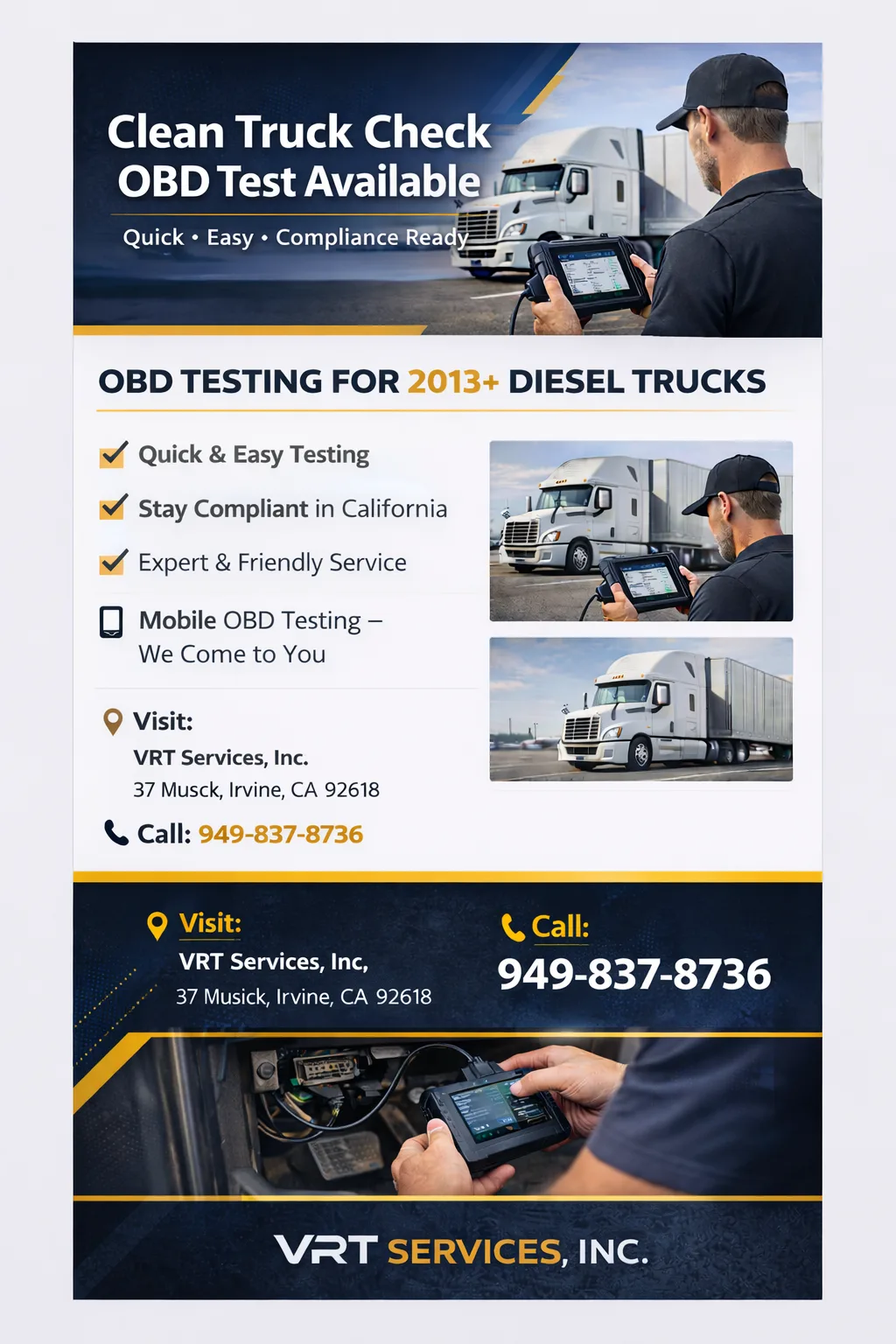
If your diesel is heavy-duty (over 14,000 lbs GVWR), you’ll need a center equipped for larger vehicles. These stations have the tools to test emission systems like DPFs and SCRs, which are mandatory on 2007 and newer diesels. Older diesels without OBD II ports may be exempt, but CT DEEP confirms the exact cutoffs.
Quick Answer: Which Diesels Must Test (and Where)
Most diesels in Connecticut require an OBD Plus test every two years. The exception is heavy-duty diesels over 14,000 lbs, which need specialized centers. Model year 2007 and newer diesels with DPF or SCR systems must pass additional checks.
Here’s the breakdown:
- Light-duty diesels (under 14,000 lbs): Standard OBD Plus test at any authorized center.
- Heavy-duty diesels (over 14,000 lbs): Specialized OBD Plus test at select centers.
- Pre-1997 diesels: Typically exempt from OBD testing.
- 2007+ diesels: Must pass DPF/SCR system checks if equipped.
How Connecticut’s OBD Plus Test Works for Diesels
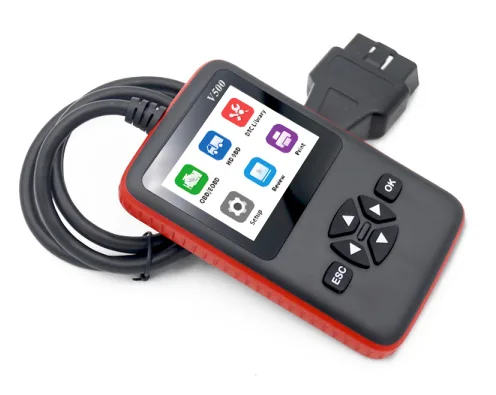
The test starts with a visual inspection of your diesel’s emission system. Technicians check for tampering, missing components, or visible issues like leaks. Then they connect an OBD Plus scanner to your vehicle’s port to pull fault codes and verify readiness monitors.
For diesels with DPF or SCR systems, the scanner also checks for proper regeneration cycles and catalyst efficiency. If your vehicle fails, you’ll get a report listing the specific fault codes.
Light-Duty vs. Heavy-Duty Diesel Testing: The Key Difference
Light-duty diesels follow the same OBD Plus process as gasoline vehicles. The test takes about 15-20 minutes and focuses on the OBD II system’s readiness monitors.
Heavy-duty diesels require additional checks due to their larger emission systems. Here’s what changes:
- Equipment: Specialized scanners and dynamometers for larger vehicles.
- Test depth: Includes DPF soot levels, SCR catalyst efficiency, and DEF system checks.
- Time: Can take 30-45 minutes due to the extra steps.
Most standard test centers can’t handle heavy-duty diesels, so you’ll need to find a CT DEEP-approved station.
Which Test Centers Handle Diesel OBD Plus in Connecticut
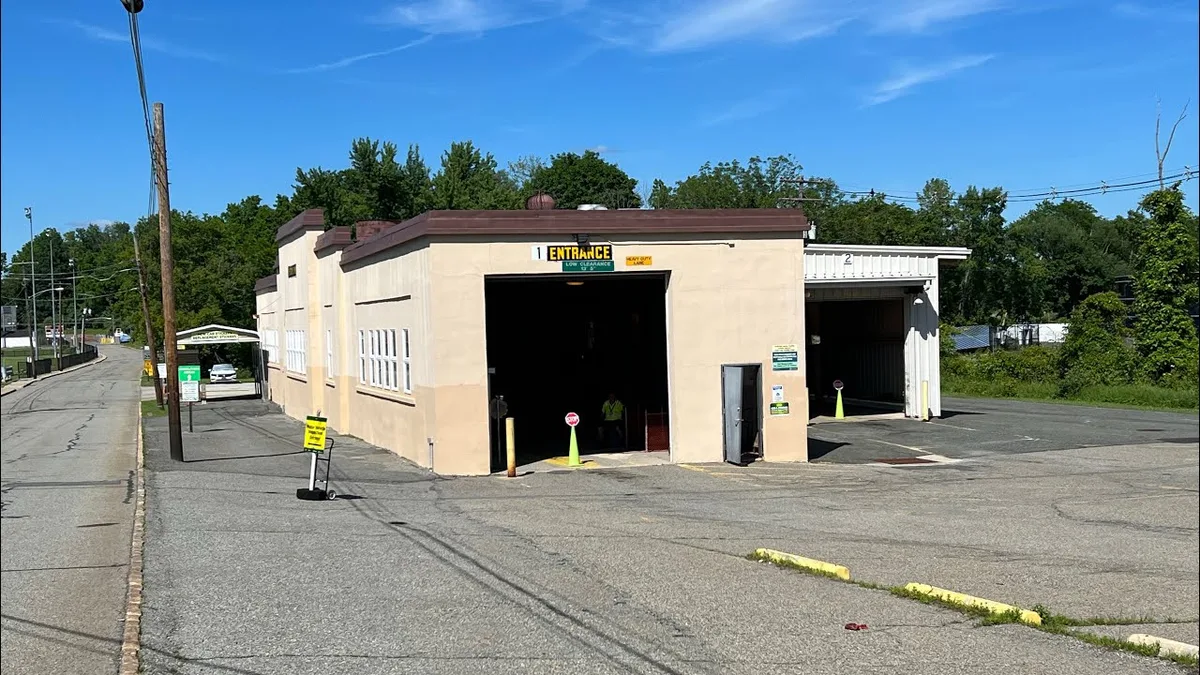
Not all Connecticut test centers are equipped for diesel OBD Plus testing. Light-duty diesels can visit most authorized stations, but heavy-duty diesels must go to specialized centers.
Here’s how to find the right center:
- Light-duty diesels: Use the CT DMV’s test center locator.
- Heavy-duty diesels: Check the CT DEEP’s heavy-duty test center list.
- Appointment vs. walk-in: Some centers require appointments for diesels, especially heavy-duty models.
If you’re unsure, call ahead to confirm the center can handle your vehicle’s weight class and emission system.
Step-by-Step: Getting Your Diesel Tested in CT
Bring your registration and proof of insurance to the test center. The technician will first verify your vehicle’s eligibility for OBD Plus testing based on its weight class and model year.
They’ll then perform a visual inspection of the emission system. This includes checking for tampered or missing components like the DPF or SCR system. After that, they’ll connect the OBD Plus scanner to your vehicle’s port to pull fault codes and check readiness monitors.
If your diesel passes, you’ll receive a certificate. If it fails, you’ll get a report listing the specific issues. You’ll have 60 days to make repairs and return for a free retest.
What They Check During a Diesel OBD Plus Test
The test focuses on your diesel’s emission control systems. For light-duty diesels, it’s similar to a gasoline vehicle test, checking for fault codes and readiness monitors.
For heavy-duty diesels, the test goes deeper. It includes checks for DPF soot levels, SCR catalyst efficiency, and DEF system functionality. The technician also verifies that the vehicle’s OBD system is communicating properly with the scanner.
Common Reasons Diesels Fail (and How to Fix Them)
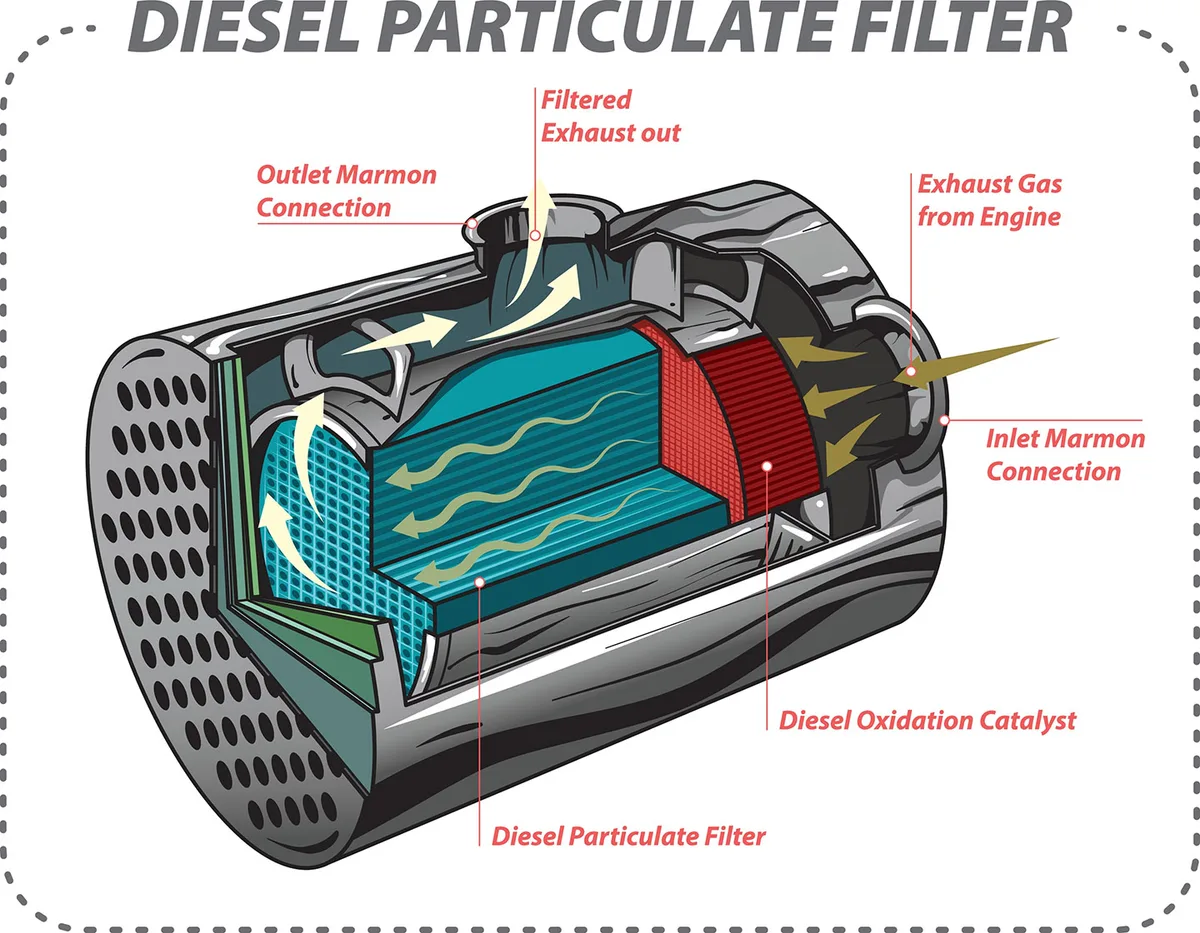
The most common failure is a faulty or clogged DPF. This can trigger a fault code and cause your diesel to fail the OBD Plus test. Regular maintenance, including DPF regeneration, can prevent this issue.
Another frequent problem is a malfunctioning SCR system. This often happens when the DEF fluid is low or contaminated. Topping off the DEF fluid or flushing the system can resolve the issue.
Emission system tampering is another reason for failure. Removing or altering components like the DPF or SCR system is illegal and will result in an automatic fail. Restoring the original components is the only solution.
Costs, Fees, and Retesting Rules in Connecticut
The fee for a diesel OBD Plus test in Connecticut is $20 as of 2026. This covers both light-duty and heavy-duty diesels. If your vehicle fails, you’ll need to make repairs and return for a retest.
Retesting is free if you return within 60 days. If you exceed this window, you’ll need to pay the full fee again. Some centers may charge additional fees for heavy-duty diesels due to the specialized equipment required.
Exemptions: When Your Diesel Doesn’t Need an OBD Plus Test
Diesels older than 1997 are generally exempt from OBD Plus testing. These vehicles lack the OBD II port required for the test. However, they may still need a visual inspection or other emissions tests.
Certain heavy-duty diesels used for agricultural or commercial purposes may also be exempt. Antique or classic diesels with historical plates are typically exempt as well. Check with the CT DEEP to confirm if your vehicle qualifies.
Mistakes to Avoid Before Your Test Appointment
Don’t clear fault codes right before the test. Many owners reset the check engine light hoping to pass, but the OBD Plus scanner will detect incomplete readiness monitors. That triggers an automatic fail.
Another common mistake is ignoring the check engine light. If that light is on, you will fail the test. Get the underlying issue diagnosed and fixed beforehand.
Also make sure your DEF fluid is topped off and your DPF has completed a recent regeneration cycle.
Arriving without the right documents also causes problems. You need your registration and proof of insurance. Without them, the center may refuse to test your vehicle.
FAQs About Connecticut Diesel Emissions Testing
Does Connecticut require OBD Plus testing for all diesels?
No. Heavy-duty diesels over 14,000 lbs need a specialized test at specific centers. Light-duty diesels under 14,000 lbs follow standard OBD Plus rules.
Pre-1997 diesels are generally exempt.
How much does a Connecticut diesel OBD Plus test cost?
The test costs $20 as of 2026. That fee applies to both light-duty and heavy-duty diesels. Some centers may charge extra for heavy-duty equipment use.
How long does a diesel OBD Plus test take?
Light-duty diesel tests take about 15 to 20 minutes. Heavy-duty tests can take 30 to 45 minutes because of additional checks on the DPF and SCR systems.
What happens if my diesel fails the OBD Plus test?
You get a report with the specific fault codes. You have 60 days to make repairs and return for a free retest. If you miss that window, you pay the full fee again.
Can I get an exemption for my diesel truck?
Yes. Diesels older than 1997, some agricultural vehicles, and historical plate vehicles may qualify. Check with the CT DEEP to confirm your eligibility.
Do diesel trucks need a dynamometer test in Connecticut?
No. Connecticut uses OBD Plus scanning, not tailpipe testing on a dynamometer. The test reads the vehicle’s onboard computer for emissions data.
Final Decision Guide: Where to Go and What to Do Next
Start by confirming your diesel’s weight class and model year. If it’s under 14,000 lbs and 1997 or newer, head to any authorized Connecticut test center.
If your diesel is over 14,000 lbs, locate a heavy-duty test center using the CT DEEP list. Call ahead to confirm they handle your vehicle’s emission system type.
Prepare your vehicle by fixing any check engine lights, filling DEF fluid, and completing a DPF regeneration cycle. Bring your registration and insurance documents.
Schedule an appointment if the center requires one. Arrive with time to spare. After the test, keep the certificate in your glove compartment for your records.