Connecticut emissions testing bill of rights for vehicle owners gives you clear protections when your car fails its biennial check. The state’s program isn’t just about compliance, it’s designed to keep costs fair and processes transparent for drivers.
As of 2026, the test costs $20, and the Bill of Rights caps repair costs at $650 for waiver eligibility. That means you’re not left footing an endless bill just to stay legal on the road.
Quick Answer
The Connecticut emissions testing bill of rights for vehicle owners protects you from unfair costs. It caps repairs at $650 if your car fails. You can get a waiver if repairs hit that limit.
The test costs $20. Exemptions exist for newer and older vehicles.
Why This Bill of Rights Exists and Who It Protects
Connecticut’s emissions program started as part of the federal Clean Air Act. The state’s urban areas, like Hartford and New Haven, have historically struggled with air quality. The Bill of Rights was added to balance environmental goals with driver fairness.
It protects all registered vehicle owners in Connecticut. That includes daily commuters, fleet operators, and out-of-state residents transferring their registration.
The Core Rules: What’s Required, What’s Exempt
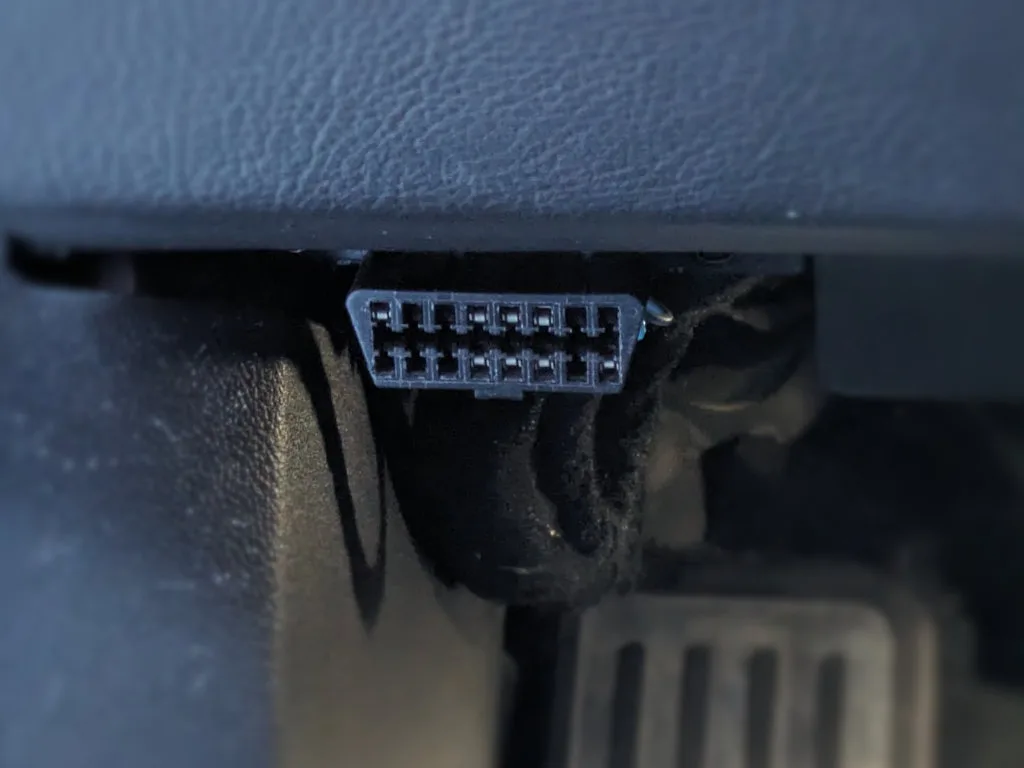
Connecticut requires a biennial emissions test for most gasoline-powered vehicles. Diesel vehicles undergo a visual smoke test. The program uses two main methods: OBD-II scans for newer cars and tailpipe tests for older ones.
Who Must Test
- Gasoline vehicles model year 1996 and newer: OBD-II test
- Gasoline vehicles 1976, 1995: Tailpipe test
- Diesel vehicles: Visual smoke test
Who’s Exempt
- Vehicles newer than 4 model years
- Vehicles older than 25 model years
- Electric and hybrid vehicles
- Motorcycles and certain commercial vehicles
The Connecticut Department of Motor Vehicles enforces these rules. You’ll receive a notice when your vehicle is due for testing.
Your Vehicle’s Testing Obligation—Biennial, OBD, or Tailpipe?
The type of test your vehicle needs depends on its age and fuel type. Most drivers will deal with the OBD-II test, which checks your car’s onboard diagnostics system for emissions-related issues.
For vehicles between 1976 and 1995, the tailpipe test measures actual exhaust emissions. Diesel vehicles undergo a visual inspection for excessive smoke. The state’s DEEP sets the standards for these tests.
If your car is less than 4 years old, it’s exempt until its fifth model year. Once it hits 25 years, it’s exempt permanently.
How the Emissions Test Works in Connecticut
The process is straightforward. You’ll drive to an official testing station, no appointment needed. The technician will connect to your OBD-II port or perform a tailpipe test, depending on your vehicle’s age.
For OBD-II tests, the system checks for readiness codes and emissions-related faults. If your check engine light is on, you’ll likely fail. The tailpipe test measures hydrocarbons, carbon monoxide, and nitrogen oxides.
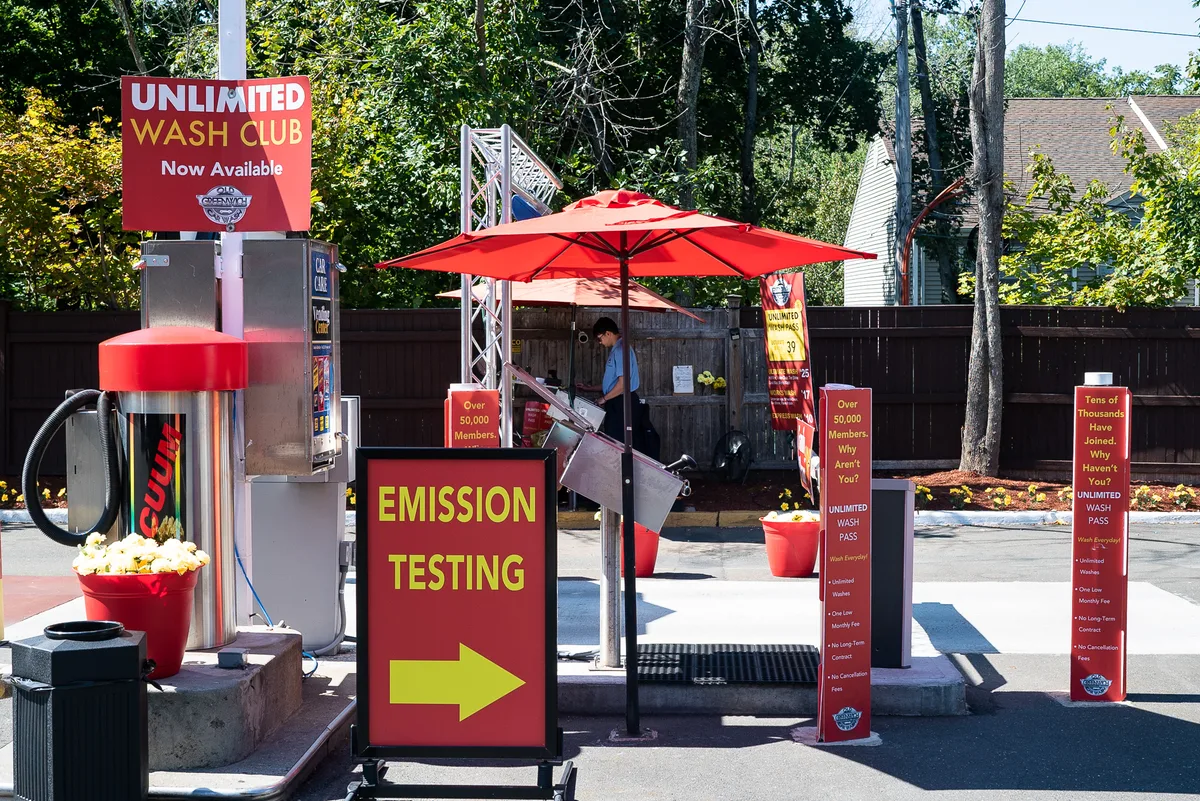
The entire test takes about 15, 20 minutes. You’ll receive a printout of the results immediately. If you pass, you’re good for two years.
If you fail, the report will explain why.
What Happens If You Fail (and How the Bill of Rights Helps)
If your vehicle fails, you’ll get a detailed report listing the reason. The most common cause is an OBD-II system not being ready or a check engine light being on.
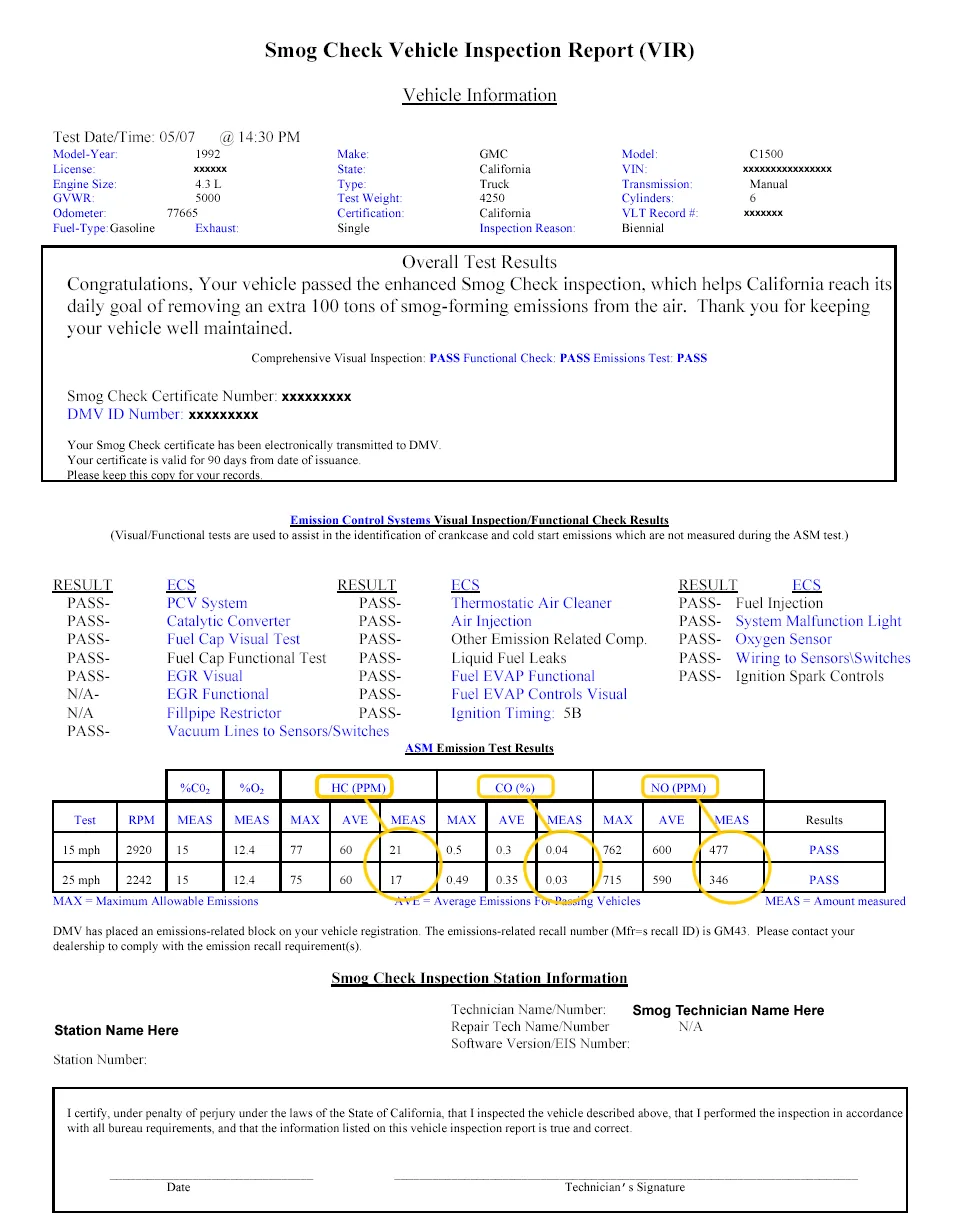
You have 60 days to fix the issue and retest for free. The Bill of Rights ensures you’re not stuck with unlimited repair costs. If the estimated repairs exceed $650, you can apply for a waiver.
The waiver isn’t automatic. You must show proof of the failed test and the repair estimate.
The Repair Cost Cap and Waiver: Your Financial Safeguards
Connecticut’s $650 repair cost cap is a key protection. If your car fails and the repairs to fix the emissions issue would cost more than that, you qualify for a waiver.
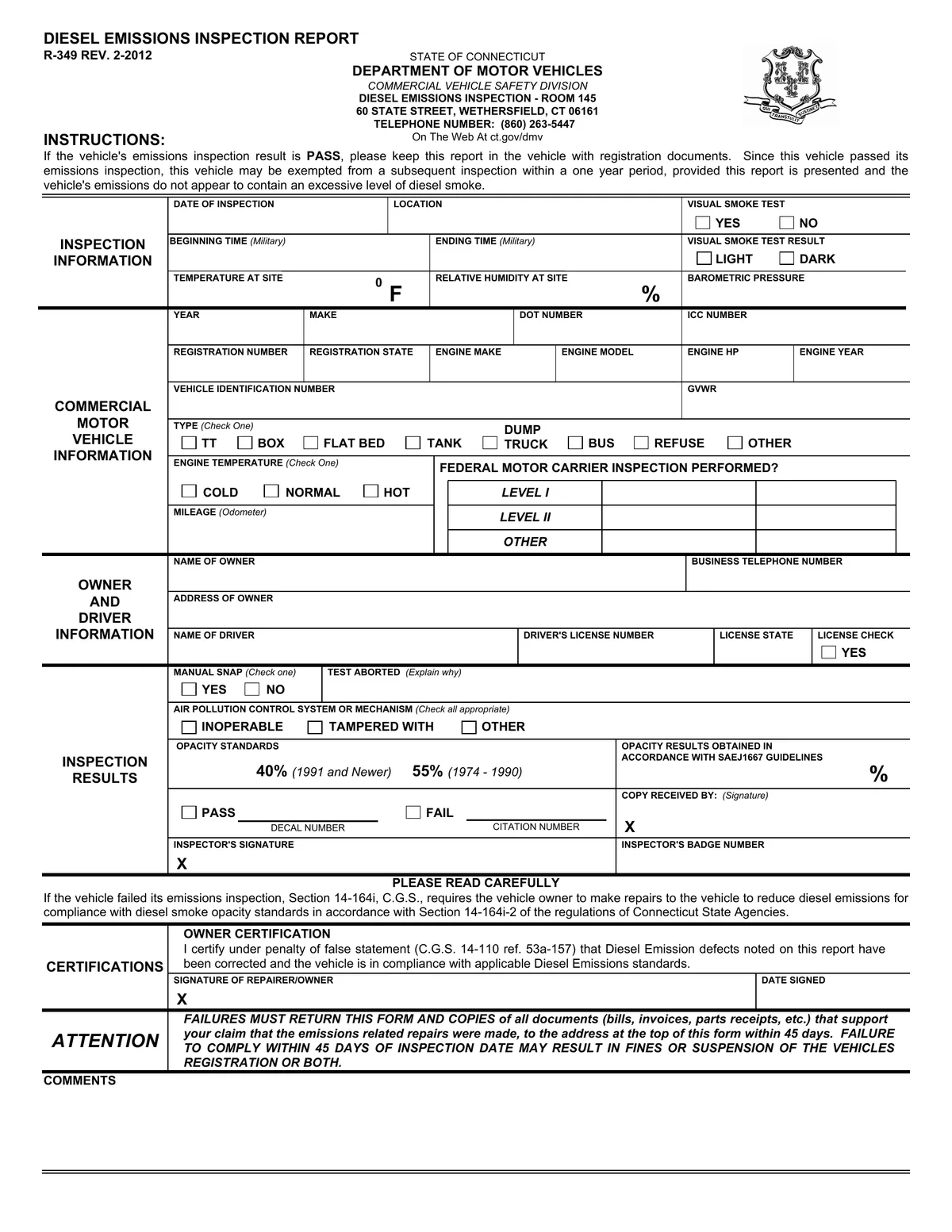
The waiver lets you register your vehicle even if it doesn’t pass the test. But you must spend at least $650 on emissions-related repairs first. Keep all receipts and documentation.
Exemptions You Might Qualify For (And How to Claim Them)
Not every vehicle needs an emissions test. Newer cars are exempt for their first four model years. Once a vehicle hits 25 years old, it’s exempt permanently.
Hybrid and electric vehicles don’t require testing either. Diesel vehicles have their own rules, typically involving a visual smoke test.
To claim an exemption, you’ll need to provide proof of your vehicle’s age or type. The DMV website lists the exact documentation required.
Step-by-Step: From Scheduling the Test to Getting Your Results
You don’t need an appointment for emissions testing. Just drive to an official station during operating hours. Bring your vehicle registration and payment.
The technician will guide you through the process. For OBD-II tests, they’ll plug into your car’s port. For tailpipe tests, they’ll use specialized equipment to measure emissions.
You’ll get your results on the spot. If you pass, you’re done for two years. If you fail, you’ll receive a printout explaining the issue and next steps.
Disputing a Test Result or Denied Waiver—Your Rights
If you believe your test result is incorrect, you can request a retest. The state allows one free retest within a certain timeframe. Bring your vehicle back to the same or another station.
For denied waivers, you have the right to appeal. The DMV provides a process for submitting additional documentation or evidence.
Keep all paperwork from your test and repairs. These documents are crucial if you need to dispute a result or waiver denial.
Common Mistakes That Cost Time and Money
Ignoring a check engine light is the top reason for test failures. Even a minor issue can trigger a fail if it affects emissions systems.
Many drivers forget to complete all OBD-II readiness monitors before testing. If your battery was recently disconnected, you may need to drive 100-200 miles to reset the system.
Skipping the free retest is another costly error. You have 60 days to fix and retest at no charge. Waiting longer means paying the $20 fee again.
Fees, Deadlines, and Penalties You Need to Know
The emissions test costs $20 as of 2026. This fee is separate from your registration costs.
You must complete the test before your registration expires. If you miss the deadline, you can’t renew your plates. The DMV will block your registration until you pass.
Late fees add up quickly. The longer you wait, the more you’ll pay in penalties. Some drivers face fines up to $200 for non-compliance.
Where to Get Tested: Official Stations vs. Private Shops
Connecticut uses state-approved testing stations. You can find locations on the DMV website. No appointments are needed.
Private repair shops can’t perform official emissions tests. They can only diagnose and fix issues. Always go to an official station for the actual test.
Some stations offer extended hours. Check ahead if you need evening or weekend testing.
Frequently Asked Questions
How often do I need an emissions test in Connecticut?
Most vehicles require testing every two years. Newer cars are exempt for their first four model years. Older vehicles over 25 years are permanently exempt.
What if my car fails the emissions test?
You’ll get a detailed report explaining the failure. You have 60 days to fix the issue and retest for free. The Bill of Rights caps repair costs at $650 for waiver eligibility.
Can I get a waiver if repairs are too expensive?
Yes. If emissions-related repairs exceed $650, you can apply for a waiver. You must show proof of the failed test and repair estimates.
Are hybrid vehicles exempt from testing?
Yes. Hybrid and electric vehicles don’t require emissions testing in Connecticut. This exemption applies to all hybrid models.
What documents do I need for the test?
Bring your vehicle registration and payment. No other documents are typically required. The technician will access your vehicle’s information electronically.
How do I dispute a test result?
You can request a retest at any official station. For waiver denials, submit an appeal to the DMV with supporting documentation. The DEEP oversees the appeals process.