Driving around Florida with a burned-out brake light or a horn that barely whispers isn't just inconvenient. It's a legal risk. The Florida vehicle equipment standards for brakes lights and horn functionality are written into state law, and they apply to every vehicle on the road.
Knowing the specifics keeps you from being the driver who gets pulled over for something preventable.
Florida law requires brake lights to be visible from 500 feet. Your horn must be heard from at least 200 feet. If any of this equipment fails, you can expect a citation.
Let's break down exactly what the statutes say.
Quick Answer
Florida law requires brake lights visible from 500 feet. Your horn must be audible from 200 feet. Brake systems must stop safely.
Aftermarket parts must still meet these minimums. A violation can mean a fix-it ticket or fine.
What Exactly Does Florida Law Say About Brake Lights, Horns, and Brakes?
Florida's motor vehicle equipment laws live in Chapter 316 of the Florida Statutes. The rules cover your brake lights, horn, and braking system as separate but related requirements. Here is a quick look at what is mandatory as of 2026.
| Equipment Component | Key Standard | Law Reference |
|---|---|---|
| Stop lamps (brake lights) | Red, at least two, visible from 500 ft behind | FSS 316.221 |
| Horn | Audible under normal conditions from 200 ft; no unreasonably loud or harsh sound | FSS 316.271 |
| Service brakes | Must stop in a safe and assured manner | FSS 316.295 |
| Parking brake | Must hold on any grade | FSS 316.295 |
| Turn signals | Red or amber rear, white or amber front; flash 60 to 120 times per minute | FSS 316.221 |
| Tail lamps | Red, visible from 1,000 ft behind | FSS 316.221 |
The same basic standards apply to passenger cars, pickup trucks, motorcycles, and RVs. Some vehicle types have small exceptions such as antique cars. But these numbers are the baseline.
For a broader look at how states handle vehicle safety equipment, our blog covers many state-specific topics.
Your Brake Lights: The Two Rules That Get Most Drivers Pulled Over
Rule One: They must be visible from 500 feet. That is the distance Florida law sets for your stop lamps. If your brake lights are dimmed by dirt, a cracked lens, or aftermarket tint, an officer can cite you even if the bulbs work. The same applies if one bulb is out completely.
You need at least two working red lights on the rear.
Rule Two: They must be red and come on when you press the pedal. No other color works for brake lights in Florida. White, blue, or amber are not acceptable. The lights must also be steady.
Flashing brake lights can get you pulled over unless they are part of a factory emergency warning system.
Common violations we see include burned-out bulbs, broken filaments, and aftermarket tinted covers that reduce brightness. If you tow a trailer, it needs its own brake lights. The requirements for safety chains and lighting equipment are similar to Florida's.
The Horn Requirement: Not Just Any Sound Will Do
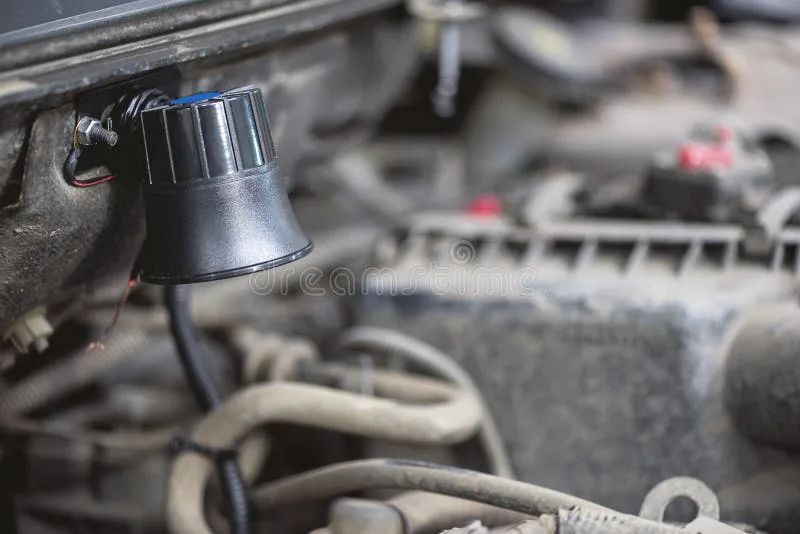
Your horn must be audible from 200 feet under normal conditions. That is the distance Florida uses to decide if your horn is adequate. If an officer cannot hear it from that far away, it counts as a violation.
What makes a horn illegal beyond being too quiet? Florida law says you cannot use a horn that is unreasonably loud or harsh. That includes air horns that sound like a train or truck. It also covers horns that mimic sirens or emergency vehicles.
Officers have discretion here. If your horn startles other drivers or sounds aggressive, you risk a citation.
The law also requires your horn to be in proper working condition. A horn that works only sometimes or cuts out when you hold it can still get you ticketed. Checking your horn is simple.
Press it and listen. If it sounds weak, check the relay, ground wire, or fuse.
It's Not Just the Lights: Your Brake System Must Meet Standards Too
Your brake system is part of the equipment standards. It is enforced alongside lights and horn. Florida law (FSS 316.295) says your service brakes must stop the vehicle in a safe and assured manner.
There is no exact stopping distance written into the statute for passenger cars. But it is judged by whether the brakes work as intended. If your pedal sinks to the floor or the car pulls hard to one side, you can be cited.
Parking brake rule: It must hold your vehicle on any grade. Even on a steep hill, the parking brake should lock the wheels. A parking brake that slips or will not engage is a violation.
Common brake-related violations include:
- Brake pedal goes too far before resistance
- Parking brake will not lock
- Brake fluid leak
- Worn pads or shoes reducing stopping power
If your vehicle fails a brake performance test during a traffic stop or inspection, you could get a citation requiring repair and proof of correction. Keeping your brakes in good condition is not just about safety. It is a legal requirement.
Aftermarket Lighting, Air Horns, and Modifications: What's Actually Legal?
This is where a lot of Florida drivers get tripped up. Aftermarket parts are allowed. But they must still meet the same standards as factory equipment.
Here is how the rules apply to common modifications.
LED and HID headlights: You can upgrade. But the light color must be white or amber toward the front. Red or blue lights facing forward are prohibited.
If your LED conversion is too bright or causes glare, an officer can cite you.
Aftermarket tail lights: Smoked or blacked-out tail lights often reduce visibility below the 500-foot requirement. Even if the bulbs are bright, the lens tint can cut distance. Many drivers receive fix-it tickets for this.
Underglow and accent lights: You can have underglow. But it must not show red from the front or blue from any angle. Blue is reserved for emergency vehicles.
Most officers will stop you if they see blue or if any light flashes.
Air horns and loud exhaust: Air horns can easily fall into the unreasonably loud or harsh category. If your horn sounds like a semi truck, you are at risk. The same goes for exhaust modifications that make your horn hard to hear.
Blue light restrictions vary by state, and Florida's rules are strict.
Bottom line: Any modification that reduces the effectiveness of required equipment can cost you a ticket. When in doubt, keep your lighting and horn close to stock. Or verify with the Florida statute before you install.
How Equipment Violations Are Enforced
An officer in Florida decides the classification on the spot. A burned-out tail light often gets a fix-it ticket. That is a non-moving violation with a small fine and time to prove you fixed it.
But if your brake lights are not working at night, the violation can escalate to a moving violation. The officer may argue the defective equipment made the vehicle unsafe. That carries points on your license and higher fines.
The same goes for a horn that works only sometimes. If you cannot alert another driver to avoid an accident, that is a risk the law takes seriously.
Fix-it ticket process: You get a citation. You repair the problem within 15 to 30 days depending on the jurisdiction. A law enforcement officer or certified mechanic signs off.
Then you submit proof and pay a reduced fee. If you do not fix it, the fine increases and it stays on your record.
Worse cases: If a defective brake system causes an accident, you face civil liability. The equipment violation can be used as evidence of negligence. For a deeper dive into how these statutes interact with other state laws, you can see how other states handle similar enforcement.
Motorcycle and Antique Vehicle Exemptions You Should Know
Not every vehicle on Florida roads faces the exact same standards. Let us separate the two biggest exceptions.
Motorcycles: Florida law requires at least one red stop lamp visible from 500 feet. That is different from cars and trucks, which need two. Your horn must still be audible from 200 feet.
Turn signals are required. They must be red or amber rear and white or amber front. Motorcycles are not required to have a parking brake that holds the grade.
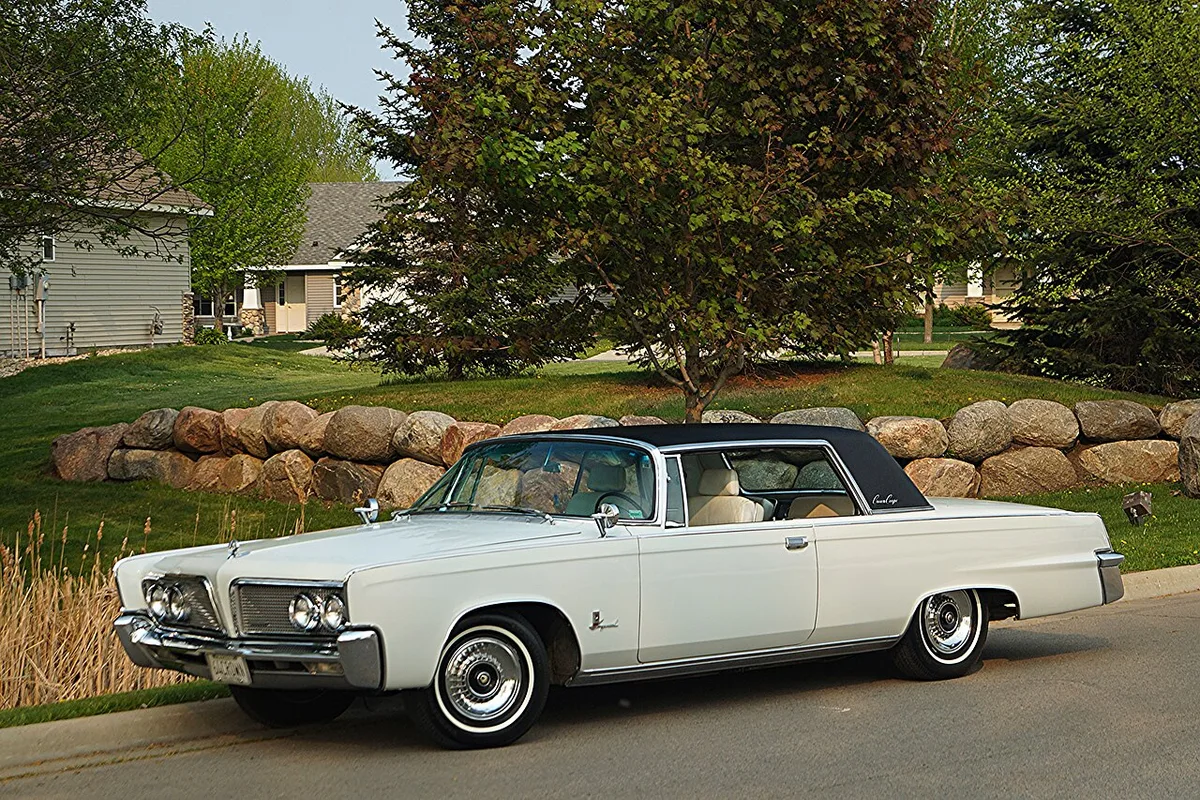
Antique vehicles: If your vehicle is 30 years old or older and registered as an antique under Florida statute 320.834, you can use original equipment that meets the standards from when the car was made. You do not have to add modern LED lights or a modern horn. But the equipment must still be functional.
A horn that worked in 1965 is fine. A broken horn is not.
Do antique cars still need brake lights? Yes. The original brake light configuration is sufficient. If the car had only one brake light, you can keep it.
But it must work and be visible. No exemptions exist for tires, brakes, or steering. Those systems must meet the same safety standards.
The historic vehicle registration rules in other states are different, so it pays to check your specific class.
How to Do a 5-Minute Self-Check in Your Driveway
You do not need a mechanic for a basic equipment check. You can do it in a few minutes with a helper or a phone camera.
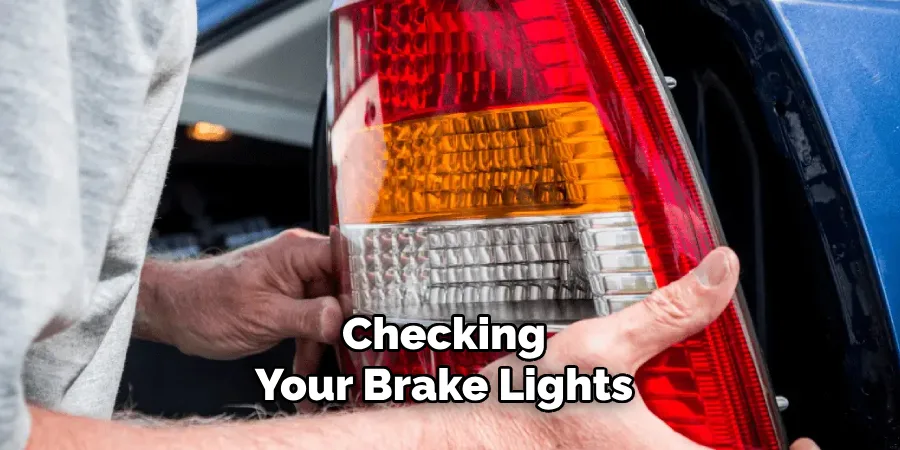
Brake lights: Have someone stand behind the car while you press the brake pedal. If you are alone, back up close to a white wall or garage door at night. Press the brake and look in the rearview mirror.
You should see a red glow. Do the same for the turn signals.
Horn test: Press the horn while standing next to the car. You should hear a clear tone. Then walk 200 feet away.
That is about 60 to 70 steps. Have someone press it again. If you can hear it clearly from that distance, it is legal.
If it sounds weak, check the horn relay and ground wire.
Brake test: In a safe area, drive at 20 mph and apply the brakes firmly. The car should stop straight without noise. On a slight incline, set the parking brake.
It should hold the car without rolling.
Tail lamps and license plate light: Turn on your headlights and walk around the car. All tail lamps and your rear license plate light should be on.
Trailer lights: If you tow, connect the trailer and test all lights. The lighting rules for trailers follow similar standards.
Common Mistakes That Put a Target on Your Car
Some violations happen because drivers do not know the specifics. Here are the top mistakes we see in enforcement data.
Running with one brake light out. Many drivers think one working light is enough. Florida law requires at least two stop lamps on passenger cars. If you are missing one, an officer can cite you.
Aftermarket tinted tail lights. Even if your bulbs are bright, a blacked-out lens reduces visibility. Officers check for this. You can receive a fix-it ticket even if the lights work.
Horn that is too quiet or too loud. An electronic horn that is barely audible or an air horn that mimics a train both violate the law. If your horn does not sound like a standard vehicle horn, it is a risk.
Parking brake never used. It is common to never engage your parking brake with an automatic transmission. But if an officer tests it during a stop and it does not hold, you get a citation.
Ignoring the license plate light. This small bulb is often overlooked. If it is burned out, it is a reason for a stop. Once stopped, the officer can check all other equipment.
Blue lighting anywhere. Blue lights are reserved for law enforcement. Underglow, interior lights, or license plate frames in blue are illegal. Even a faint blue glow can get you pulled over.
When You Should Hand This to a Mechanic
Some equipment problems are easy DIY fixes. A burned-out bulb or a loose wire on the horn usually takes minutes. But some issues need professional help.
Brake system problems: If your pedal feels soft, spongy, or sinks to the floor, that is a hydraulic issue. Leaks, worn master cylinders, or air in the lines require a mechanic. The same goes for a parking brake that releases on its own.
Horn that stays quiet: If the horn relay and fuse check out but the horn is still silent, the horn itself may be dead. Some vehicles need the horn to be properly grounded. A mechanic with a test light can diagnose it faster than you can.
Aftermarket modifications: If you installed an LED light bar or air horn and want to make sure it is legal, have a professional check the color, brightness, and mounting location. It is cheaper than a ticket.
Brake fade or pulling: If the car pulls to one side when braking, it could be a stuck caliper or uneven pad wear. That affects your ability to stop safely. Get it checked.
When in doubt, get a professional inspection. Many shops offer a free or low-cost safety check. It covers the exact items an officer might check. The auxiliary lighting regulations elsewhere can give you additional context for what is legal.
At-a-Glance Compliance Checklist to Keep on Hand
This quick reference sums up every equipment standard we covered. Stick it in your glove box.
- Brake lights: At least two red stop lamps. Visible from 500 feet.
- Horn: Audible from 200 feet. Not unreasonably loud or harsh.
- Tail lamps: Red, visible from 1,000 feet. Both must work.
- Turn signals: Flash 60 to 120 times per minute. Rear: red or amber. Front: white or amber.
- Service brakes: Stop smoothly without pulling. Pedal must not sink.
- Parking brake: Holds on any grade. Engage and test regularly.
- License plate lamp: Must illuminate the plate at night.
- Headlamps: White or amber forward. On from sunset to sunrise and during low visibility.
- Aftermarket parts: Must meet the same visibility and sound standards. No blue lights anywhere.
For the full statutory language, refer to the Florida Legislature's official statutes.
This quick reference sums up every equipment standard we covered. Stick it in your glove box.
- Brake lights: At least two red stop lamps. Visible from 500 feet.
- Horn: Audible from 200 feet. Not unreasonably loud or harsh.
- Tail lamps: Red, visible from 1,000 feet. Both must work.
- Turn signals: Flash 60 to 120 times per minute. Rear: red or amber. Front: white or amber.
- Service brakes: Stop smoothly without pulling. Pedal must not sink.
- Parking brake: Holds on any grade. Engage and test regularly.
- License plate lamp: Must illuminate the plate at night.
- Headlamps: White or amber forward. On from sunset to sunrise and during low visibility.
- Aftermarket parts: Must meet the same visibility and sound standards. No blue lights anywhere.
For the full statutory language, refer to the Florida Legislature's official statutes.
Frequently Asked Questions
How many brake lights does a car need in Florida?
Florida law requires at least two red stop lamps visible from 500 feet. If you tow a trailer, it must have its own brake lights.
Will a fix-it ticket affect my insurance?
A non-moving fix-it ticket typically does not affect insurance rates if you correct the problem and pay the reduced fee. Moving violations from defective equipment add points, which may raise your premiums.
Is it legal to drive with a tail light out in Florida?
Technically no. A single working tail light might still meet the illumination requirement. But if an officer notices, you can be cited.
Fix it as soon as you can.
What is the fine for a broken horn in Florida?
Fines vary by county. They generally range from $30 to $100 for a first offense if you show proof of repair. Without proof, the fine increases and the violation may become a moving offense.
Do I need a horn on my motorcycle in Florida?
Yes. Motorcycles must have a horn audible from 200 feet, just like passenger cars. It must not be unreasonably loud or harsh.