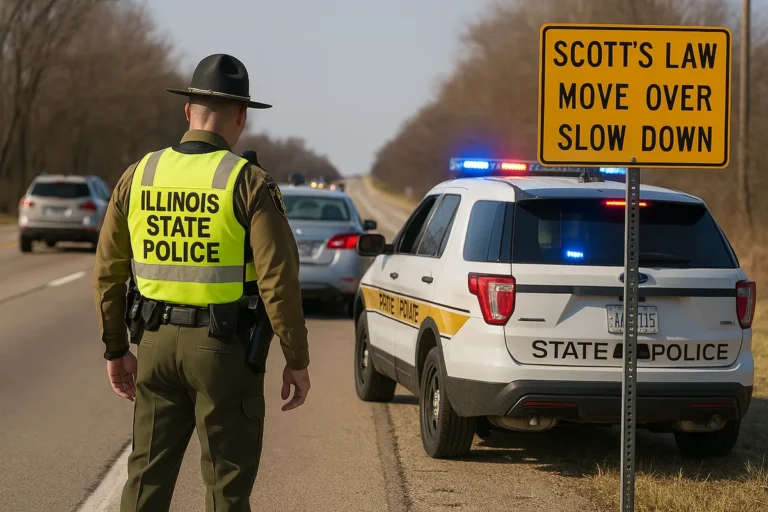
If you have ever considered adding red or blue lights to your personal car or truck in Illinois, you need to know the law first. The Illinois blue and red light prohibition for private motor vehicles is stricter than most people realize, but it also comes with a handful of specific exemptions that many drivers overlook.
We researched 625 ILCS 5/12‑215, the Illinois Vehicle Code section that controls colored warning lights on private vehicles. As of 2026, the law has been amended several times. The exceptions are narrow and clearly defined.
If you fall into one of those categories, you can legally run red or blue lights. If you don’t, even a single visible red LED can cost you hundreds of dollars.
The Real Problem: Why So Many Illinois Drivers Get the Light Laws Wrong
A lot of bad advice floats around on forums and social media. Someone’s cousin’s friend says “blue lights are fine as long as they’re not flashing.” That is not true. Another thread claims “red is only illegal on the front.” Wrong again.
Three things cause the confusion. First, people mix up federal lighting standards with Illinois state law. Federal rules cover what a manufacturer can sell.
State rules cover what you can use on a public road. Second, many drivers assume a product is street legal because it is sold in a store. Light bars and dash strobes marked “off‑road use only” still end up on daily drivers.
Third, the exemptions in the law are spread across multiple sections and easy to miss.
We wrote this guide to clear up the noise. You will get the exact rule, the exceptions, and a simple way to figure out where you stand.
Quick Answer: The One Line Rule and Its Important Exceptions
The rule: Private motor vehicles in Illinois cannot display red or blue lights unless the vehicle falls into a specific exemption.
The exceptions: You may use red or blue lights if you are:
- A volunteer firefighter with written authorization from your fire chief.
- Operating a chartered bus that is part of an authorized fleet.
- Driving a construction, maintenance, or utility vehicle actively performing work.
- Operating a farm tractor or implement of husbandry.
- Using an off‑road vehicle that never touches public roads.
If you do not fit one of these categories, red or blue lights on your private vehicle are illegal.
How Illinois Law Works: A Look at 625 ILCS 5/12-215
This statute controls the whole red‑and‑blue question. The key part says: “No vehicle, other than an authorized emergency vehicle, shall be equipped with a red or blue light.”
The law then lists the vehicles that are authorized. We have summarized them in the table below.
| Vehicle Type | Red Lights Allowed | Blue Lights Allowed | Notes |
|---|---|---|---|
| Law enforcement (police, sheriff, state police) | Yes | Yes | Fully authorized emergency vehicle |
| Volunteer firefighter POV | Yes | Yes | Must have written authorization from fire chief |
| Chartered bus (authorized fleet) | Yes | No | Specific permit required per 625 ILCS 5/12‑216 |
| Construction/maintenance vehicle | Yes (steady) | No | Only while actively working; amber also required |
| Farm tractor/implement | Yes (flashing or steady) | No | Must also display SMV emblem |
| Off‑road vehicle on private property | No restrictions | No restrictions | Only if it never uses a public road |
| Standard private passenger car | No | No | No exemptions unless you fit one of the rows above |
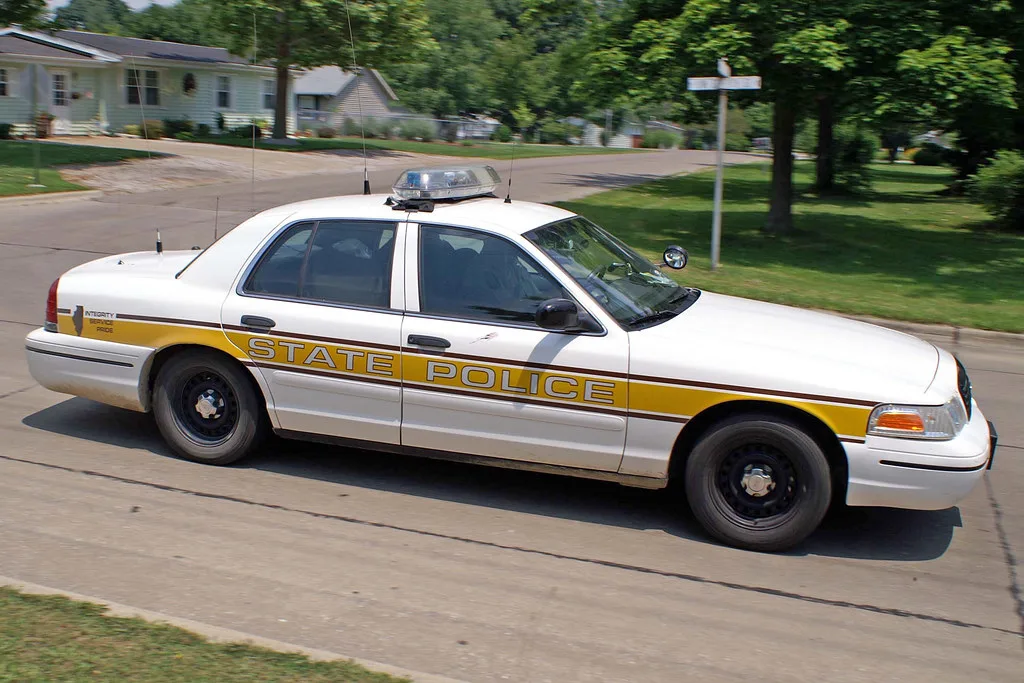
Penalties for violating this section are not light. A first offense is a petty offense with a minimum fine of $120 plus court costs. A second or subsequent offense can be charged as a Class A misdemeanor with up to a $2,500 fine and up to a year in jail.
Your vehicle may also be impounded in some jurisdictions.
Decision Tree: Six Questions to Find Out If You Can Have Red or Blue Lights
Go through each question below. The moment you answer “yes” to one, you are likely legal. If you answer “no” to all six, you cannot have red or blue lights on your private vehicle.
Are You a Volunteer Firefighter with Written Authorization?
If you are a registered volunteer firefighter and you have a signed authorization letter from your fire chief on department letterhead, you can install red and blue lights on your personal vehicle. The authorization must include your name, vehicle description, and the department’s seal or stamp. You must carry that letter in the vehicle at all times.
The exemption only covers you when responding to an emergency call.
Do You Operate a Chartered Bus or Other Authorized Passenger Vehicle?
If you own or drive a chartered bus that is part of an authorized fleet under 625 ILCS 5/12‑216, you may display red lights. The bus must be operated under a certificate from the Illinois Department of Transportation. This does not apply to standard school buses.
Is Your Vehicle Used for Construction, Maintenance, or Utility Work?
Certain vehicles used for construction, road maintenance, or utility work may display steady‑burn red lights while actively working. Flashing red or blue lights are generally not allowed on private work vehicles unless the vehicle is classified as an emergency vehicle by the municipality. For most private trucks, amber lights are the safe legal choice.
Are You Driving a Farm Tractor, Implement, or Off‑Road Vehicle?
Farm tractors and implements of husbandry may display a flashing or steady red light when traveling on a highway. The light must be mounted as high as practical and visible from front and rear. You still need an SMV emblem.
This exemption does not extend to pickup trucks or SUVs used for farm work.
Is Your Vehicle Only Used on Private Property?
If your vehicle never touches a public road, you can add any color lights you want. The law only regulates lighting on vehicles that operate on public highways. The moment you drive that vehicle on a public road, even for a few hundred feet, the prohibition snaps back.
If None of the Above Apply: The Default Prohibition
If you do not meet any exemption, you cannot have red or blue lights on your private motor vehicle in Illinois. Even a small red LED in the rear window is illegal. Stick with amber or white auxiliary lights.
Common Mistakes: What Gets People Pulled Over, Cited, or Impounded
Even well‑meaning drivers get caught by these errors. The same patterns come up again and again.
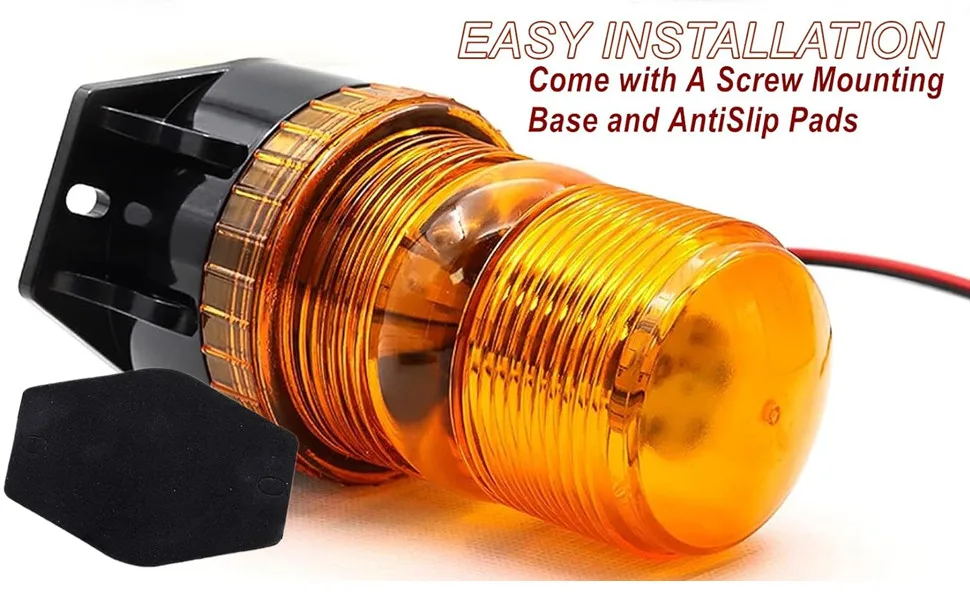
Assuming “off‑road” means legal on the road. Many light bars carry an “off‑road use only” disclaimer. Buyers ignore it and install them on daily drivers. When a police officer sees red or blue on a civilian car, the stop happens fast.
Using lights outside the scope of your exemption. Volunteer firefighters often get ticketed for using their lights while running personal errands. The exemption requires active emergency response. Chartered bus drivers who use red lights without passengers also get cited.
Installing lights that mimic law‑enforcement patterns. Your lights cannot look like a police cruiser’s setup. Some departments have specific rules about light bar size and position. If you look like an unmarked car, you will attract attention.
Modifying lights after installation. Adding a cheap red or blue LED strip to your tailgate or underbody kit breaks the law. The statute covers any red or blue light visible from outside, not just professional emergency lights.
Assuming the law is the same in every state. If you cross into Indiana, Wisconsin, or any other neighboring state, the rules change. What is legal in Missouri may get you cited in Illinois.
Legal and Financial Risks: Penalties, Fines, and Criminal Charges
Getting caught with illegal red or blue lights in Illinois costs more than most drivers expect. It is not a fix‑it ticket.
| Offense | Classification | Maximum Fine | Additional Consequences |
|---|---|---|---|
| First offense | Petty offense (traffic) | $120 minimum + court costs | Points on license possible |
| Second or subsequent | Class A misdemeanor | Up to $2,500 | Up to 1 year jail time |
| Impersonating an emergency vehicle | Class 4 felony (rare) | Up to $25,000 | License suspension, vehicle seizure |
Court costs vary by county. Cook County adds roughly $200 in fees on top of the fine. A first offense can easily hit $350 after surcharges.
Your insurance carrier may drop you or raise your rates after a conviction for illegal equipment. Some carriers classify it as a reckless driving indicator. If you have a commercial driver’s license, the violation can trigger a review from your employer or the Illinois Secretary of State.
Vehicle impoundment is a real risk in certain jurisdictions. Chicago and several suburban municipalities allow police to tow any car equipped with illegal emergency lights. Storage fees add up quickly.
Real Scenarios: How Each Exemption Plays Out in Practice
Volunteer firefighter stopped at a traffic light. A volunteer with a valid authorization letter was cited for running red and blue lights while stopped at a red light. He was not en route to a call. The letter only covers active response.
Construction foreman with a work truck. A foreman added a red light bar to his F‑250 for job site visibility. During a highway commute, a state trooper stopped him. He had no municipal authorization and was not actively working.
He received a $250 citation and the light bar was confiscated.
Farmer moving equipment between fields. A farmer operating a tractor at dusk had a red flashing light mounted high on the cab. An officer stopped him but confirmed the implement of husbandry exemption and let him go with a warning to add an SMV emblem.
Off‑road enthusiast on public roads. A driver with blue underglow on a modified Jeep drove two miles on public streets to a trailhead. The lights were visible and powered on. The court upheld the citation.
Expert Tips: Staying Compliant Without Sacrificing Safety
You do not need red or blue lights to be seen in low visibility or to signal a hazard. There are legal ways to get the same warning effect.
Stick to amber and white for auxiliary lights. Amber is the most versatile legal color. You can use amber warning lights for hazard purposes, slow‑moving vehicle marking, and general visibility. White lights are legal for forward illumination as long as they meet federal beam pattern standards.
Mount lights where they do not mimic emergency vehicles. Avoid putting lights in the grille, behind the rear window, or on the roof in a way that mirrors a police cruiser. Keep them low on the bumper or inside the cab behind the rear seats.
If you qualify for an exemption, carry the paperwork at all times. A laminated copy of your fire chief’s authorization letter or your chartered bus permit will save you hours of roadside hassle. Keep a second copy in your glove box and a digital photo on your phone.
Wire auxiliary lights to a separate switch. Do not connect them to your headlight circuit. A dedicated switch with a visual indicator helps you notice if they are on.
| Recommended Setup | Color | Legal Status | Best For |
|---|---|---|---|
| Amber strobe pods (rear) | Amber | Legal without permit | Hazard warning, work zones |
| White LED driving lights | White | Legal with proper aim | Rural roads, off‑road |
| Red/blue combination | Red + blue | Illegal unless exempt | Only for exempt vehicles |
| Blue underglow | Blue | Illegal on public roads | Off‑road use only |
Know the laws for every state on your route. If you cross state lines, check the regulations for each state. Our traffic law guides cover regulations in other states as well.
Frequently Asked Questions
Can I install red or blue lights on my car if I never turn them on?
No. The law prohibits equipping a private vehicle with red or blue lights, not just using them. An officer who sees the lights during a traffic stop can cite you even if they were off.
What happens if I get caught with illegal lights in Chicago?
Chicago enforces the prohibition strictly. In addition to the state fine, Cook County adds around $200 in court costs. Your vehicle may be impounded.
Some municipal ordinances allow officers to seize the lights on site.
Do underglow or interior lights count under this law?
Yes, if they are red or blue and visible from outside. The law covers any light capable of displaying red or blue from the exterior, regardless of where it is mounted.
Are amber lights always legal in Illinois?
Amber lights are generally legal without a special permit. You can use them for hazard warning and auxiliary lighting. You cannot flash them in a way that mimics emergency vehicle patterns.
Can I use red lights on my farm tractor?
Yes. Farm tractors and implements of husbandry may display a flashing or steady red light when traveling on a highway. You also need an SMV emblem and any other federally required lighting.
Final Verdict: Your Decision Guide for Staying Legal
The Illinois blue and red light prohibition for private motor vehicles is simple once you know where you stand. If you are not a volunteer firefighter with written authorization, a chartered bus operator, a construction worker actively on site, a farmer on a tractor, or running an off‑road vehicle on private land, you cannot have red or blue lights.
Your safest option is amber and white auxiliary lighting. It gives you visibility without legal risk.
If you think you qualify for an exemption, get written confirmation first. A signed letter from your fire chief or your fleet permit is your only defense against a citation.
If you are already running red or blue lights on a private vehicle, remove them before your next drive. A quick fix now beats a traffic stop, a misdemeanor charge, and a pile of court fees later. For more on keeping your vehicle road‑legal, browse our other traffic law resources.