ByMax Lee
Kentucky Traffic Signal Rules Explained
Kentucky traffic signal rules exist to keep drivers, pedestrians, and cyclists safe at every intersection. Misunderstanding a single light or sign can lead to accidents, tickets, or worse. The Kentucky Transportation Cabinet enforces these rules under state law, and they apply whether you're in Louisville or a rural backroad.
As of 2026, Kentucky follows the national Manual on Uniform Traffic Control Devices, meaning its signals align with most states, but there are local nuances. Knowing the difference between a protected and permissive turn, for example, could save you a citation.
Quick Answer
Kentucky traffic signal rules require stopping at red lights and flashing red signals. A green light means go if the intersection is clear. Yellow means caution, not speed up.
Flashing yellow means proceed with care. Pedestrian signals override vehicle signals at crosswalks.
Bing (Web (fair-use with source credit))
The 3 Traffic Light Colors and What They Actually Mean in Kentucky
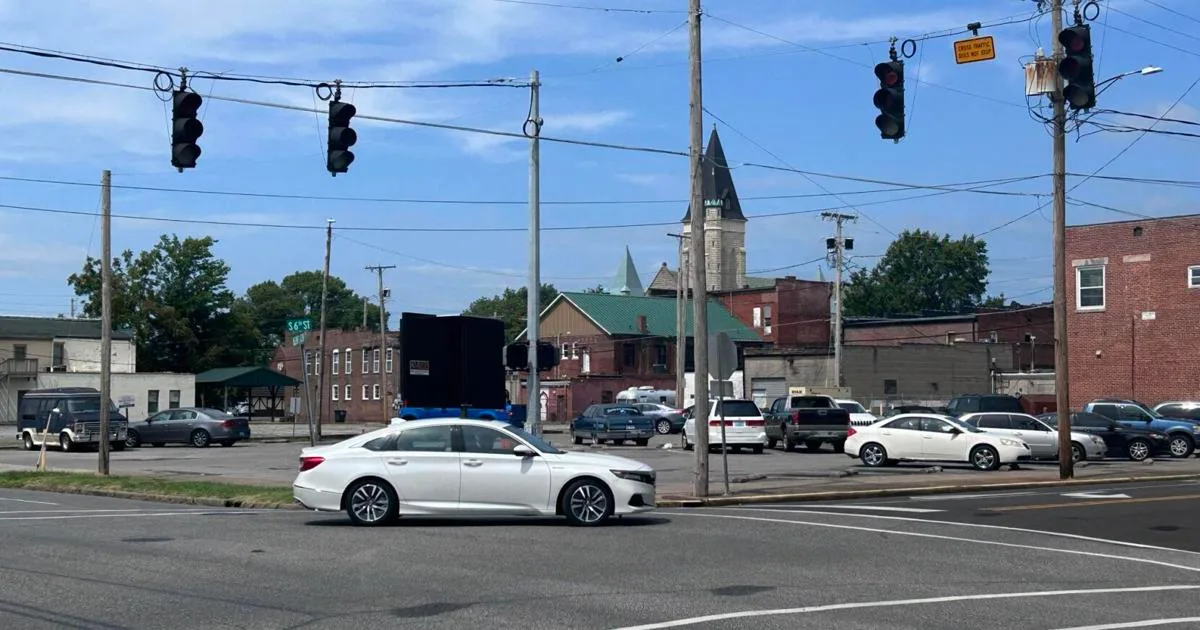
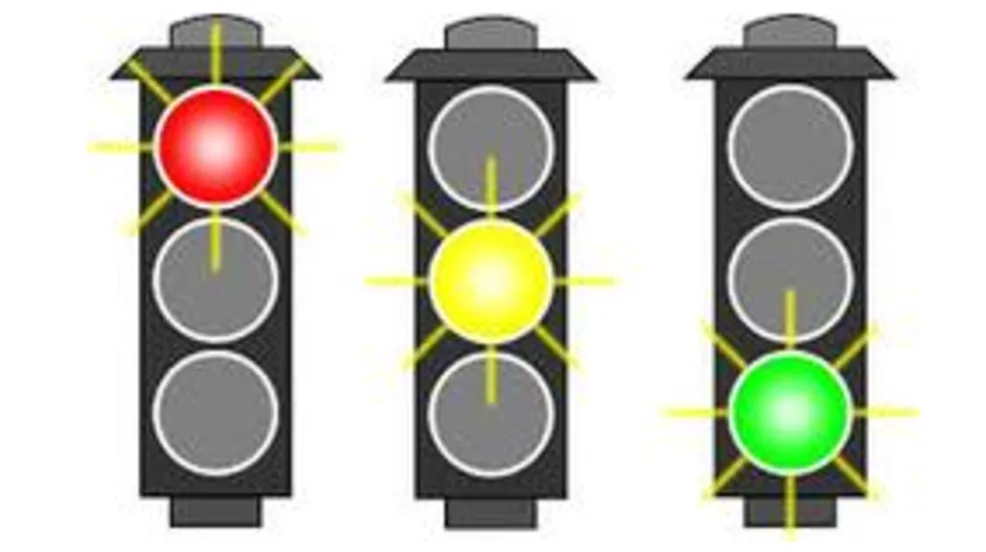
A red light means stop completely behind the crosswalk or stop line. You must remain stopped until the light turns green, unless turning right on red is permitted. Running a red light in Kentucky can result in a fine and points on your license.
A green light gives you the right to proceed, but only if the intersection is clear. You must still yield to pedestrians and other vehicles already in the intersection.
A yellow light is a warning that the signal is about to change to red. If you can stop safely, do so. If you’re already in the intersection when the light turns yellow, continue through carefully.
Flashing Signals: Red vs. Yellow and How to React
Flashing signals are used at intersections where a full traffic light isn’t necessary but caution is still required. A flashing red light has the same meaning as a stop sign. You must come to a complete stop, then proceed only when it’s safe.
A flashing yellow light means slow down and proceed with caution. You don’t need to stop, but you must be prepared to yield.
Bing (Web (fair-use with source credit))
Left Turns in Kentucky: Protected vs. Permissive (and When You Can Turn on Red)
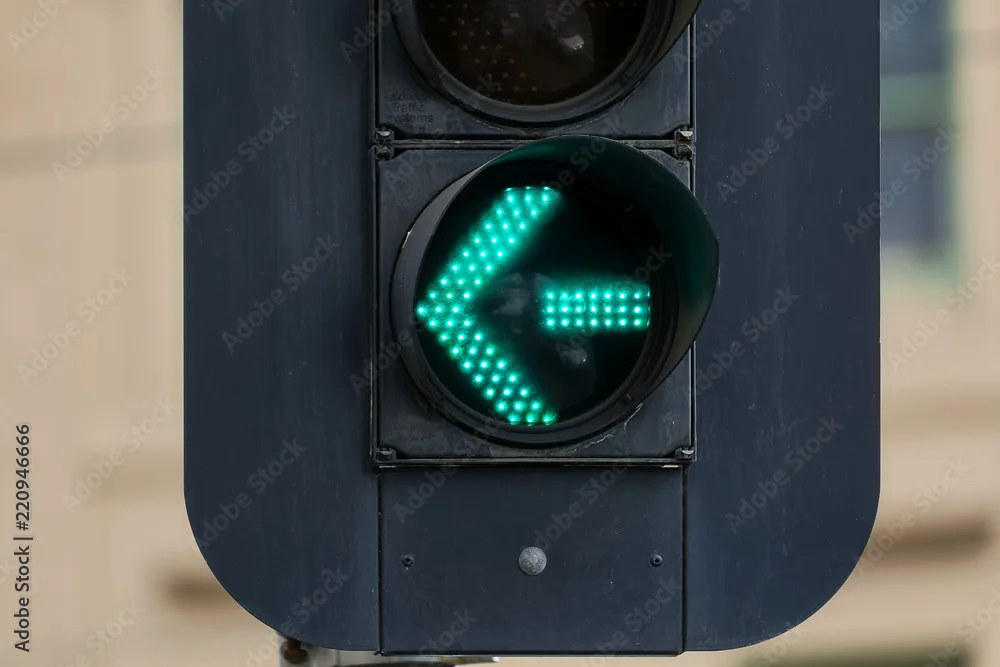
A protected left turn is indicated by a green arrow. This means oncoming traffic is stopped, and you can turn left safely.
A permissive left turn is indicated by a green light without an arrow. Here, you must yield to oncoming traffic and pedestrians before turning.
Bing (Web (fair-use with source credit))
In Kentucky, you can turn right on red unless a sign explicitly prohibits it. Turning left on red is only allowed if you’re turning from a one-way street onto another one-way street.
Pedestrian Signals: Walk, Don’t Walk, and the Gray Areas
A Walk signal means it’s safe to start crossing. Always check for turning vehicles before stepping into the road.
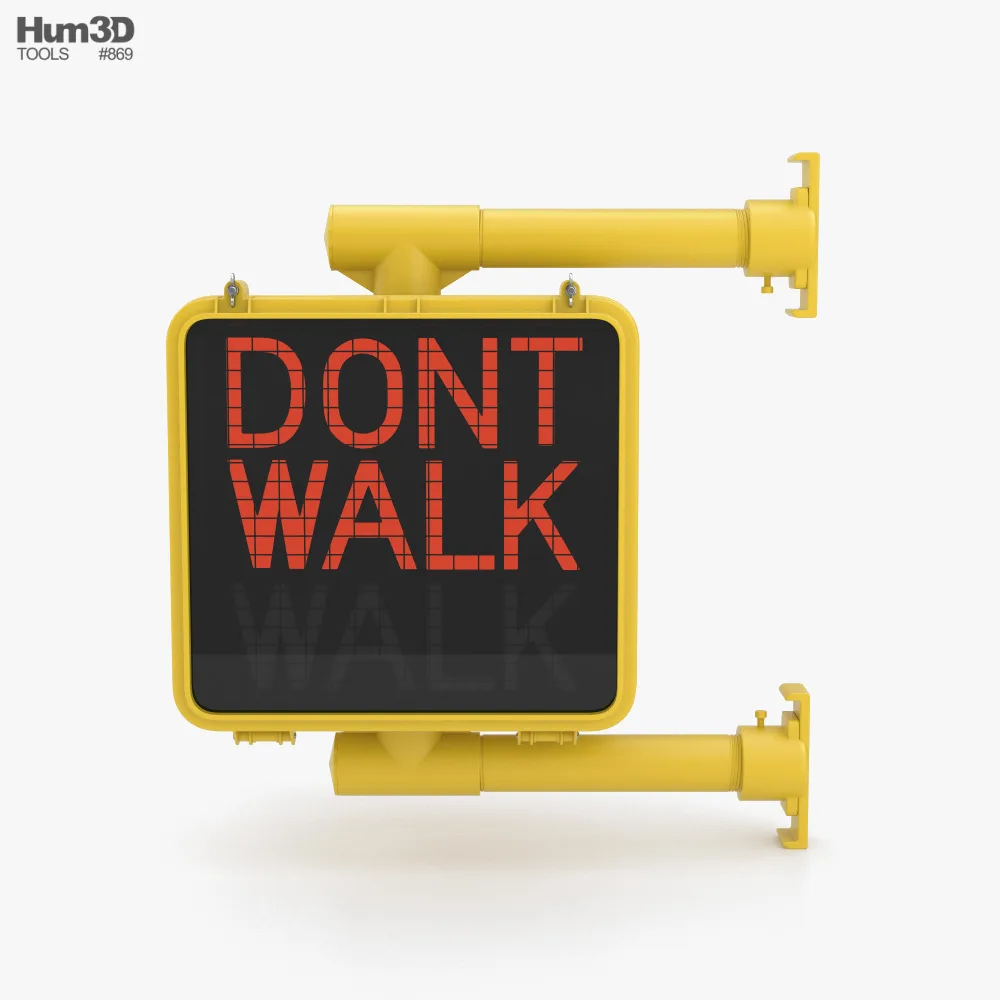
A Don’t Walk signal means you should not start crossing. If you’re already in the crosswalk, finish crossing quickly but safely.
Bing (Web (fair-use with source credit))
Kentucky law requires drivers to yield to pedestrians in crosswalks. For national guidelines, the Federal Highway Administration provides standards that Kentucky follows.
Right-of-Way Rules at Kentucky Intersections (Who Goes First?)
At a four-way stop, the first vehicle to stop is the first to go. If two vehicles stop at the same time, the one on the left yields to the one on the right.
At uncontrolled intersections, the vehicle already in the intersection has the right of way. If you arrive at the same time as another driver, the one on the left yields.
For T-intersections, the vehicle on the through road has the right of way. If you’re on the terminating road, you must yield to all traffic on the through road.
Emergency Vehicles and Traffic Signal Preemption: What You’re Legally Required to Do
When an emergency vehicle with flashing lights and sirens approaches, you must pull over to the right and stop. This applies even if you’re at a green light.
Some intersections have traffic signal preemption, which allows emergency vehicles to change the lights in their favor. If you see a signal suddenly change to red with no apparent reason, an emergency vehicle may be approaching.
Failing to yield to an emergency vehicle can result in a fine and points on your license.
Common Mistakes That Get Kentucky Drivers Ticketed (or Worse)
Running a red light is one of the most common violations. Kentucky uses red-light cameras in some areas, so you might get a ticket even if no officer is present.
Turning right on red without stopping is another frequent mistake. Rolling stops are not legal and can lead to citations.
Ignoring pedestrian signals is also a major issue. Failing to yield can result in a fine and a serious accident.
What to Do If a Traffic Signal Is Malfunctioning
If you encounter a malfunctioning traffic signal, treat it as a four-way stop. Proceed with extreme caution, as other drivers may not follow the same rule.
If the signal is completely out, call the local police non-emergency line or the Kentucky Transportation Cabinet to report it. Provide the exact location and a description of the issue.
Kentucky’s School Zone and Construction Zone Signal Rules
School zones often have reduced speed limits and special signals to protect children. In Kentucky, these limits are typically in effect during school hours, usually between 7 AM and 4 PM.
Construction zones may have temporary traffic signals or flaggers directing traffic. These signals have the same authority as permanent ones. Speed limits in construction zones are strictly enforced.
Traffic Signals vs. Stop Signs vs. Roundabouts: When Each Is Used
Stop signs are used at intersections with low traffic volume. They require a complete stop and yield to other vehicles already in the intersection.
Traffic signals control higher-volume intersections where stop signs would cause excessive delay. They alternate right-of-way to keep traffic flowing smoothly.
Roundabouts are circular intersections where traffic flows in one direction around a central island. They reduce conflict points and often improve safety over traditional intersections.
How to Report a Broken or Confusing Signal in Kentucky
If you spot a malfunctioning traffic signal, call the Kentucky Transportation Cabinet’s district office for your area. You can find the contact information on the KYTC website.
For immediate hazards, call 911 or the local police non-emergency line. Never assume someone else will report it.
Kentucky Traffic Signal Laws: The Legal Consequences of Ignoring Them
Running a red light in Kentucky can result in a fine of up to $200 and 3 points on your license. Accumulating too many points can lead to license suspension.
Failing to yield to pedestrians or emergency vehicles carries similar consequences. Ignoring traffic signals can also lead to civil liability if you cause a collision.
Frequently Asked Questions
Can you turn right on red in Kentucky?
Yes, you can turn right on red after coming to a complete stop, unless a sign prohibits it. You must yield to pedestrians and oncoming traffic before turning.
What does a flashing yellow arrow mean?
A flashing yellow arrow means you can turn left after yielding to oncoming traffic and pedestrians. It’s a permissive turn signal.
Are you required to stop at a flashing yellow light?
No, a flashing yellow light means proceed with caution. You don’t have to stop, but you must be prepared to yield.
What should you do if a traffic signal is stuck on red?
Treat it as a stop sign. The first vehicle to arrive has the right of way, and others must yield in turn.
Is it legal to go straight on a green arrow?
Yes, a green arrow means you can proceed in the direction of the arrow. Other traffic should be stopped to allow your movement.
Can you turn left on a green light without an arrow?
Yes, but you must yield to oncoming traffic and pedestrians. This is a permissive left turn, not a protected one.