ByMax Lee
Kentucky School Bus Stopping Laws Explained
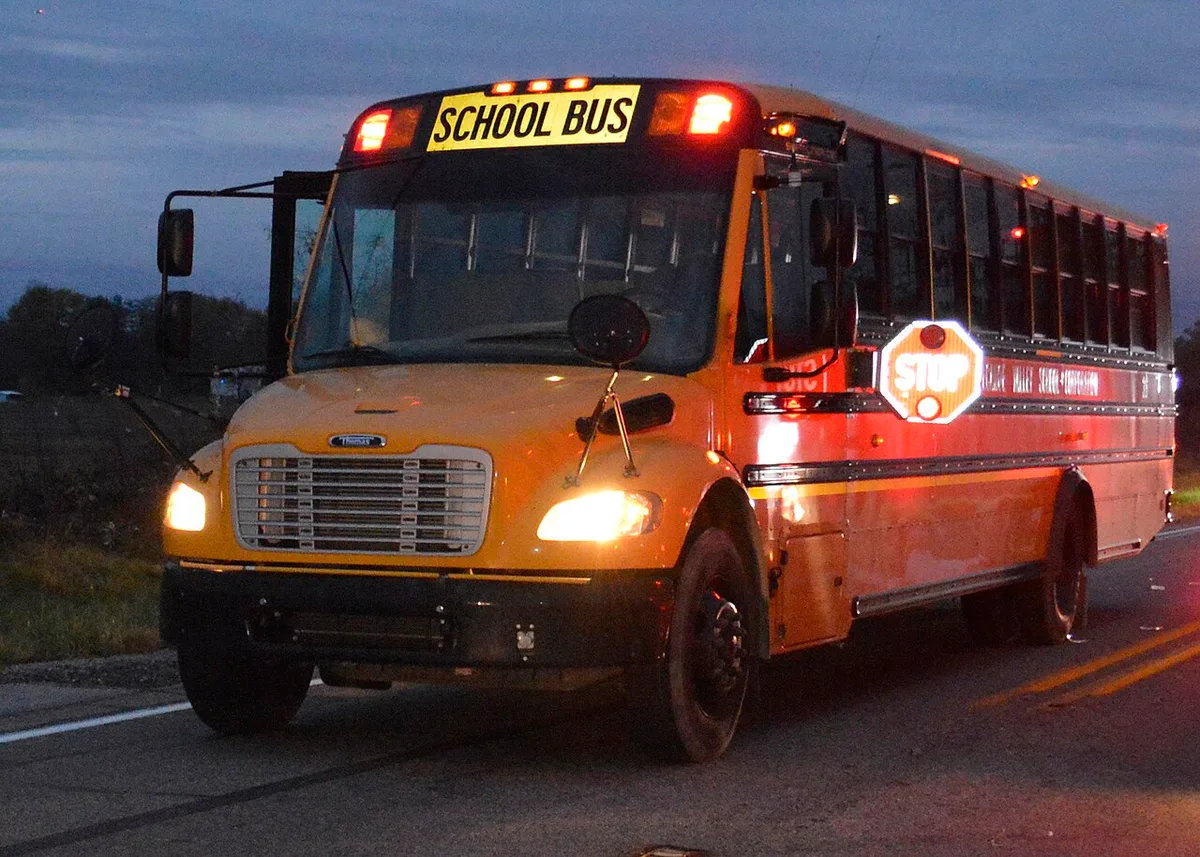
Wikimedia Commons / NTSBgov
Passing a stopped school bus in Kentucky isn’t just rude, it’s illegal and dangerous. Kentucky school bus stopping laws require all drivers to stop when a bus displays flashing red lights and extends its stop arm, no exceptions. These rules exist to protect children, and violating them can cost you up to $1,000 in fines.
As of 2026, Kentucky State Police report hundreds of violations yearly, with rural roads being high-risk zones. Understanding the exact rules can keep you safe and out of legal trouble.
Quick Answer
Kentucky law requires you to stop for a school bus with flashing red lights and an extended stop arm. You must stop at least 20 feet away from the bus. On divided highways with a physical barrier, oncoming traffic does not have to stop.
Fines for violations can reach $1,000.
The Exact Rules: When to Stop (and When You Don’t Have To)
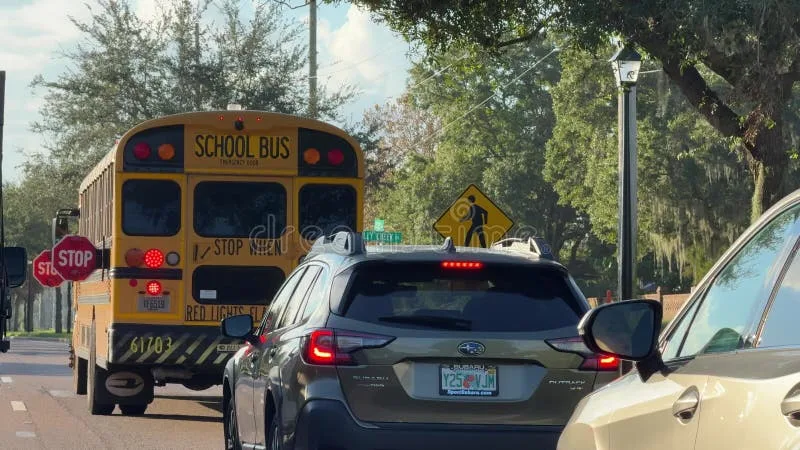
Kentucky’s rules are clear but depend on the road type. You must stop in both directions on two-lane roads and multi-lane roads without a median. The only exception is on divided highways with a physical barrier like a median or grass strip.
Bing (Web (fair-use with source credit))
If you’re unsure, err on the side of caution. Stopping when you shouldn’t is safer than risking a child’s life or a hefty fine. The Kentucky Revised Statutes (KRS 189.370) outline these requirements in detail, and official state resources provide further clarification.
Two-Lane Roads
On two-lane roads, all traffic in both directions must stop when a school bus displays red flashing lights and extends its stop arm. This applies even if you’re on the opposite side of the road. The bus driver will activate the lights well before stopping, giving you time to react.
Multi-Lane Roads Without a Median
For roads with two or more lanes in each direction but no physical median, all traffic must stop. This includes four-lane roads where vehicles travel in opposite directions without a barrier.
Divided Highways With a Median or Barrier
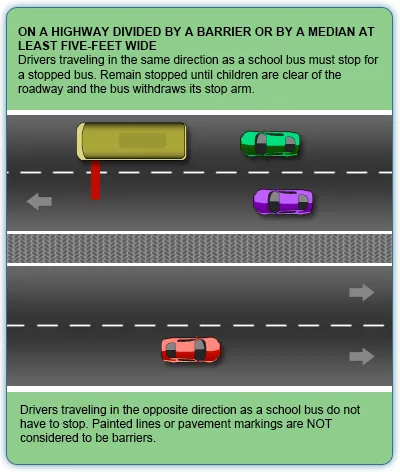
Here’s where it gets tricky. On divided highways with a physical barrier, only traffic traveling in the same direction as the bus must stop. Oncoming traffic can proceed with caution.
Bing (Web (fair-use with source credit))
How Kentucky’s School Bus Lights and Stop Arm Work
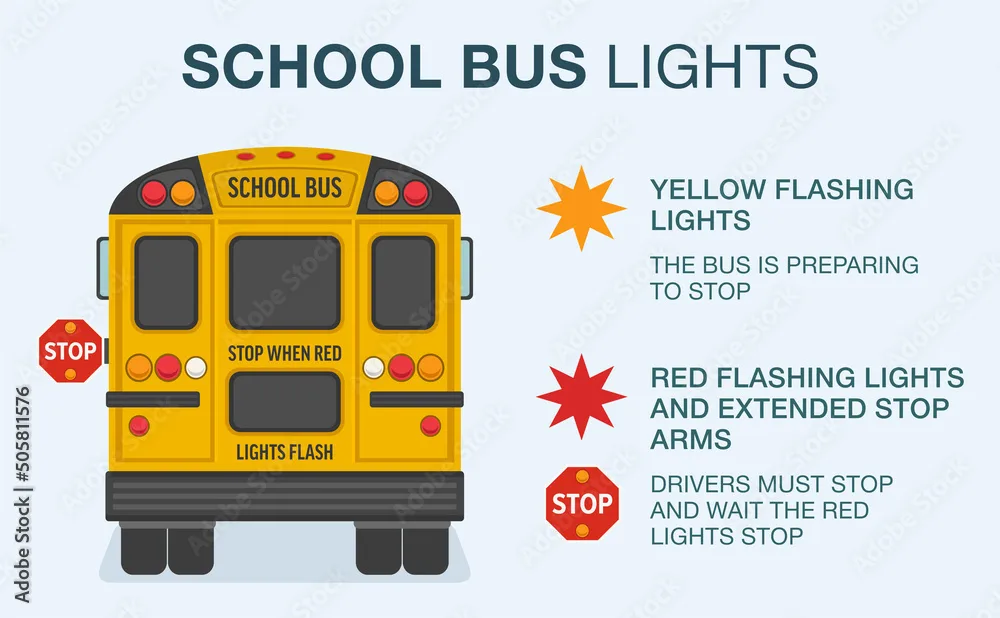
School buses use a universal signaling system. Yellow flashing lights mean the bus is preparing to stop, and you should slow down. Red flashing lights and an extended stop arm mean the bus is stopped, and children are boarding or exiting.
Bing (Web (fair-use with source credit))
The stop arm is a mechanical arm that extends from the left side of the bus with a stop sign attached. When the arm is out and the red lights are flashing, it’s illegal to pass the bus in either direction unless you’re on a divided highway with a barrier. The National Highway Traffic Safety Administration (NHTSA) provides additional safety guidelines.
Kentucky’s Penalties for Passing a Stopped School Bus
Kentucky takes violations seriously. Passing a stopped school bus with its red lights flashing and stop arm extended can result in a fine of up to $1,000. Repeat offenses may lead to license suspension or even criminal charges if an accident occurs.
These penalties are in place to deter dangerous behavior and protect children. According to KRS 189.991, the fines are steep because the stakes are high.
Common Mistakes That Get Drivers in Trouble
The most frequent violation is passing a bus with red lights flashing. Many drivers assume they can keep going if they’re in the opposite lane, but that’s only true on divided highways with a physical barrier.
Another common error is not stopping far enough back. Kentucky requires a minimum of 20 feet between your vehicle and the bus. Rolling stops or creeping forward while children are boarding can also lead to fines.
Some drivers ignore yellow flashing lights, which signal the bus is about to stop. Slowing down at this stage is critical.
What School Bus Drivers Are Required to Do
School bus drivers in Kentucky must follow strict protocols. They activate yellow flashing lights about 200 feet before stopping to warn approaching drivers. Once stopped, they extend the stop arm and turn on red flashing lights.
Drivers must keep the bus stopped until all children have safely boarded or exited and are clear of the roadway. They also signal children when it’s safe to cross, using hand signals or verbal cues.
Bus drivers are trained to report violations. Many buses are equipped with cameras to capture license plates of offending vehicles.
Special Cases: Private Roads, Church Buses, and More
Kentucky’s laws primarily apply to public school buses, but private or church buses transporting school children may also fall under these rules. If the bus is being used for school-related activities, the same stopping requirements typically apply.
On private roads, the rules can vary. If the road is open to public use, the standard stopping laws apply. However, if the road is strictly private and not accessible to the public, the rules may differ.
For non-school buses, like transit or shuttle buses, the stopping laws do not apply unless they are specifically transporting school children.
Kentucky vs. Other States: How the Rules Differ
Kentucky’s laws are similar to many states but have key differences. For example, in Florida, drivers must stop on divided highways with unpaved medians, whereas Kentucky does not require this.
Some states, like Texas, have even stricter penalties, including jail time for repeat offenders. Others, like Pennsylvania, require stopping in all directions on divided highways unless there’s a physical barrier.
Kentucky’s fines are on the higher end, with a maximum of $1,000 for violations. This reflects the state’s commitment to school bus safety.
Real-Life Scenarios: What Would You Do?
You’re driving on a two-lane road and see a school bus with yellow flashing lights. Slow down and prepare to stop. The bus will likely stop soon, and you must be ready.
On a four-lane road without a median, you’re traveling in the opposite direction of a stopped school bus with red lights flashing. You must stop, as there’s no physical barrier separating the lanes.
You’re on a divided highway with a concrete median, and a school bus stops on the other side with its red lights on. You can proceed with caution, as the median acts as a barrier.
FAQs About Kentucky School Bus Laws
Do I have to stop for a school bus on a four-lane road without a median?
Yes. On any road without a physical barrier, all traffic in both directions must stop when a school bus displays red flashing lights and extends its stop arm.
What’s the fine for passing a stopped school bus in Kentucky?
The fine can reach up to $1,000 for a first offense. Repeat violations may lead to higher penalties, including license suspension.
Can I pass a school bus with yellow flashing lights?
No. Yellow flashing lights mean the bus is preparing to stop. You must slow down and prepare to stop.
Do Kentucky school bus laws apply to private school buses?
Yes, if the bus is transporting school children. The same stopping rules apply to any bus used for school-related activities.
What should I do if a school bus stops on a divided highway?
If there’s a physical barrier like a median or grass strip, only traffic traveling in the same direction as the bus must stop. Oncoming traffic can proceed with caution.
Final Checklist: Are You Following the Law?
Stop at least 20 feet away from a bus with red flashing lights and an extended stop arm.
On two-lane roads and multi-lane roads without a median, stop in both directions. On divided highways with a barrier, only same-direction traffic must stop.
Slow down when you see yellow flashing lights.
Never pass a stopped school bus.
Check local ordinances for private roads.