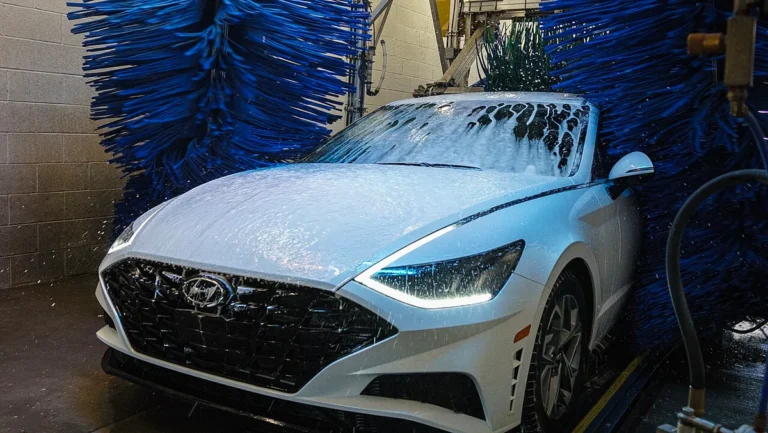
SRE car washes with brushes can be safe for your paint, but only if the equipment is well-maintained and uses the right materials. The wrong brushes or poor upkeep can leave swirl marks, scratches, or even strip away your clear coat over time.
Manufacturer specs and industry standards show that soft foam or microfiber brushes are far gentler than stiff bristles, and most damage comes from embedded dirt or misaligned parts. So what actually makes the difference between a safe wash and a costly mistake?
Quick Answer
SRE car washes with brushes are safe for your paint if they use soft foam or microfiber. Dirty or stiff brushes cause swirls and scratches. Well-maintained systems reduce risk.
Poor upkeep increases damage.
The Quick Answer: Yes, But Only Under These Conditions
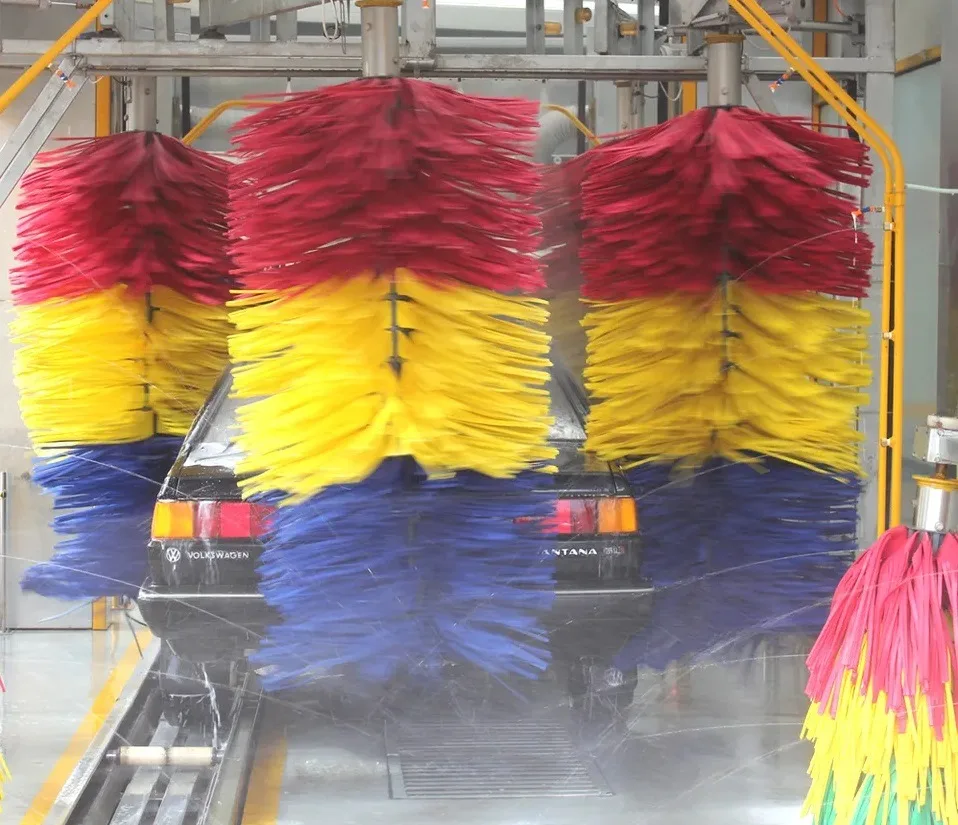
SRE (Soft-Rotating Equipment) car washes can be safe, but it depends on three non-negotiables: brush material, cleanliness, and maintenance. If the brushes are soft foam or microfiber and the system is regularly cleaned, the risk to your paint is minimal.
The International Carwash Association’s best practices confirm that brushes should be replaced every 6, 12 months, depending on usage. Older or neglected brushes trap grit, which acts like sandpaper on your clear coat.
How Brush Car Washes Actually Work (And Where They Go Wrong)
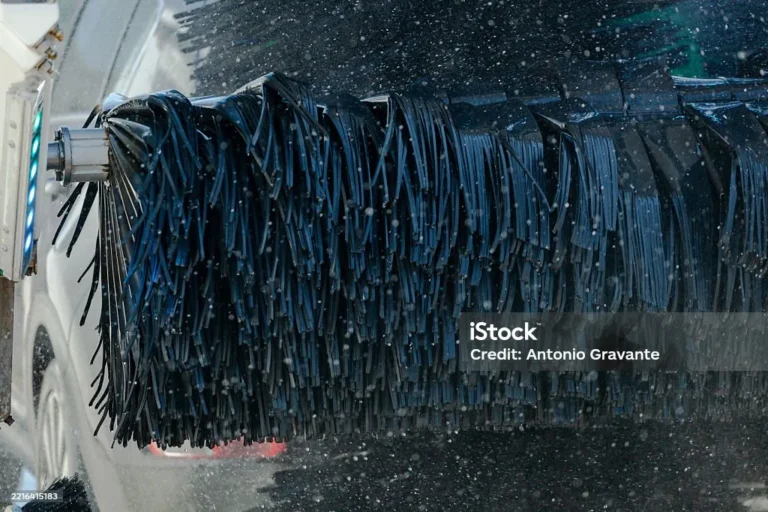
A brush car wash uses rotating or oscillating brushes to scrub dirt off your car’s surface. The brushes are paired with high-pressure water and detergent to break down grime. The problem starts when those brushes aren’t cleaned between washes or when they’re made of harsh materials like stiff nylon.
Dirt and debris get embedded in the brushes, and as they spin, they drag those particles across your paint. Even a single grain of sand can create micro-scratches that dull your finish over time. The faster the brushes spin, the more aggressive the cleaning, and the higher the risk if they’re not in top shape.
The 3 Types of Brushes and Which Ones Are Safest
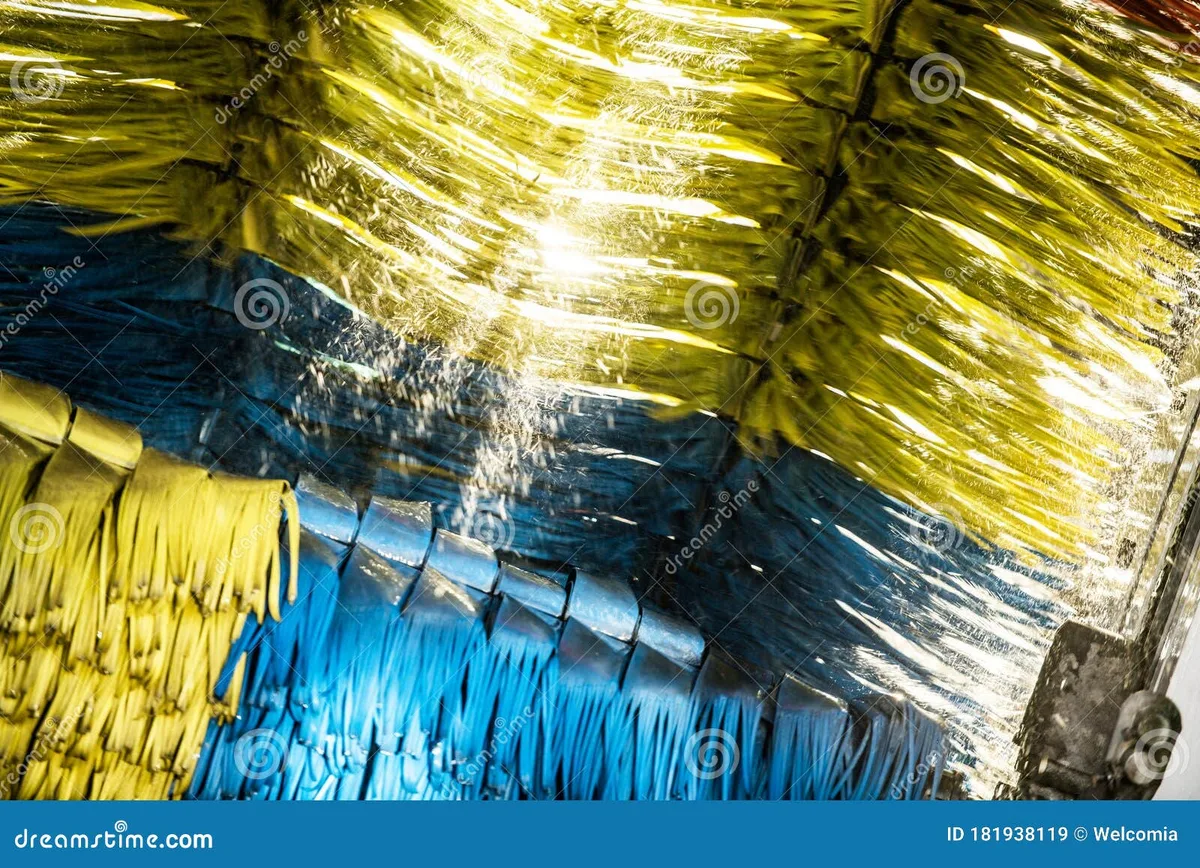
Not all brushes are created equal. The safest options are soft foam or microfiber, which flex to contour your car’s surface without scratching. Medium-stiffness cloth brushes are a middle ground, but they can still cause swirls if dirty.
The riskiest are stiff bristle brushes, often found in older or budget car washes, which can leave visible scratches.
| Brush Type | Material | Safety for Paint | Best For |
|---|---|---|---|
| Soft Foam | Closed-cell foam | High | Daily drivers, luxury cars |
| Microfiber | Synthetic fibers | High | All vehicles |
| Cloth | Fabric strips | Medium | Light dirt, frequent washes |
| Stiff Bristle | Nylon/boar’s hair | Low | Heavy grime (not recommended) |
What Happens to Your Paint in a Brush Car Wash?
Every time your car goes through a brush wash, the brushes make contact with the clear coat, the protective layer over your paint. If the brushes are clean and soft, they lift dirt without harm. But if they’re dirty or worn, they grind contaminants into the surface, creating swirl marks or even deeper scratches.
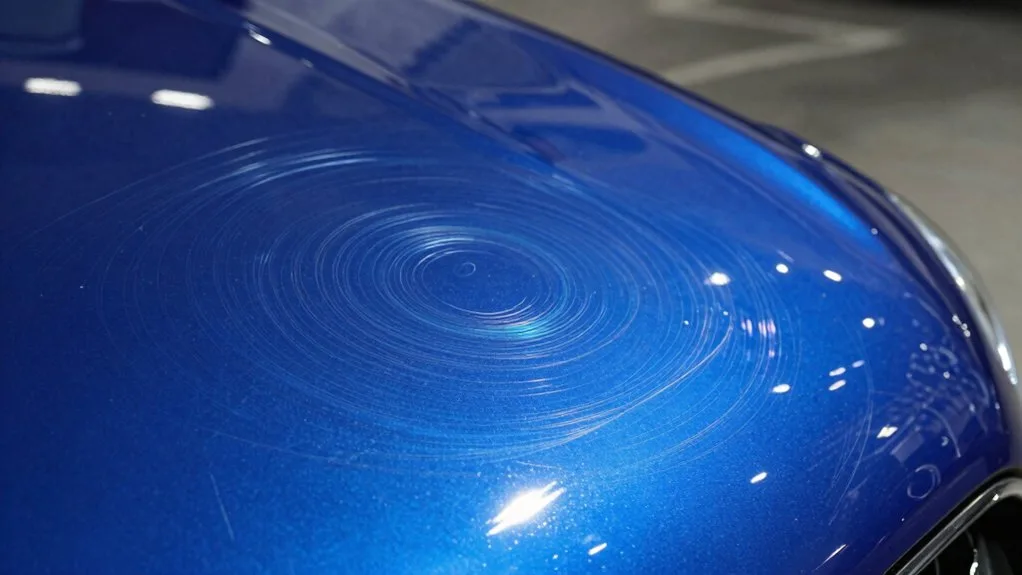
Over time, these micro-scratches scatter light, making your paint look dull. In extreme cases, repeated damage can wear through the clear coat, exposing the base paint to UV damage and oxidation.
When Brush Washes Do Damage: The 5 Most Common Risks
Dirty brushes are the top culprit. A single wash with embedded grit can leave fine swirls that show up under sunlight. Stiff bristles dig deeper, causing visible scratches that require paint correction.
Misaligned brushes hit your car at odd angles, increasing friction. High-speed rotations with worn-out materials can strip wax or sealants. Poor water quality leaves mineral deposits that etch into clear coat over time.
How to Tell If a Brush Car Wash Is Safe Before You Drive In
Check the brushes first. Soft foam or microfiber in good condition is a green light. If they look frayed, discolored, or caked with dirt, drive away.
Watch the wash cycle. Brushes should move smoothly without wobbling or dragging. Listen for grinding noises, a sign of mechanical wear.
A well-maintained system will have clear signage about brush replacement schedules.
Brush vs. Touchless vs. Hand Wash: Which Is Best for Paint Longevity?
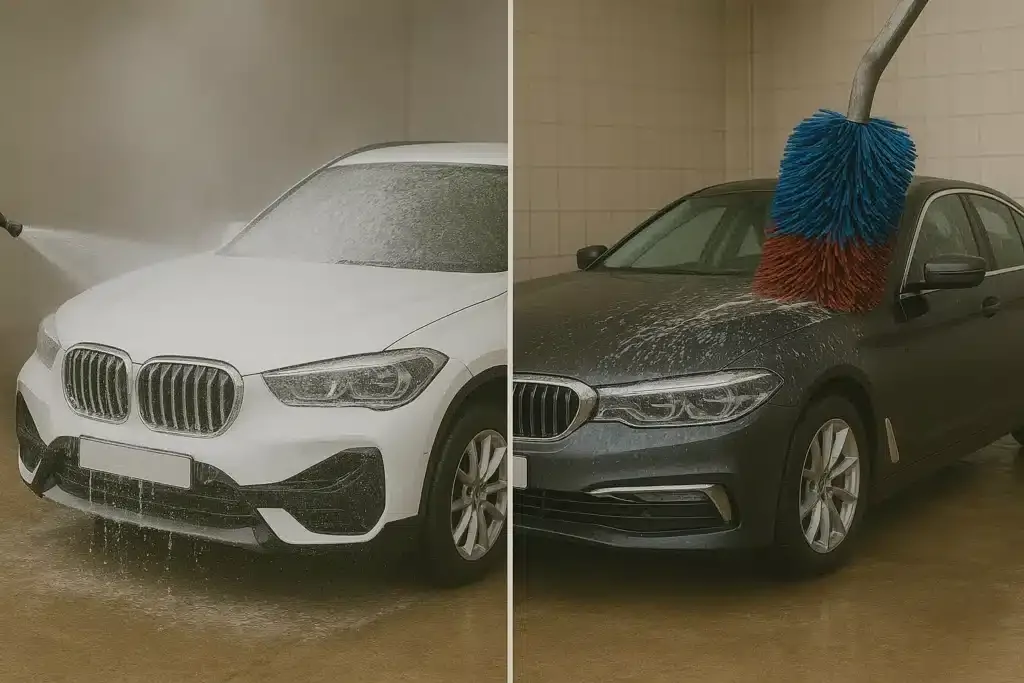
Brush washes clean thoroughly but carry risk if not maintained. Touchless systems use high-pressure water and chemicals, avoiding physical contact. Hand washing is the safest but requires time and proper technique.
| Wash Type | Contact | Cleaning Power | Paint Safety | Time Required |
|---|---|---|---|---|
| Brush | Yes | High | Medium | 5–10 min |
| Touchless | No | Medium | High | 7–12 min |
| Hand Wash | Yes | High | Highest | 30–60 min |
For daily drivers, a well-maintained brush wash is convenient. For show cars or fresh paint, touchless or hand washing is the better choice.
Who Should Avoid Brush Car Washes Entirely?
Owners of matte or satin finishes should steer clear. These paints scratch more easily and don’t hide swirls. Classic cars with single-stage paint lack a clear coat, making them more vulnerable.
New cars with thin clear coats are also at higher risk. If your vehicle has a ceramic coating, brush washes can degrade the protective layer faster.
How to Use a Brush Car Wash Without Ruining Your Paint
Pre-rinse your car to remove loose dirt. This reduces the load on the brushes. Choose a wash with soft foam or microfiber brushes and check their condition.
Avoid washes with stiff bristles or visible dirt buildup. After washing, dry your car with a clean microfiber towel to prevent water spots. Regular waxing adds a protective barrier against minor scratches.
Maintenance Red Flags: Signs a Car Wash Is Bad for Your Car
Visible dirt on the brushes is the first warning. If they look brown or black instead of their original color, they’re grinding grime into your paint. Frayed or missing brush strips mean the system isn’t maintained.
Listen for unusual noises during the wash cycle. Squeaking or grinding suggests worn bearings or misaligned parts. A properly maintained wash runs quietly and smoothly.
The Long-Term Cost of Cheap or Poorly Maintained Brush Washes
Repeated exposure to dirty brushes adds up. Swirl marks and light scratches can cost $200, $500 to correct at a detail shop. Deeper scratches may require repainting, which runs $500, $2,000 per panel.
Over time, clear coat damage exposes the base paint to UV fading. This accelerates oxidation, making your car look dull and aged prematurely.
Expert Tips to Protect Your Paint (Even If You Use Brush Washes)
Wash your car every two weeks to prevent dirt buildup. This reduces the workload on the brushes. Always choose a wash with soft foam or microfiber.
Apply a quality wax or sealant every 3, 4 months. This adds a sacrificial layer that brushes can scratch instead of your clear coat. Park in the shade to slow UV damage between washes.
Frequently Asked Questions
Are all automatic car washes bad for paint?
Not all are bad. Well-maintained soft brush systems are generally safe. The risk comes from dirty or stiff brushes and poor upkeep.
How often should car wash brushes be replaced?
Industry standards recommend every 6, 12 months. High-volume washes may need more frequent replacements. Check for fraying or discoloration.
Can a brush car wash remove wax?
Yes, aggressive brushes or harsh chemicals can strip wax. Reapply wax every few months if using brush washes regularly.
Is touchless better than brush for paint?
Touchless avoids physical contact, making it safer for paint. However, it may not clean as thoroughly for heavy dirt. Hand washing remains the gold standard.
What’s the safest way to wash a car with swirl marks?
Use a touchless wash or hand wash with a microfiber mitt. Avoid brushes until the swirls are professionally corrected. Regular waxing helps prevent new damage.