Your car key fob just took an unplanned spin in the washing machine. Don’t panic, this happens more often than you’d think, and the outcome depends on how fast you act. A car key fob in washing machine isn’t always a death sentence, but water plus electronics is a risky combo.
Most modern key fobs use a 3V lithium coin cell battery like the CR2032, and manufacturer specs confirm they’re not designed for submersion. The real question is whether the water shorted the circuit or just dampened the casing.
Quick Answer
A car key fob in washing machine may still work if dried quickly. Water can corrode the circuit board within hours. Remove the battery immediately to stop damage.
Some fobs are water-resistant but not waterproof. Act fast to improve the odds.
Did Your Car Key Fob Go Through the Washing Machine?
If the fob was in for a full cycle, the risk is higher. A quick rinse is less dangerous. The type of battery matters, lithium holds up better than alkaline.
Check for visible corrosion or condensation inside the casing.
How Washing Machine Water Affects a Key Fob
Water alone doesn’t always break a key fob. The real damage comes from minerals in the water conducting electricity, which can fry the circuit board. Most key fobs have a small printed circuit board (PCB) that controls the radio frequency (RF) signal to your car.
If the water was hot, the heat can warp the plastic or melt solder points. Detergent residue can also leave a film that continues to corrode contacts even after drying. The transponder chip, what your car reads to start the engine, is usually more resilient, but the RF transmitter can fail.
Here’s what’s at risk:
- Circuit board corrosion: Starts within hours if not dried.
- Battery leakage: Lithium batteries can rupture if damaged.
- Button failure: Water can seep under the rubber membrane.
- Signal loss: The RF antenna may stop transmitting.
Signs Your Key Fob Is Damaged (And How Bad It Is)
If the fob still works, you might be in the clear. If it’s unresponsive, the damage could be minor or severe.
Mild damage:
- Buttons feel sticky or sluggish.
- The LED (if present) flickers weakly.
- The range is shorter than usual.
Severe damage:
- No response at all.
- Visible corrosion on the battery contacts.
- A burning smell or discoloration on the PCB.
- The car doesn’t recognize the fob even when dry.
If you see green or white crust on the circuit board, that’s oxidation, your fob likely needs professional attention or replacement.
Step-by-Step: What to Do Right Now
Speed is critical. The longer the fob stays wet, the worse the damage.
If the fob is still wet:
- Remove it from the washing machine immediately.
- Take out the battery if possible. This cuts power and stops short circuits.
- Shake out any standing water gently.
- Do not press any buttons.
If the fob is dry but not working:
- Open the fob if you can (some have screws, others snap apart).
- Inspect for corrosion or moisture.
- Clean contacts with isopropyl alcohol (90% or higher) and a soft brush.
- Let it air-dry for at least 24 hours before testing.
If the fob works but acts glitchy:
- Replace the battery first, it’s the cheapest fix.
- Test the range. If it’s weak, the antenna may be damaged.
- If issues persist, the PCB may need professional cleaning.
Can You Fix It Yourself? (And When to Stop Trying)
If the fob still powers on after drying, you can likely fix it yourself. A battery replacement costs under $10 and takes minutes. If the circuit board shows green corrosion, a locksmith or dealership is your best bet.
DIY fixes work for minor moisture exposure. If the fob was submerged for a full cycle, professional help is safer. Some modern fobs have water-resistant seals, but most aren’t fully waterproof.
How to Dry a Wet Key Fob the Right Way
Never use heat. A hair dryer or oven can melt the plastic or warp the PCB.
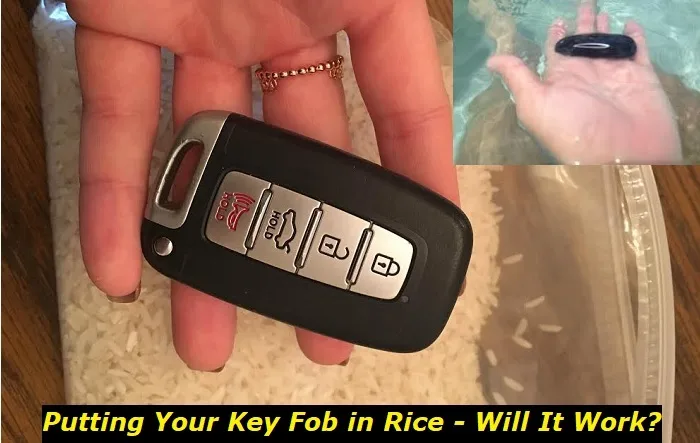
The best method is passive drying. Remove the battery, then place the fob in a bowl of uncooked rice or silica gel packets for 24 to 48 hours. The rice absorbs moisture slowly without damaging the components.
Avoid the microwave. It can cause sparks or melt internal parts. Also skip the freezer, condensation can form when it warms up.
When to Replace the Battery vs. the Whole Fob
If the fob works but the range is weak, try a new battery first. A CR2032 battery costs a few dollars and is easy to swap.
If the fob doesn’t respond at all, the circuit board may be fried. Replacement fobs from a dealership can cost $100 to $400, depending on the car model. Aftermarket options are cheaper but may need reprogramming.
Here’s a quick cost comparison:
| Option | Cost | Time | Notes |
|---|---|---|---|
| Battery replacement | $5–$10 | 5 minutes | DIY-friendly |
| Professional drying/cleaning | $50–$100 | 1–2 days | Best for corrosion |
| Dealership replacement | $100–$400 | 1–3 days | Includes reprogramming |
| Aftermarket fob | $30–$150 | 1 day | May need programming |
How Much Will This Cost to Fix?
The cheapest fix is a new battery. If the fob is damaged beyond that, costs rise quickly.
A locksmith can often reprogram a used fob for $50 to $150. Dealerships charge more but guarantee compatibility. Some insurance policies cover key fob replacement, so check your plan.
Waterproof Key Fobs: Are They Worth It?
Some newer models have IP67 or IP68 ratings. These can survive brief submersion but aren’t foolproof.
A waterproof case adds protection for under $20. It’s a small investment to avoid this headache again.
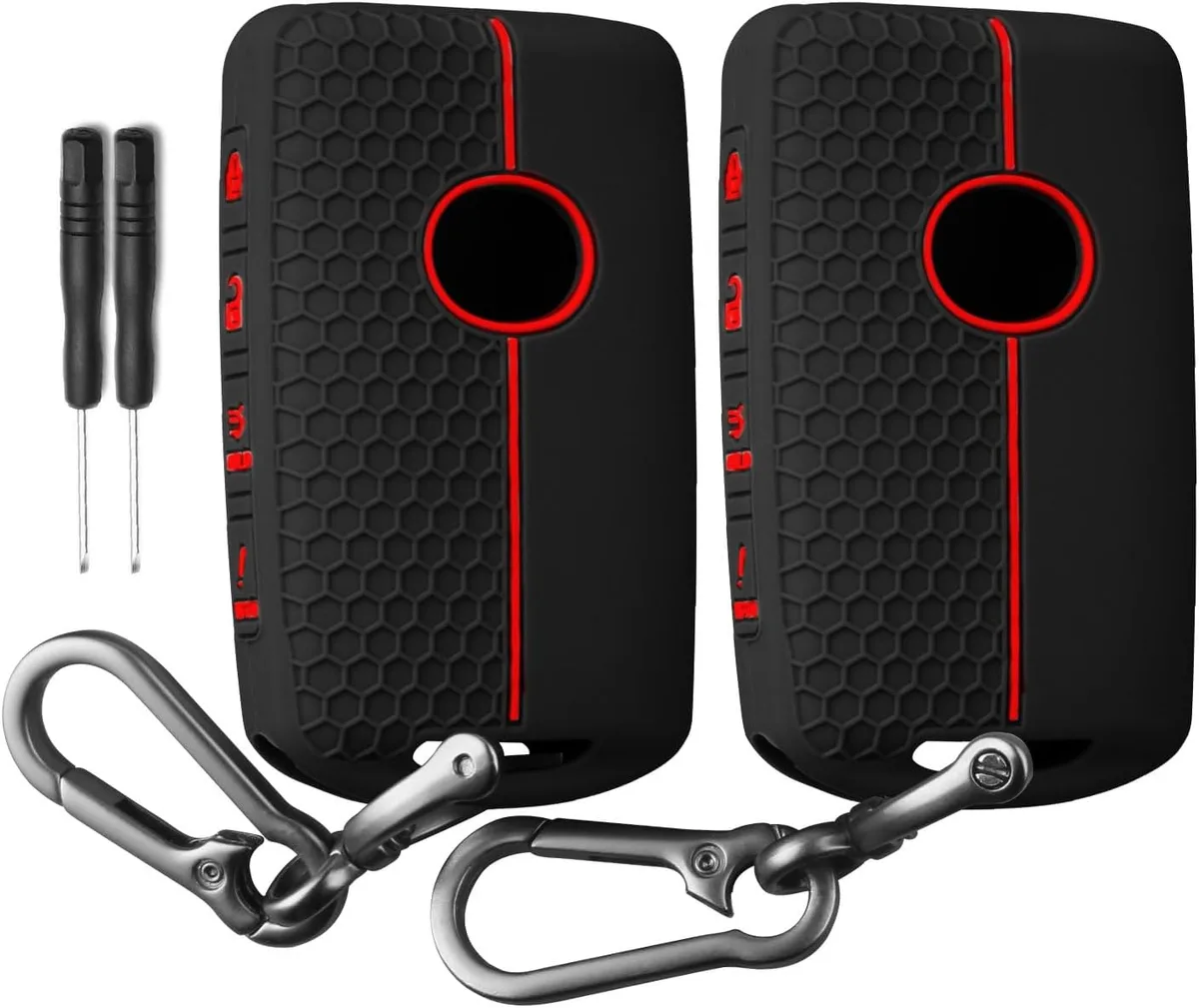
If you frequently lose track of your keys, a waterproof pouch is a smart preventative measure. It won’t help if the fob is already damaged, but it can save future replacements.
How to Prevent This From Ever Happening Again
The simplest fix is a designated spot for your keys. A hook by the door or a small bowl on a table keeps them out of pockets. Empty your pockets before laundry day as a habit.
For extra protection, use a waterproof key fob case. These cost under $20 and can save hundreds in replacement fees. Some even float, so you won’t lose them in water.
FAQs About Washing Machine Key Fob Disasters
Will my key fob work after being washed?
It might. If you dried it quickly and removed the battery, there’s a good chance. If it was submerged for a full cycle, the odds drop significantly.
How long does it take for a wet key fob to dry?
Give it at least 24 to 48 hours in a dry environment. Rice or silica gel can speed up the process. Never use heat to dry it faster.
Can I use a hair dryer to dry my key fob?
No. Heat can melt the plastic or warp the circuit board. Stick to passive drying methods.
How much does it cost to replace a key fob?
A new battery costs $5 to $10. A full replacement from a dealership can run $100 to $400. Aftermarket options are cheaper but may need reprogramming.
What’s the best way to clean a key fob after water damage?
Remove the battery first. Use isopropyl alcohol and a soft brush to clean the contacts. Let it dry completely before reassembling.
Are waterproof key fobs really waterproof?
Some have IP67 or IP68 ratings, which means they can handle brief submersion. But no fob is completely waterproof. A waterproof case adds extra protection.