So you just dropped serious cash on a ceramic coating. Or maybe you spent a weekend laying down a DIY kit. Either way, you want to protect that investment.
So it's totally fair to ask: are manual car washes ok for ceramic coating?
Manufacturer specifications indicate that most consumer-grade ceramic coatings test at 9H hardness on the pencil hardness scale. That's genuinely tough. But hardness doesn't mean indestructible.
The wrong wash technique will still leave micro-marring. Let's break down when manual washing works and when it causes problems.
Quick Answer
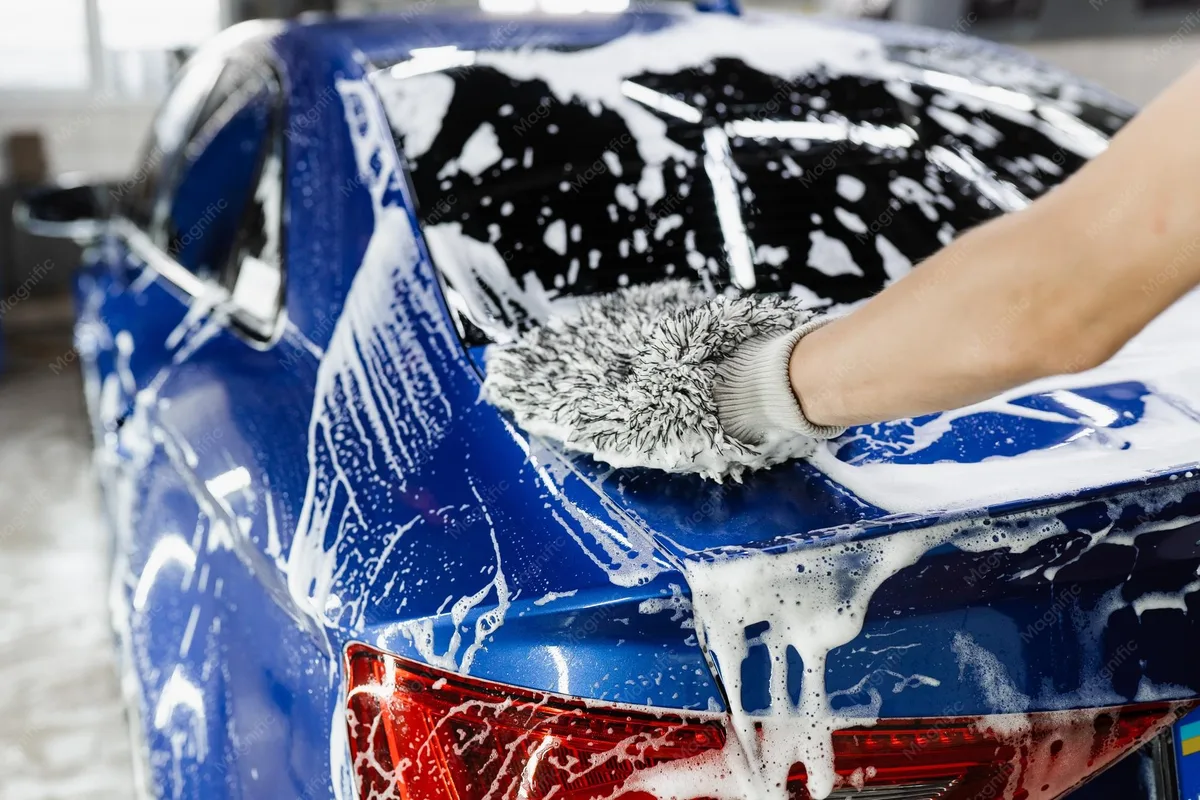
Yes, manual car washes are safe for ceramic coatings. But only with the right technique. You must use the two-bucket method and pH-neutral soap.
Avoid cheap brushes and automatic car washes. Proper washing preserves the coating's hydrophobic properties. Stick to these rules and your ceramic coating will last.
The Short Answer: It Depends
Here's the honest truth about hand washing a coated car. A manual wash is perfectly fine when you do it correctly. It's actually the best way to maintain your ceramic coating long-term.
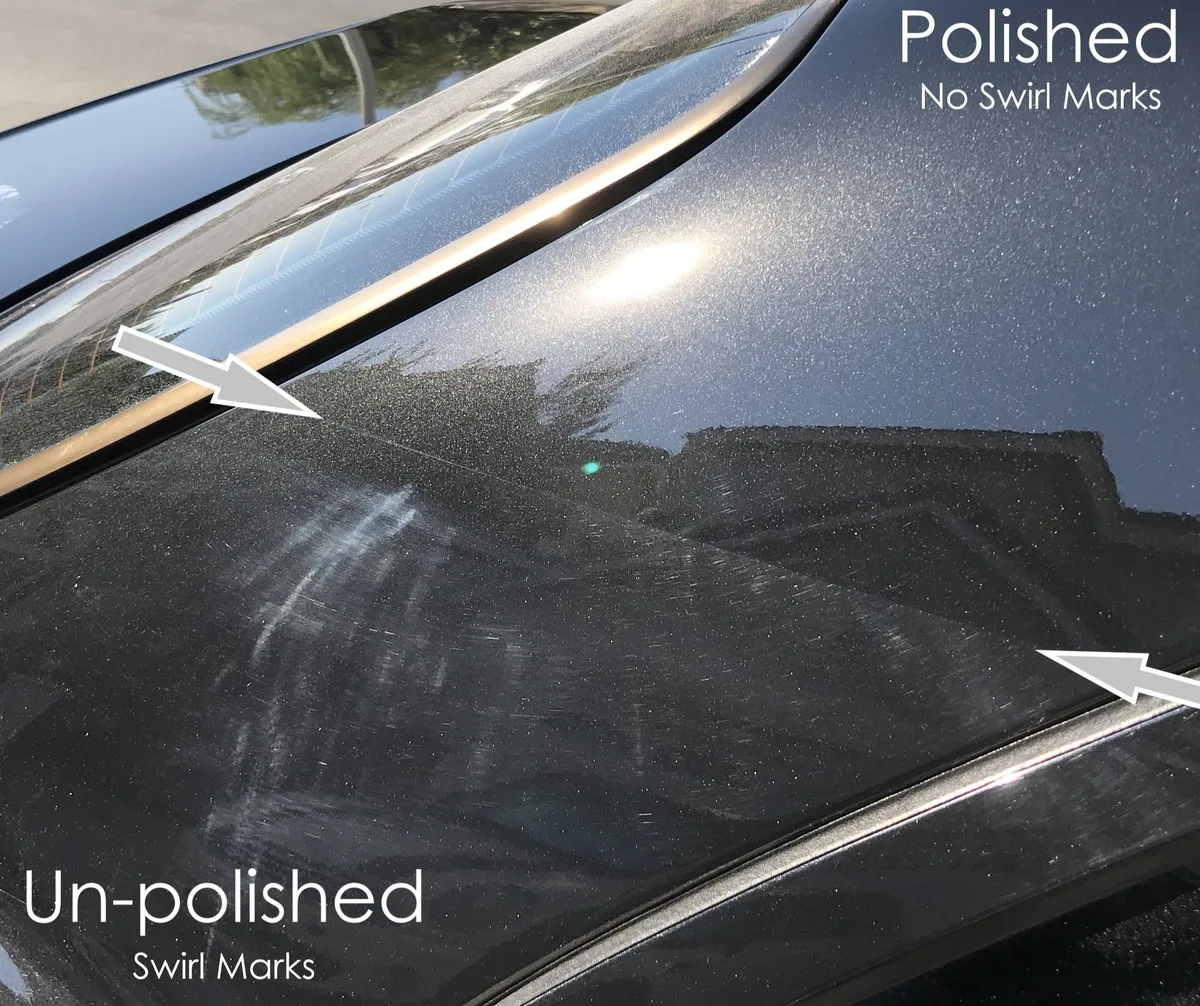
But get it wrong and you'll introduce swirl marks that defeat the whole purpose.
The coating itself is hard. Really hard. Most quality ceramic coatings test at 9H pencil hardness, which is about the same as tempered glass.
That makes them far more scratch-resistant than your factory clear coat.
So why all the caution?
Because dirt and grit are harder than your coating. When you drag a dirty wash mitt across the paint, you're essentially sanding it. Even with a 9H coating, trapped particles will leave fine scratches.
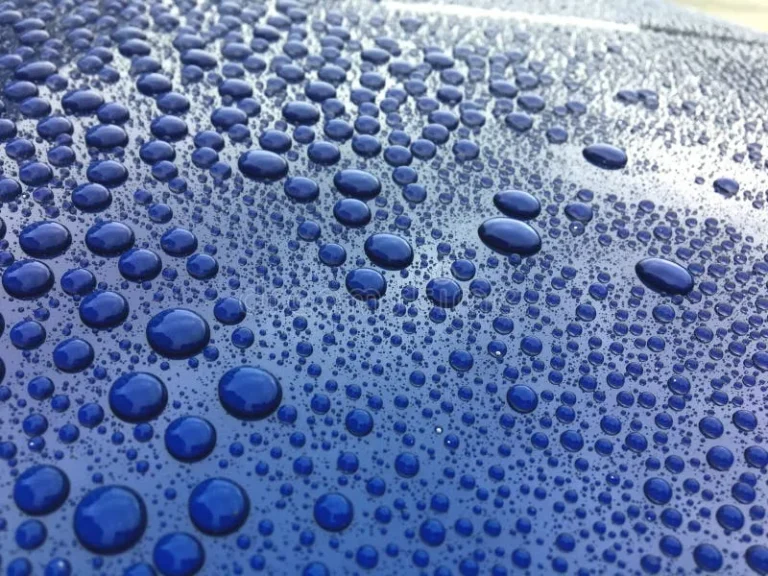
Over time, those micro-marings dull the gloss and reduce hydrophobicity.
The key variables are your wash technique, the products you use, and how contaminated the paint is before you start. Get those three things right and manual washing beats every other method. We've covered this in more detail on our blog, where we break down the full maintenance routine.
What Actually Determines Whether Manual Washing Is Safe?
Not all manual washes are created equal. Some are safe. Some will ruin your coating in one session.
Here are the factors that decide which side you land on.
Coating Age and Cure Time
Fresh ceramic coatings need time to harden. Most coatings take 24 to 48 hours before they can get wet. Full cure often takes 7 to 14 days, depending on humidity and temperature.
Wash a coating before it's fully cured and you risk washing it right off. The coating hasn't bonded completely to the clear coat yet. Follow the manufacturer's cure schedule religiously during that first week.
Wash Media Quality
The wash mitt matters more than the soap. Cheap mitts with rough fibers will mar even a hard coating. Look for high-quality microfiber or natural lambswool mitts for the safest contact.
Also check your drying towel. A contaminated or rough drying towel can do more damage than the wash itself. Always use a clean, plush microfiber drying towel with a high GSM rating (350 or above is good).
Soap pH Level
Regular dish soap is too harsh. Most dish soaps have a pH around 9 to 11, which degrades the coating over time. You need a pH-neutral car shampoo, ideally between 7 and 8.5.
A good ceramic-specific shampoo also adds lubricity, which helps the mitt glide over the paint without dragging dirt particles. Our guide to Car Beauty Pro Ceramic Shampoo explains what to look for in a coating-safe wash.
Pre-Wash Routine
The most important step happens before the mitt touches the paint. A thorough pre-wash removes loose dirt and grit that would otherwise get trapped in your wash mitt.
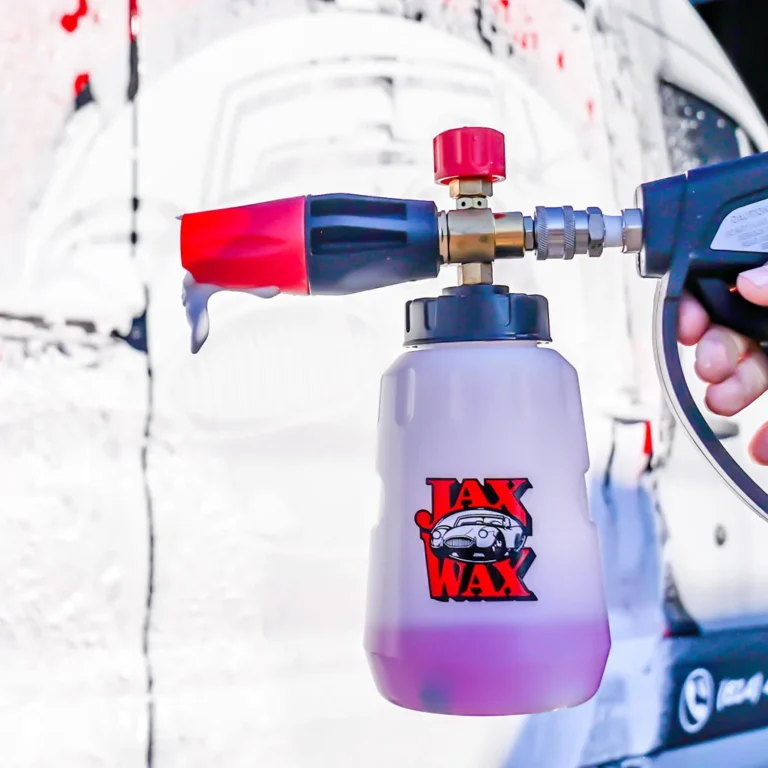
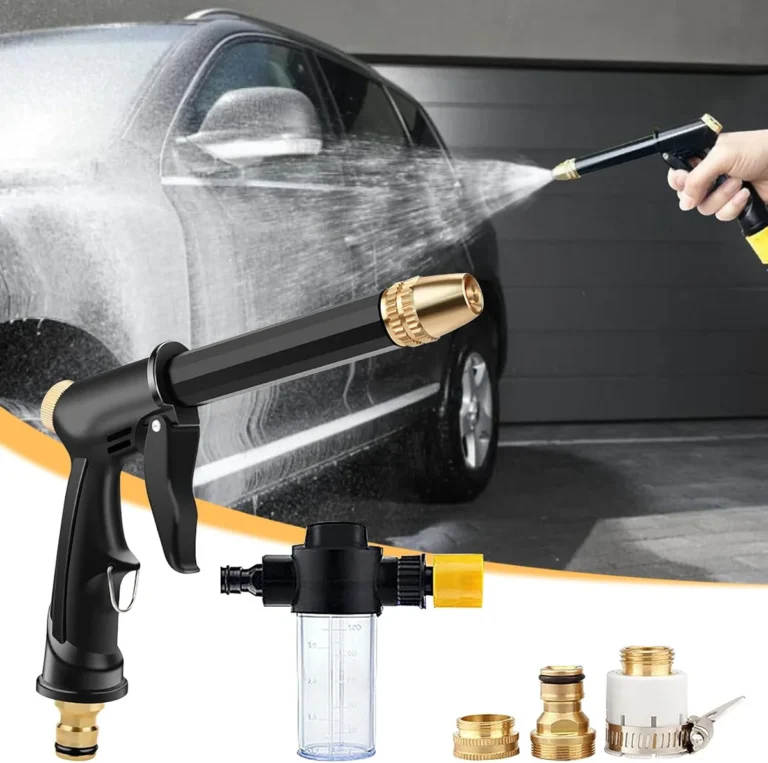
Use a pressure washer or hose to spray off heavy dirt. Then apply a pre-foam soak with a pH-neutral snow foam. Let it dwell for 3 to 5 minutes.
This lifts and encapsulates dirt so it rinses off without contact.
You can read more about this step in our piece on pre car wash spray, which covers the right approach for coated surfaces.
The Two-Bucket Method: Why It's Non-Negotiable
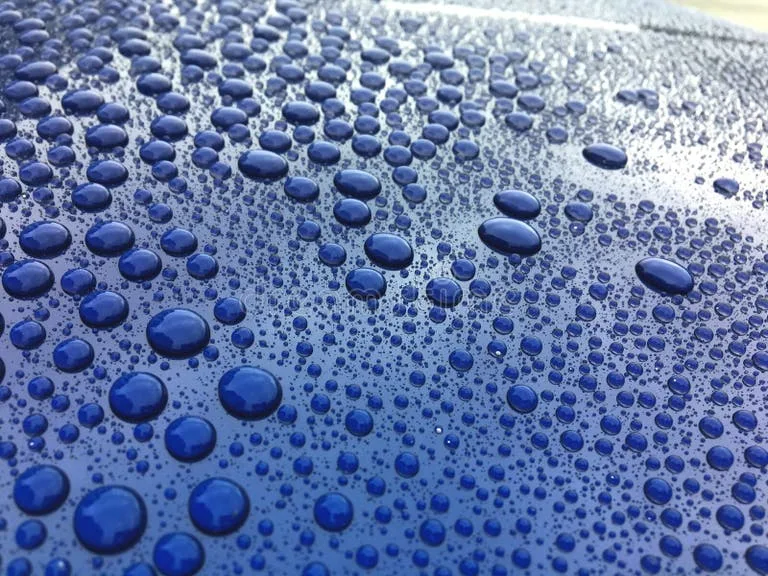
If you take only one thing from this article, let it be this. The two-bucket method is the single most important technique for safely washing a ceramic coated car. Skip it and you're gambling with your coating.
How It Works
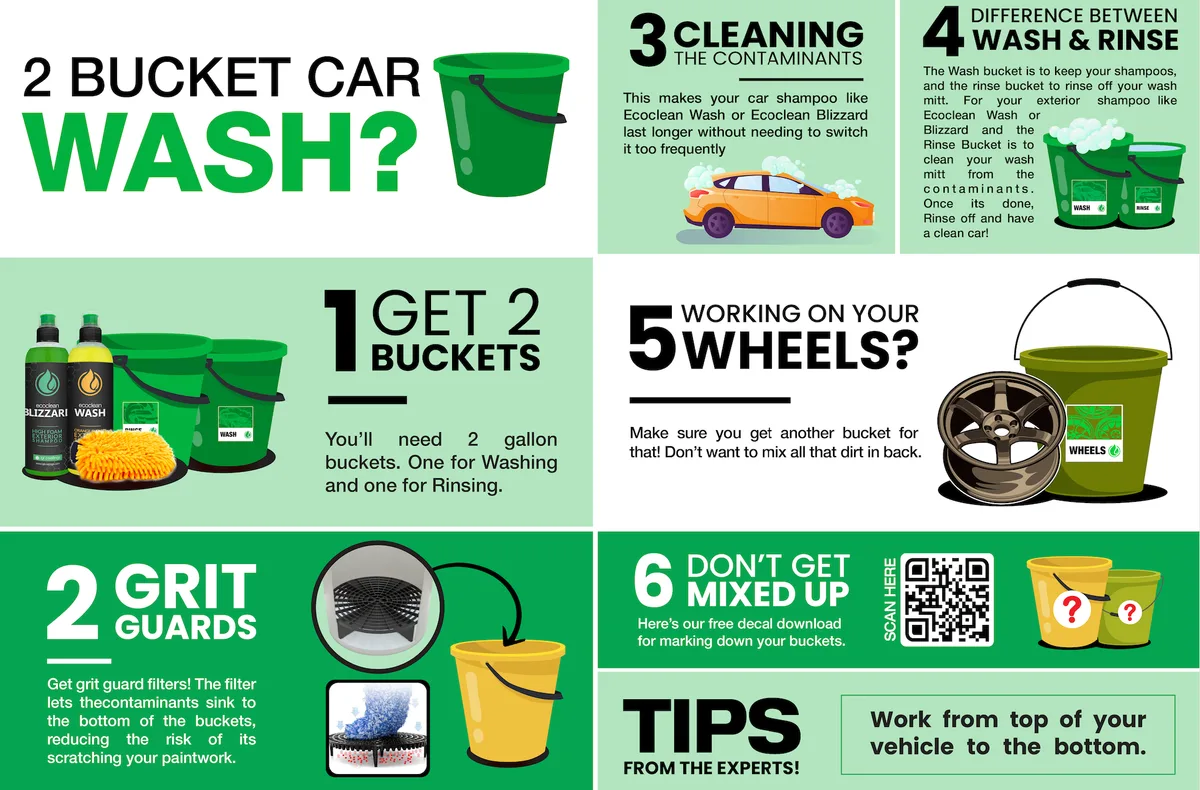
You use two buckets. One holds your soapy water. The other holds plain water for rinsing.
Both buckets should have a grit guard insert at the bottom.
Here's the flow:
- Dip your mitt in the soap bucket.
- Wash one panel or section of the car.
- Rinse the mitt in the rinse bucket. The grit guard catches the dirt that falls off.
- Dip back into the soap bucket.
- Repeat for every section.
Without this method, dirt stays in your wash water. You end up smearing grit back onto the paint with every pass. Even with a 9H ceramic coating, that repeated abrasion will dull the finish within months.
Why One Bucket Is Not Enough
A single bucket means the dirt you wash off goes right back into your cleaning water. By the time you're washing the second panel, you're essentially using muddy water full of grit. The two-bucket system keeps your soap water clean for the entire wash.
Grit Guard Inserts
These aren't optional. A grit guard sits at the bottom of each bucket and traps sediment. When you rinse your mitt, the grit sinks and stays below the guard.
Your mitt never picks it up again.
You can find the right setup in our guide on manual cleaning equipment using in car wash, which covers everything from buckets to towels.
Your Decision Guide: Is a Manual Wash Right for Your Coated Car?
Here's where we get practical. Use this simple decision tree to figure out whether a manual wash is safe for your specific situation.
Start Here
Is your coating fully cured?
- If yes, proceed.
- If no, do not wash manually. Use a touchless rinse only.
Is the car heavily contaminated with mud, salt, or road grime?
- If yes, do a thorough pre-wash with a pressure washer first. Then proceed.
- If the car is only dusty, you can use a rinseless wash instead.
Do you have the right equipment?
You need these four things:
- Two buckets with grit guards
- A clean microfiber wash mitt
- pH-neutral car shampoo
- Clean microfiber drying towels
If you're missing any of these, hold off until you have them. Washing without the right gear is the fastest way to damage a ceramic coating.
Decision Branches
| Your Situation | Recommended Wash Method | Why |
|---|---|---|
| Daily driver, light dust | Two-bucket manual wash | Safe and effective with proper technique |
| Heavy mud or salt | Pressure wash pre-rinse + two-bucket | Loose dirt must be removed first |
| Light dust, no time | Rinseless wash | Minimal contact, coating-safe |
| Heavy contamination, no equipment | Touchless automatic wash or professional detailer | Avoids contact wash damage |
| Coating less than 7 days old | Touchless rinse only | Coating still curing |
When to Skip Manual Washing
Manual washing isn't always the right call. If you're short on time or equipment, a touchless wash is safer than a rushed manual wash. You can find more on this in our comparison of prepare touchless washing methods for coated cars.
When Manual Washing Is a Bad Idea (Skip These Situations)
Sometimes manual washing causes more harm than good. Here are the situations where you should absolutely avoid it.
Uncontrolled Environment
Washing in direct sunlight is a problem. The soap dries too fast and leaves residues that etch into the coating. It also makes water spotting much worse.
Stick to washing in the shade or during cooler parts of the day. If you don't have shade, a touchless wash is a better option.
Contaminated Wash Mitt
Using a mitt that's been sitting on a shelf or dropped on the ground is a recipe for scratches. Even a tiny piece of grit caught in the fibers will leave a visible mark on a ceramic coating.
Always inspect your wash mitt before each use. If it looks dirty, wash it separately before using it on your car.
Poor Quality Soap
Not all car shampoos are coating-safe. Some contain waxes or sealants that interfere with the ceramic coating's hydrophobic properties. Others are too alkaline and slowly degrade the coating.
Stick to soaps labeled specifically for ceramic coatings. Avoid anything that says "wax additive" or "cleanser." Our guide on make my own car wash soap explains how to ensure your wash solution is coating-safe if you want to DIY.
Extreme Contamination
If your car is caked in mud, road salt, or bug splatter, do not start scrubbing immediately. The contamination is abrasive and will scratch the coating no matter how careful you are.
Pre-wash with a pressure washer or hose first. Use a safe degreaser if needed. Only then consider a contact wash.
Worn or Damaged Coating
If your ceramic coating is already showing signs of wear like reduced beading or visible micro-scratches, manual washing may accelerate the damage. At this point, consider having the coating inspected or reapplied.
For more on what happens when a coating starts to fail, read our analysis on does ceramic coating protect against salt, which covers how environmental factors affect coating longevity.
As of 2026, the consensus among detailers is clear. Manual washing is the best way to maintain a ceramic coating, but only when done with discipline and the right tools. Cut corners and you'll regret it.
Safe Manual Wash Workflow for Ceramic Coated Cars
Follow this exact process every time. It preserves the coating and prevents micro-marring. Deviate from any step and you introduce risk.
Step 1: Pre-Rinse
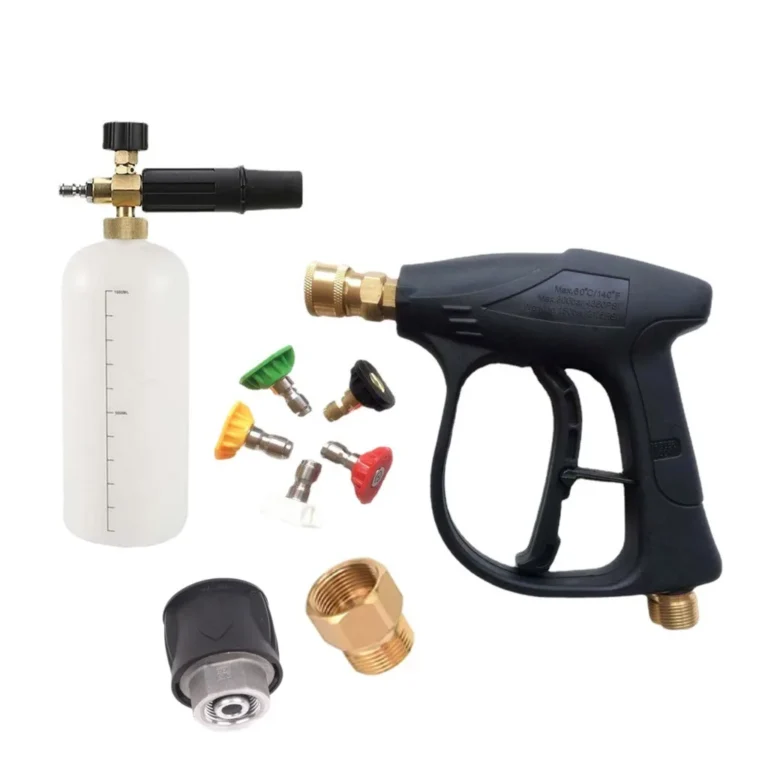
Start with a pressure washer set between 1200 and 1900 PSI. Spray from top to bottom. Remove loose dirt, bird droppings, and surface grit.
This single step removes 70 to 80 percent of the contamination before any contact happens.
Step 2: Foam Soak
Apply a pH-neutral snow foam. Let it dwell for 3 to 5 minutes. The foam lifts and encapsulates dirt particles so they rinse away cleanly.
Do not let the foam dry on the surface. Rinse it off promptly.
Step 3: Two-Bucket Contact Wash
Work one panel at a time. Use straight-line motions, not circles. Rinse your mitt in the clean water bucket after each panel.
Replace the rinse water when it looks dirty. Start with the roof and work your way down. Clean the wheels and lower panels last.
Step 4: Final Rinse
Rinse thoroughly with the pressure washer or hose. Remove all soap residue. Leftover soap can leave streaks on the coating.
Step 5: Drying
Dry immediately with a clean microfiber towel. Use a blotting or patting motion. Do not drag the towel across the paint.
A drying aid or ceramic spray sealant can add extra lubrication and boost hydrophobicity. Our guide on washing a car with ceramic coating pressure washer covers the drying process in more detail.
Quick Reference Table
| Step | Tool | Key Rule |
|---|---|---|
| Pre-rinse | Pressure washer (1200-1900 PSI) | Remove grit before contact |
| Foam soak | pH-neutral snow foam | Dwell 3-5 minutes, don't dry |
| Contact wash | Two buckets with grit guards | Straight lines, top to bottom |
| Rinse | Pressure washer or hose | No soap residue |
| Dry | Clean microfiber (350+ GSM) | Blot, don't scrub |
Common Mistakes That Ruin Ceramic Coatings During Hand Washes
Even experienced detailers slip up sometimes. Here are the most damaging errors and how to avoid them.
Using Dish Soap
Dish soap strips wax and degrades ceramic coatings. The high pH eats away at the coating's structure over time. Use only pH-neutral car shampoo.
One Bucket Washing
A single bucket recycles dirty water onto your paint. That's how swirl marks happen. Use two buckets with grit guards every single time.
Scrubbing in Circles
Circular motions create visible swirl marks under direct light. Straight-line motions mimic the factory polish pattern and hide minor scratches.
Drying with a Dirty Towel
A drying towel that touched the ground or was used on wheels will have embedded grit. That grit scratches the coating. Use a dedicated clean towel for drying only.
Washing in Direct Sunlight
Heat causes soap and water to dry too quickly. This leaves water spots that can etch into the coating. Wash in the shade or at dawn and dusk.
Skipping the Pre-Wash
Going straight to contact washing without a pre-rinse grinds surface dirt into your coating. This is the fastest way to introduce micro-marring. Our article on should you hand wash a new black Mercedes car highlights how critical pre-wash is.
Alternatives Worth Considering (Touchless, Rinseless, Pro Services)
Manual washing is ideal but not always practical. Here are viable alternatives and when to use them.
Touchless Automatic Wash
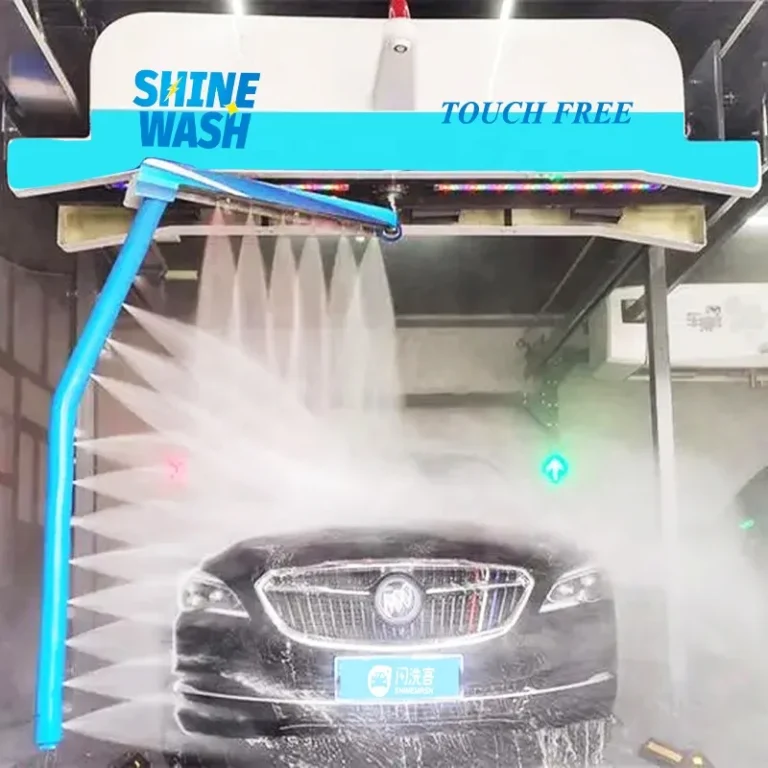
Touchless washes use high-pressure water and chemicals instead of brushes. They are safe for ceramic coatings as long as the chemicals are pH-neutral. But they miss stubborn dirt and don't clean as thoroughly.
Best for: Quick maintenance between hand washes. Not ideal for removing heavy grime or bird droppings.
Rinseless Wash
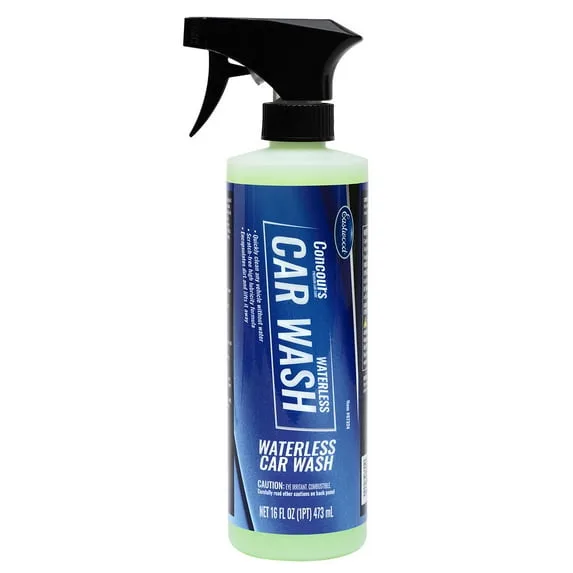
A rinseless wash uses a special solution that encapsulates dirt. You wipe the panel with a damp microfiber towel, then wipe dry with a second towel. It's a low-contact method that works well on lightly dusty cars.
Best for: Garaged cars with light dust. Not for heavy contamination. We cover this approach more in is it good to use a waterless wash on a car with ceramic coating.
Professional Hand Wash Service
Some detail shops offer hand wash services specifically for coated cars. They use the right products and techniques. It costs more but saves you time and reduces risk.
Best for: Busy owners who want assurance that the coating is maintained properly.
Comparison Table
| Method | Contact Level | Risk of Marring | Best For |
|---|---|---|---|
| Two-bucket manual | Medium | Low with proper technique | All situations ideal |
| Touchless automatic | None | Very low | Quick maintenance |
| Rinseless wash | Minimal | Low | Light dust only |
| Pro hand wash | Medium | Low (trained pro) | When you're short on time |
Real Scenarios: Daily Driver vs Garage Queen vs Winter Beater
Different use cases call for different wash strategies. Here's how to adapt the advice to your situation.
Daily Driver
Your car sees rain, road grime, bird droppings, and maybe tree sap. Wash it every 1 to 2 weeks. Pre-wash thoroughly each time.
Use the two-bucket method. Apply a drying aid after every wash to keep the coating's hydrophobic properties strong.
Garage Queen
If your ceramic coated car is stored indoors and only comes out on weekends, contamination is minimal. You can stretch washes to every 3 to 4 weeks. A rinseless wash is often sufficient.
Your coating needs less maintenance, but still avoid automatic brush car washes.
Winter Beater
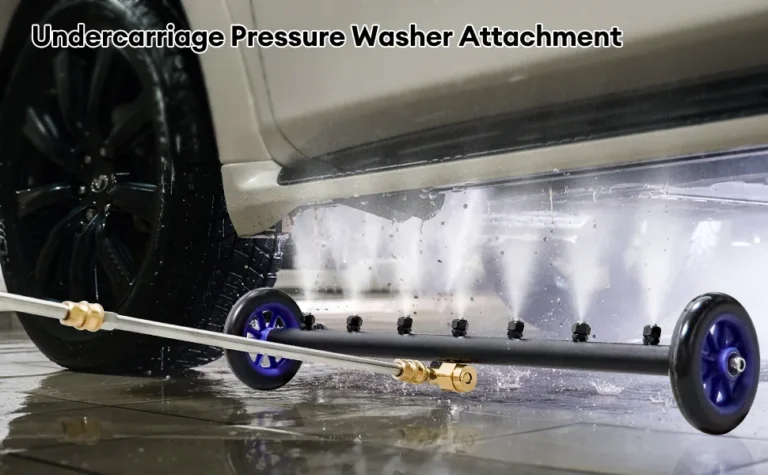
Salt and slush accelerate coating wear. Wash more frequently, ideally every week. Rinse the undercarriage to remove salt.
Use a pressure washer pre-rinse. Touchless washes are a good option when it's too cold for a hand wash in your driveway.
For more on winter protection, read our breakdown of does ceramic coating protect against salt.
Final Verdict: Plus a Quick Reference Checklist
Manual car washing is safe for ceramic coatings. It's actually the best method for long-term maintenance. But only when you follow the right process.
The coating itself is hard. It resists scratches better than paint. But it's not scratch-proof.
Abrasive wash techniques, harsh chemicals, and contamination will degrade it over time.
Manual car washing is safe for ceramic coatings. It's actually the best method for long-term maintenance. But only when you follow the right process.
The coating itself is hard. It resists scratches better than paint. But it's not scratch-proof.
Abrasive wash techniques, harsh chemicals, and contamination will degrade it over time.
Quick Reference Checklist
Print this or save it for your next wash.
- Coating fully cured (at least 7 days for most coatings)
- Wash in shade or cool part of day
- Pre-rinse with pressure washer
- Apply pH-neutral foam, dwell 3-5 minutes
- Two buckets with grit guards
- Clean microfiber wash mitt
- Straight-line motions, top to bottom
- Rinse thoroughly
- Dry with clean plush microfiber towel
- Apply drying aid for extra protection
Stick to this checklist and your ceramic coating will perform as intended for years. Cut corners and you'll see reduced gloss and beading within months.
Frequently Asked Questions
Can I use an automatic car wash on a ceramic coated car?
Only touchless automatic washes are safe. Brush-based washes will leave swirl marks and can strip the coating over time. If you must use an automatic wash, choose a touchless one with pH-neutral chemicals.
What soap is safe for ceramic coatings?
Use a pH-neutral car shampoo specifically labeled as ceramic safe. Avoid dish soap, wax-infused shampoos, and high-pH degreasers. The safe pH range is 7 to 8.5.
How often should I wash a ceramic coated car?
Every 1 to 2 weeks for daily drivers. Every 3 to 4 weeks for garaged cars. More frequent washing in winter or dusty conditions to prevent contamination buildup.
Can I use a pressure washer on ceramic coating?
Yes. Use a pressure washer set between 1200 and 1900 PSI. Keep the nozzle at least 6 to 8 inches from the paint.
Too much pressure or too close can damage the coating edges.
Do I need to wax a ceramic coated car?
No. Ceramic coatings provide their own protective layer. Wax can interfere with hydrophobicity.
Use a ceramic spray sealant or drying aid instead.
What causes ceramic coating to fail early?
Improper wash techniques, harsh chemicals, lack of maintenance, and environmental contaminants like road salt. Following a proper wash routine extends coating life significantly.