Radar detectors are generally legal in Louisiana passenger vehicles but may be restricted in certain commercial vehicles. The rules change depending on whether you're driving a personal car or a truck, and misunderstanding the difference can lead to fines or confiscation.
As of 2026, Louisiana follows federal guidelines that prohibit radar detectors in commercial vehicles over 10,000 pounds, while private drivers face no such restrictions. Let’s break down exactly where you stand.
Quick Answer
Radar detectors are legal in Louisiana for passenger vehicles. Commercial vehicles over 10,000 lbs are restricted. State law aligns with federal FMCSA rules.
No permit is required for personal use.
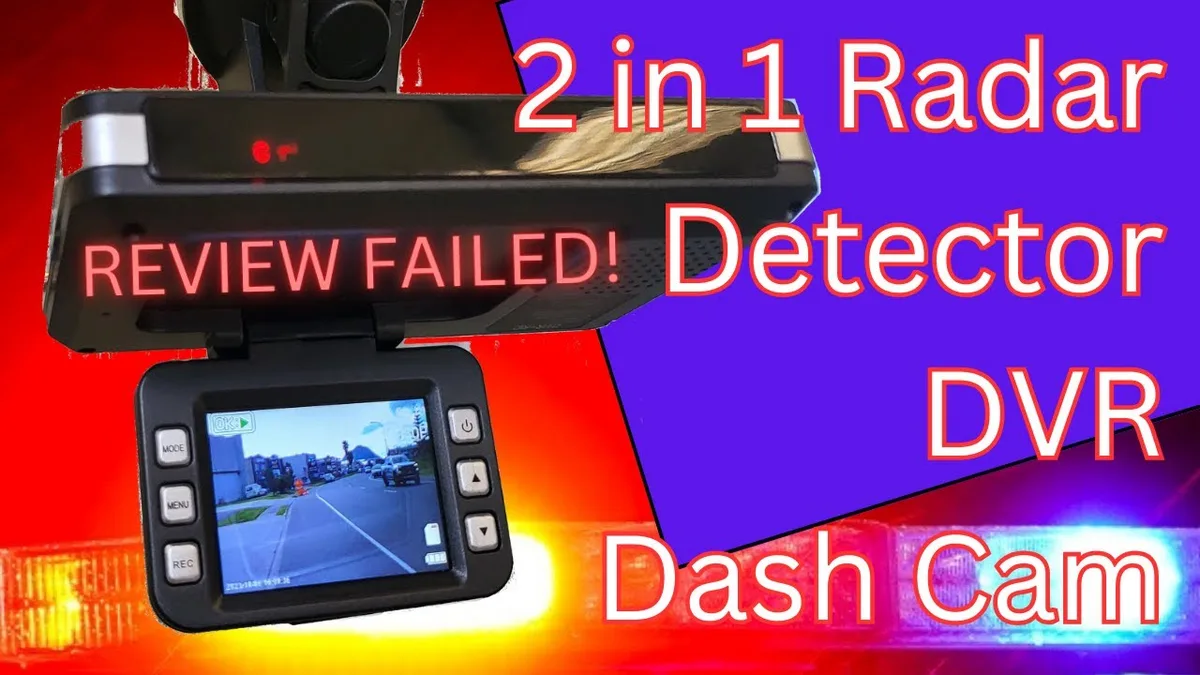
Are Radar Detectors Legal in Louisiana?
Yes, for most drivers. Louisiana allows radar detectors in private cars, SUVs, and light trucks under 10,000 pounds. The restriction kicks in only for commercial vehicles subject to federal regulations.
This means if you’re commuting in a sedan or even a large pickup for personal use, you’re in the clear. The line is drawn at vehicle classification, not intent.
How Louisiana’s Radar Detector Laws Actually Work
Louisiana doesn’t have its own state ban on radar detectors. Instead, it defers to federal law for commercial vehicles while allowing unrestricted use in passenger cars.
The Federal Motor Carrier Safety Administration prohibits radar detectors in commercial motor vehicles over 10,000 pounds. This includes most semi-trucks, box trucks, and large delivery vehicles.
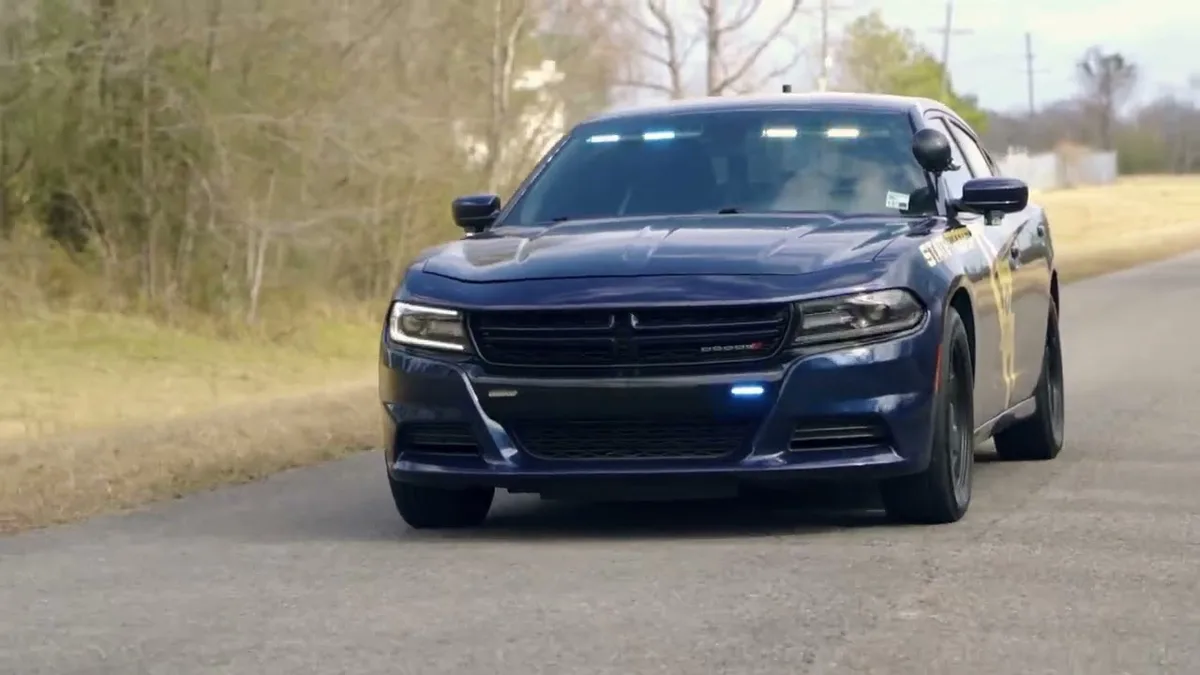
State troopers enforce this distinction during traffic stops. If you’re pulled over in a commercial vehicle with a detector, you could face a fine and confiscation of the device.
Why Commercial Vehicles Get Different Rules
Commercial drivers operate under stricter regulations due to safety concerns. The FMCSA considers radar detectors a potential distraction and a way to evade speed enforcement in large, heavy vehicles.
Trucks and buses have greater stopping distances and pose higher risks in accidents. Speed enforcement is critical for these vehicles, so detectors are banned to prevent circumvention of traffic laws.

The rule applies to any vehicle requiring a Commercial Driver’s License. Even if your truck is under 10,000 pounds but used for business, check local ordinances, some municipalities add extra restrictions.
Who’s Affected: Passenger Cars, Trucks, and Everything in Between
Passenger vehicles:
- Sedans, coupes, hatchbacks
- SUVs and crossovers
- Pickup trucks under 10,000 lbs (personal use)
Commercial vehicles:
- Semi-trucks (18-wheelers)
- Box trucks over 10,000 lbs
- Buses (passenger or school)
- Any vehicle requiring a CDL
Rideshare drivers in standard passenger cars are treated the same as private drivers. The key factor is vehicle classification, not how you use it.
The Exact Legal Limits You Need to Know
Louisiana follows the FMCSA’s 49 CFR § 392.71, which bans radar detectors in commercial motor vehicles. The state doesn’t add extra restrictions for passenger vehicles.
| Vehicle Type | Radar Detector Legality | Governing Rule |
|---|---|---|
| Passenger cars | Legal | Louisiana state law |
| Light trucks (under 10,000 lbs) | Legal | Louisiana state law |
| Commercial vehicles (over 10,000 lbs) | Illegal | FMCSA 49 CFR § 392.71 |
| CDL-required vehicles | Illegal | FMCSA 49 CFR § 392.71 |
If you’re unsure about your vehicle’s classification, check your registration or consult the FMCSA. The weight threshold is the primary determinant.
What Happens If You Break the Rules?
You’ll face fines and possible confiscation of the device. Louisiana troopers can issue citations under state adoption of federal regulations.
For commercial drivers, the FMCSA penalty can reach up to $1,000. Repeat offenses may trigger additional sanctions against your CDL.
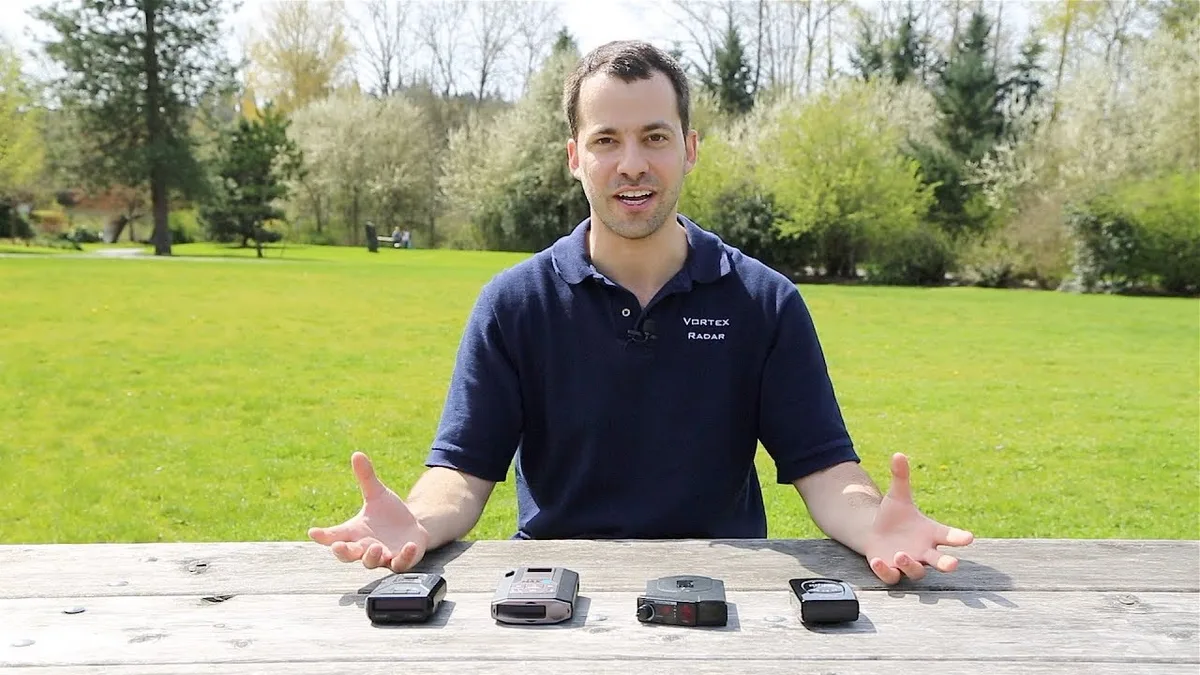
Passenger vehicle drivers won’t be penalized for possession alone. But using one to evade speed enforcement can still lead to a speeding ticket.
Common Mistakes That Get Drivers in Trouble
Assuming all vehicles follow the same rules is the top error. Many drivers don’t realize the 10,000-pound threshold applies.
Another mistake is ignoring local ordinances. Some cities add extra restrictions beyond state and federal law.
Rental trucks can be a gray area. If the vehicle requires a CDL, the federal ban applies regardless of who’s driving.
How to Check If Your Vehicle Qualifies
Start with your vehicle’s gross vehicle weight rating. This is listed on the door jamb sticker or in your owner’s manual.
If your GVWR is under 10,000 pounds, you’re clear. Over that, the federal ban applies.
For commercial vehicles, check your CDL classification. Any vehicle requiring a CDL falls under the restriction.
Real-World Scenarios: When It’s Legal (and When It’s Not)
Driving your personal pickup to work? Legal. Using the same truck for paid deliveries?
Still legal if under 10,000 pounds.
Operating a box truck for your business? Illegal if over 10,000 pounds. The rule applies even if you’re not currently hauling a load.
Rideshare drivers in standard sedans face no restrictions. The same goes for taxi drivers in passenger cars.
FAQs About Louisiana Radar Detector Laws
Can I use a radar detector in my personal car in Louisiana?
Yes. Louisiana allows radar detectors in all passenger vehicles without restriction.
Are radar detectors illegal in trucks in Louisiana?
They’re illegal in commercial vehicles over 10,000 pounds. This includes most semi-trucks and large delivery vehicles.
What’s the penalty for using a radar detector in a commercial vehicle?
Fines can reach $1,000 under FMCSA regulations. The device may also be confiscated.
Do Louisiana state troopers actively enforce this law?
Yes. Troopers check for radar detectors during commercial vehicle inspections.
Can I use a radar detector in a rental car in Louisiana?
Yes, as long as it’s a standard passenger vehicle. Rental trucks over 10,000 pounds are restricted.
Does Louisiana have any additional state-specific radar detector laws?
No. Louisiana follows federal regulations for commercial vehicles and has no extra state-level restrictions.
Final Verdict: Should You Use One?
Yes, if you drive a passenger vehicle. The law is clear for personal cars, SUVs, and light trucks under 10,000 pounds.
No, if you operate a commercial vehicle over 10,000 pounds or require a CDL. The federal ban applies regardless of intent.
For rideshare or delivery drivers in standard cars, you’re in the clear. Just confirm your vehicle’s classification first.