ByMax Lee
Guide to Arkansas Disabled Person Parking Permit Application and Usage Rules
If you've ever needed to understand the Arkansas disabled person parking permit application and usage rules, you're not alone. Every year, thousands of Arkansans apply for a placard or plate to make everyday errands and commutes easier. The process is simpler than most people think, but a few common missteps can lead to delays, fines, or even having your application rejected.
One thing to know up front: as of 2026, the Arkansas Department of Finance and Administration (DFA) handles all permits, and the rules are spelled out in state law. Misusing your permit can cost you up to $500 per violation. Getting it right from day one really matters.
Let's walk through everything you need to know, from who qualifies to how to use your permit once you have it.
Quick Answer
The Arkansas disability parking permit is free. You apply using Form AR-DP-1. A doctor must sign it within 90 days of your application.
Permanent placards last four years. Temporary permits last up to six months. Misuse carries a fine up to $500.
Why Getting This Right Matters (and What's at Stake)
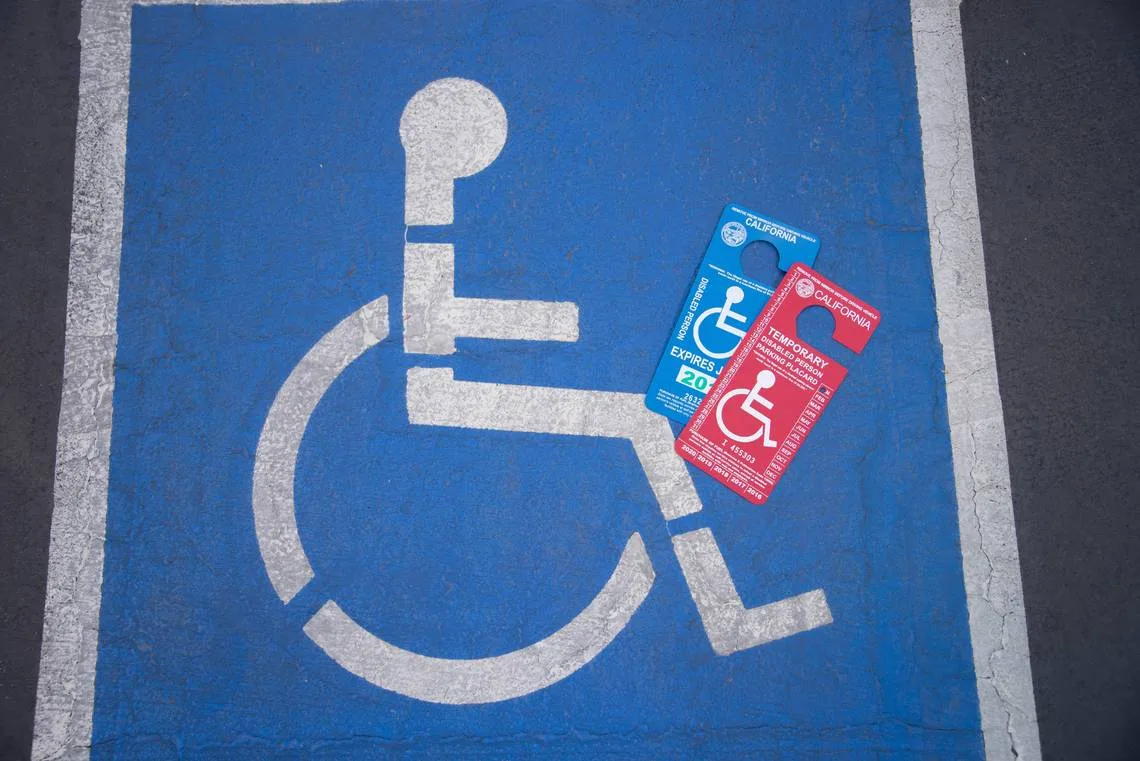
A disabled parking permit in Arkansas isn't just a convenience. It's a legal privilege governed by Arkansas Code Title 27, Chapter 15. If you use it correctly, you get closer parking spots, extra space to enter and exit your vehicle, and often no time limits at metered spots in cities like Little Rock or Fayetteville.
But get it wrong, and the consequences are real. Fines for letting someone else use your placard, parking in an access aisle, or using an expired permit can reach $500 per violation. The DFA can also revoke your permit if they find misuse.
That means losing access to the spaces you rely on.
There's also a practical side. Having a permit affects how you approach your daily driving routine. It's one more thing to keep in your car, along with your registration and insurance.
If you take pride in keeping your vehicle clean and maintained, you'll want to store your placard somewhere safe so it doesn't get damaged. For tips on general car care, check out our blog for more vehicle ownership advice.
Who Qualifies for an Arkansas Disabled Parking Permit
The state of Arkansas issues permits to people with a range of physical conditions. You qualify if a licensed medical professional certifies that you have one or more of the following:
- Cannot walk 200 feet without stopping to rest
- Use a portable oxygen tank
- Have a lung disease that severely limits respiratory function
- Have a cardiac condition that limits physical activity
- Have a neurological or orthopedic condition that significantly impairs mobility
- Are legally blind
- Have lost a limb or have a permanent impairment of one or both lower limbs
The list also covers conditions that require the use of a wheelchair, walker, cane, or crutches. If you're unsure whether your condition qualifies, ask your doctor. They can guide you based on the DFA's official criteria.
Children with qualifying conditions can also receive a permit. A parent or guardian applies on their behalf. The same rules apply, but the placard is issued in the child's name.
The Two Options: Placard vs. License Plate – Which Is Right for You?
Arkansas gives you two ways to access disability parking: a placard or a license plate. Each has its own strengths. The right choice depends on how you use your vehicle.
| Feature | Placard | License Plate |
|---|---|---|
| Cost | Free (initial and renewal) | Standard registration fee applies |
| Portability | Move between vehicles easily | Stays on one vehicle |
| Validity | 4 years (permanent); up to 6 months (temporary) | 1 year (renews with registration) |
| Display | Hang from rearview mirror | Plate is on the vehicle |
| Who gets it | Any qualified individual | Individual or organization |
| Best for | People who drive multiple cars or ride as passengers | People who own one vehicle and want it always ready |
A placard is the most popular choice because you can take it with you. If you're riding as a passenger in a friend's car, you simply bring your placard and hang it in their vehicle. That gives you access no matter what car you're in.
A plate is a good fit if you're the primary driver of one vehicle and you don't want to remember to hang or remove a placard. The plate is always on the car. Just keep in mind that swapping plates to another vehicle requires a trip to the revenue office and a fee.
For most people, we recommend starting with a placard. It's free and flexible. You can always switch to a plate later if your needs change.
Step-by-Step: How to Apply (Form AR-DP-1 and What You'll Need)
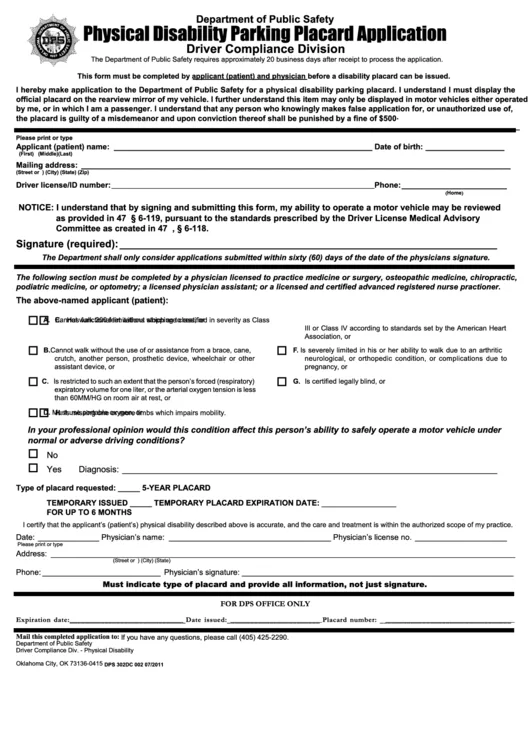
Applying for an Arkansas disabled parking permit is straightforward. The entire process revolves around one form: AR-DP-1.
Here's what you need to do:
Download or pick up Form AR-DP-1. You can find it on the DFA's official website or grab a paper copy at any local revenue office. The form is one page with two sections.
Complete Part 1 (Applicant Information). Fill in your legal name, Arkansas address, and contact details. Indicate whether you're applying for a permanent or temporary permit, or a license plate.
Have your medical professional complete Part 2 (Medical Certification). This is the most important step. A licensed physician, advanced practice registered nurse (APRN), or physician assistant (PA) must certify your qualifying condition. They sign and date the form. The signature must be within 90 days of the date you submit the application. If it's older, the DFA will reject it.
Submit the form. You have two options. Mail it to the DFA's Motor Vehicle Division in Little Rock. The address is on the form. Or take it to your local revenue office in person. Same-day processing is possible if you go in person.
Wait for your permit. Mailed applications typically take 2 to 4 weeks. If you apply at a revenue office, you'll walk out with your placard the same day.
Double-check that all fields are filled out. An incomplete form is the number one reason for delays. If you're applying for a temporary permit, make sure your doctor notes the expected duration.
That six-month limit is strict, and you cannot renew a temporary permit.
If you need to replace a lost or stolen placard, you'll need to file an affidavit of loss with the DFA and pay a $5 replacement fee.
Temporary vs. Permanent Permits – Key Differences You Can't Afford to Mix Up
Arkansas issues two types of parking placards: permanent (blue) and temporary (red). They look similar but have very different rules.
| Detail | Permanent Placard (Blue) | Temporary Placard (Red) |
|---|---|---|
| Valid for | 4 years | Up to 6 months |
| Renewal | Yes, every 4 years with a new form (no recertification unless your condition changes) | No renewal. Must reapply with a new medical certification |
| Medical certification needed | Yes, initial only | Yes, each time |
| Common reason for use | Long-term or permanent disability | Surgery recovery, pregnancy complications, short-term injury |
If you're dealing with a condition that is not expected to improve, the permanent placard is the way to go. You get it once, and it's good for four years. Renewal at the end of the period is a paperwork exercise.
You don't need to go back to the doctor unless your condition has changed.
The temporary placard is for situations like recovery from a hip replacement, a broken leg, or a temporary illness that affects mobility. The maximum is six months. Once it expires, you cannot renew it.
If you still need a permit, you must start the whole process over with a new form and a new doctor's signature.
A common mistake that leads to fines: people assume a temporary placard works the same as a permanent one. It does, but only while it's valid. Using an expired temporary placard is treated the same as having no permit at all.
That could cost you $500.
Also note: the temporary permit is non-transferable and cannot be replaced if lost. You'd have to apply again. Keep it safe.
If you wash your own car or do detailing, you might store your placard in the glovebox or center console. Just remember to hang it before parking. For tips on keeping your car's interior organized, our article on what to wash car rags in offers useful advice for maintaining a clean vehicle.
How to Properly Use Your Placard or Plate – Rules That Actually Matter
Having the permit is only half the battle. You need to use it correctly every time you park. The rules are straightforward, but ignoring them is the fastest way to get a ticket.
For a placard: Hang it from your rearview mirror so it faces forward. The printed side must be visible from outside the vehicle. Do not place it on the dashboard or the seat.
The DFA requires that it hangs freely.
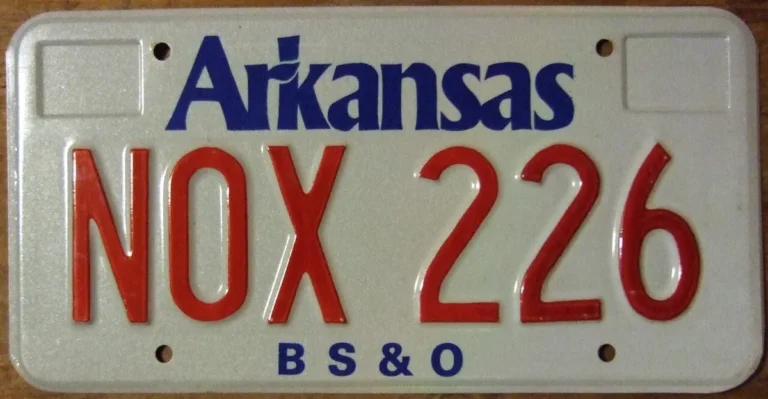
For a license plate: The plate is permanently attached to your vehicle. No extra steps are needed. But remember, the plate works only on that car.
If you drive a different vehicle, you cannot transfer the privilege.
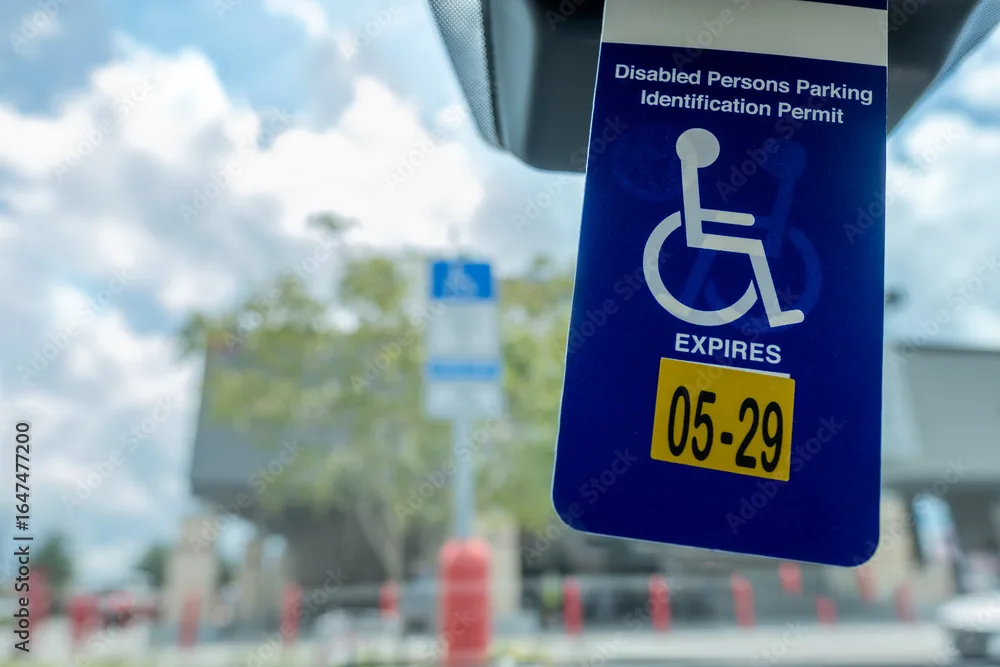
The most important rule: the permit is for the person named on it, not for the vehicle. You must be in the car as the driver or a passenger when it is parked in a disabled space. Loan your placard to a friend, and both of you are breaking the law.
You can use your placard in any vehicle you ride in. That includes rental cars, borrowed trucks, or even a friend's car. Just hang it up and park legally.
Where you cannot park even with a permit: fire lanes, bus stops, loading zones, or any spot marked "no parking anytime." The placard does not override those restrictions. It only lets you park in designated accessible spaces or at meters with time limit exceptions.
Common Mistakes That Could Cost You a Fine (Up to $500)
Our research shows that most tickets for disabled parking misuse in Arkansas come from simple misunderstandings. Here are the top mistakes that trigger fines:
- Using an expired placard. The expiration date is printed on the front. If your permanent placard is older than four years, it is invalid. Temporary placards expire after six months and cannot be renewed.
- Letting someone else use your placard. This is illegal even if you are in the car but not parked. The placard belongs to you, not to the vehicle.
- Parking in the striped access aisle. Those diagonal lines next to a van-accessible space are not parking spots. They are for wheelchair ramps and side-entry access. Park there once and you will likely get a ticket.
- Not displaying the placard at all. You must hang it before you leave the car. A placard sitting in your glovebox does not count.
- Using a placard for a deceased person. Once the permit holder passes away, the placard or plate must be returned to the DFA. Using it is fraud.
- Forgetting to remove the placard while driving. It is fine to keep it hanging, but if it blocks your view, take it down. Some drivers get pulled over for obstructed vision.
Each of these mistakes carries a fine up to $500 per violation under Arkansas Code Section 27-15-309. Repeat offenses can lead to permit revocation.
If you use an automatic car wash, remove your placard first. The brushes and rollers can damage or tear it. For more on keeping your car's exterior in good shape, see our article on do car wash brushes scratch paint.
Renewal, Replacement, and Expiration – Don't Let Your Permit Lapse
Permanent placard renewal: Your blue placard is valid for four years. It expires on your birth month. About 60 days before expiration, the DFA will send a renewal notice to the address on file.
You must complete a new Form AR-DP-1. However, you do not need a new medical certification unless your condition has changed.
Mail the form or visit a revenue office. The renewal is free. Do not wait until the day it expires.
If you drive with an expired placard, you risk a fine.
Temporary placard: There is no renewal. Once it expires, it expires. If you still need a permit, you must submit a brand new application with a new doctor's signature.
Plan ahead so you don't have a gap in coverage.
Lost or stolen placard: File an affidavit of loss with the DFA. You can get the form online or at a revenue office. Pay a $5 replacement fee.
You will receive a new placard with the same expiration date as the original. Do not use the old one if you find it later. Return it to the DFA.
License plate renewal: Your disabled plate renews each year along with your regular vehicle registration. There is no special process. Just pay the standard registration fee.
If you switch to a different vehicle, you must apply for a new plate.
Keep your address updated with the DFA. If they cannot send your renewal notice, you might miss the deadline.
Legal Consequences of Misuse – What Happens If You Break the Rules
Arkansas takes disability parking fraud seriously. The law gives law enforcement and parking enforcement officers the authority to issue citations and impound vehicles in some cases.
First offense: A fine up to $500. The officer may also report the violation to the DFA, which can revoke your permit.
Second offense: Higher fines, possible court costs, and mandatory permit revocation. You may be barred from reapplying for a set period.
Fraudulent application: If you lie on Form AR-DP-1 to get a permit you don't qualify for, that is a Class B misdemeanor in Arkansas. It carries fines and possible jail time.
Using a deceased person's permit: This is also a misdemeanor. The DFA has enforcement officers who cross-check permit records with death certificates.
Parking in a space without a valid permit: Even if you are just "running in for a minute," you can be ticketed and towed. Disabled spaces are reserved for people who need them.
The bottom line: the system relies on honesty. Abuse it, and the penalties are designed to hurt. Keep your permit current, use it correctly, and only park where allowed.
Parking Privileges in Arkansas – What's Allowed and What's Not
Having a placard or plate gives you specific privileges. But they are not unlimited. Here is a clear breakdown.
Where you can park:
- Any designated accessible parking space marked with the blue International Symbol of Access.
- At metered parking spots in many Arkansas cities without paying the meter or worrying about time limits. However, check local ordinances. Some cities like Fayetteville have time restrictions even for permit holders.
- In spaces marked for van-accessible parking only if you have a placard or plate and your vehicle displays it.
Where you cannot park:
- Fire lanes (marked with red curb or signs)
- Bus stops and taxi stands
- Loading zones unless you are actively loading or unloading
- Any spot marked "no parking at any time"
- On crosswalks, sidewalks, or in front of driveways
- In access aisles (the striped area next to van spaces)
Out-of-state permits: Arkansas honors valid disability parking permits from other states. If you are visiting from Texas, Oklahoma, or anywhere else, your permit works here. Follow the same Arkansas rules.
Enforcement: Police, parking enforcement, and even private property owners with authority can issue tickets. If you receive a citation, you can contest it in court, but you will need evidence that your permit was valid and displayed.
For more on keeping your vehicle clean while you manage daily driving, check out our guide on what to do if your car remote goes through washer and dryer. It covers protecting important items inside your car.
Quick Answers to Common Questions
Can I use my Arkansas placard in another state?
Yes. All states recognize out-of-state disability parking permits. Park in any designated accessible space, but follow local rules about time limits and meter payments.
What if my doctor signs the form after 90 days?
The DFA will reject it. The signature must be dated within 90 days of submission. Get a fresh signature before you mail or deliver the form.
Can I get a second placard for a second car?
Yes. You can apply for a second placard for a fee. The DFA allows one per person at no cost, and a second for $5.
Check with your local revenue office for the current fee.
Do I need to renew my disabled license plate every year?
Yes. It renews with your standard vehicle registration. Pay the regular fee.
No extra medical certification is needed unless your condition changes.
What happens if I move to Arkansas with an out-of-state permit?
Your permit is valid in Arkansas immediately. But you should apply for an Arkansas placard or plate after establishing residency. The DFA requires you to register your vehicle and get a local permit within 30 days.
Can my placard be confiscated?
Yes. Law enforcement can seize a placard if they suspect fraud, misuse, or if it is expired. The DFA can revoke it permanently.
For more Arkansas vehicle ownership resources, visit our blog for guides on registration, maintenance, and driving laws.
Final Checklist: What to Do After You Get Your Permit
- Store your placard in a safe spot inside your car, like the glovebox or door pocket.
- Hang it on your rearview mirror before parking. Remove it while driving if it blocks your view.
- Mark your renewal date on your calendar. Permanent placards expire every four years on your birth month.
- Keep a copy of Form AR-DP-1 and the DFA receipt in your records.
- Never loan your placard to anyone. It is tied to you, not your vehicle.
That is everything you need to know. Apply carefully, use it properly, and you will save time, reduce hassle, and stay on the right side of Arkansas law.