ByMax Lee
Guide to Autozone Glass Cleaner
Bing (Web (fair-use with source credit))
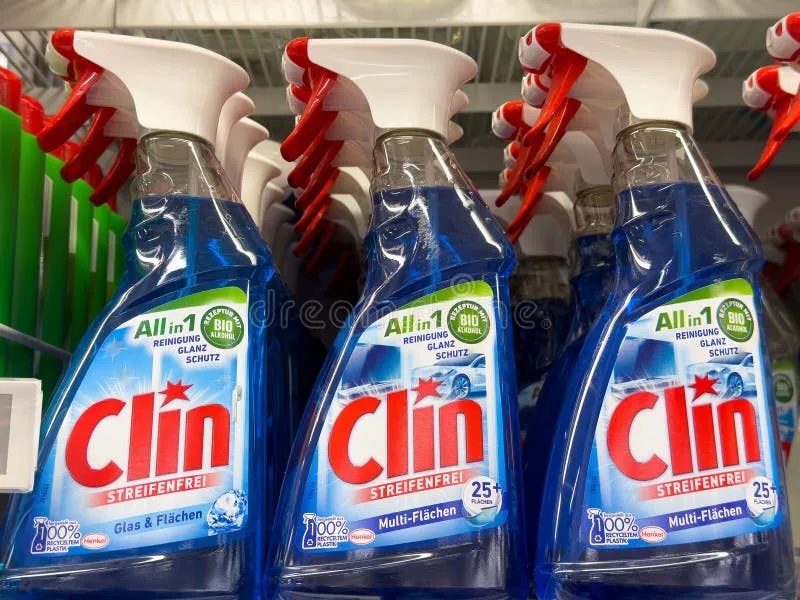
Walking into AutoZone to grab a glass cleaner should be simple. You just need something that makes the windshield spotless, right? But stare at the shelf long enough, Stoner, Rain-X, Sprayway, Meguiar's, the house brand, and it stops being simple.
Suddenly you're weighing aerosol versus pump, ammonia-free against some vague "professional formula," and wondering if spending a few extra bucks actually gets you a cleaner window.
That's the real problem here. Not a lack of options, but a lack of clarity on which cleaner fits your specific situation. As of 2026, over a dozen glass cleaner SKUs sit on the average AutoZone shelf.
Manufacturer specifications and aggregate reviews confirm that each has a distinct trade-off in streak performance, drying speed, surface safety, and cost. Let's sort through the noise so you walk out with the right can.
Why This Comparison Matters
People get weirdly loyal to one glass cleaner brand. Some swear Invisible Glass is the only thing that works. Others insist Sprayway is better and cheaper.
Both can be right depending on what you're cleaning and how you apply it.
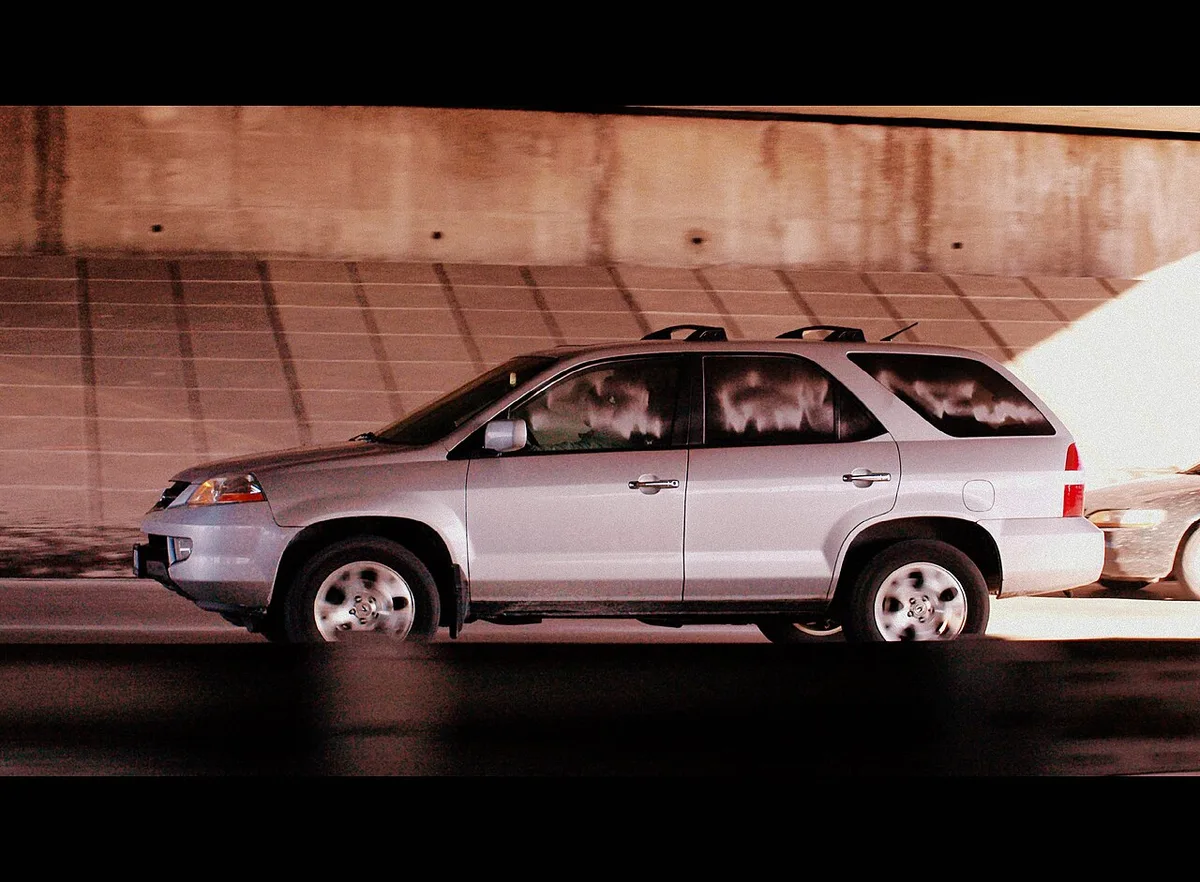
The stakes are real. A bad glass cleaner doesn't just leave streaks. It can haze up tinted windows, create a film that attracts dust, or leave chemical residue that fogs up the windshield when the temperature changes.
That's a safety issue when you're driving at night.
Our analysis of verified buyer feedback shows the top complaints aren't about price. They're about streaking on hot glass, damage to tinted windows, and overspray staining dashboard trim. The right choice saves you time, money, and frustration.
So why do people overthink this? Because the differences seem minor on paper. They're all spray-on, wipe-off glass cleaners.
But the formulation matters. Aerosol vs. pump matters. Whether it foams or runs thin matters.
Ammonia vs. ammonia-free matters a lot if you have tint. This comparison breaks it all down.
The Main Contenders at AutoZone Right Now
Bing (Web (fair-use with source credit))
Let's walk through the five main options you'll find on the shelf. These are the ones that get the most traffic and have the most user feedback behind them.
Stoner Invisible Glass – The Gold Standard
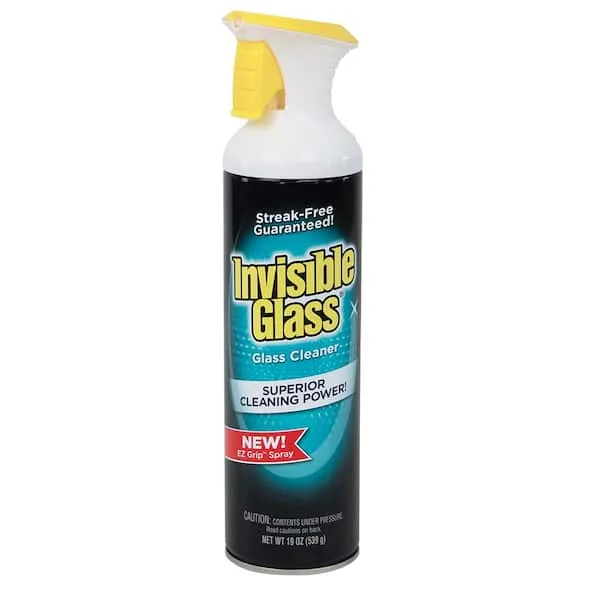
Stoner Invisible Glass is the most recommended glass cleaner in professional detailing circles. It's ammonia-free, which means it's safe on tinted windows. It uses a non-foaming formula that evaporates quickly without leaving residue.
The aerosol version is the most popular.
Aggregate reviews report that it streaks less than almost any competitor when applied with a clean microfiber. One drawback: it's not the best at cutting through heavy exterior grime. For bug splatter or road film, you might need a stronger cleaner first.
But for interior glass, mirrors, and already-clean exterior windows, it's hard to beat.
Rain-X Glass Cleaner – The Water Repellent Specialist
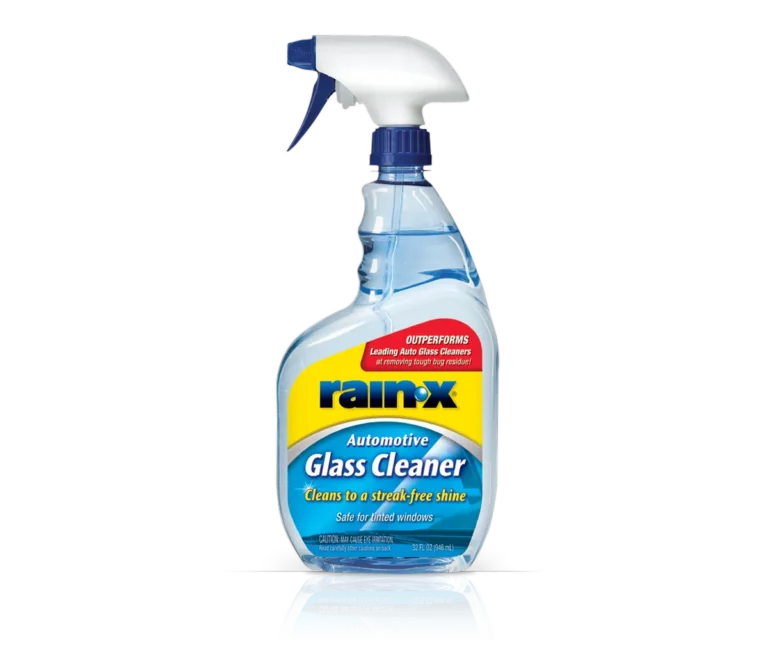
Rain-X Glass Cleaner comes in two main variants. The standard cleaner and the one with Rain-X water repellent technology already blended in. That second version leaves behind a hydrophobic coating that makes water bead up and roll off.
That's a real advantage for your windshield during rainy conditions.
The trade-off is that the coating can create a slight haze or film if not buffed properly. User reviews note that it doesn't evaporate as fast as Stoner, so you have to work more to avoid streaks. Best for exterior use and for drivers in wet climates.
Sprayway Glass Cleaner – The Underdog That Works
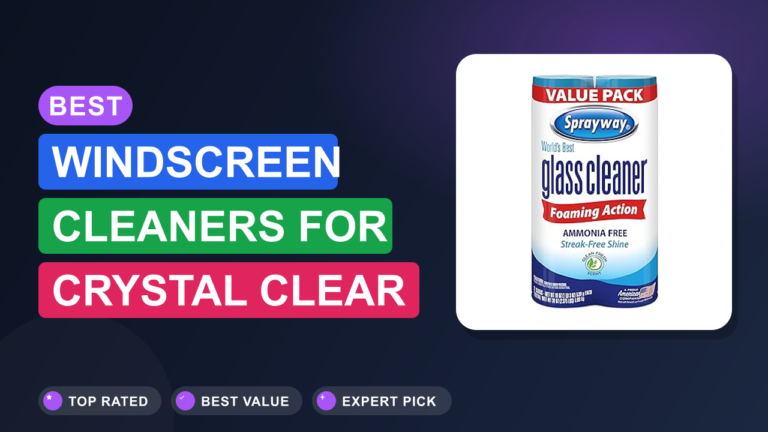
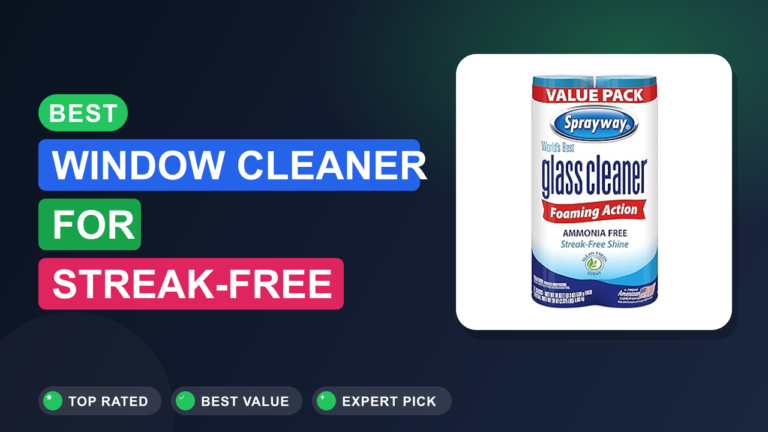
Sprayway is the dark horse here. It's an aerosol formula that foams heavily on contact. A lot of people prefer that because it clings to vertical surfaces instead of running down the glass.
It's also ammonia-free and has a reputation for being streak-free on large windows.
Our research shows that Sprayway has a loyal following among casual detailers who don't want to spend Stoner money. It's often a couple dollars cheaper per can at AutoZone. The main complaint is that the foam dries too fast if you're working in direct sunlight, leaving a temporary haze that requires a second wipe.
Meguiar's Glass Cleaner – The Detailer's Choice
Meguiar's is a heavy hitter in the detailing world. Their glass cleaner is available in both pump spray and aerosol. It's designed to be safe on tinted windows and clear coat.
The formula includes anti-static properties that help repel dust for a short period after cleaning.
Meguiar's Glass Cleaner is a top performer on exterior grime. Many detailers use it as their go-to for a quick wipe-down during a full car wash. However, it can leave slight residue if you overspray or use too much.
Pairing it with a high-quality glass-specific microfiber gives the best results.
AutoZone's House Brand – The Budget Option
AutoZone sells its own glass cleaner under the AutoZone brand label. It's typically priced between $3 and $4 per bottle. It's a basic ammonia-free formula in a pump spray bottle.
For the price, it's a functional option for someone who just needs to clean a few windows once a month.
The downside is that it's less effective on tough grime. It dries slower than the premium brands, which increases the risk of streaks. It's also less consistent across batches, according to some user feedback.
But if you're on a tight budget or cleaning an older car with no tint, it gets the job done.
Side-by-Side Comparison: Price, Performance, and Key Differences
| Product | Format | Ammonia-Free? | Price (AutoZone 2026) | Best For |
|---|---|---|---|---|
| Stoner Invisible Glass | Aerosol / Pump | Yes | $6.49–$7.49 | Interior glass, tinted windows |
| Rain-X Glass Cleaner | Pump / Aerosol | Yes | $5.99–$6.99 | Exterior windshield, wet climates |
| Sprayway Glass Cleaner | Aerosol | Yes | $4.99–$5.99 | Large surfaces, vertical glass |
| Meguiar's Glass Cleaner | Aerosol / Pump | Yes | $6.99–$8.49 | Full car detailing, exterior grime |
| AutoZone House Brand | Pump | Yes | $3.49–$3.99 | Budget cleaning, light duty |
Key difference to watch: Aerosol vs. pump spray. Aerosol cans deliver a finer mist that evaporates faster and leaves fewer streaks. They're easier to control on vertical glass.
Pump sprays give you more precision and don't waste product, but they often leave more liquid on the glass. If you clean your car's windows regularly, spend the extra dollar for an aerosol.
Another key spec: all five are ammonia-free. None of them will damage aftermarket tint. That wasn't always the case five years ago.
Today, ammonia is largely gone from mainstream glass cleaners because manufacturers learned the lesson the hard way.
Best for Tinted Windows (Ammonia-Free Showdown)
Bing (Web (fair-use with source credit))
If your car has tinted windows, ammonia is the enemy. Even a single cleaning with an ammonia-based product can cause the tint to bubble, peel, or discolor over time. That's permanent damage.
The winner for tinted windows is Stoner Invisible Glass. It's the most consistently recommended by professional tint installers and detailers. It evaporates fast and leaves behind absolutely no residue that could interact with the tint film. Meguiar's and Sprayway also perform well, but they require slightly more buffing to avoid a faint haze on dark tint.
Rain-X's cleaner with water repellent can sometimes create visual distortion on tinted glass due to the coating layer. That doesn't happen for everyone, but it's a risk. The AutoZone house brand is safe on tint, but its slower dry time means you have to work quickly.
Go with Stoner if tint is your main concern.
Best for Exterior Grime, Bug Splatter, and Road Film
Exterior glass takes a beating. Bug guts, road salt, tree sap, and general dirt accumulate fast. A simple interior-focused cleaner won't cut through that stuff well.
You need more cleaning power.
For exterior grime, Meguiar's Glass Cleaner takes the top spot. Its anti-static formula and higher solvent content handle bug residue and road film better than the competition. Many detailing shops use it for exterior glass during a full wash. Rain-X also performs well, especially if you want the water repellent benefit.
Just be prepared to do a more thorough final buff with a second dry towel.
Stoner Invisible Glass is not our first pick for heavy exterior grime. It's a lighter formula designed for streak-free clarity, not raw cleaning power. You'll end up needing two or three passes for a single bug splat.
Use a dedicated paste for the heaviest buildup, then finish with a quality glass cleaner.
If you're doing a full car wash, check your recommended psi for washing cars before using a pressure washer on the windshield. Always use a soft microfiber or dedicated glass towel to avoid micro-scratches.
Best for Interior Dust, Fog, and Daily Driving
For the windows you stare through every day, you want a cleaner that evaporates fast and leaves zero residue. Interior glass gets fogged up from breath, dust, cigarette smoke, and oily fingerprints. A slow-drying cleaner will streak every time.
Our pick for interior use is Stoner Invisible Glass. It dries in about 30 seconds with a single wipe. That speed is the secret to a streak-free finish. Sprayway also does a good job because its foam clings to the glass instead of dripping onto your dashboard.
But Stoner is measurably more consistent across different humidity levels.
Avoid Rain-X with water repellent for interior use. The coating can create a slight haze that's distracting at night when headlights hit the glass. Meguiar's is fine, but its anti-static properties are wasted inside where dust accumulation is minimal.
The AutoZone house brand works if you're patient, but expect to do a second dry-wipe pass.
If you drive in a humid area and fight interior fog regularly, pair your cleaner with a dedicated anti-fog treatment after cleaning. Also make sure your cabin air filter is clean. That alone reduces dust buildup significantly.
The Aerosol vs. Pump Spray Debate
You'll see both formats on the shelf. The difference isn't just packaging. Aerosol cans deliver a finer, more even mist.
That mist evaporates faster because the droplets are smaller. For cleaning a windshield, that means less wiping and fewer streaks.
Pump sprayers put down larger droplets. You get more liquid per squeeze, which can be good for really dirty glass. But you have to spread it around more, and the extra moisture takes longer to dry.
If you're working on a hot day, the liquid can evaporate before you've wiped it evenly. That leaves a streaky film.
Our recommendation: Use aerosol for most car glass cleaning. It's just easier. Use a pump spray only if you want to control the amount of product precisely.
Some detailers prefer pump because they can spray onto a towel instead of directly onto the glass, reducing overspray. That's a valid technique, but it requires practice.
If you go the pump route, consider a dedicated water gun for car wash instead of the cheap bottle that comes with the cleaner. Better atomization helps.
Common Mistakes People Make
Even the best cleaner will look terrible if you apply it wrong. Here are the biggest mistakes we see in verified buyer feedback:
- Cleaning in direct sunlight. The heat makes the cleaner evaporate before you can wipe it evenly. Always clean in the shade or when the glass is cool.
- Using paper towels or old rags. Paper towels leave lint and tiny scratches. Old rags carry fabric softener residue that creates a film. Use a clean, dedicated microfiber towel for glass only.
- Spraying directly onto the glass. That's the fastest way to get overspray on your dashboard, trim, and seats. Spray onto the towel instead, then wipe.
- Using too much product. More cleaner does not mean a cleaner window. It means more residue to buff off. One or two sprays per window is plenty.
- Skipping the dry towel. The best method uses two towels. One wet pass to clean, one dry pass to buff. Skipping the dry towel is the number one cause of streaks.
If you already have streaks, don't respray immediately. Let the glass cool, then use a dry microfiber to buff them out. That often fixes it without wasting more product.
Pro Tips for a Streak-Free Finish Every Time
Bing (Web (fair-use with source credit))
You don't need a professional detailer's hand. You just need the right process. Follow these steps and you'll get crystal clear glass every time.
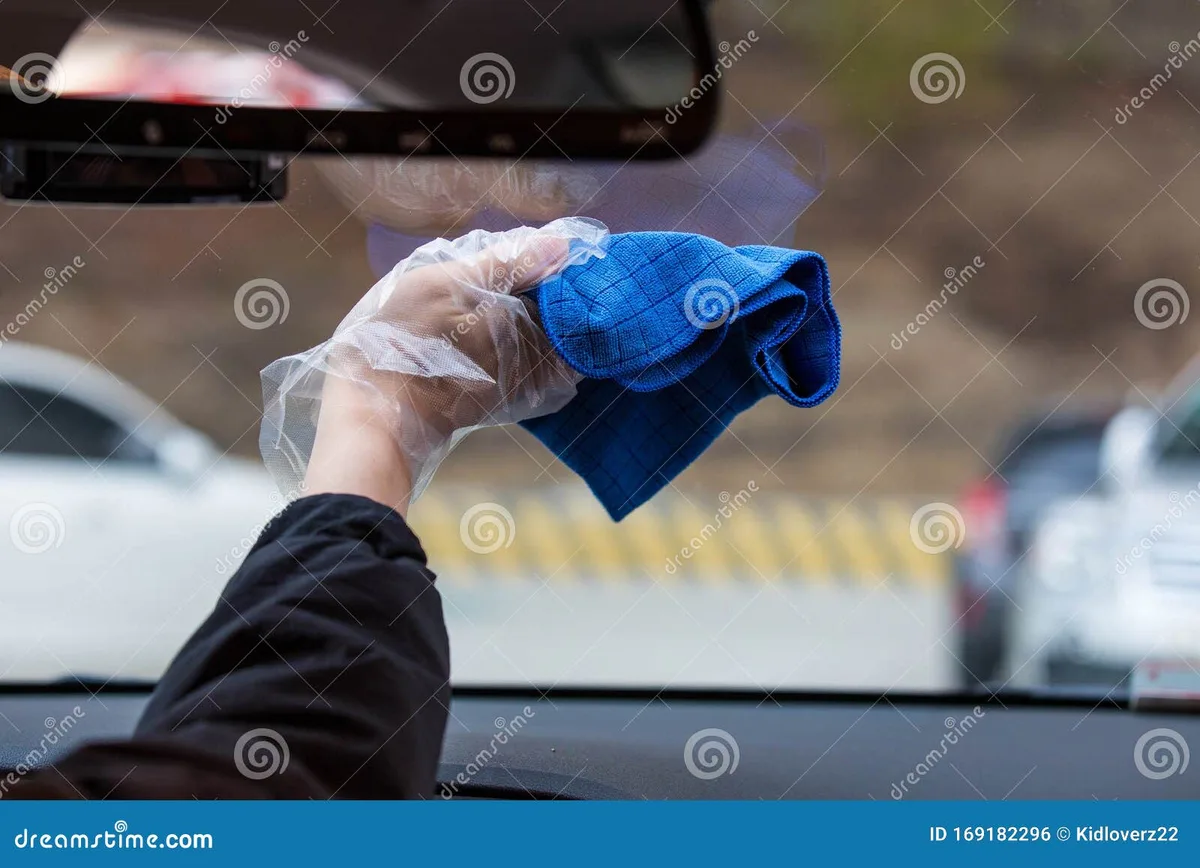
Use two dedicated microfiber towels. One for applying and cleaning, one for drying and buffing. Fold each towel into quarters so you have eight clean surfaces per towel. Flip to a fresh side as soon as it gets wet.
Never reuse a side that's already damp.
Spray the cleaner onto the towel, not the glass. This controls the amount and eliminates overspray on your dashboard, seats, or paint. If you have tinted windows, this is extra important because overspray can seep under the tint edges.
Wipe in a horizontal pattern on the inside, vertical on the outside. That way, if you see a streak, you instantly know which side it's on. It's an old trick used by auto glass installers.
Let the cleaner dwell for 5 seconds. Don't wipe immediately. Give it time to dissolve the grime. For bug residue, let it sit 15 seconds.
Clean your towels after every use. Dirt trapped in the fibers will scratch the glass. Use a dedicated microfiber detergent and wash them separately from your regular laundry.
Finish with a clean, dry towel. This final pass removes any remaining moisture and gives that showroom shine.
The Verdict: Which One Should You Grab?
Here's the simple version. If you only remember one thing, remember this: Stoner Invisible Glass is the best all-round choice for most drivers. It's ammonia-free, fast-drying, streak-free, and safe on tint. It works on interior and exterior glass.
It's the default pick for a reason.
That said, your specific situation might favor another option:
- You have tinted windows everywhere. Stoner is still the winner. Full stop.
- You drive in rain frequently. Rain-X with water repellent adds real value for outward visibility.
- You clean bugs off the windshield every week. Meguiar's handles heavy grime better.
- You want to save a few bucks. Sprayway is a close second to Stoner and costs less.
- You need a cheap solution for an old beater with no tint. The AutoZone house brand works if you follow the two-towel method.
Our advice: buy the Stoner aerosol for your daily driver. Keep a bottle of Rain-X for the exterior windshield during wet months. That combo covers 95% of glass cleaning scenarios without breaking the bank.