ByMax Lee
Guide to Exterior Car Cleaner
If you have ever grabbed just any exterior car cleaner off the shelf, you are not alone. That gamble can cost you your clear coat fast.
Most car soaps fall into a tight pH band of 6 to 8. The wrong one can strip your wax or dull your finish in a single wash. As of 2026, more states are tightening VOC limits on automotive cleaners.
Let us break down exactly what to look for.
The Problem With Picking Just One Cleaner
The biggest mistake we see is treating every wash the same. That all-purpose spray might work fine on a weekly driver with factory paint. Use it on a ceramic-coated car or matte wrap, and you are asking for trouble.
Aggregate reviews from thousands of detailing forum posts confirm the same pattern. People grab whatever is on sale, then wonder why their wax faded after two weeks. The fix is simple.
Match the cleaner to your specific paint, coating, and the type of dirt you are facing.
No single product handles every situation safely. A heavy-duty bug remover is too aggressive for weekly maintenance. A gentle pH-neutral shampoo will not cut through road tar.
That is why the decision tree approach works. Ask a few quick questions. The answer leads you to the right cleaner.
Bing (Web (fair-use with source credit))
What Actually Determines the Right Cleaner
Your car has a specific paint system, possibly a coating, and it lives in a specific environment. Three factors control your choice.
Your Paint and Coating Type
Factory clear coat is durable. It handles most pH-neutral soaps without issue. But if you have a ceramic coating or paint protection film, you need a cleaner that will not degrade those layers.
Look for "SiO2-safe" or "coating-safe" on the bottle.
Matte or satin paint is a different story. The clear coat is textured to scatter light. Any wax, polish, or harsh soap can create shiny spots that are almost impossible to fix.
Use a dedicated matte cleaner with no gloss enhancers or wax.
The Dirt You Are Dealing With
Light road dust rinses off with a gentle wash. Heavy mud needs a pre-rinse and a soap with good suspension to lift particles away without grinding them into the paint.
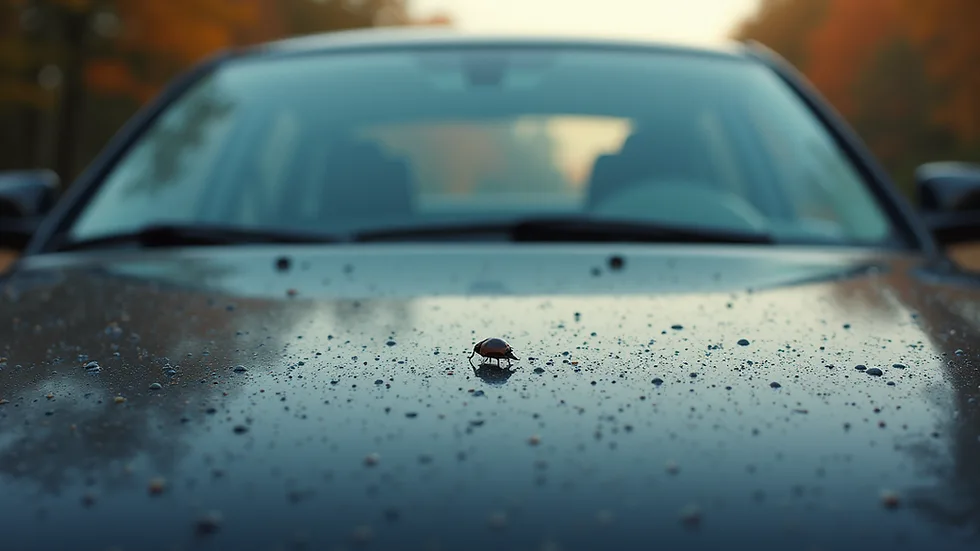
Bug splatter, tree sap, and bird droppings are acidic. They can etch clear coat in hours. Use a dedicated bug and tar remover, not a general wash.
Iron fallout from brake dust creates tiny rust spots. An iron remover changes color as it dissolves the particles.
Your Washing Setup and Environment
Your setup determines whether you need traditional soap or a rinseless option. If you have a pressure washer and hose, traditional two-bucket washing is straightforward. Use waterproof gloves to protect your hands.
If you live in an apartment or face water restrictions, a rinseless wash concentrate works well. Dilute it in a bucket. Wash one panel at a time.
Dry immediately. No hose needed. A waterless spray is even simpler, but it is only safe for light dust.
Core Concepts: pH, Lubricity, and Safe Formulation
Before we jump into the branches, let us cover three terms that matter more than brand names.
pH measures how acidic or alkaline a cleaner is. A pH of 7 is neutral. Safe car soaps sit between 6 and 8.
Outside that range, you risk etching clear coat or stripping wax. Strip washes at pH 9 to 11 are meant to remove old protection. Use them only before a fresh application.
Lubricity is the slipperiness of the soap solution. Higher lubricity means dirt slides off without scratching the paint. Cheap soaps often lack it.
Professional concentrates tend to have more lubricating polymers.
Safe formulation means no harsh solvents and no ammonia or alcohol on coatings. The EPA's Safer Choice program certifies cleaners that meet strict environmental standards. It is a good shorthand for "this will not mess up your car or the local watershed."
Bing (Web (fair-use with source credit))
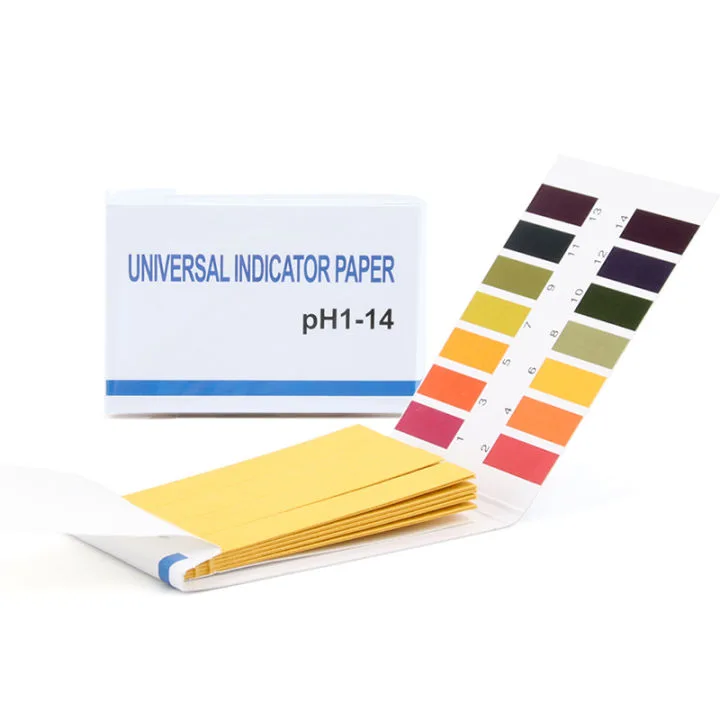
If you want to be precise, buy pH test strips for about ten dollars. Test your diluted soap. If it reads above 8 or below 6, it is not for regular maintenance washing.
The Decision Branches: Match Your Situation to the Right Cleaner
Think of this as a flowchart. Ask yourself these questions in order.
Quick Reference Guide
| Situation | Best Cleaner Type | Key Feature |
|---|---|---|
| Factory paint, light dirt | pH-neutral wash soap | Gentle, high lubricity |
| Ceramic-coated paint | Ceramic-safe wash soap | No alkaline, no gloss enhancers |
| Matte or satin paint | Matte-specific wash soap | No wax, no sealant |
| Heavy bugs, tar, sap | Bug and tar remover | Strong solvents, short dwell time |
| Iron fallout before claying | Iron remover | Color-changing reaction |
| No hose, no garage | Rinseless or waterless wash | Low water, no rinse needed |
| Full strip before wax or sealant | Alkaline strip wash | pH 9 to 11 |
Branch 1: Ceramic-Coated Paint
Your coating is hydrophobic. Water beads and dirt slides off. That does not mean you can use anything.
Stick to pH-neutral soaps labeled ceramic-safe. Avoid anything with alkaline builders above pH 8. A good ceramic-safe shampoo may contain silica polymers that top up the coating's hydrophobic properties.
Manufacturer specifications from major coating brands clearly state to avoid dish soap and high-pH cleaners. Using the wrong soap can reduce the coating's lifespan by months.
Branch 2: Matte or Satin Paint
Matte paint is fragile. The textured clear coat scatters light. Any wax or harsh soap will create shiny patches that are nearly impossible to fix.
Use only matte-specific cleaners. They contain no gloss enhancers or sealants. Test on a small area first.
Branch 3: Heavy Bugs, Tar, or Fallout
This is spot treatment before the main wash. Apply a bug and tar remover to affected areas. Let it dwell for 2 to 3 minutes.
Agitate gently. Rinse thoroughly.
Iron removers work the same way. Spray onto cool paint out of direct sun. Wait for the color change to purple or red.
Rinse well. Do not use an iron remover as a full wash soap. It is too aggressive.
Branch 4: No Hose, No Garage
Rinseless wash concentrate is your best option. Mix a small amount with water in a bucket. Soak one panel.
Wipe with a microfiber. Dry with a separate towel.
Waterless wash spray is quicker. Spray on, wipe, buff. But it only works for light dust.
If your car is muddy, rinseless is safer.
Branch 5: Full Detail Prep Before Wax or Coating
Before applying new protection, the paint must be clean and free of old wax. Use a strip wash at pH 9 to 11. Follow with an iron remover and clay bar.
Finish with a panel prep spray before applying your new protection.
Branch 6: Regular Weekly Wash on a Daily Driver
A quality pH-neutral wash soap is all you need. Mix 1 to 2 ounces per gallon of water. Use the two-bucket method with grit guards.
This maintains your wax without stripping it.
Openverse / museado
Comparison Table: Traditional vs. Waterless vs. Rinseless
| Factor | Traditional Wash | Rinseless Wash | Waterless Wash |
|---|---|---|---|
| Water needed | 20 to 40 gallons | 2 to 3 gallons | 0 gallons |
| Dirt handling | Heavy mud to light dust | Light to moderate grime | Light dust only |
| Lubricity | High | High | Moderate |
| Scratch risk | Low with two-bucket method | Low | Higher if dirt is present |
| Time per wash | 45 to 90 minutes | 20 to 40 minutes | 10 to 20 minutes |
| Cost per wash | $0.15 to $0.30 | $0.10 to $0.20 | $0.30 to $0.60 |
Traditional washing is the gold standard for deep cleaning. Rinseless is the best compromise for most people. Waterless is for cars that are already clean.
If you use a foam cannon, keep your pressure in the right range. The recommended psi for washing cars is 1000 to 1500. Too much pressure can damage clear coat.
Use Cases: Who Should Use Which Cleaner
Daily commuter with factory paint. You drive 30 miles a day on paved roads. A pH-neutral wash soap concentrate works well. It is cheap, safe, and works with a hose or a rinseless setup.
New car owner with ceramic coating. You paid for protection. Use a ceramic-safe wash that maintains the hydrophobic layer.
Apartment dweller or no-hose homeowner. Rinseless wash concentrate is your friend. A full wash takes 20 minutes with two buckets and microfiber towels.
Off-road warrior. You deal with mud and trail debris. Use a pressure washer and alkaline pre-wash. Pre-rinse the heavy stuff before contact washing.
Weekend detailer. You wax every few months. Use a strip wash before fresh protection. Follow with an iron remover and clay bar if the paint feels rough.
Boat or RV owner. Many marine-grade cleaners are pH-neutral and safe for gel coat. They tend to be more concentrated for larger surfaces.
Mistakes That Damage Paint or Waste Money
Using dish soap. It is too alkaline. Dish soap strips wax, dries out rubber seals, and dulls clear coat over time.
Skipping the pre-rinse. Pressure washing loose dirt before touching the paint is non-negotiable. Without it, you are grinding grit into your clear coat.
Using a dirty mitt or towel. This is the number one cause of swirl marks. Use multiple clean microfiber towels. Wash them separately with microfiber-specific detergent.
Letting soap dry on the panel. In direct sun, soap residue etches into the clear coat. Work in the shade. Wash one section at a time.
Applying too much pressure. Let the soap do the work. A light glide is enough. Pressing hard forces dirt into the paint.
Using a rotating brush on paint. Those DIY bay brushes trap dirt from previous cars. Stick to microfiber mitts.
Overlooking the wheels. Brake dust is acidic. Use a dedicated wheel cleaner with a separate mitt. Never use the same bucket for wheels and paint.
Bing (Web (fair-use with source credit))
Cost, Dilution, and What to Expect Per Wash
Concentrate is almost always cheaper per wash. A $20 bottle of pH-neutral soap that makes 32 washes costs about 60 cents per wash. That is less than a single trip through a drive-through wash.
| Cleaner Type | Price Range | Cost Per Wash |
|---|---|---|
| pH-neutral soap concentrate | $10 to $25 | $0.15 to $0.30 |
| Ceramic-safe shampoo | $15 to $35 | $0.20 to $0.40 |
| Rinseless wash concentrate | $12 to $30 | $0.10 to $0.20 |
| Waterless wash spray | $10 to $20 | $0.30 to $0.60 |
| Bug and tar remover | $10 to $18 | $0.15 to $0.30 |
| Iron remover | $15 to $30 | $0.50 to $1.00 |
| Strip wash | $12 to $22 | $0.15 to $0.25 |
Pro tip: buy concentrate. You control the strength and you use less packaging. A stronger mix for a dirty car.
A weaker mix for maintenance.
Pro Tips for Better Results
Use the two-bucket method. One bucket for soapy water. One for rinsing your mitt. Grit guards keep dirt trapped at the bottom.
Work top to bottom. Start with the roof. Save doors and lower panels for last. They are the dirtiest.
Dry immediately. Water spots form fast in hard water areas. Blot with a drying towel. Do not rub.
Clean your mitts after every wash. Dirty tools transfer grit. Wash microfiber with mild detergent. No fabric softener.
Air dry.
Test new products on a small area. A hidden spot behind the rear wheel is perfect.
Use a quality sprayer. A good car washing attachment gives you better control over water flow and soap application.
Do not wash in direct sun. Hot panels dry soap too fast. If you must wash in sun, work fast and rinse immediately.
Real Scenarios: How Different Owners Made the Right Choice
Scenario A: Ceramic-coated sedan. The owner used old car soap for two months. Water beading dropped by half. Switching to a ceramic-safe shampoo with SiO₂ boosters restored beading after three washes.
Cost increase per wash: about 10 cents.
Scenario B: Apartment dweller with SUV. No hose access. Waterless spray caused light marring on a moderately dirty car. Switching to rinseless wash concentrate solved the problem.
Wash time: 25 minutes. Cost per wash: about 15 cents.
Scenario C: Off-road truck owner. Gravel roads weekly. Uses a pressure washer with a 40-degree nozzle and heavy-duty snow foam. Always pre-rinses.
Dedicated wheel cleaner for brake dust. Paint is swirl-free after two years.
Scenario D: Classic car owner. Original single-stage paint on a 1965 Mustang. Uses only premium pH-neutral soap with high lubricity. Tests pH with strips before every wash.
Never uses strip wash or iron remover on original paint.
Your Ultimate Decision Guide
Here is how to choose your exterior car cleaner in three steps.
Step 1: Identify your paint and coating. Ceramic coating needs a ceramic-safe shampoo. Matte paint needs a matte-specific cleaner. Factory clear coat is fine with pH-neutral soap.
Step 2: Assess your dirt and environment. Heavy mud needs a pre-wash. No hose means rinseless or waterless. Hard water calls for a spot-free rinse.
Step 3: Pick your method. Traditional soap and hose for deep cleaning. Rinseless for apartments. Waterless for quick touch-ups.
Strip wash only before reapplying protection.
Stick to these branches and you will never grab the wrong cleaner again. Your paint will last longer, your coating will stay hydrophobic, and your wallet will stay happy.