ByMax Lee
Guide to Glass Cleaning Products
You've grabbed a bottle of glass cleaner off the shelf, sprayed it on a mirror, wiped it down, and now you're staring at a hazy, streaky mess. That's the real problem with glass cleaning products. Most people grab whatever is cheapest or smells strongest, and then wonder why their windows look worse than before they started.
The truth is, no single glass cleaner works perfectly on every surface. Manufacturer specifications indicate that ammonia-based formulas can damage tinted car windows, while vinegar-based solutions can etch natural stone countertops if they splash. As of 2026, the market offers dozens of options, but the right choice depends entirely on what you're cleaning and what you're trying to avoid.
Let's walk through the variables so you never waste money on the wrong bottle again.
What You're Actually Trying to Solve (Not Just "Clean Glass")
You don't just want clean glass. You want glass that looks like it's not there. No streaks, no haze, no lint, no chemical smell lingering in the room.
That's the real goal.
The problem is that "clean" means different things depending on the surface. A bathroom mirror needs to stay fog-free after a hot shower. A car windshield needs to repel rain at highway speed.
A glass stovetop needs to handle burnt-on food without scratching. And a picture frame just needs a quick dust-free wipe without dripping onto the frame itself.
So before you buy anything, ask yourself one question: What am I actually cleaning?
- Windows, You need fast evaporation and no residue. Ammonia-based sprays work well here, but only if the windows aren't tinted.
- Mirrors, You need anti-static properties to repel dust and anti-fog capability for bathrooms.
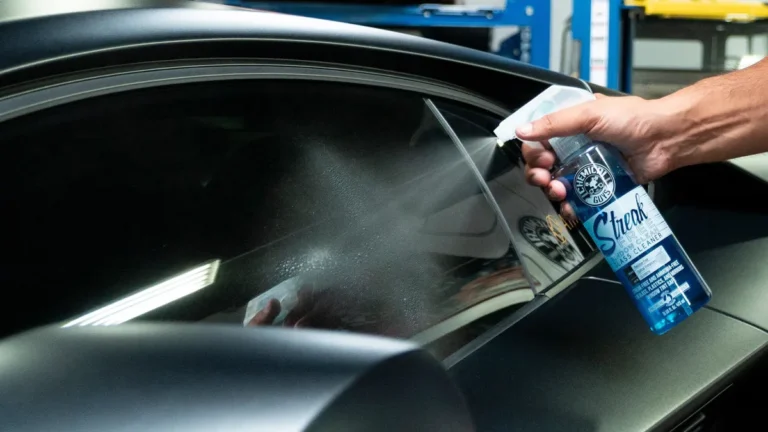
- Car glass, You need ammonia-free formulas for tinted windows and rain-repellent options for windshields.
- Glass shower doors, You need acidic cleaners that dissolve hard water minerals, not just general glass spray.
- Ceramic cooktops, You need non-abrasive formulas designed for high-heat surfaces, not standard window cleaner.
- Electronics, You need alcohol-based wipes or sprays that evaporate instantly and won't damage screen coatings.
Each of these surfaces has a different chemistry requirement. That's why the "one bottle fits all" approach fails so often.
The Quick Answer: One Cleaner Won't Do It All
If you want the shortest possible answer, here it is: Keep three different products in your cleaning caddy.
| Surface | Best Product Type | Why |
|---|---|---|
| Windows and mirrors | Ammonia-free spray with fast evaporation | Safe for all surfaces, no streaks |
| Car glass (tinted) | Ammonia-free automotive glass cleaner | Won't damage tint film |
| Glass shower doors | Acidic hard water remover | Dissolves calcium deposits |
| Ceramic cooktop | Ceramic cooktop cleaner | Non-abrasive, heat-safe |
| Electronics | 70% isopropyl alcohol spray | Evaporates instantly, safe for coatings |
That's the cheat sheet. But if you want to understand why these work and how to choose between DIY and commercial options, keep reading.
How Glass Cleaners Actually Work (And Why Some Fail)
Glass is non-porous. That means dirt doesn't soak into it. It sits on the surface.
So the job of a glass cleaner is simple: lift the dirt, suspend it so it doesn't redeposit, and then evaporate completely without leaving anything behind.
The problem is that most cleaners leave something behind.
Surfactants are the ingredients that lift dirt. They break the surface tension of water so it can get under grime. But if you use too much surfactant, it leaves a film.
That film dries into streaks. That's why spraying more product doesn't give you a better clean. It gives you more residue.
Solvents like ammonia and alcohol help the cleaner evaporate faster. Fast evaporation means less time for streaks to form. But ammonia is harsh.
It can damage tinted windows, some automotive coatings, and even the anti-reflective coating on eyeglasses.
Water quality matters more than most people realize. If your tap water is hard (high mineral content), those minerals stay behind when the water evaporates. That's the white haze you sometimes see on glass after cleaning.
Distilled water solves this problem, which is why many commercial cleaners use it as their base.
So when a cleaner fails, it's usually one of three reasons:
- Too much surfactant, leaves a film that streaks
- Wrong solvent, ammonia damages the surface
- Hard water base, minerals deposit as haze
Understanding this helps you read labels with actual knowledge instead of guessing.
The First Fork in the Road: Ammonia vs. Ammonia-Free
This is the most important decision you'll make when choosing a glass cleaner. It's not about which one cleans better. It's about what you're cleaning.
Ammonia-based cleaners (like the classic blue stuff) evaporate fast and leave a streak-free shine on plain glass. They're cheap and effective. But they have serious limitations.
- Best for: Untinted windows, mirrors, glass tabletops
- Avoid on: Tinted car windows, eyeglasses with anti-reflective coating, electronics screens, any surface with a protective coating
- Safety concern: Strong fumes, can irritate lungs and eyes. Never mix with bleach.
Ammonia-free cleaners use alcohol, vinegar, or plant-based surfactants instead. They're gentler and safer for coated surfaces. But they can leave more residue if you use too much.
- Best for: Tinted car windows, eyeglasses, electronics, homes with kids or pets
- Avoid on: Heavy grease or smoke film (alcohol-based formulas may struggle)
- Safety concern: Alcohol-based formulas are flammable. Keep away from open flames.
The rule of thumb: If you're not sure what coating is on your glass, go ammonia-free. It's safer across more surfaces. The only time you truly need ammonia is for large, untreated windows where you want maximum evaporation speed.
The Second Fork: DIY vs. Store-Bought
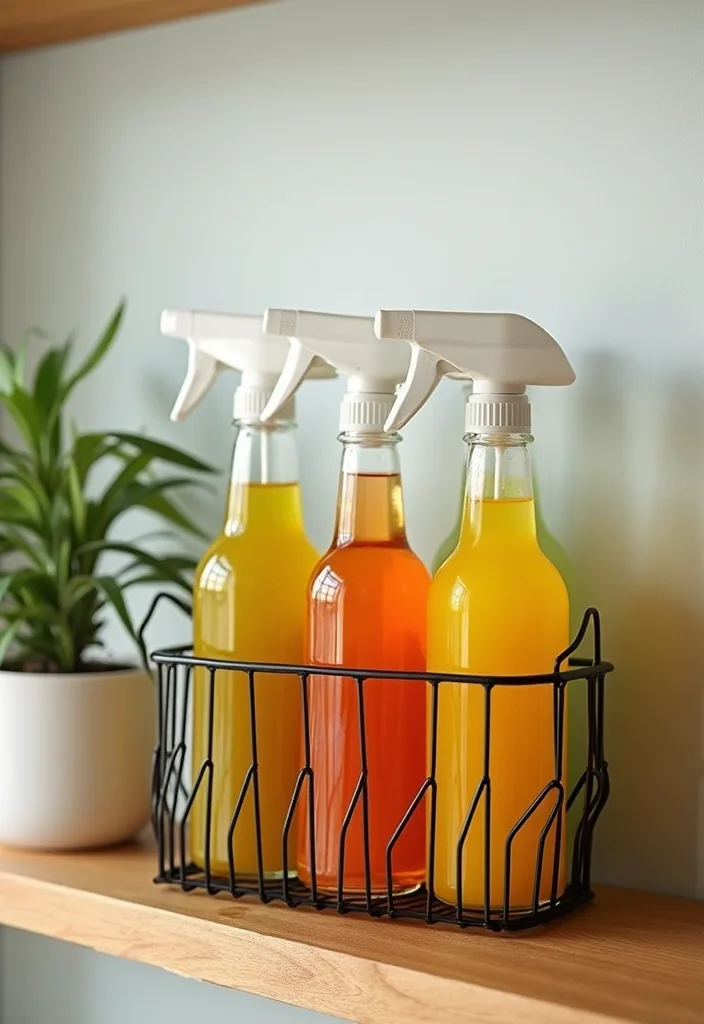
You can make an effective glass cleaner with three ingredients you probably already have. But commercial products offer convenience and consistency. Here's how they compare.
DIY vinegar solution
- 1 part white vinegar to 3 parts distilled water
- Add a drop of dish soap to break surface tension
- Cost: About $0.10 per 16 oz bottle
- Works well on: Hard water spots, general window cleaning
- Fails on: Heavy grease, smoke film, large surface areas (vinegar smell lingers)
DIY alcohol solution
- 1 part isopropyl alcohol (70% or higher) to 3 parts distilled water
- Add a drop of dish soap
- Cost: About $0.15 per 16 oz bottle
- Works well on: Fast evaporation, streak-free on mirrors, electronics
- Fails on: Hard water spots (alcohol doesn't dissolve minerals)
Commercial ammonia-free spray
- Pre-mixed, often with anti-static or anti-fog additives
- Cost: $0.50 to $1.50 per 16 oz bottle
- Works well on: Most surfaces, consistent results
- Fails on: Heavy mineral deposits (need dedicated hard water remover)
The decision: If you clean glass weekly and want the cheapest option, DIY alcohol solution is your best bet. If you clean occasionally and want guaranteed results without measuring, buy a commercial ammonia-free spray. If you have hard water stains on shower doors, skip both and buy a dedicated acidic cleaner.
Openverse / Openverse contributor
The Third Fork: Surface Type Changes Everything
This is where most people get it wrong. They buy one glass cleaner and use it on everything. Then they wonder why their shower door still looks cloudy or why their car windshield smears at night.
Let's break it down by surface.
Windows and Mirrors
Plain glass windows and mirrors are the easiest surfaces to clean. They have no special coatings (usually). They just need a cleaner that evaporates fast and leaves no residue.
Best choice: Ammonia-free spray or DIY alcohol solution. Both evaporate quickly. Both leave a streak-free finish when used with a clean microfiber cloth.
If you have large windows: A squeegee is faster than any cloth. More on that in the workflow section.
One warning: If your windows have a low-E coating (energy-efficient windows), check the manufacturer's guidelines. Some coatings react poorly to ammonia. When in doubt, go ammonia-free.
Car Glass (Tinted vs. Untinted)
Car glass is where the ammonia debate gets serious. Tinted windows use a thin film applied to the interior surface. Ammonia breaks down the adhesive that holds that film in place.
Over time, it causes bubbling, peeling, and discoloration.
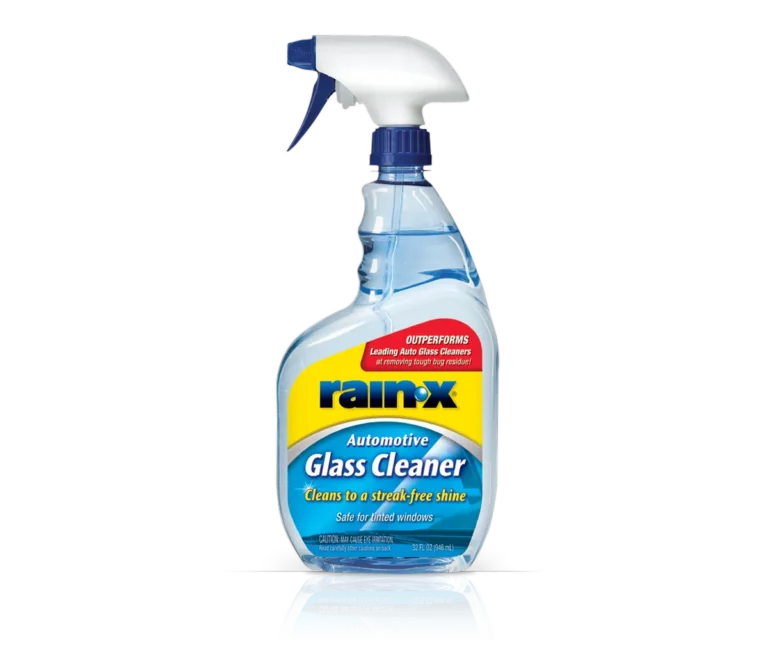
For tinted windows: Ammonia-free automotive glass cleaner only. Period. Even if you think the tint is "factory," many factory tints are actually aftermarket films applied at the dealership.
For untinted car glass: You can use standard glass cleaner, but automotive formulas often include anti-static properties that reduce dust attraction. They're worth the small premium.
For the windshield: Consider a rain-repellent coating. These products create a hydrophobic layer that makes water bead up and roll off at speed. You apply them after cleaning, and they last several weeks.
Aggregate user reviews report significantly better visibility in heavy rain.
Glass Shower Doors
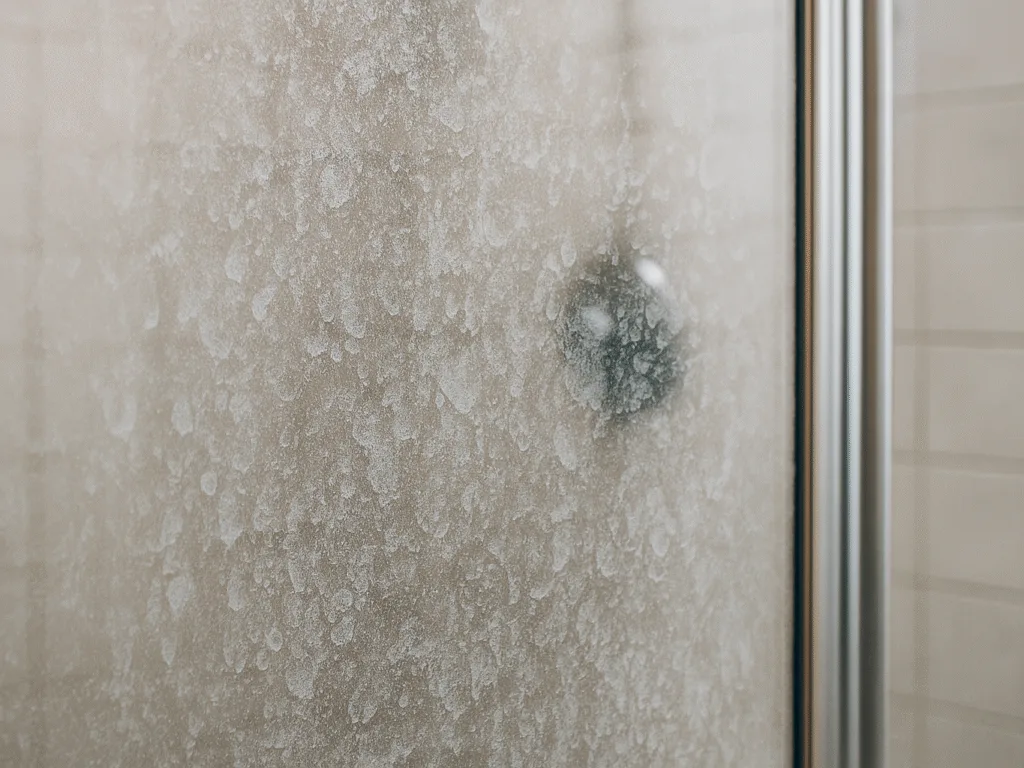
Shower doors are a completely different problem. They don't just get dirty. They get mineral deposits from hard water.
Those white, crusty spots are calcium carbonate and other dissolved solids. Standard glass cleaner won't touch them.
Best choice: A dedicated hard water remover. These are acidic formulas (often containing citric or sulfamic acid) that dissolve mineral deposits on contact.
How to use it: Spray on dry glass. Let it sit for 30 to 60 seconds. Scrub with a non-abrasive pad.
Rinse thoroughly. Dry with a microfiber cloth.
Prevention: After cleaning, apply a glass sealant or shower door protectant. These create a barrier that makes water bead up and run off instead of drying into spots. One application lasts several weeks.
Bing (Web (fair-use with source credit))
Ceramic Cooktops
Ceramic cooktops look like glass, but they're not the same material. They're a glass-ceramic composite designed to handle high heat. Standard glass cleaner can work in a pinch, but it's not ideal.
Best choice: A dedicated ceramic cooktop cleaner. These contain mild abrasives that remove burnt-on food without scratching the surface. They also leave a protective layer that makes future cleaning easier.
What to avoid: Any cleaner with ammonia or vinegar. Ammonia can damage the surface over time. Vinegar is acidic and can etch the ceramic.
Application: Apply a small amount to a cool cooktop. Buff in a circular motion with a soft cloth or non-abrasive pad. Wipe away residue with a damp cloth.
Dry thoroughly.
Electronics and Eyewear
Screens and lenses have special coatings. Anti-reflective coatings on glasses. Oleophobic (oil-repellent) coatings on phone screens.
These coatings are delicate.
Best choice: A dedicated electronics screen cleaner or 70% isopropyl alcohol spray. Both evaporate instantly and won't damage coatings.
What to avoid: Any cleaner with ammonia, vinegar, or abrasive particles. Paper towels are also a no-go. They can scratch delicate coatings.
Application: Spray onto a microfiber cloth, not directly onto the screen. Wipe gently. Never press hard.
For eyeglasses, use a lens-specific spray and a lens cloth.
The Tools Matter More Than the Spray
You can buy the best glass cleaner on the market. If you wipe it with a dirty rag, you'll still get streaks. The tool is half the equation.
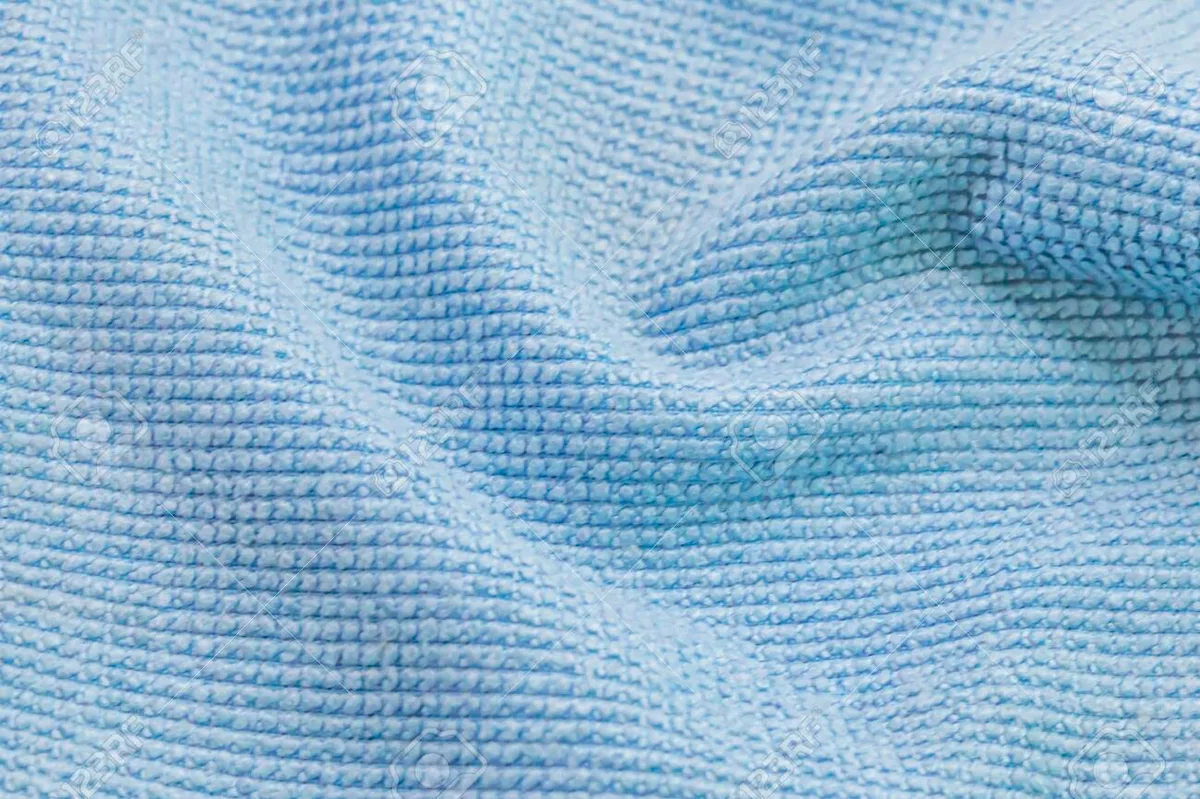
Microfiber Cloths: Which Weave for What
Not all microfiber cloths are the same. The weave determines what the cloth is good for.
| Weave Type | Best For | Why |
|---|---|---|
| Waffle weave | Windows, mirrors | Traps dirt in the pockets, leaves no lint |
| Flat weave (high GSM) | Buffing, polishing | Absorbs liquid evenly, good for final wipe |
| Plush weave (low GSM) | Electronics, lenses | Soft, won't scratch coatings |
| Knit weave | General cleaning | Good for initial wipe, less absorbent |
The golden rule: Use one cloth for applying the cleaner and a separate dry cloth for buffing. Never use the same cloth for both. The wet cloth picks up dirt.
The dry cloth removes any remaining residue.
Washing microfiber: Wash separately from cotton fabrics. Cotton lint sticks to microfiber and reduces its effectiveness. Use a mild detergent.
Never use fabric softener. Fabric softener coats the fibers and makes them less absorbent.
Bing (Web (fair-use with source credit))
Squeegees: When to Use One
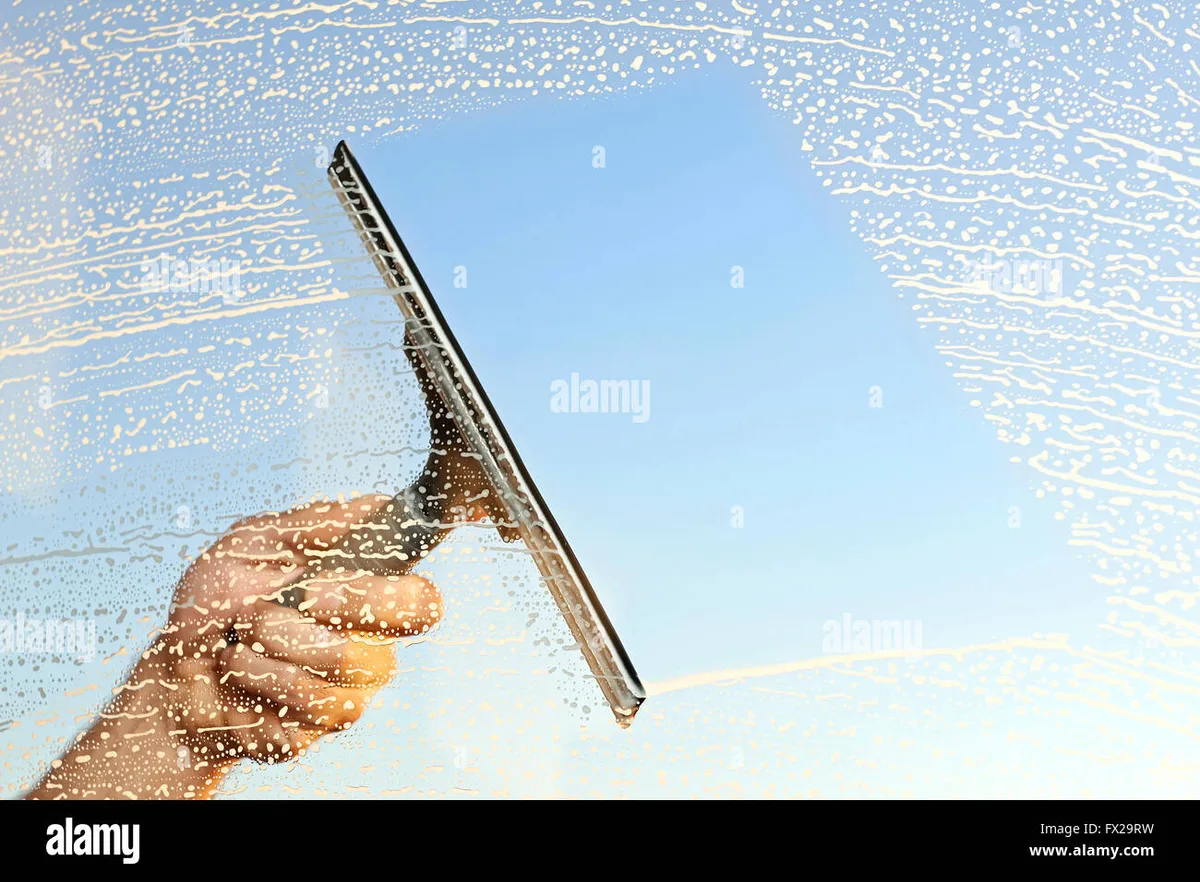
A squeegee is faster than a cloth for large windows. It also leaves fewer streaks if you use it correctly.
The right technique: Start at the top corner. Pull the squeegee across in a straight line. Overlap each pass by about an inch.
Wipe the blade dry with a cloth after each pass.
Blade maintenance: Replace the rubber blade every three to six months. A worn blade leaves streaks. You can buy replacement blades at any hardware store.
When not to use a squeegee: On small windows, mirrors, or curved surfaces. A cloth is faster and more precise.
What to Never Use on Glass
Some materials will scratch or damage glass. Avoid them completely.
- Paper towels, They contain wood fibers that can scratch glass. They also leave lint.
- Newspaper, The old trick of using newspaper works for ink absorption, but modern newspaper inks can smear and leave residue.
- Sponges with scrub pads, The green scrubby side will scratch glass.
- Dirty cloths, Any cloth that has picked up dirt, sand, or grit will scratch the surface.
- Abrasive powders, Baking soda, Bar Keepers Friend, and similar products are too harsh for glass.
The Step-by-Step Workflow for Streak-Free Glass
Here's the exact process that produces professional results. It works for windows, mirrors, and most flat glass surfaces.
Step 1: Dust first. Use a dry microfiber cloth or a duster to remove loose dust and cobwebs. If you skip this step, the dust turns into mud when you spray the cleaner.
Step 2: Spray the cleaner. Apply the cleaner to the glass, not the cloth. Two to three sprays per square foot is enough. More is not better.
Step 3: Wipe with a damp cloth. Use a waffle-weave microfiber cloth. Wipe in an S-pattern from top to bottom. This prevents streaks from forming at the edges.
Step 4: Buff with a dry cloth. Immediately after wiping, use a separate dry microfiber cloth to buff the surface. Use a circular motion. This removes any remaining residue and gives the glass its shine.
Step 5: Inspect at an angle. Look at the glass from a low angle with light hitting the surface. Streaks show up clearly from this angle. If you see any, buff them out with the dry cloth.
Bing (Web (fair-use with source credit))
For large windows with a squeegee: Follow steps 1 and 2. Then use a wet scrubber pad to spread the cleaner. Pull the squeegee across in straight lines, overlapping each pass.
Wipe the blade after each pass. No buffing needed.
Common Mistakes That Ruin a Good Clean
Even with the right products and tools, people make the same mistakes over and over. Here are the most common ones.
Using too much product. More cleaner means more residue. Two to three sprays per square foot is plenty. If you see foam or puddles, you've used too much.
Cleaning in direct sunlight. The cleaner evaporates too fast. It leaves streaks before you can buff them out. Clean in the shade or on a cloudy day.
Using a dirty cloth. A cloth that looks clean can still have embedded dirt. Wash microfiber cloths after every few uses. Replace them when they start to look worn.
Skipping the dust step. Dust turns into a gritty paste when mixed with cleaner. That paste scratches the glass. Always dust first.
Mixing cleaners. Never mix different glass cleaners together. You can create toxic fumes (ammonia + bleach) or a gummy residue that's impossible to remove.
Forgetting the edges. Dirt and cleaner residue collect at the edges of windows and mirrors. Wipe the edges with a dry cloth after cleaning the main surface.
When to Use Specialty Products (Coatings, Repellents, Polishes)
Standard glass cleaner handles everyday dirt. But some situations call for something stronger.
Rain repellents create a hydrophobic layer on car windshields. Water beads up and rolls off at speed. You apply them after a thorough cleaning.
They last several weeks. Aggregate user reviews report noticeably better visibility in heavy rain.
Anti-fog sprays prevent condensation on bathroom mirrors and car interiors. They work by reducing surface tension so water spreads into a thin film instead of forming droplets. One application lasts a few days to a week depending on humidity.
Glass polishes remove light scratches and water etching. They contain mild abrasives that smooth the surface. Use them sparingly.
Over-polishing can damage glass coatings. They're best for shower doors with years of hard water buildup.
When to skip specialty products: If you clean glass regularly and don't have hard water, you don't need them. Stick with a good spray and a microfiber cloth.
The Cost Breakdown: DIY vs. Commercial per Use
Let's put real numbers on it. Here's what you actually pay per cleaning session.
| Option | Cost per 16 oz | Uses per bottle | Cost per use |
|---|---|---|---|
| DIY vinegar solution | $0.10 | 30+ | $0.003 |
| DIY alcohol solution | $0.15 | 30+ | $0.005 |
| Commercial ammonia-free spray | $0.50 to $1.50 | 20 to 30 | $0.02 to $0.05 |
| Commercial hard water remover | $3.00 to $6.00 | 10 to 15 | $0.20 to $0.60 |
| Ceramic cooktop cleaner | $4.00 to $8.00 | 15 to 20 | $0.20 to $0.53 |
The takeaway: DIY solutions are dramatically cheaper. But they lack the additives that commercial products include. Anti-static properties, anti-fog agents, and specialized surfactants cost money to formulate.
Our recommendation: Use DIY alcohol solution for everyday window and mirror cleaning. Buy a commercial hard water remover for shower doors. Buy a ceramic cooktop cleaner for your stovetop.
That's three products total. It covers 90 percent of your glass cleaning needs.
Safety and Surface Warnings You Shouldn't Ignore
Some glass cleaning mistakes can cause real damage. Here are the ones that matter.
Never mix ammonia with bleach. This creates chloramine gas. It's toxic and can cause serious respiratory damage. Store cleaners separately and label them clearly.
Keep alcohol-based cleaners away from open flames. Isopropyl alcohol is flammable. Don't use it near gas stoves, pilot lights, or candles.
Test on an inconspicuous area first. This applies to any new cleaner on any surface. Spray a small hidden spot. Wait a few minutes.
Check for discoloration, etching, or damage.
Protect surrounding surfaces. Glass cleaner can damage wood finishes, natural stone, and painted surfaces. Use a drop cloth or hold a towel below the glass to catch drips.
Ventilate the area. Ammonia and alcohol fumes can irritate your lungs. Open a window or turn on a fan when cleaning indoors.
The Decision Guide: Pick Your Situation, Get Your Answer
Here's the final cheat sheet. Find your situation and follow the recommendation.
You have standard windows and mirrors.
Use DIY alcohol solution or commercial ammonia-free spray. Wipe with waffle-weave microfiber. Buff with a dry cloth.
You have tinted car windows.
Use ammonia-free automotive glass cleaner only. Never use standard blue cleaner.
You have hard water spots on shower doors.
Use a dedicated acidic hard water remover. Apply, wait, scrub, rinse. Follow with a glass sealant to prevent future buildup.
You have a ceramic cooktop.
Use a dedicated ceramic cooktop cleaner. Never use ammonia or vinegar. Buff gently with a non-abrasive pad.
You have electronics or eyeglasses.
Use 70% isopropyl alcohol spray or a dedicated screen cleaner. Spray on a microfiber cloth, not directly on the surface.
You want the cheapest option that still works.
Mix 1 part isopropyl alcohol with 3 parts distilled water. Add one drop of dish soap. Store in a spray bottle.
Use with clean microfiber cloths.
You want the most convenient option.
Buy a commercial ammonia-free spray. Keep a pack of waffle-weave microfiber cloths nearby. Replace the cloths every few months.
That's it. Three products, the right cloths, and a simple workflow. Your glass will look like it's not even there.