ByMax Lee
Guide to Glass Cleaning Compound
You've probably grabbed a bottle of glass cleaner off the shelf, sprayed it on a window, and ended up with streaks that look worse than the dirt you started with. That's not your fault. It's usually the wrong glass cleaning compound for the job.
The truth is, there isn't one perfect cleaner for every surface. Using the wrong one can leave haze, damage coatings, or even void a warranty on tinted windows. Manufacturer specifications indicate that ammonia-based cleaners can degrade window tint film within months.
Vinegar-based solutions can etch certain anti-reflective coatings over time. As of 2026, the market offers more options than ever, but the decision comes down to just a few key variables.
So, You've Got Dirty Glass — Now What?
Before you reach for any spray bottle, stop and look at what you're actually dealing with. Glass isn't just glass. A car window with aftermarket tint is chemically different from a shower door with years of hard water buildup.
Both are different from a glass cooktop that sees 400°F heat.
Openverse / Openverse contributor
The first step in our decision tree is simple: identify the surface. If you're cleaning a standard window or mirror with no special coating, you have the most flexibility. You can use ammonia-based cleaners, vinegar solutions, or alcohol-based sprays with equal success.
But the moment you introduce a coating like tint film, anti-reflective layer, low-E coating, or ceramic protection, your options narrow fast.
Aggregate reviews from thousands of users confirm that the biggest mistake people make is using a single cleaner for everything. That all-purpose bottle under the sink might work fine on bathroom mirrors but could ruin your car's tint in under a year. Ask yourself before you spray: is this glass bare, coated, or tinted?
The One Decision That Changes Everything: Ammonia vs. Ammonia-Free
This is the fork in the road. Ammonia is a powerful degreaser and evaporates quickly, which means fewer streaks. But it's also harsh.
It can damage window tint, eat away at certain protective coatings, and irritate your lungs in a small space without ventilation.
Ammonia-free cleaners use alcohol, surfactants, or plant-based solvents instead. They're gentler on coatings and safer for indoor use, but they can leave more residue if you don't wipe thoroughly. Here's the breakdown:
| Cleaner Type | Best For | Avoid For | Drying Speed | Streak Risk |
|---|---|---|---|---|
| Ammonia-based | Plain windows, mirrors, storefront glass | Tinted windows, coated glass, car interiors | Fast | Low (if wiped correctly) |
| Ammonia-free | Tinted windows, coated glass, homes with kids/pets | Heavy grease or smoke film | Moderate | Medium (needs good technique) |
| Vinegar-based | Hard water spots, shower doors, eco-friendly homes | Anti-reflective coatings, some cooktops | Slow | Medium (can leave film if too concentrated) |
| Alcohol-based | Fast-drying needs, cold weather, car windshields | Some tint films (check warranty) | Very fast | Low |
If you're still unsure, go ammonia-free. It's the safest default for most situations. You can always switch to something stronger for specific jobs.
First Question: Is This Glass Tinted or Coated?
This is the single most important question in the entire decision tree. If the answer is yes, your cleaner choices shrink dramatically.
Bing (Web (fair-use with source credit))
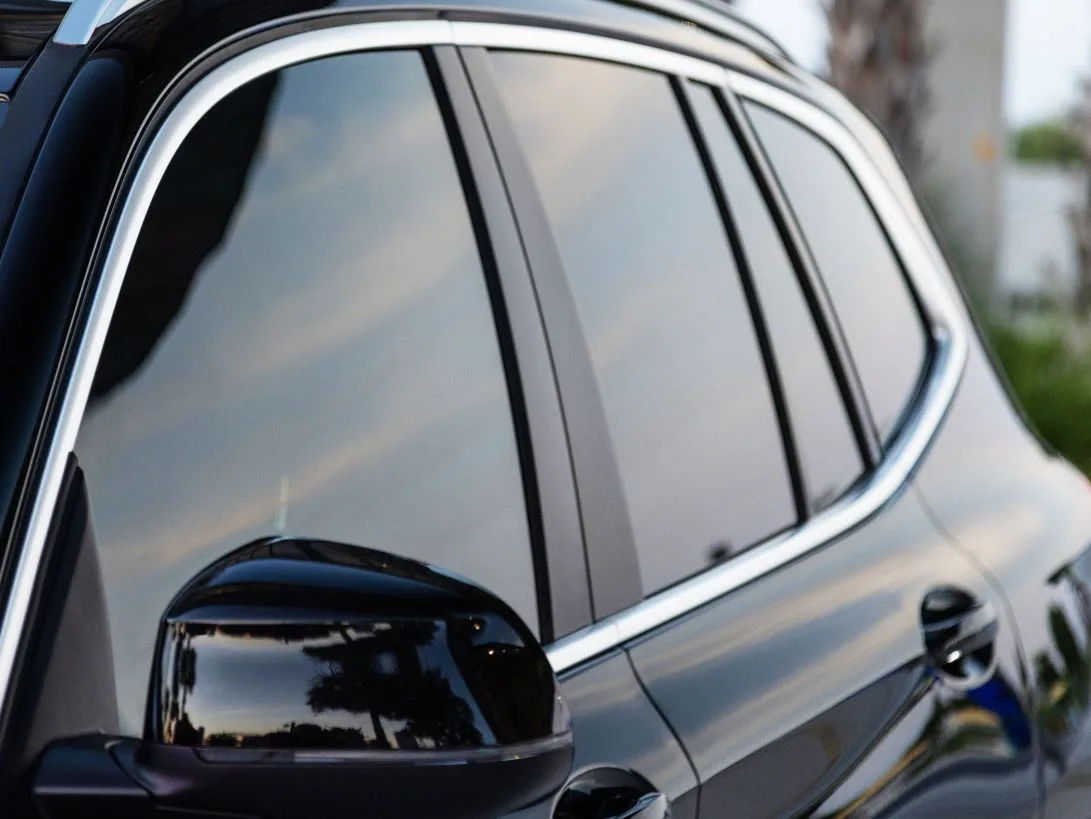
Tinted windows, whether on a car, a home, or an office, have a thin film applied to the glass. That film is sensitive to ammonia and, in some cases, alcohol. Most window tint manufacturers explicitly warn against ammonia-based cleaners in their warranty documentation.
Use one, and you risk bubbling, discoloration, or peeling within months.
The same goes for coated glass. Modern windows often come with low-E coatings that reflect heat. Anti-reflective coatings on picture frames or display cases are even more delicate.
Vinegar, which is acidic, can slowly etch these coatings over repeated use.
Here's the rule: if you know the glass has a coating or tint, use only ammonia-free, pH-neutral cleaners. If you're not sure, test a small hidden area first. Spray, wait 30 seconds, and wipe.
If the surface changes color or texture, stop immediately and switch to a gentler product.
For car owners, this is especially important. If you've recently had your windows tinted, check the installer's aftercare instructions. Many recommend waiting 30 days before cleaning at all, and then only using a specific type of cleaner.
Our research shows that using the wrong compound on tinted car windows is one of the most common reasons for premature tint failure.
Second Question: What Are You Actually Cleaning Off?
Not all dirt is the same. The type of soil on your glass determines which cleaner will work best.
Bing (Web (fair-use with source credit))
Grease and fingerprints
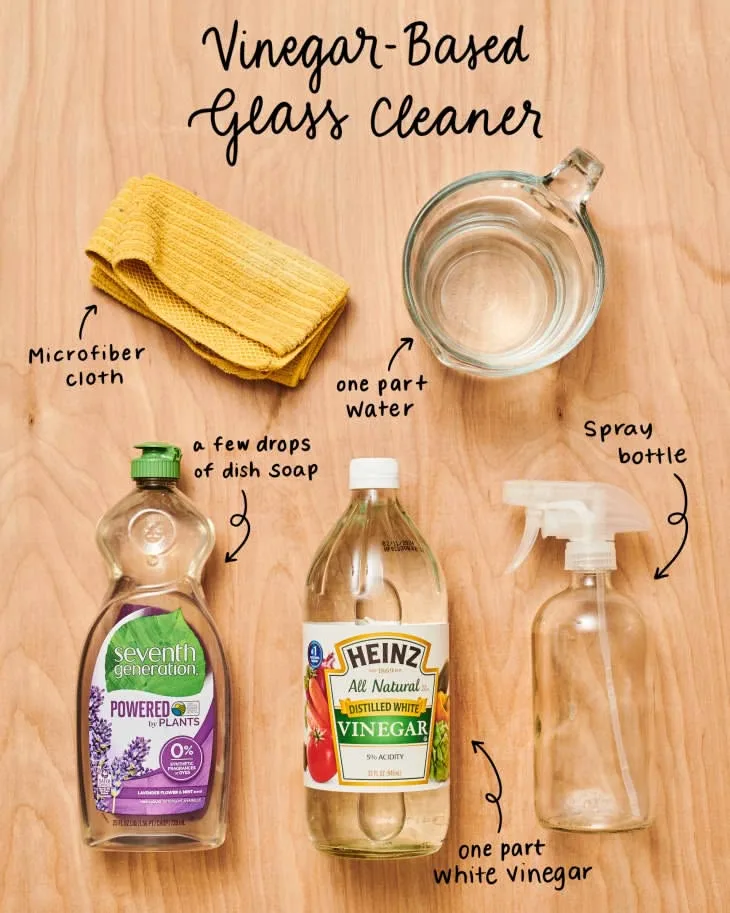
Kitchen windows, glass tabletops, and car interiors get greasy. Dish soap cuts grease better than almost anything. A few drops of liquid dish soap mixed with water in a spray bottle works wonders.
Just don't overdo it. Too much soap leaves a film that's harder to remove than the grease itself.
Hard water mineral deposits
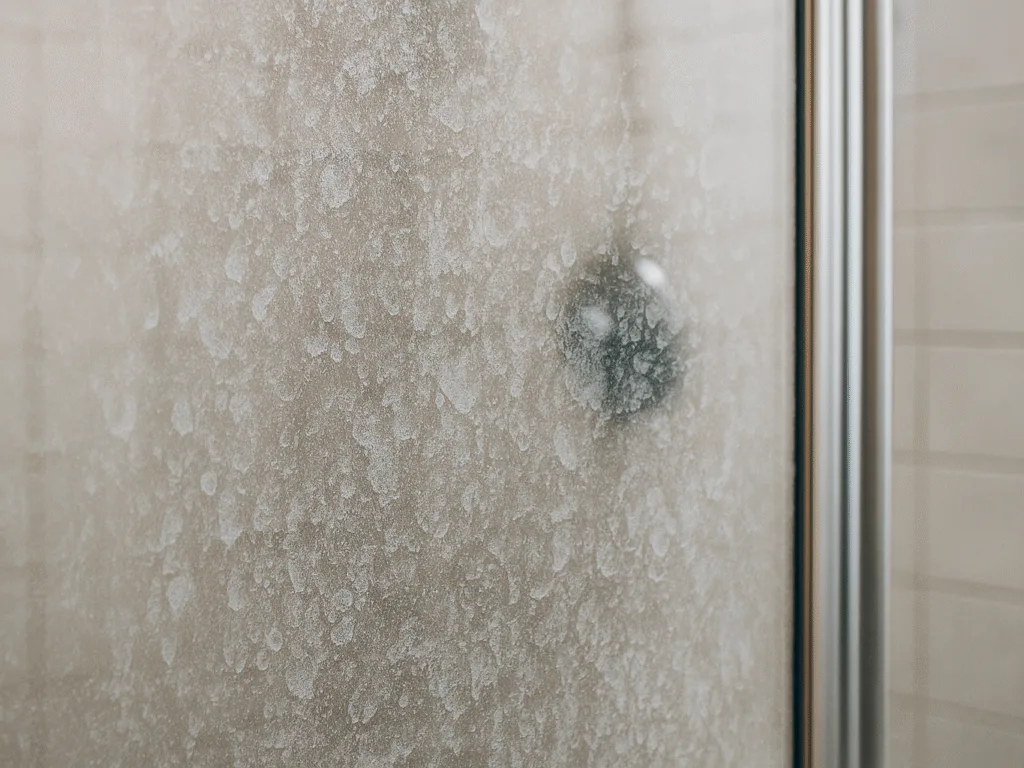
Shower doors and windows near sprinklers develop white, crusty spots that won't budge with regular cleaner. These are calcium and magnesium deposits. Vinegar dissolves them because it's acidic.
A 1:1 vinegar-to-water solution left on for a few minutes breaks down the minerals. For stubborn spots, you might need a dedicated hard water stain remover.
Dust and light soil
This is the easiest job. A quick spray of any glass cleaner and a dry microfiber cloth is all you need. Alcohol-based cleaners work especially well here because they evaporate fast and leave no residue.
Soap scum and shower film
Shower doors accumulate a mix of soap residue, body oils, and minerals. This requires a degreasing agent plus an acid. A vinegar-and-dish-soap combo works well.
Spray it on, let it sit for a minute, then scrub with a non-abrasive pad before wiping clean.
How to Pick the Right Cleaner Based on Your Answers
Now that you know your glass type and what you're cleaning, here's the decision tree in plain language.
Branch 1: Plain windows or mirrors (no tint, no coating)
You have the most options here. Ammonia-based cleaners work great and dry fast. Alcohol-based sprays are also excellent.
Homemade vinegar solutions are fine but may require more buffing. Use whatever you prefer, just make sure you wipe with a clean, lint-free microfiber cloth.
Branch 2: Tinted car windows or privacy film
Ammonia-free only. Check the label before buying. Many commercial "ammonia-free" cleaners still contain alcohol, which some tint films also dislike.
Look for products specifically labeled as safe for window tint. If you're mixing your own, use a few drops of dish soap in distilled water. That's the safest option.
Branch 3: Shower doors with hard water buildup
Vinegar is your friend here. A 1:1 vinegar-water solution applied with a spray bottle and left for 2-3 minutes will dissolve most mineral deposits. For heavy buildup, use undiluted vinegar.
Rinse thoroughly afterward, then dry with a squeegee to prevent new spots from forming.
Branch 4: Glass cooktops and stovetops
These are a special case. Cooktops are made of ceramic glass that can scratch easily. Never use ammonia or vinegar.
Both can damage the surface over time. Use a dedicated glass cooktop cleaner and a soft cloth. For burnt-on food, let the cleaner sit for a few minutes before wiping.
Branch 5: Glassware and display cases
For drinking glasses, a drop of dish soap in warm water is all you need. For display cases, use an alcohol-based cleaner on a microfiber cloth. Spray the cloth, not the glass, to avoid overspray on surrounding surfaces.
Homemade vs. Commercial: When Each Makes Sense
This is where a lot of people get stuck. You can spend $5 on a bottle of commercial cleaner or mix something up from ingredients under your sink. Both work, but they work best in different situations.
Bing (Web (fair-use with source credit))
Commercial cleaners have one big advantage: consistency. The surfactant blend, pH balance, and evaporation rate are engineered to work together. You don't have to guess whether your vinegar-to-water ratio is right.
Brands spend money on formulation so you don't have to think about it.
Homemade solutions win on cost and control. A batch of vinegar and water costs pennies. You can adjust the strength depending on what you're cleaning.
And you know exactly what's in it, which matters if you're avoiding ammonia or fragrances.
| Factor | Commercial | Homemade |
|---|---|---|
| Cost per use | $0.10–$0.30 | <$0.01 |
| Streak control | Engineered for low residue | Depends on ratio and technique |
| Safety for coatings | Check label | You control ingredients |
| Convenience | Spray and go | Mix and store |
| Shelf life | 1–2 years | 1–2 months |
| Grease cutting | Excellent (ammonia or alcohol) | Good (vinegar + soap) |
| Hard water removal | Specialized products available | Vinegar works well |
If you clean glass weekly and want zero fuss, commercial is the better choice. If you clean occasionally, have specific surface concerns, or want to save money, homemade works perfectly fine.
The key with homemade is using distilled water. Tap water contains minerals that leave spots. Mix one part white vinegar with one part distilled water, add a drop of dish soap, and you've got a solid all-purpose glass cleaner.
For a faster-drying version, substitute rubbing alcohol for half the water.
The Quick Cheat Sheet: What to Use for Each Situation
Let's put it all together in one place. This is the decision tree in its simplest form.
Plain windows and mirrors
Use any commercial glass cleaner or a 1:1 vinegar-water mix. Wipe with microfiber. Done.
Tinted car windows
Use ammonia-free cleaner only. Or mix a few drops of dish soap with distilled water. Never use vinegar or ammonia.
Shower doors with hard water spots
Use undiluted white vinegar. Let it sit for 2-3 minutes. Scrub with a non-abrasive pad.
Rinse and squeegee.
Glass cooktops
Use a dedicated cooktop cleaner. Never use vinegar, ammonia, or abrasive pads. The surface scratches easily.
Car windshields (exterior)
Use an alcohol-based cleaner or a dedicated automotive glass cleaner. It evaporates fast and handles road grime well.
Picture frame glass and display cases
Spray cleaner onto a microfiber cloth, not directly onto the glass. This prevents liquid from seeping into the frame edges.
Glass tables and tabletops
Use any ammonia-free cleaner. Spray lightly and wipe with a dry microfiber cloth to avoid streaks.
Oven door glass
Use a degreasing dish soap solution first. Follow with a vinegar wipe to remove any residue. Avoid ammonia near the heating elements.
Common Mistakes That Ruin a Perfectly Good Glass Cleaner
Even with the right compound, bad technique can leave you with a mess. Here are the mistakes we see most often.
Using paper towels or old rags
Paper towels leave lint. Old t-shirts leave fibers. Microfiber cloths are the only thing that works best.
Use a clean one every time. A dirty cloth just moves grease around.
Spraying directly onto hot glass
If the glass is warm from sunlight or a hot stove, the cleaner evaporates before you can wipe it. You end up with a hazy film. Let the glass cool first.
Mixing vinegar with castile soap
Castile soap is alkaline. Vinegar is acidic. They neutralize each other.
You end up with a cloudy, ineffective mess. Stick to plain dish soap if you're adding anything to vinegar.
Overusing product
More cleaner does not mean cleaner glass. It means more residue to wipe off. Two or three sprays per window is plenty.
For small mirrors, one spray is enough.
Ignoring the test spot
If you're trying a new cleaner on a coated or tinted surface, test it first. Spray a small hidden area. Wait 30 seconds.
Wipe and inspect. If the surface changes, you just saved yourself a costly mistake.
Wiping in circles
Circular motions leave swirl marks and make streaks more visible. Use an S-pattern or vertical strokes. It's easier to see where you've been and where you haven't.
How to Actually Wipe for a Streak-Free Finish
Technique matters more than the cleaner. You can use tap water and a good cloth and get better results than someone using a premium cleaner with a paper towel.
Microfiber cloth technique
Use two cloths. One damp for cleaning, one dry for buffing. Fold each cloth into quarters so you have eight clean surfaces.
Flip to a fresh side as soon as it gets dirty. Never reuse a cloth that's picked up grease or heavy soil without washing it first.
Squeegee method for large windows
Wet the glass with your cleaner. Run the squeegee across the top, then pull it down in overlapping vertical strokes. Wipe the blade with a clean cloth after each pass.
This is the fastest way to clean large windows without streaks.
The S-pattern vs circular motion
Start at the top left. Wipe in an S-curve across the glass, working your way down. Each pass overlaps the previous one by about an inch.
This pattern ensures you don't miss spots and keeps streaks running vertically, which is less noticeable.
Drying time matters
If you're cleaning in high humidity, glass dries slowly and streaks more easily. Work in smaller sections. Wipe each section dry immediately after applying the cleaner.
Don't let it air dry.
Final buff
After the glass looks clean, go over it with a dry microfiber cloth. This removes any invisible residue and gives you that crystal-clear finish. It takes an extra 30 seconds and makes a noticeable difference.
When a Glass Cleaner Won't Cut It — Time for a Polish or Restorer
Plain cleaners only remove surface dirt. If you're dealing with etched glass, scratches, or haze that won't wipe off, no spray cleaner will fix it. That's when you need a glass polish or restoration product.
Glass polish is an abrasive compound that removes a thin layer of the surface. It's used for water-etched shower doors, light scratches, and oxidation on older windows. These products require a buffer or significant elbow grease.
They're not for regular cleaning.
How do you know if you need polish instead of cleaner? Run your fingernail across the surface. If you feel a ridge, that's a scratch.
If it's smooth but cloudy, that's etching or mineral buildup that cleaner won't touch. For etching, a cerium oxide-based polish is the standard solution.
For most people, this is a once-every-few-years job. Regular cleaning with the right compound prevents the buildup that leads to etching in the first place. If you're dealing with persistent hard water spots on your car, a hard water softener for washing car can stop the problem before it starts.
Real-Life Scenarios: Walking Through the Decision
Let's run through three common situations and see how the decision tree plays out.
Scenario A: "My car windows look greasy after using the drive-thru cleaner."
Drive-thru car washes often use harsh chemicals and leave a residue. You need an ammonia-free cleaner designed for automotive glass. Mix a few drops of dish soap with distilled water in a spray bottle.
Wipe with a clean microfiber cloth. Avoid any product containing ammonia if your windows are tinted. For exterior windows, an alcohol-based spray works well and handles road film quickly.
Scenario B: "Our new house has windows that spot up every time it rains."
This is almost always hard water from sprinklers or mineral-rich rainwater. A vinegar solution will remove the existing spots. Use a 1:1 ratio, spray heavily, and let it sit for a few minutes before wiping.
To prevent future spots, rinse windows with distilled water after rain or adjust your sprinklers so they don't hit the glass. If the mineral deposits are thick, you may need a dedicated hard water stain remover.
Scenario C: "I want something natural for inside the house, but it needs to actually work."
A vinegar-and-water solution with a drop of dish soap is your best bet. Use distilled water to avoid mineral spots. Apply with a microfiber cloth, not paper towels.
Buff dry with a second cloth. It won't dry as fast as an alcohol-based commercial cleaner, but it's non-toxic and costs almost nothing. Just avoid using it on natural stone countertops or any glass with an anti-reflective coating.
FAQs About Glass Cleaning Compounds
Can I use Windex on tinted windows?
No. Most Windex formulas contain ammonia, which damages window tint. Use an ammonia-free cleaner specifically labeled as safe for tinted windows.
A simple dish soap and water solution is the safest alternative.
Is vinegar safe for all glass?
No. Vinegar is acidic and can etch anti-reflective coatings, some low-E coatings, and ceramic glass cooktops over time. It's safe for plain glass, shower doors, and most windows.
Test a small area first if you're unsure.
Why does my homemade cleaner leave streaks?
Three common reasons. You're using too much soap. You're using tap water with high mineral content.
Or you're not buffing dry with a clean microfiber cloth. Use distilled water, keep the soap to a few drops per quart, and always finish with a dry cloth.
What's the best way to clean shower glass weekly?
Use a squeegee after every shower. That alone prevents most hard water spots. For weekly cleaning, spray with a 1:1 vinegar-water solution, let it sit for a minute, scrub gently with a non-abrasive pad, and rinse.
Dry with a microfiber cloth or squeegee.
Should I use distilled water in my homemade mix?
Yes. Tap water contains calcium and magnesium that leave spots as the water evaporates. Distilled water costs about a dollar per gallon and eliminates this problem entirely.
It's the single easiest way to improve your homemade cleaner.
Your Final Decision Guide: Which Glass Cleaner Should You Use Right Now?
Here's the bottom line. Look at your glass. Ask two questions.
Is it coated or tinted? What type of dirt am I cleaning?
For plain glass with light dust, any commercial cleaner or a simple vinegar solution works. Use good technique and you'll get streak-free results every time.
For tinted or coated glass, go ammonia-free. Your safest bet is a few drops of dish soap in distilled water. It's cheap, gentle, and effective.
For hard water spots on shower doors, vinegar is your tool. Just don't let it sit on coated glass surfaces for too long.
For glass cooktops, never use vinegar or ammonia. Stick to a dedicated cooktop cleaner.
And if you're washing your car, the same rules apply. Use the right cleaner for the surface. Check your tint warranty.
And if you're dealing with water spots, consider a hard water softener for washing car to save yourself the hassle.
The right glass cleaning compound is the one that matches your specific situation. Now you know how to pick it.