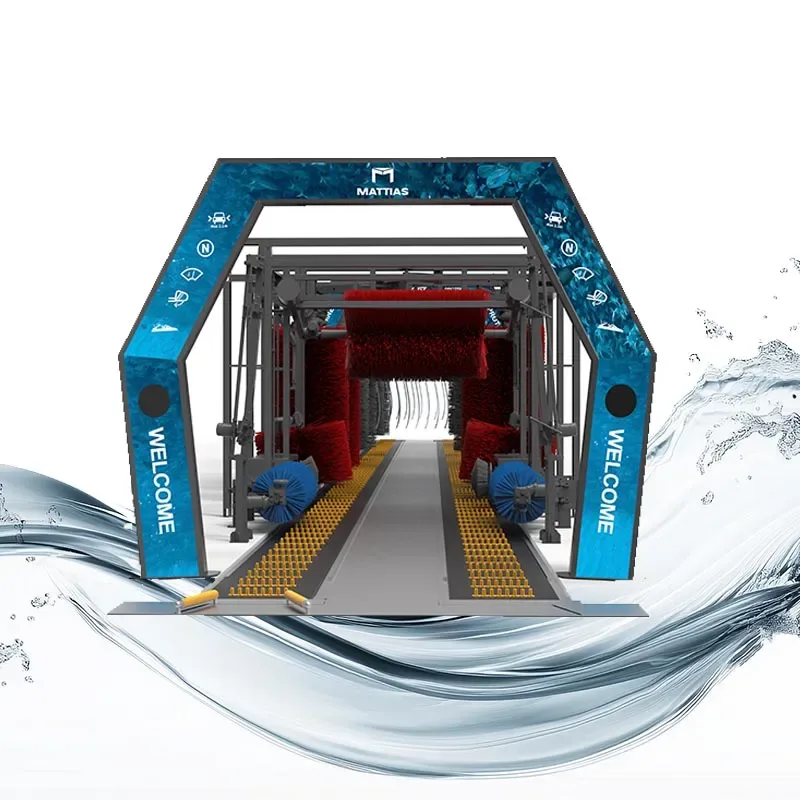
ByMax Lee
Best Automatic Car Wash for Safe Paint Protection
Image source: Bing (Web (fair-use with source credit))
Finding the best automatic car wash for safest n paint isn’t just about convenience, it’s about avoiding the swirl marks and scratches that ruin your finish. Many drivers assume all automatic washes are equal, but the wrong type can leave permanent damage.
Per International Carwash Association standards, water pressure above 1,200 PSI or abrasive brushes can strip clear coat over time. So which systems actually protect your paint?
Quick Answer
The best automatic car wash for safest n paint is a touchless system with high-pressure water jets. Soft-cloth washes are the next best option if they use microfiber strips. Avoid traditional brush car washes with stiff nylon or boar’s hair.
Always check for pH-balanced soap and spot-free rinse options.
Why Automatic Car Washes Can Risk Your Paint (And When They Don’t)
Automatic car washes save time, but not all are gentle on your paint. The problem starts with the cleaning method: brushes, cloth strips, or high-pressure water each interact differently with your clear coat.
Touchless systems use water jets at 800–1,200 PSI to blast dirt away without physical contact. Soft-cloth systems rely on microfiber or foam strips that glide over the surface. Traditional brush washes, especially with worn or dirty bristles, can drag debris across your paint and cause swirl marks.
The drying stage matters too. Air blowers can leave water spots if the water isn’t filtered, while manual drying with dirty towels can introduce new scratches.
In practice, even a well-maintained soft-cloth wash can accumulate grit over a busy weekend, so timing your visit during off-peak hours can reduce the risk of cross-contamination from previous vehicles.
How Automatic Car Washes Actually Work (And Where the Damage Happens)
An automatic car wash follows a sequence: pre-soak, soap application, scrubbing (if applicable), rinse, and dry. The risk to your paint depends on the scrubbing stage.
In brush washes, rotating nylon or boar’s hair brushes can trap grit and scratch the surface. Soft-cloth systems use hanging microfiber strips that are gentler but still require regular cleaning to avoid abrasion. Touchless systems skip physical contact entirely, relying on chemicals and pressure to clean.
A common mistake is assuming that a "soft" brush wash is automatically safe—without seeing the maintenance logs, you can’t know how often the brushes are cleaned or replaced.
Touchless vs. Soft-Cloth vs. Brush: The Paint-Safety Breakdown
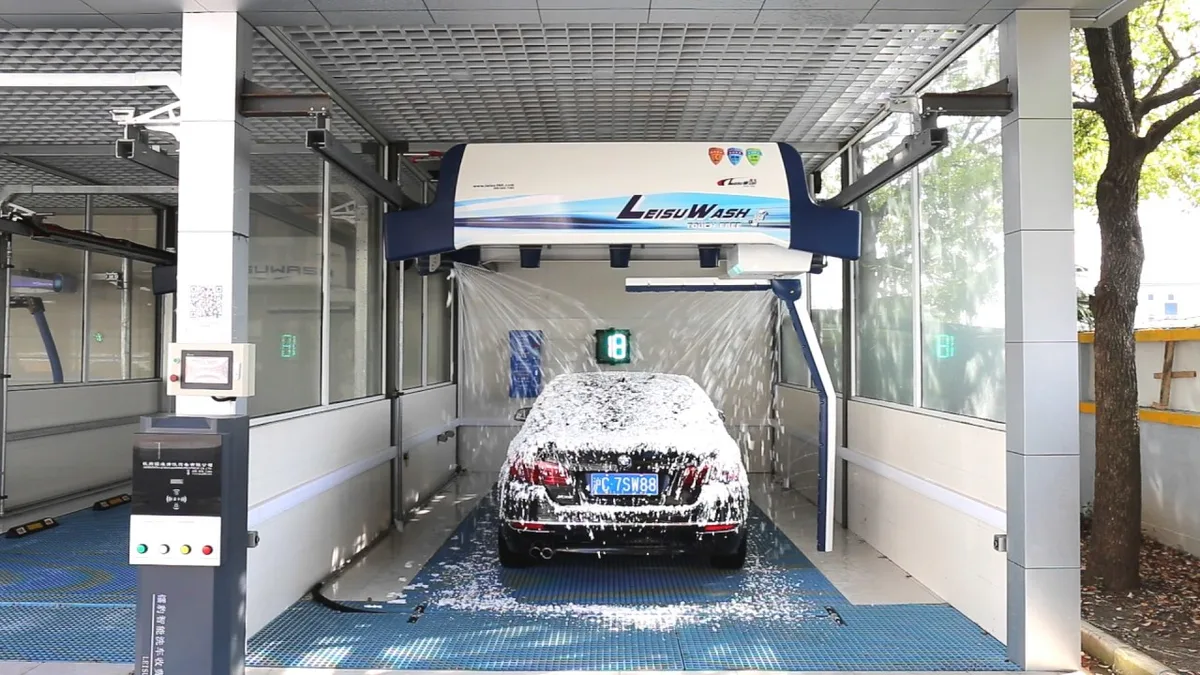
High-pressure jets in a touchless system remove dirt without physical contact
Touchless car washes are the safest for paint. They use high-pressure water (typically 1,000–1,200 PSI) and strong detergents to remove dirt without touching the surface. This eliminates the risk of scratches from brushes or cloths.
However, they may struggle with caked-on grime, and the chemicals can be harsh on some finishes if not properly diluted.
Soft-cloth car washes use microfiber or foam strips that gently wipe the car. These are safer than brushes but still pose a risk if the cloths aren’t cleaned regularly. Dirt trapped in the strips can cause fine scratches over time.
Brush car washes are the riskiest for paint. Traditional nylon or boar’s hair brushes can hold dirt and debris, dragging them across your clear coat. Even if the brushes are labeled as "soft," they can cause swirl marks and micro-scratches with repeated use.
| Type | Paint Safety | Cleaning Power | Best For |
|---|---|---|---|
| Touchless | Highest | Moderate | Daily drivers, luxury cars |
| Soft-cloth | High | Good | Regular maintenance |
| Brush | Low | High | Heavy dirt, fleet vehicles |
For vehicles with a clogged intake, pre-wash rinsing at home can remove loose debris before an automatic wash, reducing the risk of embedded grit causing damage.
What to Look for in a Paint-Safe Automatic Car Wash
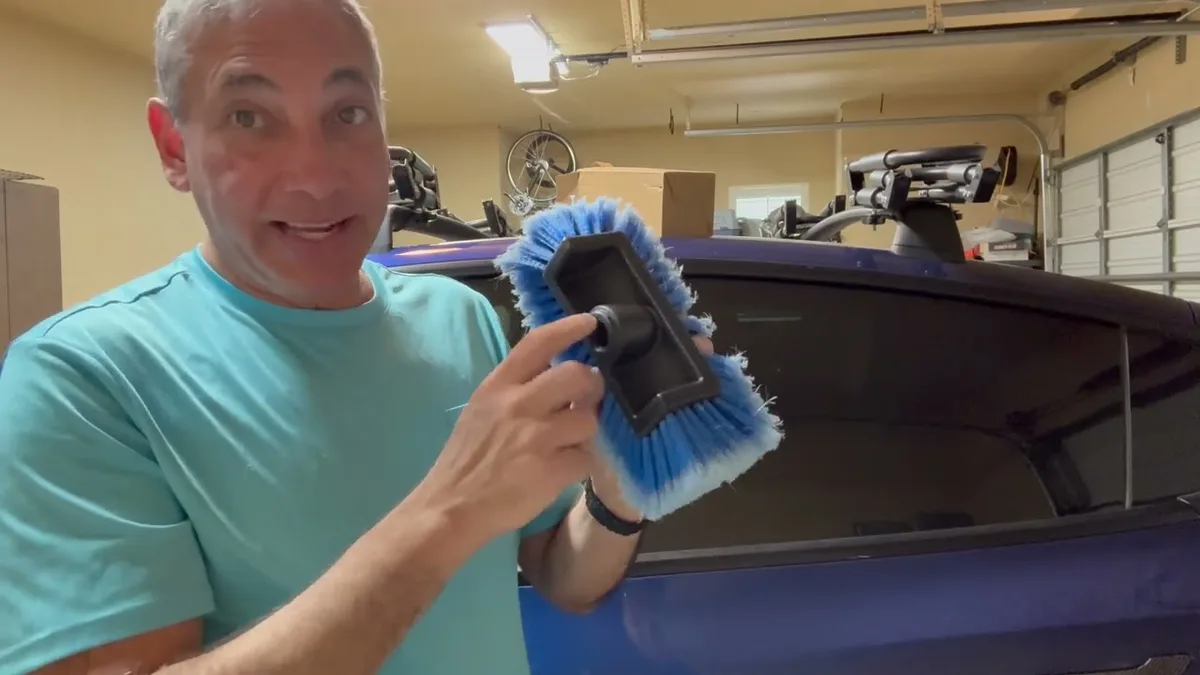
Microfiber strips in a soft-cloth system require regular cleaning to stay paint-safe
Not all automatic car washes are created equal. To protect your paint, prioritize these features:
- Touchless or soft-cloth system: Avoid traditional brush washes entirely.
- pH-balanced soap: Harsh detergents can strip wax and damage clear coat over time.
- Spot-free rinse: Hard water leaves mineral deposits that can etch into paint.
- Regular maintenance: Dirty materials are a leading cause of swirl marks.
- Drying method: Air blowers are safer than manual drying with potentially dirty towels.
- Water pressure: For touchless systems, 800–1,200 PSI is ideal.
For industry standards, refer to guidelines from the International Carwash Association.
Using a reliable machine for pre-wash foam application at home can complement automatic washes by loosening stubborn contaminants before the main wash cycle.
The Hidden Risks: What Most Car Washes Get Wrong
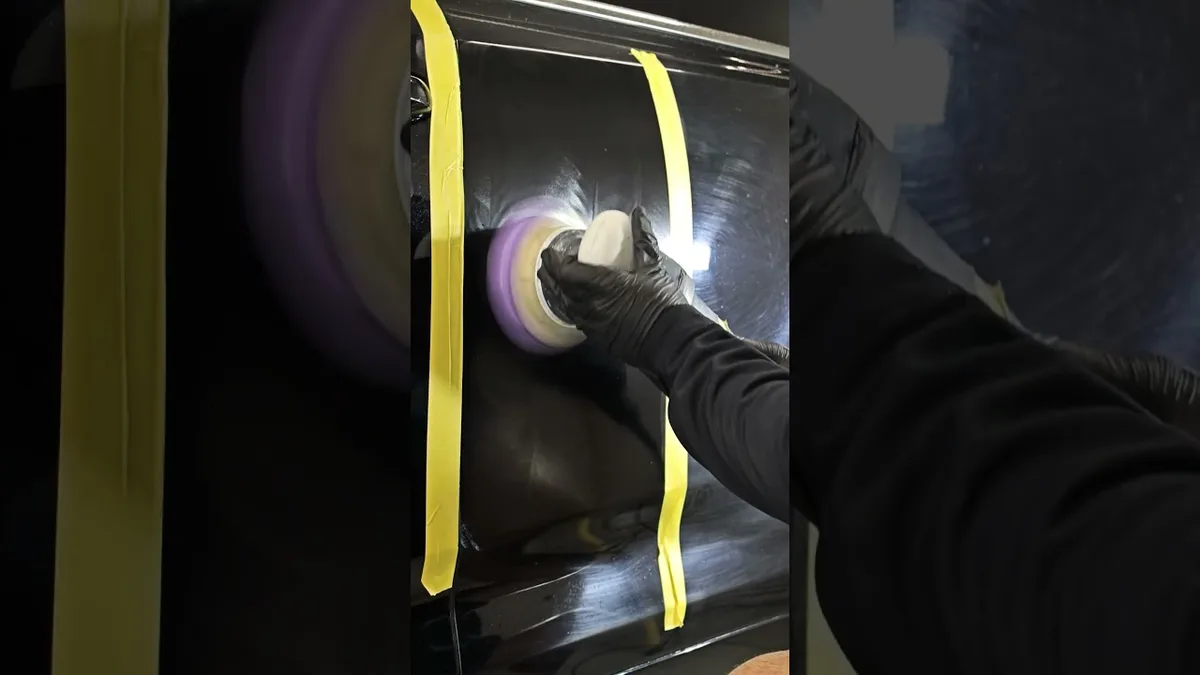
Fine swirl marks under direct sunlight, often caused by dirty wash materials
Dirty brushes and cloths are the biggest culprits. Even soft materials can trap grit and drag it across your paint, creating swirl marks. These fine scratches are most visible under direct sunlight and can require professional polishing to remove.
Harsh chemicals are another issue. Some car washes use strong detergents that strip wax and weaken clear coat over time. pH levels outside the 6–8 range can accelerate paint damage.
Poor drying techniques also cause problems. Hard water leaves mineral deposits that etch into paint if not rinsed properly.
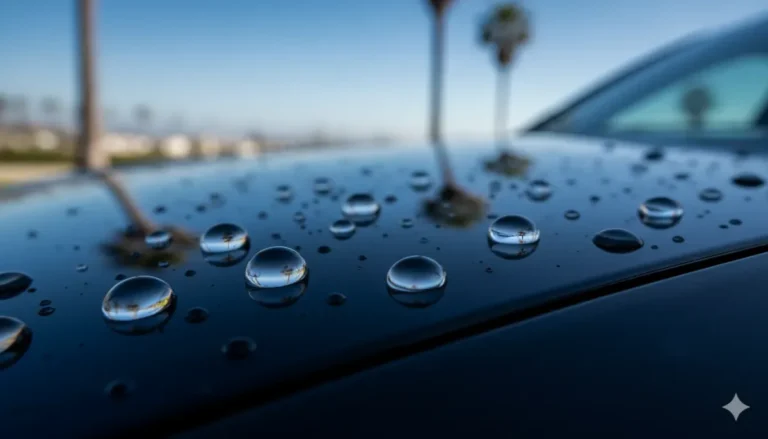
For black cars, swirl marks and water spots are especially noticeable, making paint-safe wash selection even more critical.
Best Automatic Car Wash for Your Car Type
Luxury and classic cars need touchless systems. Their paint is often softer and more prone to swirl marks.
Daily drivers can use soft-cloth washes with microfiber strips. These are gentler than brushes but still require regular maintenance.
Fleet vehicles and work trucks often need brush washes for heavy dirt. If you must use one, opt for foam brushes over nylon or boar’s hair.
Ceramic-coated cars benefit from touchless washes. The coating adds a protective layer, but abrasive brushes can still wear it down over time.
Step-by-Step: How to Use an Automatic Car Wash Without Damaging Paint
Prep your car before entering. Remove loose dirt with a quick rinse or by hand.
Choose the gentlest cycle available. Avoid high-pressure options unless you’re certain the system is touchless.
Inspect the equipment. Look for clean, well-maintained brushes or cloths. If they appear dirty or worn, skip that wash.
Rinse immediately after if needed. Some automatic washes leave residue.
For optimal results, use the correct fluid level in your pre-wash foam cannon to ensure thorough contamination removal before the automatic wash.
Costs: What You’ll Pay for a Safe Wash
Basic touchless washes start around $10–$15. These typically include a pre-soak, high-pressure rinse, and air dry.
Soft-cloth washes range from $12–$20. The price varies based on the number of cloth passes and drying quality.
Brush washes are usually the cheapest at $5–$12. However, the long-term cost of paint correction can far exceed the savings.
Memberships can save money if you wash frequently. Many facilities offer unlimited washes for $20–$40 per month.
Maintenance: How to Keep Your Paint Protected Between Washes
Wash your car every two weeks. Dirt and grime build up over time, increasing the risk of scratches during automatic washes.
Apply wax or sealant every 3–6 months. This adds a protective layer that helps repel dirt and water.
Use a spray-on detailer between washes. These products add a temporary protective layer and enhance shine.
Park in shaded areas. UV rays break down clear coat over time, making it more susceptible to damage.
Common Mistakes That Ruin Paint at Automatic Car Washes
Using the wrong wash type for your finish is a frequent error. Matte or satin wraps require touchless systems only.
Skipping the pre-rinse is another mistake. Loose dirt and debris can turn into abrasives during the wash cycle.
Ignoring maintenance schedules at the wash facility can be costly. Brushes and cloths that aren’t cleaned or replaced regularly accumulate grit.
Overlooking the drying process leaves your paint vulnerable. Water spots from hard water can etch into clear coat if not removed promptly.
Additional Paint Protection Strategies
Pre-Wash Preparation
Before entering an automatic wash, perform a thorough pre-rinse at home. This removes loose contaminants that could otherwise be ground into your paint during the wash cycle. A pressure washer with a 40-degree nozzle at a safe distance (12–18 inches) is ideal for this step.
Post-Wash Care
After the automatic wash, consider a quick detail spray application. This adds a hydrophobic layer that helps water bead off, reducing the chance of water spots forming. For best results, use a product specifically formulated for your vehicle’s finish type.
Seasonal Considerations
In winter, road salt and grime accumulate quickly. During these months, increase wash frequency to every 7–10 days if possible. In summer, tree sap and bug splatter require prompt removal—don’t wait for your next scheduled wash if you notice these contaminants.
DIY Touch-Ups
For minor swirl marks that do appear, a quality polishing compound can restore clarity. Always test on a small, hidden area first and follow up with a protective wax or sealant. For deeper scratches, professional correction may be necessary.
How to Identify a High-Quality Automatic Car Wash
Not all touchless or soft-cloth washes are equal. Look for these signs of a well-maintained facility:
- Cleanliness: The wash bay should be free of visible dirt and debris.
- Equipment condition: Inspect the wash materials—microfiber strips should look clean, not gray or matted.
- Water quality: Ask if they use filtered or softened water for the final rinse.
- Chemical selection: Facilities that advertise pH-balanced soaps and wax-included options typically take paint protection seriously.
- Staff knowledge: Employees should be able to explain their wash process and maintenance schedule.
The Role of Water Quality in Paint Protection
Hard water contains minerals like calcium and magnesium that can leave deposits on your paint. These minerals don’t just create unsightly spots—they can etch into your clear coat over time. The best automatic car washes use:
- Reverse osmosis systems for spot-free rinsing
- Deionized water in the final rinse stage
- Regular filter changes to maintain water purity
If your local washes don’t offer these features, consider rinsing your car with distilled water at home after the automatic wash to prevent mineral deposits.
Ceramic Coating and Automatic Car Washes: Special Considerations
Ceramic coatings provide excellent protection but aren’t invincible. While they resist scratches better than standard clear coat, they can still be damaged by:
- Abrasive brushes that wear down the coating prematurely
- Harsh chemicals that degrade the hydrophobic properties
- Improper drying that leaves water spots under the coating
For ceramic-coated vehicles, stick to touchless washes and avoid any wash that uses acidic or alkaline cleaners outside the 6–8 pH range. After washing, apply a ceramic coating maintenance spray to refresh the hydrophobic properties.
Environmental Impact and Paint-Safe Washing
Many modern automatic car washes implement water recycling systems, which can be both eco-friendly and paint-safe when properly maintained. Look for facilities that:
- Use biodegradable soaps
- Recycle and filter water between uses
- Have proper oil/water separators to prevent contamination
These systems often result in cleaner water being used on your vehicle, which can actually be better for your paint than a home wash with hard tap water.
FAQs About Automatic Car Washes and Paint Safety
Can automatic car washes damage clear coat?
Yes, they can. Abrasive brushes or dirty cloths can scratch clear coat over time. Touchless systems are the safest option to prevent this damage.
How often should I use an automatic car wash?
Every two weeks is ideal for most drivers. This prevents dirt buildup that can cause scratches during washing.
Are touchless car washes as effective as brush washes?
They clean differently. Touchless systems rely on high-pressure water and chemicals, which may not remove heavy dirt as effectively as brushes. However, they’re much safer for your paint.
What’s the best way to dry my car after an automatic wash?
Use a clean microfiber towel. Air dryers at the wash can leave water in crevices. A quick manual dry with a quality towel prevents water spots.
Can I use an automatic car wash on a ceramic-coated car?
Yes, but choose touchless. Ceramic coatings add protection but can still be worn down by abrasive brushes.
How do I know if my local car wash maintains their equipment properly?
Ask the staff about their maintenance schedule. Well-maintained facilities typically clean their microfiber strips daily and replace them every 1–2 weeks. Brushes should be replaced even more frequently.
Are there any automatic car washes that offer additional paint protection?
Some premium washes include a wax or sealant application as part of the process. These can provide temporary protection between your regular waxing schedule. Look for washes that advertise "wax included" or "paint sealant" options.
What should I do if I notice swirl marks after an automatic wash?
First, determine if they’re new or pre-existing. If new, avoid that wash in the future. For removal, start with a mild polishing compound and a dual-action polisher. For severe cases, professional detailers can perform paint correction.
Is it safe to use an automatic car wash on a brand new car?
Yes, but wait at least 2–4 weeks after purchase to allow the paint to fully cure. When you do wash, choose a touchless system and avoid any harsh chemicals. This is especially important for routine upkeep of your new vehicle’s finish.
Final Verdict: The Best Choice for Your Car’s Paint
Touchless car washes are the safest option for most vehicles. They eliminate physical contact, reducing the risk of swirl marks and scratches.
Avoid traditional brush washes unless absolutely necessary. The risk of paint damage outweighs the convenience for most car owners.
Regular maintenance between washes extends your paint’s life. Combine waxing and sealants with the right wash type for the best results.
For the ultimate in paint protection, pair your automatic wash visits with top-rated brewers of pH-neutral car wash soap at home and maintain a consistent detailing schedule.