ByMax Lee
Best Glass Cleaner for Smoke Residue
Smoke residue on glass isn’t just unsightly, it’s a stubborn mix of soot, tar, and nicotine that clings to surfaces and resists regular cleaners. Finding the best glass cleaner for smoke residue means choosing a formula strong enough to cut through the grime without damaging the glass or leaving streaks.
Aggregate reviews and manufacturer specs confirm that ammonia-based cleaners work well for light residue, while degreasers or enzyme-based solutions tackle heavier buildup. The right approach depends on your surface type and the severity of the smoke damage.
Quick Answer
The best glass cleaner for smoke residue is a degreaser or ammonia-based formula for light film. For heavy soot, use a specialty cleaner like Spic and Span or a DIY vinegar-rubbing alcohol mix. Ammonia-free options protect tinted or coated glass.
Always test on a small area first. Microfiber cloths prevent streaks.
Why Smoke Residue on Glass Is So Stubborn
Smoke residue isn’t just dirt, it’s a complex mix of soot, tar, and nicotine that bonds to glass at a microscopic level. Regular glass cleaners often fail because they lack the solvents needed to break down these oily deposits. The longer the residue sits, the harder it becomes to remove, especially in high-humidity environments where it can reattach to the surface.
Bing (Web (fair-use with source credit))
Per IICRC fire damage restoration standards, smoke residue requires a cleaner with degreasing properties to fully lift the film. This is why standard window sprays often leave behind a hazy layer, they simply aren’t formulated to dissolve the oils in smoke.
Quick Picks: Best Glass Cleaners for Smoke Residue
| Type | Best For | Key Feature | Avoid On |
|---|---|---|---|
| Ammonia-based | Light nicotine film | Cuts through light oils | Tinted/coated glass |
| Degreaser | Heavy soot, fire damage | Breaks down tar and grime | Delicate surfaces |
| Ammonia-free | Tinted windows, mirrors | Safe for coatings | Stubborn buildup |
| DIY (vinegar + alcohol) | Budget-friendly, mild residue | Non-toxic, easy to make | Heavy smoke |
For most households, a degreaser or ammonia-based cleaner will handle cigarette smoke, while fire damage calls for a professional-grade product.
How Smoke Residue Differs From Regular Grime
Smoke residue contains microscopic particles of carbon, oils, and chemicals that standard cleaners can’t dissolve. Unlike dust or fingerprints, it often leaves a yellowish-brown film that repels water, making it harder to rinse away. This is why you’ll notice streaks even after multiple wipes, regular cleaners spread the residue rather than removing it.
Manufacturer specs for glass cleaners like Windex confirm that their formulas target water-soluble dirt, not the hydrophobic compounds in smoke. For comparison, a degreaser’s pH (often 10, 12) is specifically designed to emulsify oils, which is critical for lifting smoke film.
What to Look for in a Glass Cleaner for Smoke
Active Ingredients
- Ammonia: Effective for light residue but can damage tinted or coated glass over time.
- Alcohol (isopropyl): Cuts through oils without streaking; safe for most surfaces.
- Citric acid: Breaks down organic smoke (e.g., wood fire residue) and is eco-friendly.
- Surfactants: Reduce surface tension so the cleaner spreads evenly and lifts grime.
Formulation
- Spray bottles allow controlled application for vertical surfaces like windows.
- Concentrates are cost-effective for large areas or frequent use.
- Wipes work for small, quick cleanups but may not tackle heavy buildup.
Safety and Surface Compatibility
- Ammonia-free is a must for tinted windows, anti-glare coatings, or acrylic.
- pH-neutral cleaners are safest for delicate glass but may require more elbow grease.
- Avoid abrasive pads or powders, they’ll scratch the glass.
Aggregate user reviews highlight that products labeled “streak-free” often underperform on smoke residue unless they include a degreasing agent.
Commercial Cleaners: Top Performers (Pros & Cons)
| Product | Best For | Pros | Cons |
|---|---|---|---|
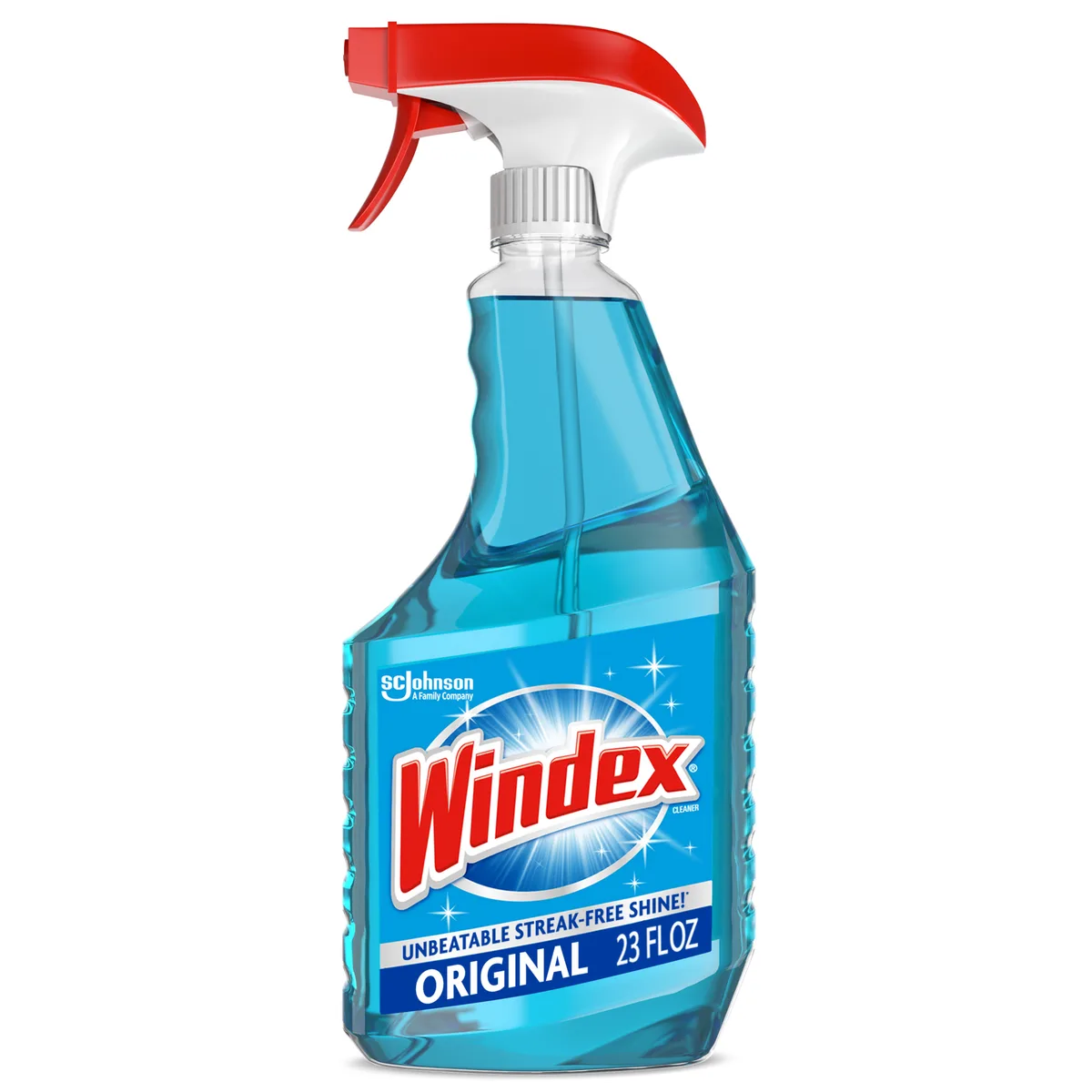
| Windex Original | Light nicotine film | Strong ammonia formula, widely available | Not for tinted glass, strong fumes |
| Invisible Glass | Streak-free results | Ammonia-free, safe for coatings | Less effective on heavy soot |
| Spic and Span | Heavy grease and grime | Degreasing power, budget-friendly | Requires rinsing, not for delicate surfaces |
| Method Glass Cleaner | Eco-friendly cleaning | Non-toxic, plant-based | Weaker on stubborn residue |
Web (Bing) / walmart.com (Web image (fair-use with source credit))
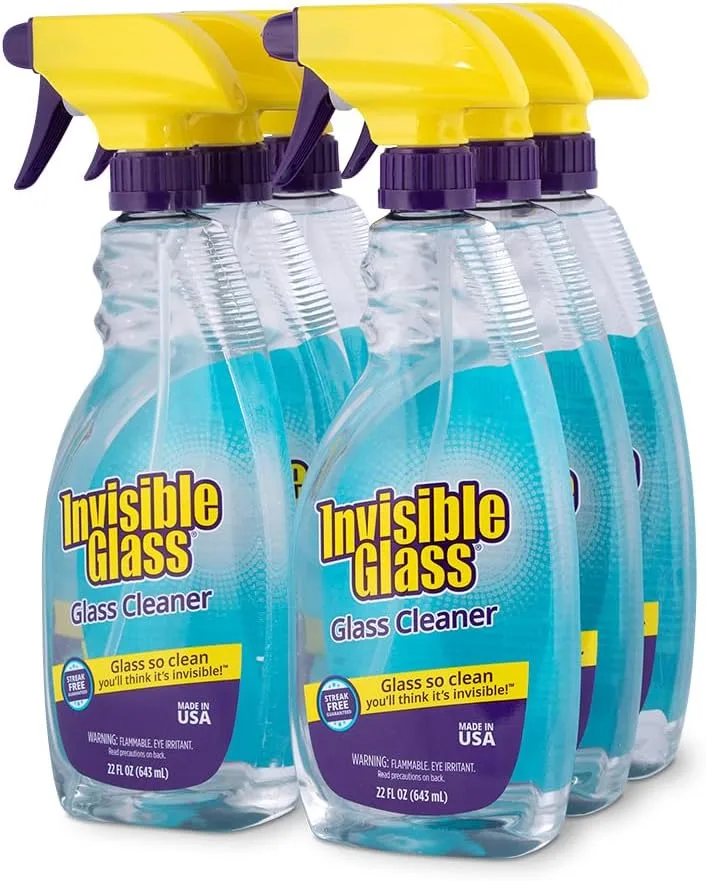
Windex’s ammonia content makes it a go-to for light smoke residue, but its fumes can be overpowering in enclosed spaces. Invisible Glass is a top pick for tinted windows and mirrors due to its ammonia-free formula. For fire damage, Spic and Span’s degreasing power cuts through soot more effectively than standard glass cleaners.
DIY Solutions That Actually Work
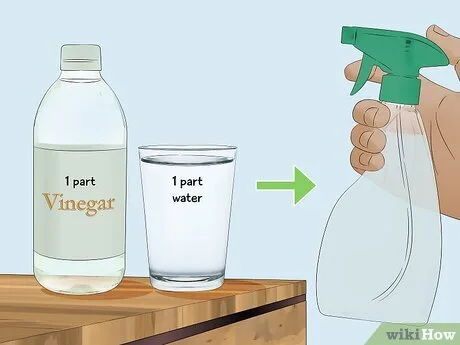
A 1:1 mix of white vinegar and water is the simplest DIY cleaner for light smoke film. The acetic acid in vinegar breaks down oily residues without damaging glass. For tougher buildup, add rubbing alcohol (70% or higher) in a 1:1:1 ratio with vinegar and water.
Web (Bing) / storage.googleapis.com (Web image (fair-use with source credit))
Dish soap can also work in a pinch. Mix 1 tsp of Dawn or similar degreasing dish soap with 1 quart of warm water. This cuts through greasy smoke residue but may leave streaks if not rinsed thoroughly.
For heavy soot, baking soda paste (3 parts baking soda to 1 part water) can be used as a gentle abrasive. Apply with a soft cloth, let sit for 5 minutes, then wipe clean. Avoid this on tinted or coated glass.
Ammonia vs. Ammonia-Free: Which Is Safer for Your Glass?
Ammonia-based cleaners like Windex are effective for cutting through light smoke residue. They evaporate quickly, reducing streaks, but the fumes can be harsh in enclosed spaces. Ventilation is key when using these products.
Web (Bing) / amazon.com (Web image (fair-use with source credit))
Ammonia-free cleaners are safer for tinted windows, mirrors with special coatings, and acrylic surfaces. They’re also better for households with pets or children. However, they may require more effort to remove stubborn smoke film.
If you’re unsure, test a small area first. Ammonia can damage some window tints over time, while ammonia-free options may not be strong enough for heavy fire damage.
Step-by-Step: How to Clean Smoke Off Glass Without Streaks
Start by dusting the glass with a dry microfiber cloth to remove loose soot. This prevents scratching the surface during cleaning.
Web (Bing) / beacleaner.com (Web image (fair-use with source credit))
Spray your cleaner of choice onto the glass, working in small sections. For vertical surfaces, spray the cloth instead of the glass to avoid drips. Let the cleaner sit for 30, 60 seconds to break down the residue.
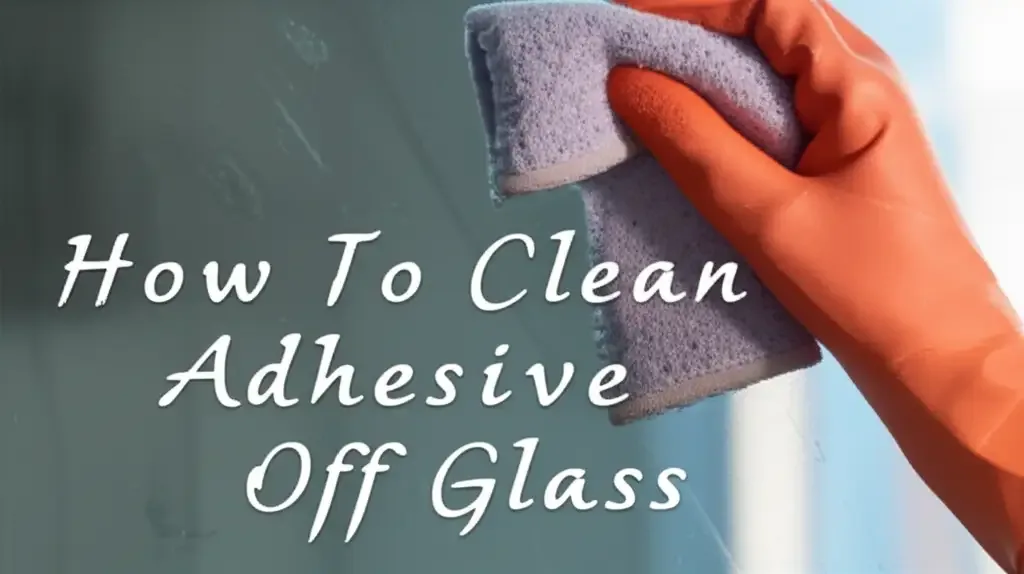
Wipe with a clean microfiber cloth in straight motions, not circles. For stubborn spots, use a soft-bristle brush or non-abrasive pad. Rinse with water if using a concentrate or soap-based cleaner.
Finish by buffing with a dry microfiber cloth to prevent streaks. Work in a well-ventilated area, especially with ammonia-based products.
Special Cases: Tinted Windows, Mirrors, and Windshields
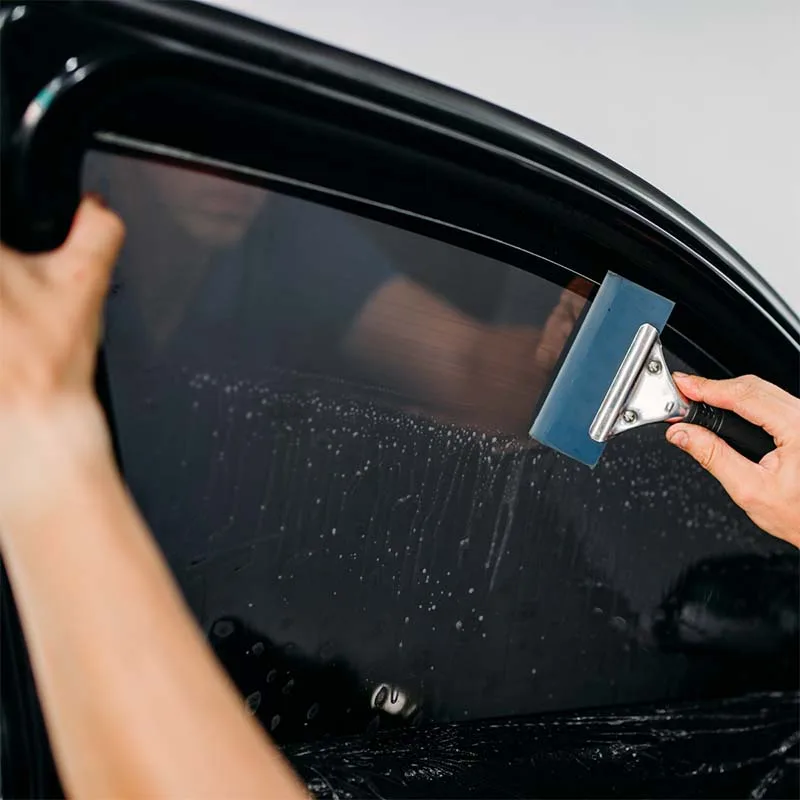
Tinted windows require ammonia-free cleaners to avoid damaging the film. Use a pH-neutral glass cleaner or a 50/50 vinegar-water mix. Avoid abrasive tools that can scratch the tint.
Bing (Web (fair-use with source credit))
For mirrors with silver backing, avoid excessive moisture. Spray the cleaner on the cloth first, then wipe the mirror. This prevents liquid from seeping behind the glass and damaging the backing.
Windshields often have a plastic coating for UV protection. Use a cleaner labeled safe for automotive glass. Never use paper towels, as they can scratch the surface.
Common Mistakes That Make Smoke Residue Worse
Using the wrong cleaner can spread residue instead of removing it. Avoid all-purpose cleaners that lack degreasing agents.
Paper towels leave lint and can scratch glass. Stick to microfiber cloths for a streak-free finish.
Skipping the pre-dusting step means grinding soot into the glass. Always remove loose particles first.
Over-saturating the glass causes drips and streaks. Spray lightly and work in small sections.
Ignoring ventilation with ammonia-based cleaners can cause respiratory irritation. Open windows or use a fan when cleaning indoors.
When to Call a Professional (Fire Damage & Heavy Buildup)
Severe fire damage often requires professional restoration. If the smoke residue is thick, black, or accompanied by soot that won’t budge with DIY methods, it’s time to call in experts. They have industrial-grade cleaners and tools to safely remove deep-set grime.
IICRC-certified technicians follow specific protocols for fire damage cleanup. This ensures the glass is restored without causing further harm to the surface or surrounding materials.
Safety Tips: Protecting Yourself and Your Surfaces
Always work in a well-ventilated area when using chemical cleaners. Ammonia and other solvents can release fumes that are harmful if inhaled in enclosed spaces.
Wear gloves to protect your skin from harsh ingredients. Some cleaners can cause irritation or dryness, especially with prolonged contact.
Avoid mixing cleaners, particularly ammonia with bleach. This can create toxic gases that are dangerous to inhale.
For delicate surfaces like tinted windows or mirrors with special coatings, stick to ammonia-free, pH-neutral cleaners. Test a small, hidden area first to ensure compatibility.
Cost Comparison: Commercial vs. Homemade Cleaners
Commercial cleaners like Windex or Invisible Glass cost around $3, $5 per bottle. They’re convenient and formulated for specific tasks, but the cost adds up with frequent use.
Homemade solutions (vinegar, rubbing alcohol, dish soap) cost pennies per batch. A gallon of white vinegar is about $3 and can make dozens of cleaning solutions.
| Option | Cost per Use | Effectiveness | Ease of Use |
|---|---|---|---|
| Commercial cleaner | $0.50–$1.00 | High | Very easy |
| DIY vinegar mix | $0.05–$0.10 | Moderate | Easy |
| DIY rubbing alcohol | $0.10–$0.20 | High | Easy |
For occasional cleaning, commercial products are worth the cost. For regular maintenance or large areas, DIY options are the most budget-friendly.
FAQs About Cleaning Smoke Off Glass
Can I use bleach to clean smoke off glass?
No, bleach is not recommended. It can damage glass surfaces and create harmful fumes when mixed with other cleaners. Stick to degreasers or ammonia-based cleaners for smoke residue.
How often should I clean smoke off my windows?
Clean as soon as you notice residue building up. For households with smokers, a monthly wipe-down prevents heavy buildup. After a fire, clean immediately to avoid permanent staining.
Will vinegar damage tinted windows?
No, vinegar is safe for tinted windows when diluted with water. Avoid ammonia-based cleaners, as they can degrade the tint over time.
What’s the best way to clean smoke off a windshield?
Use an ammonia-free automotive glass cleaner and a microfiber cloth. Avoid paper towels, which can scratch the surface. For heavy buildup, a dedicated degreaser works best.
Can I use a steam cleaner on smoke residue?
Yes, but with caution. Steam can help loosen grime, but avoid high heat on tinted or coated glass. Always follow up with a proper glass cleaner to remove residue.
Why does smoke residue keep coming back?
Smoke residue contains oils that can reattach to glass if not fully removed. Use a degreaser to break down these oils completely. Regular dusting between cleanings also helps prevent buildup.
Final Recommendation: Best Cleaner for Your Situation
For light cigarette smoke, Windex or a vinegar-water mix works well. Use Invisible Glass for tinted windows or mirrors. Heavy soot from fires calls for a degreaser like Spic and Span.
If you prefer eco-friendly options, Method or Seventh Generation cleaners are solid choices. For DIY solutions, a rubbing alcohol mix is the most effective.
Always test a small area first, especially on delicate surfaces. Ventilation and proper tools (microfiber cloths, soft brushes) make the job easier and safer.