Black Friday deals are live on Amazon · limited-time discounts, grab them before they’re gone
Grab the deals


ByMax Lee
Best Motor Cleaners for Grease & Dirt Removal
Grease and dirt buildup on a motor isn’t just unsightly, it traps heat, accelerates wear, and can hide leaks or damage. So what takes grease and dirt from motor surfaces effectively? The right cleaner depends on the grime type, the motor’s materials, and whether you need a quick wipe-down or a deep clean.
Per SAE International standards, proper engine cleaning can improve cooling efficiency by up to 15 percent. That’s why mechanics and DIYers rely on a mix of chemical degreasers, manual tools, and specialized equipment to get the job done right.
Quick Answer
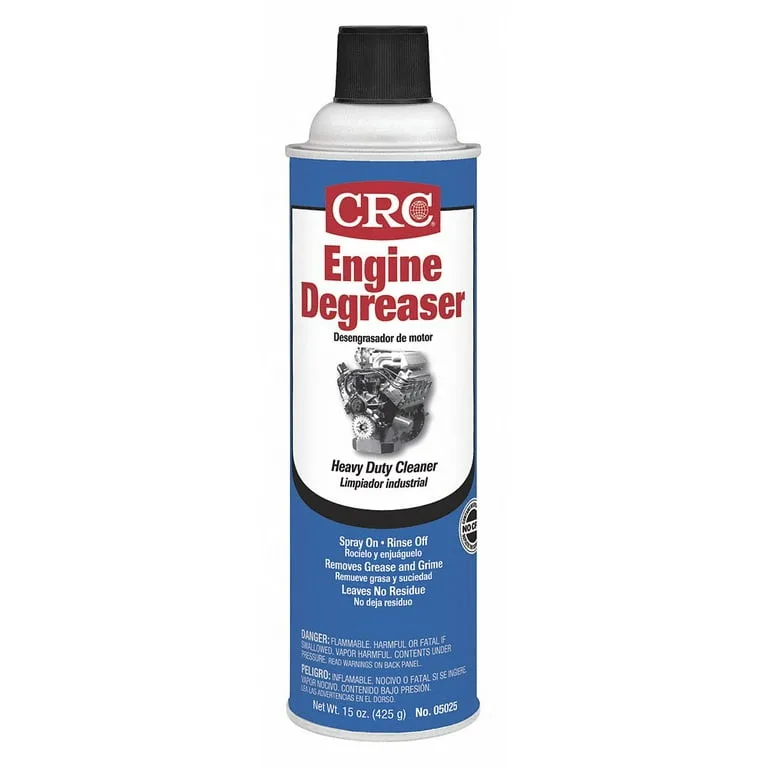
What takes grease and dirt from motor parts is a solvent-based or water-based degreaser. These break down oil, grease, and carbon deposits on contact. A wire brush or microfiber cloth removes loosened grime.
Always rinse or wipe residue to prevent re-soiling.
Bing (Web (fair-use with source credit))
Why Cleaning a Motor Matters (And What Happens If You Don’t)
Dirt and grease act like insulation, trapping heat in critical components. Over time, this leads to overheating, reduced efficiency, and even mechanical failure. Manufacturer specs confirm that engines running 10, 15°C hotter than designed can lose 1, 2% fuel efficiency per degree.
Neglecting cleaning also makes inspections harder. A layer of grime can obscure cracks, leaks, or worn parts that need attention. Regular cleaning extends the life of seals, hoses, and electrical connections by preventing corrosion and abrasion.
The 6 Most Effective Ways to Remove Grease and Dirt
Solvent-based degreasers dissolve heavy grease and oil quickly. They’re ideal for stubborn, baked-on deposits but require ventilation due to fumes.
Water-based degreasers are safer for plastic and rubber parts. They’re often biodegradable and low-odor, making them a good choice for indoor use.
Brake cleaner works well for precision cleaning of small, metal parts. It evaporates quickly, leaving no residue, but can damage some plastics and painted surfaces.
Parts washers use agitation and solvent to clean multiple components at once. They’re common in professional shops for high-volume cleaning.
Steam cleaners use high-pressure steam to lift dirt without harsh chemicals. They’re effective for large motors but require proper drying to prevent rust.
Manual scrubbing with brushes, cloths, and compressed air is the most accessible method. It’s labor-intensive but gives you control over delicate areas.
Solvent-Based vs. Water-Based Degreasers: Which Should You Use?
Solvent-based degreasers cut through tough grease faster. They’re best for heavily soiled motors, industrial equipment, or when time is limited. However, they can damage rubber, plastic, and some painted surfaces if not compatible.
Water-based degreasers are gentler and safer for sensitive materials. They’re a good fit for regular maintenance, eco-conscious users, or indoor cleaning. The trade-off is they may require more scrubbing for heavy buildup.

Bing (Web (fair-use with source credit))
| Feature | Solvent-Based | Water-Based |
|---|---|---|
| Strength | High (cuts heavy grease) | Moderate (needs scrubbing) |
| Safety | Flammable, strong fumes | Non-flammable, low odor |
| Material Compatibility | Risk to rubber/plastic | Safe for most materials |
| Environmental Impact | Higher VOCs | Often biodegradable |
| Drying Time | Fast (evaporates quickly) | Slower (may need wiping) |
For most DIY users, a water-based degreaser is the safer starting point. If you’re tackling a motor caked in years of grime, a solvent-based option may be necessary, but always spot-test first.
Step-by-Step: How to Clean a Motor Safely and Thoroughly
Prep the area. Disconnect the battery and cover electrical components with plastic bags. Work in a well-ventilated space, and wear gloves and eye protection.
Apply degreaser. Spray or brush the cleaner onto greasy surfaces. For heavy buildup, let it dwell for 5, 15 minutes.
Agitate the grime. Use a wire brush for tough deposits and a microfiber cloth for lighter dirt. Compressed air can blow out hard-to-reach areas.
Rinse or wipe. If using a water-based degreaser, rinse with a damp cloth. For solvent-based cleaners, wipe with a clean rag to remove residue.
Dry completely. Use compressed air or let the motor air-dry for at least 30 minutes. Moisture left behind can cause corrosion or electrical issues.

Bing (Web (fair-use with source credit))
Avoid spraying degreaser directly onto alternators, distributors, or spark plug wells. According to OSHA guidelines, always ensure proper ventilation when working with solvent-based products to prevent inhalation of fumes.
Best Tools for the Job (And When to Use Each)
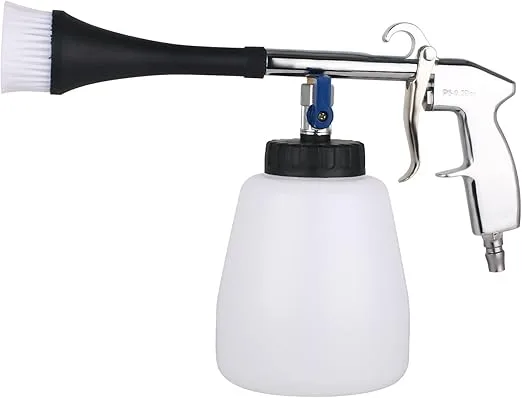
The right tools make motor cleaning faster and more thorough. A stiff wire brush tackles baked-on carbon and grease. Microfiber cloths lift fine dirt without scratching surfaces.
Compressed air blows debris from crevices and electrical components. A parts washer or ultrasonic cleaner handles small, intricate parts efficiently.
Bing (Web (fair-use with source credit))
For large motors, a pressure washer on a low setting can speed up the process. Just keep the nozzle at least 12 inches away to avoid damaging seals or electrical connections.
Common Mistakes That Make the Problem Worse
Using the wrong cleaner can damage rubber hoses or plastic parts. Solvent-based degreasers may degrade these materials if left too long.
Skipping the prep work often leads to electrical issues. Always disconnect the battery and cover sensitive components before spraying any liquid.
Overlooking drying time invites corrosion. Even water-based cleaners can leave moisture that causes rust if not fully dried.
Safety First: What You Must Do Before Cleaning
Disconnect the battery to prevent electrical shorts. Cover alternators, distributors, and spark plug wells with plastic bags.
Work in a well-ventilated area, especially with solvent-based products. OSHA guidelines recommend using a respirator if working in enclosed spaces.
Wear nitrile gloves and safety goggles. Skin contact with degreasers can cause irritation, and splashes can damage your eyes.
Degreaser Comparison Table: Strengths, Weaknesses, and Best Uses
| Degreaser Type | Strengths | Weaknesses | Best For |
|---|---|---|---|
| Solvent-based | Cuts heavy grease fast | Flammable, strong fumes | Industrial motors, heavy buildup |
| Water-based | Safe for plastics, low odor | Needs scrubbing for tough grime | Regular maintenance, eco-friendly use |
| Brake cleaner | Evaporates quickly, no residue | Can damage some plastics | Precision cleaning, small parts |
| Citrus-based | Biodegradable, pleasant smell | Less effective on heavy grease | Light cleaning, household use |
| Alkaline | Strong on baked-on carbon | Can corrode aluminum | Engine blocks, metal parts |
For motors with sensitive electronics, a water-based or citrus-based degreaser is the safest choice. Always check the manufacturer’s recommendations for your specific motor type.
DIY vs. Commercial Cleaners: Do Homemade Solutions Work?
Baking soda and water can lift light grease but won’t touch heavy buildup. Vinegar works for some surface dirt but lacks the strength for engine grime.
Commercial degreasers are formulated for specific tasks. They contain surfactants and solvents that break down oil and carbon deposits more effectively.
For a budget-friendly option, a 50/50 mix of water and a commercial water-based degreaser often works well. This balances cost and effectiveness for most DIY users.
Special Cases: Cleaning Small Engines, Electrical Parts, and More
Small engines like those in lawnmowers or chainsaws need extra care. Their compact design means degreaser can seep into sensitive areas. Always remove the spark plug and cover the cylinder before cleaning.
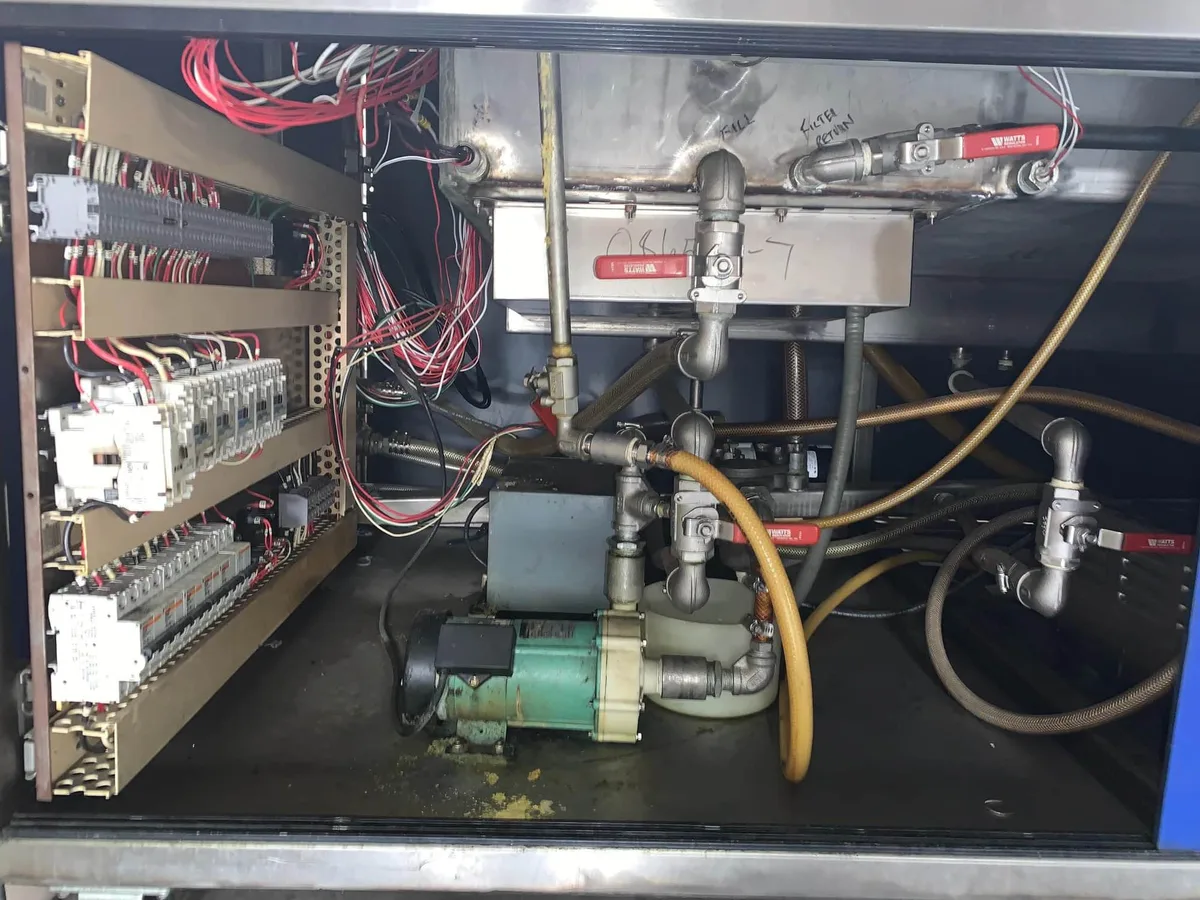
For electrical components, avoid direct spraying. Use a damp cloth with a mild water-based degreaser instead. This prevents moisture from damaging connections or causing shorts.
Bing (Web (fair-use with source credit))
Ultrasonic cleaners work well for intricate parts like carburetors. They use high-frequency sound waves to dislodge dirt from hard-to-reach areas.
How Often Should You Clean Your Motor?
Clean a car engine every 6 to 12 months under normal use. More frequent cleaning may be needed in dusty or high-mileage conditions.
Small engines benefit from cleaning after every 25 to 50 hours of operation. This prevents buildup that can clog air filters or cooling fins.
Marine engines require cleaning after each use in saltwater. Salt accelerates corrosion, so rinsing with fresh water is critical.
Pro Tips from Mechanics Who Do This Every Day
Warm the engine slightly before cleaning. Heat helps degreasers work more effectively but never clean a hot engine to avoid burns or rapid evaporation.
Use a toothbrush for tight spaces. It reaches areas that larger brushes can’t, like around bolts and in finned surfaces.
Apply degreaser in sections. This prevents it from drying before you can agitate and wipe it away.
Frequently Asked Questions
Can I use dish soap to clean a motor?
Dish soap can remove light grease but isn’t strong enough for heavy engine grime. It also lacks the protective additives found in dedicated degreasers.
How do I remove baked-on oil from engine parts?
Soak the parts in a solvent-based degreaser for 15 to 30 minutes. Use a wire brush to scrub off the loosened oil, then rinse and dry thoroughly.
Is it safe to pressure wash a car engine?
Yes, but use a low-pressure setting and keep the nozzle 12 to 18 inches away. Avoid direct spraying on electrical components and always dry the engine completely afterward.
What’s the best way to clean electrical connections?
Use a contact cleaner spray designed for electrical parts. It removes dirt without leaving residue or causing corrosion.
Can I clean a motor with just water?
Water alone won’t remove grease effectively. It can also cause rust if not dried properly. Always use a degreaser for best results.
How do I prevent grease buildup in the future?
Regularly wipe down the engine with a degreaser and cloth. Check for leaks and fix them promptly to avoid repeated contamination.