ByMax Lee
Car Glass Compound: Uses & Best Practices
Car glass compound is the unsung hero holding your windshield in place during a crash. Without the right adhesive, even a minor impact can turn a cracked windshield into a dangerous projectile.
Per FMVSS 212/208 standards, structural adhesives must withstand forces up to 500 psi to keep glass bonded to the frame. That’s why choosing the correct type isn’t just about sticking glass, it’s about safety.
Quick Answer
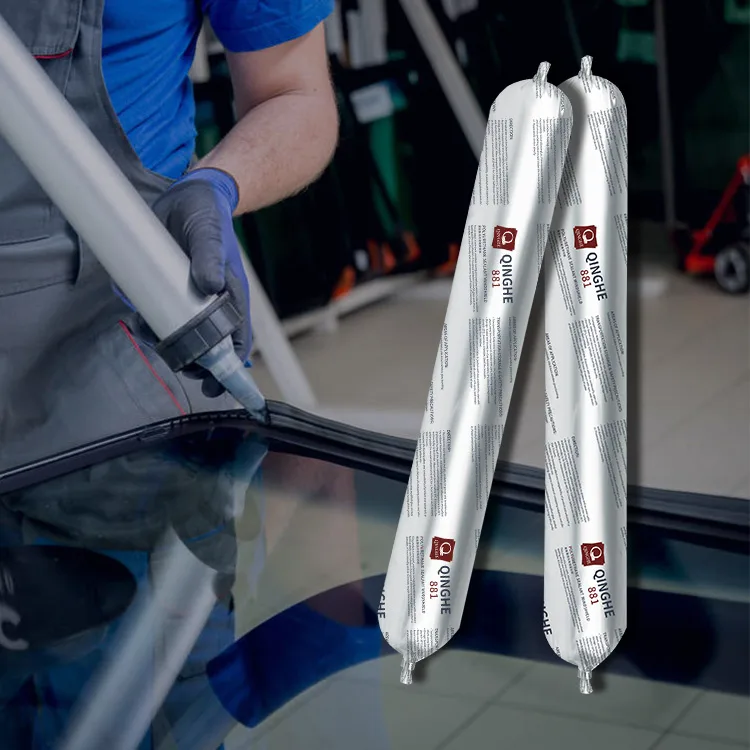
Car glass compound is a high-strength adhesive used to bond windshields and windows to a vehicle’s frame. It must meet crash safety standards like FMVSS 212/208. Polyurethane is the most common type for structural bonds.
Silicone and epoxy serve non-structural or repair roles. Always follow manufacturer specs for cure times.
Web (Bing) / mingheruihai.en.made-in-china.com (Web image (fair-use with source credit))
Why Car Glass Compound Matters for Safety and Repairs
A windshield isn’t just a window, it’s a structural part of your car’s safety system. In a rollover or frontal collision, the adhesive keeps the glass from popping out, which could lead to passenger ejection. Poor adhesion also compromises airbag deployment, as the windshield helps direct the bag’s inflation.
Manufacturer specs confirm that OEM-grade polyurethane adhesives are tested to maintain bonds at extreme temperatures, from -40°F to 200°F. This durability ensures the glass stays put in all conditions, not just ideal ones.
How Car Glass Adhesives Work: The Science Behind the Bond
Car glass compounds create a molecular bond between the glass and the vehicle’s frame. Polyurethane adhesives, the most common type, cure through moisture exposure, forming a flexible yet strong connection. This flexibility is critical, as it absorbs vibrations and thermal expansion without cracking.
Silicone-based adhesives, while less strong, offer excellent waterproofing and are often used for non-structural applications like side windows. Epoxy resins, typically two-part systems, provide high strength but lack the flexibility needed for most auto glass applications.
The bond’s integrity depends on proper surface preparation. Contaminants like dirt, oil, or old adhesive residue can prevent a strong connection, leading to leaks or failure under stress.
Types of Car Glass Compounds Compared
Not all car glass compounds are created equal. The right choice depends on the job, the glass type, and the vehicle’s requirements.
Polyurethane (PU)
- Best for structural bonds (windshields, sunroofs)
- Meets FMVSS 212/208 standards
- Flexible, resistant to temperature swings
- Cure time: 1, 24 hours (drive-away in 1, 6 hours)
Silicone
- Non-structural use (side/rear windows, temporary fixes)
- Waterproof, UV-resistant
- Easier to remove than PU
- Lower bond strength (50, 150 psi)
Epoxy
- High strength for small repairs (chips, cracks)
- Rigid once cured, prone to cracking under vibration
- Requires precise mixing (two-part system)
Web (Bing) / sepna.en.made-in-china.com (Web image (fair-use with source credit))
Polyurethane vs. Silicone vs. Epoxy: Side-by-Side Breakdown
| Feature | Polyurethane (PU) | Silicone | Epoxy |
|---|---|---|---|
| Best For | Structural bonds | Non-structural seals | Small repairs |
| Bond Strength | 300–500 psi | 50–150 psi | 200–400 psi |
| Flexibility | High | High | Low |
| Cure Type | Moisture-cured | Moisture-cured | Two-part mix |
| Temperature Range | -40°F to 200°F | -60°F to 300°F | -20°F to 180°F |
| Waterproof | Yes | Yes | Moderate |
| Removability | Difficult | Easy | Difficult |
| Cost | $$$ | $ | $$ |
PU is the gold standard for windshields, as it meets FMVSS 212/208 crash safety requirements. Silicone shines for non-load-bearing glass where flexibility and easy removal matter. Epoxy is niche, ideal for filling chips but too brittle for full windshield installations.
OEM vs. Aftermarket Adhesives: What’s the Real Difference?
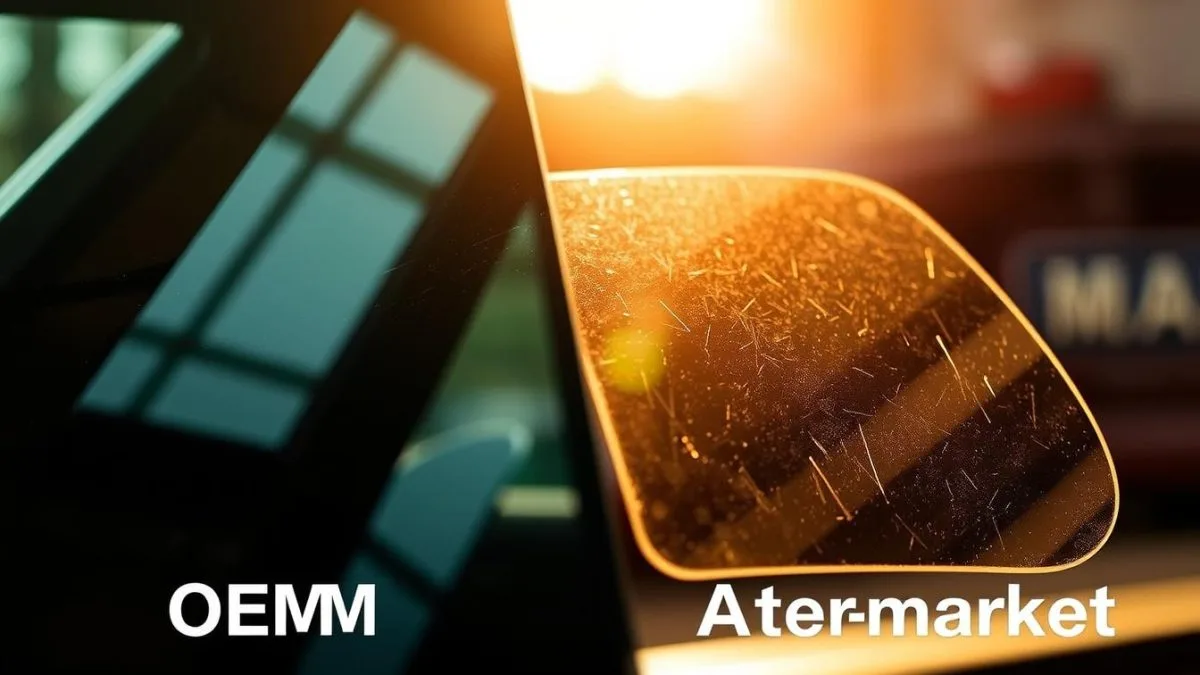
OEM adhesives are formulated to meet the vehicle manufacturer’s exact specifications. They’re tested with the car’s specific glass and frame materials to ensure a perfect bond. Aftermarket options can match OEM performance but often lack the same rigorous testing.
The price gap is noticeable. OEM-grade polyurethane adhesives typically cost $50, $150 per cartridge, while aftermarket versions run $20, $80. Insurance companies may require OEM adhesives for coverage, especially on newer vehicles with ADAS systems.
Web (Bing) / miracleagc.com (Web image (fair-use with source credit))
Best Car Glass Compound for Each Use Case
Windshield Replacement
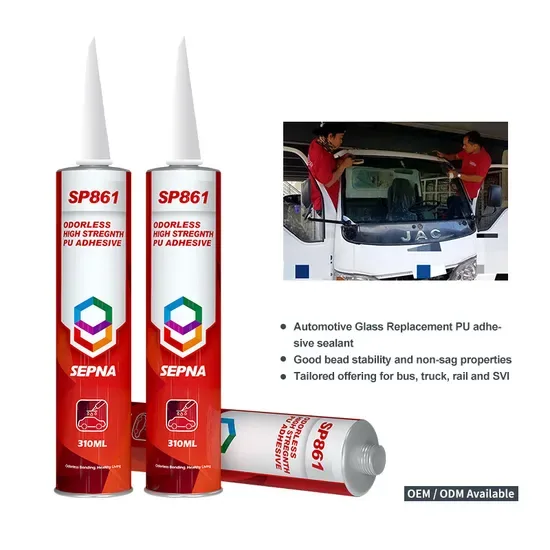
Use a high-modulus polyurethane adhesive like SikaTack or Dow Betaseal. These meet FMVSS 212/208 and provide the structural integrity needed for crash safety.
Side/Rear Window Bonding
A flexible silicone adhesive works well here. It’s waterproof and easier to remove if the window needs replacement later.
Chip/Crack Repair
A UV-curable resin is the standard for small repairs. It fills the damage and cures quickly under a UV lamp, restoring clarity and strength.
Sunroof Installation
Polyurethane is the go-to for its ability to handle temperature swings and vibrations. Ensure the adhesive is rated for overhead applications.
Temporary Fixes
Butyl tape can hold a window in place temporarily. It’s not structural but provides a quick, waterproof seal until a permanent repair is possible.
Step-by-Step: How to Apply Car Glass Adhesive Like a Pro
Start with a clean surface. Remove old adhesive with a razor blade or adhesive remover, then wipe the area with isopropyl alcohol. Any contamination will weaken the bond.
Apply a primer if the adhesive manufacturer recommends it. This step is critical for polyurethane adhesives to ensure maximum adhesion.
Web (Bing) / slpautoglass.com (Web image (fair-use with source credit))
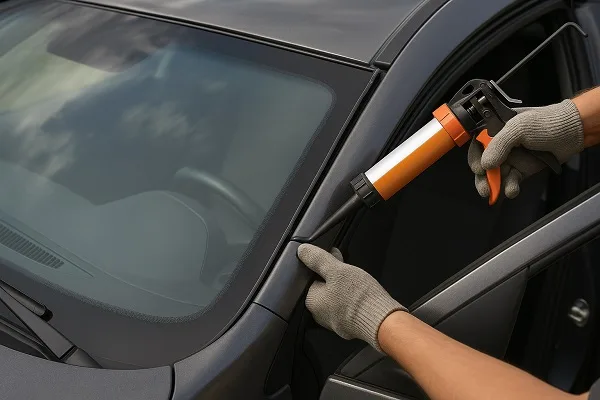
Load the adhesive into a caulking gun and apply a continuous bead along the edge of the glass or frame. Avoid gaps or thin spots, as these can lead to leaks or weak points.
Press the glass into place immediately. Use suction cups or clamps to hold it steady while the adhesive sets. Follow the manufacturer’s recommended clamp time, usually 15, 60 minutes.
Let the adhesive cure fully before driving. Most polyurethane adhesives allow drive-away time in 1, 6 hours but reach full strength in 24, 48 hours.
Common Mistakes That Ruin Auto Glass Repairs
Using the wrong adhesive is the most common error. Silicone on a windshield won’t provide the structural strength needed for safety. Always match the adhesive to the job.
Skipping surface prep leads to failure. Dirt, oil, or old adhesive residue prevents a strong bond. Clean thoroughly and use primer when required.
Applying too little adhesive creates weak spots. A continuous, even bead ensures full contact and a watertight seal.
Ignoring cure times is dangerous. Driving too soon can cause the glass to shift or detach, especially in extreme temperatures or rough roads.
Costs, Cure Times, and Key Specs to Know
Here’s what to expect in terms of time and money:
| Adhesive Type | Cost per Cartridge | Drive-Away Time | Full Cure Time | Bond Strength |
|---|---|---|---|---|
| Polyurethane (OEM) | $50–$150 | 1–6 hours | 24–48 hours | 300–500 psi |
| Polyurethane (Aftermarket) | $20–$80 | 1–4 hours | 24 hours | 250–400 psi |
| Silicone | $10–$40 | 2–4 hours | 24 hours | 50–150 psi |
| Epoxy | $15–$50 | 30–60 minutes | 12–24 hours | 200–400 psi |
Web (Bing) / uvadhesiveglue.com (Web image (fair-use with source credit))
Safety and Legal Risks: What You Can’t Ignore
Using the wrong adhesive can turn a minor fender bender into a life-threatening situation. Structural adhesives must meet FMVSS 212/208 standards to prevent windshield ejection during a crash. Non-compliant products may fail under stress.
Legal risks exist too. Some insurance policies void coverage if non-OEM adhesives are used for windshield replacements. Always check your policy before choosing an aftermarket product.
Improper installation can also trigger ADAS malfunctions. Modern vehicles rely on windshield-mounted cameras for safety features like lane-keeping assist. A poorly bonded windshield may misalign these sensors.
ADAS and Windshield Replacement: The Hidden Requirement
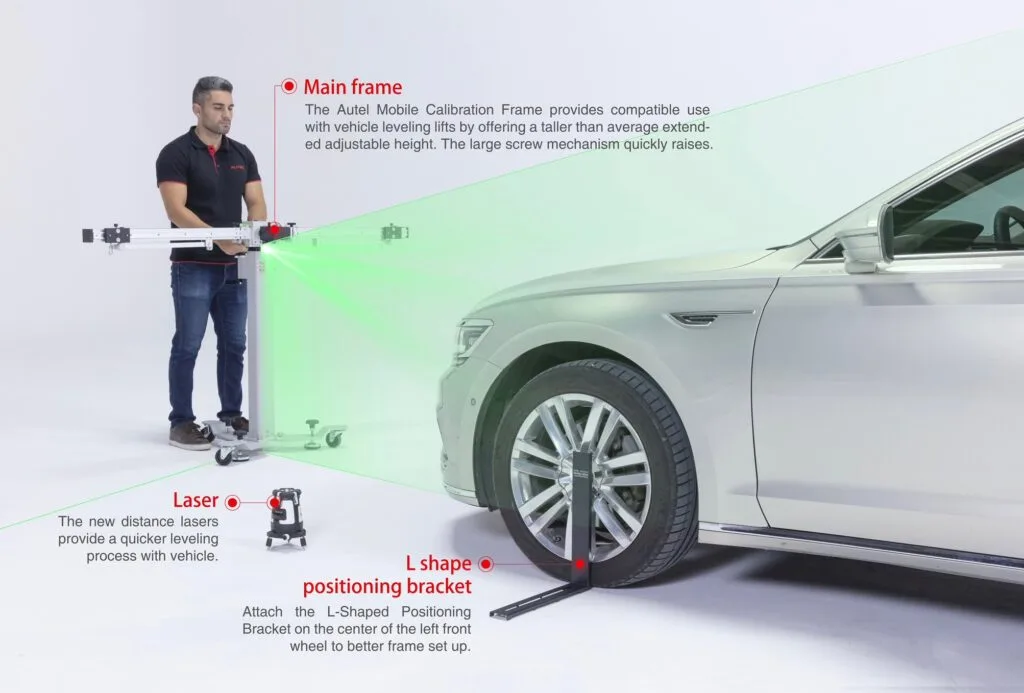
ADAS systems require precise calibration after windshield replacement. Even a 1mm misalignment can cause the camera to misread lane markings or fail to detect obstacles. This calibration isn’t optional, it’s a safety necessity.
Most dealerships and auto glass shops charge $100, $300 for ADAS recalibration. The process typically involves specialized equipment to realign the camera to the vehicle’s exact specifications.
Bing (Web (fair-use with source credit))
Some vehicles allow static calibration, where the car is stationary during the process. Others require dynamic calibration, which involves driving the car at specific speeds while the system recalibrates. Always follow the manufacturer’s guidelines.
Pro Tips for Long-Lasting, Leak-Free Results
Work in a clean, dust-free environment. Even small particles can weaken the bond or create leaks. Cover the workspace and use a lint-free cloth for final surface cleaning.
Use the right tools. A high-quality caulking gun ensures a consistent bead of adhesive. Suction cups help position the glass precisely without smudging the adhesive.
Monitor temperature and humidity. Most adhesives cure best between 60°F and 80°F with moderate humidity. Extreme conditions can slow curing or weaken the bond.
FAQs About Car Glass Compounds
What’s the difference between structural and non-structural adhesives?
Structural adhesives like polyurethane are designed to hold the windshield in place during a crash. Non-structural adhesives like silicone are for sealing and minor repairs but won’t support the glass under impact.
How long should I wait to drive after applying adhesive?
Drive-away times vary by product. Most polyurethane adhesives allow driving in 1, 6 hours, but full strength takes 24, 48 hours. Always check the manufacturer’s specifications.
Can I use silicone adhesive for a windshield replacement?
No. Silicone lacks the strength to meet FMVSS 212/208 standards for windshield retention. Polyurethane is the only safe choice for structural bonds.
Why does my new windshield leak?
Leaks usually stem from improper surface prep or uneven adhesive application. Ensure the surface is clean, dry, and primed before applying a continuous bead of adhesive.
Do I need to recalibrate ADAS after replacing my windshield?
Yes. Any disturbance to the windshield’s position can misalign ADAS cameras. Recalibration is required to maintain system accuracy and safety.
Final Recommendation: Which Adhesive Should You Choose?
For windshield replacements, always use a high-modulus polyurethane adhesive that meets FMVSS 212/208 standards. This ensures crash safety and compliance with most insurance policies.
For side or rear windows, silicone adhesives offer a flexible, waterproof seal. They’re easier to work with and remove if needed.
For small chip or crack repairs, UV-curable resins provide a quick, strong fix. They cure in minutes under a UV lamp and restore the glass’s integrity.