ByMax Lee
Best Polish for Windshield Clarity
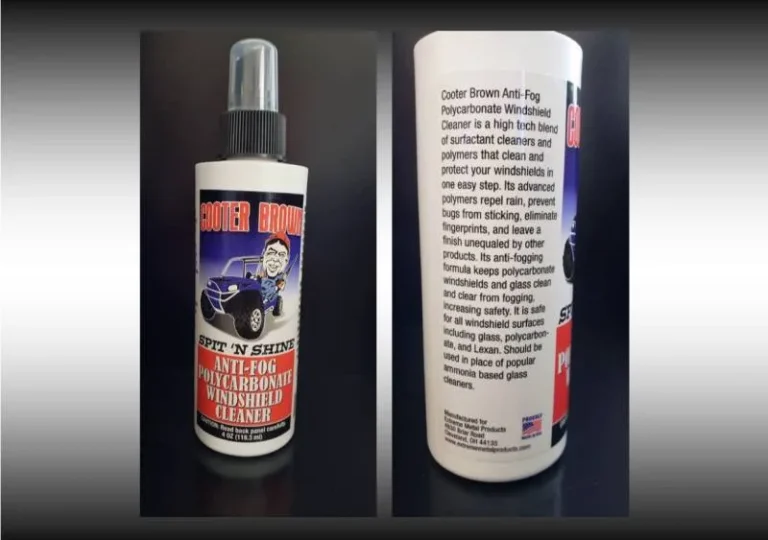
Web (Bing) / youworkforthem.com (Web image (fair-use with source credit))
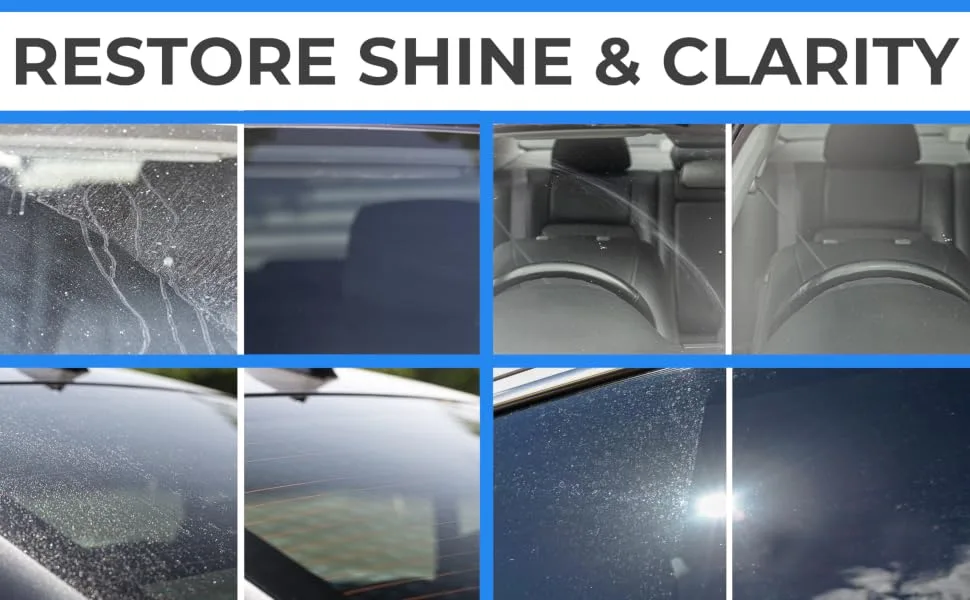
If your windshield looks hazy, streaked, or covered in fine scratches, a good polish for windshield glass can restore clarity and improve visibility. It’s not just about looks, polishing removes microscopic imperfections that scatter light and reduce night driving safety.
Manufacturer specs confirm that quality automotive glass polishes can improve light transmission by up to 15 percent on oxidized or scratched surfaces. The right product depends on your windshield’s condition and what you need to fix.
Quick Answer
Polish for windshield removes minor scratches and restores clarity. It fills tiny imperfections in the glass. Some formulas add hydrophobic coatings.
Results last 1 to 12 months. Always test on a small area first.
Do You Actually Need Windshield Polish?
Start by checking your windshield’s condition. If you see fine scratches, water spots, or a dull haze when sunlight hits it, polishing can help. These issues scatter light and reduce visibility, especially at night or in bright conditions.
Polish won’t fix cracks, chips, or deep gouges, those need professional repair or replacement. Per ANSI Z26.1 safety glazing standards, any damage that compromises structural integrity requires immediate attention. For surface-level imperfections, polishing is a cost-effective solution.
How Windshield Polish Works (And What It Can’t Fix)
Windshield polish contains mild abrasives or chemical compounds that smooth out the glass surface. Non-abrasive polishes use fillers to temporarily mask scratches, while abrasive types physically remove a thin layer of glass to eliminate imperfections. Ceramic polishes add a protective layer that repels water and resists UV damage.
What it can’t do: fill deep cracks, repair delamination between glass layers, or restore severely pitted glass. If your windshield has star cracks, bullseyes, or chips larger than a quarter, polishing won’t help. In these cases, a professional assessment is the only safe option.
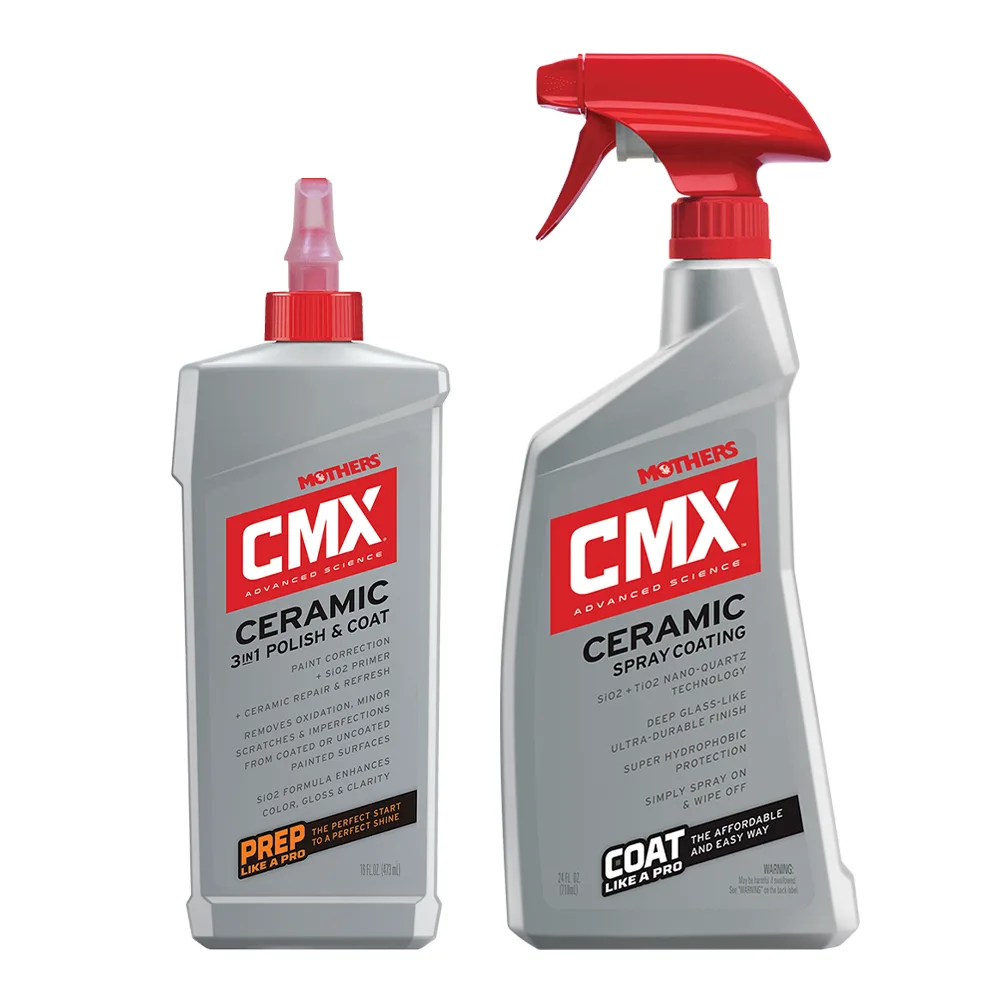
Spray vs. Paste vs. Ceramic Polish: Key Differences
Web (Bing) / wholesalepaint.com.au (Web image (fair-use with source credit))
Each type of polish serves a different purpose and offers unique benefits. Here’s how they compare:
| Type | Best For | Application | Durability | Ease of Use |
|---|---|---|---|---|
| Spray | Quick touch-ups, light haze | Spray-on, wipe-off | 1–3 months | Very easy |
| Paste | Deep scratches, swirls | Rub in, buff out | 3–6 months | Moderate |
| Ceramic | Long-term protection | Apply, let cure | 6–12 months | Easy |
Spray polishes are the most convenient for regular maintenance. They’re ideal for removing light oxidation and improving water beading. Paste polishes require more effort but tackle deeper imperfections.
Ceramic polishes bond to the glass, offering the longest-lasting protection against UV rays and water spots.
Best Windshield Polish for Every Situation
For Scratches and Swirl Marks
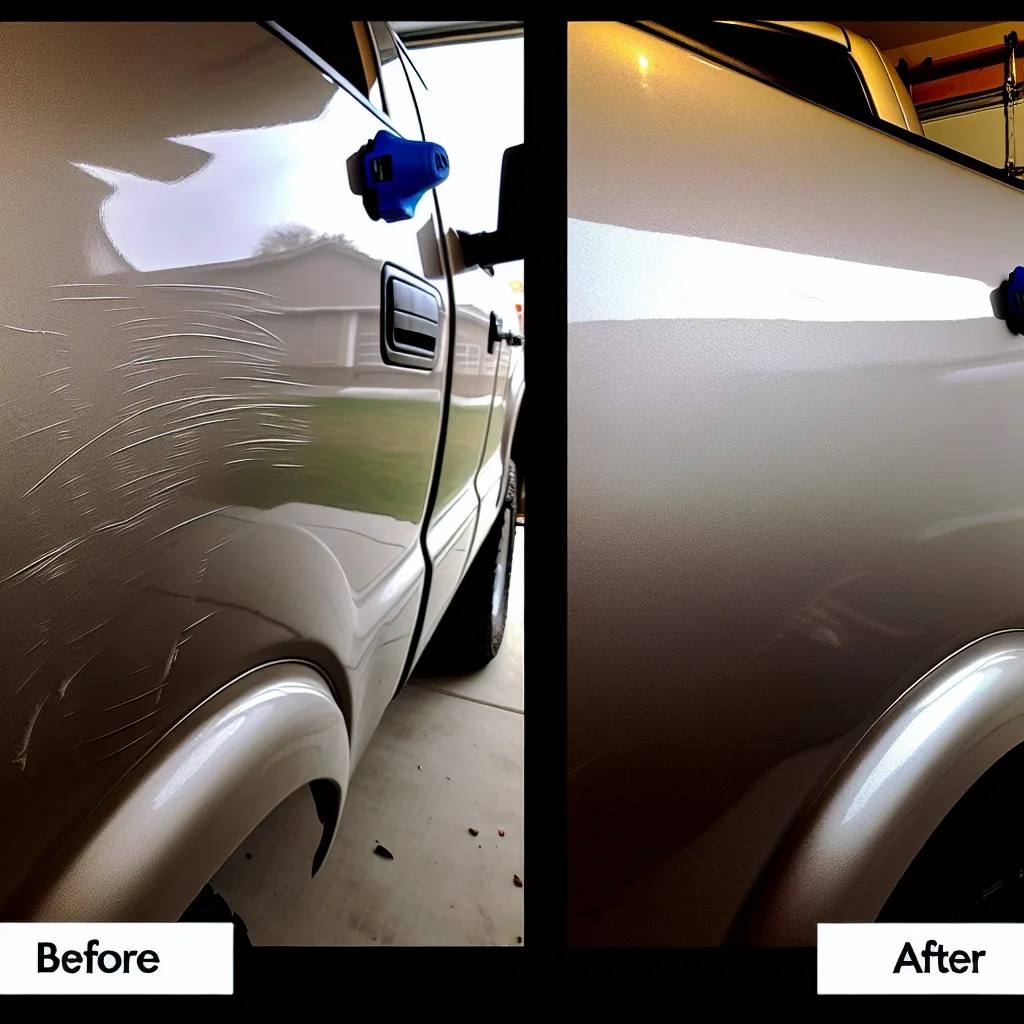
If your windshield has fine scratches or swirl marks from wiper blades or debris, a paste polish is your best bet. These products contain finer abrasives that level out the glass surface. Look for a polish with a grit rating between 3000 and 5000 for safe, effective scratch removal.
Bing (Web (fair-use with source credit))
Aggregate reviews report that paste polishes like those from 3M or Meguiar’s can remove up to 80 percent of light scratches in a single application. For best results, use a dual-action polisher to ensure even coverage.
For Rain Repellency and Clarity
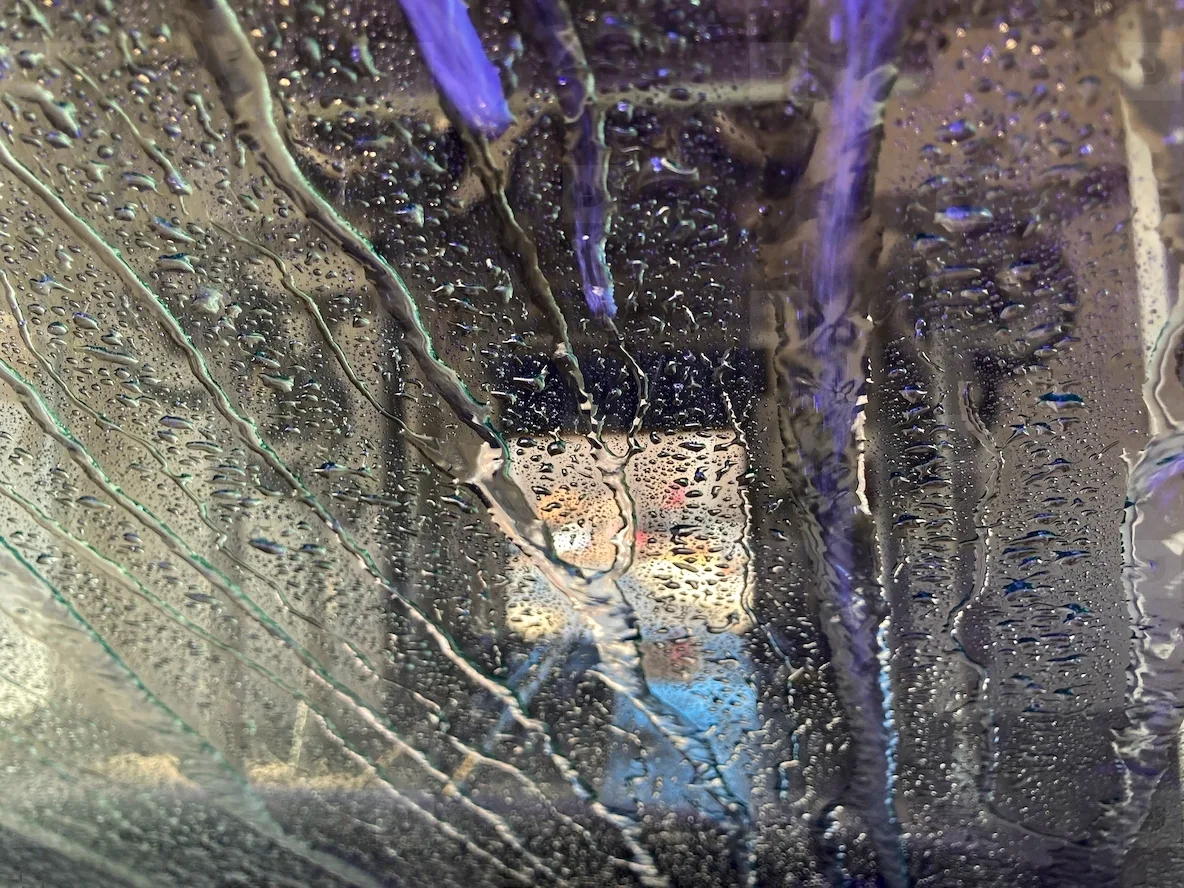
Hydrophobic polishes, often ceramic-based, create a water-repellent surface that causes rain to bead up and roll off. This improves visibility during wet conditions and reduces the need for frequent wiper use. These polishes are especially useful in regions with heavy rainfall.
Manufacturer specs confirm that ceramic polishes can maintain water beading for up to a year as of 2026. They also resist UV damage, which helps prevent future hazing. For maximum effectiveness, apply in a shaded area and allow the polish to cure fully before exposing it to water.
Pair this with a proper washing technique to remove contaminants before application.
For UV Protection and Longevity
Ceramic polishes offer the best UV protection, which prevents the glass from oxidizing over time. This is critical in sunny climates where prolonged UV exposure can degrade windshield clarity. These polishes also resist chemical stains from bird droppings, tree sap, and road salt.
While ceramic polishes cost more upfront, their durability makes them a cost-effective choice long-term. A single application can last 12 months, reducing the need for frequent reapplication.
For Quick Touch-Ups
Spray polishes are perfect for quick maintenance between deeper polishing sessions. They’re easy to apply, just spray on and wipe off, and work well for removing light water spots or minor haze. These are ideal for car owners who want to maintain their windshield’s appearance without a full detailing session.
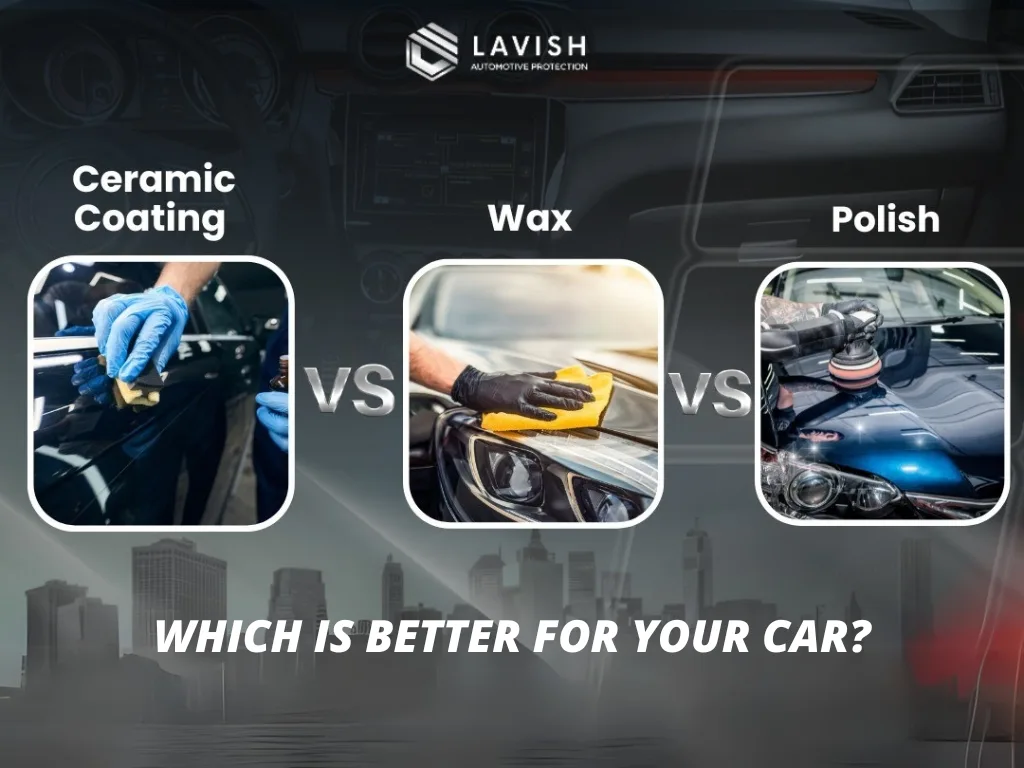
Side-by-Side Comparison: Top Polish Types
Bing (Web (fair-use with source credit))
| Factor | Spray Polish | Paste Polish | Ceramic Polish |
|---|---|---|---|
| Best For | Light haze, water spots | Deep scratches, swirls | Long-term protection |
| Application Time | 10–15 minutes | 30–60 minutes | 20–40 minutes |
| Durability | 1–3 months | 3–6 months | 6–12 months |
| Ease of Use | Very easy | Moderate | Easy |
| Cost | $5–$15 | $15–$30 | $30–$100+ |
| UV Protection | Minimal | Moderate | High |
Spray polishes are the most beginner-friendly. Paste polishes deliver the most dramatic results for damaged glass. Ceramic polishes strike a balance between durability and ease of use.
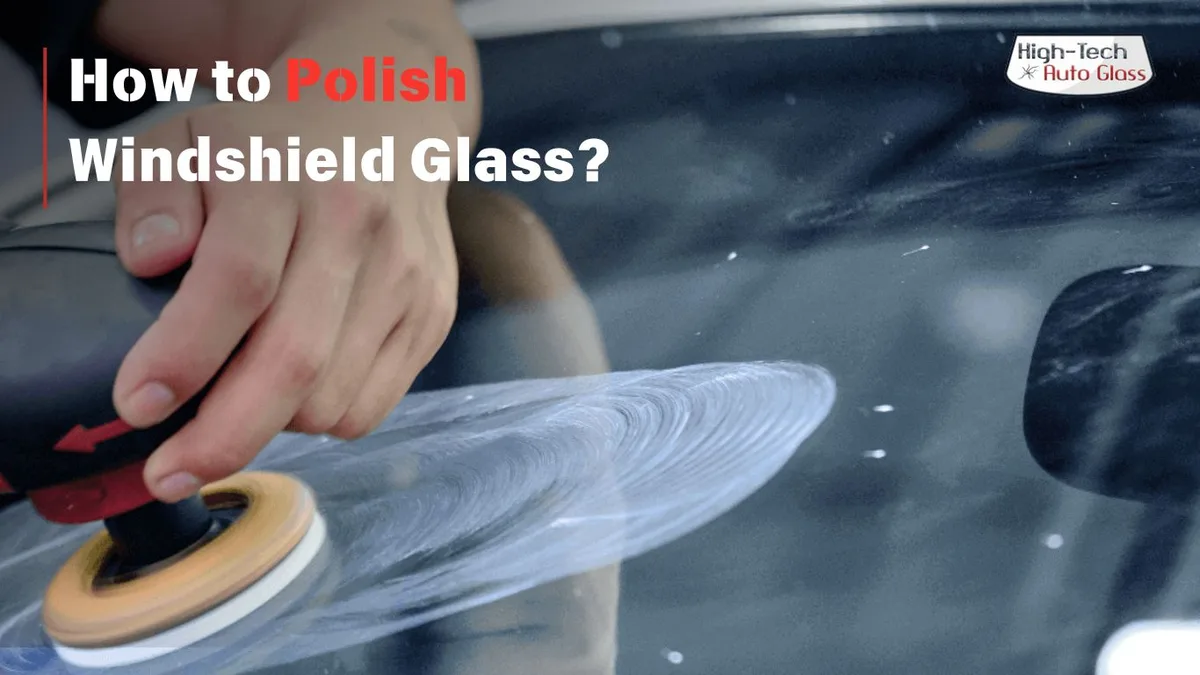
Step-by-Step: How to Polish Your Windshield Like a Pro
Web (Bing) / hightech-autoglass.com (Web image (fair-use with source credit))
Start with a thorough cleaning. Use a dedicated glass cleaner and a microfiber cloth to remove dirt, grime, and old wax. Any residue left on the surface will interfere with the polish’s ability to bond.
Work in a shaded area to prevent the polish from drying too quickly. Apply a small amount of polish to a foam or microfiber pad. For paste polishes, use a dual-action polisher on a low setting for even distribution.
For sprays, mist directly onto the glass and spread with a clean cloth.
Use overlapping circular motions to cover the entire windshield. Focus on areas with visible scratches or haze. Buff the polish until the surface is clear and shiny.
For ceramic polishes, allow the product to cure for the recommended time before exposing it to water.
Common Mistakes That Ruin Your Windshield (And How to Avoid Them)
Web (Bing) / biharstatebarcouncil.com (Web image (fair-use with source credit))
Using the wrong polish is a common error. Abrasive compounds meant for paint can scratch glass. Always choose a product specifically labeled for automotive glass.
Applying polish in direct sunlight causes it to dry too fast, leading to streaks and uneven coverage. Another mistake is using dirty or worn-out pads, which can introduce new scratches. Replace pads regularly and clean them between uses.
Over-polishing is just as bad as under-polishing. Excessive abrasion can thin the glass, weakening its structural integrity. Stick to the manufacturer’s recommended application time and frequency.
How Much Does Windshield Polish Cost? (And Is It Worth It?)
Prices vary based on type and quality. Spray polishes are the most affordable, typically ranging from $5 to $15 per bottle. They’re a good choice for regular maintenance but may not last as long.
Paste polishes cost between $15 and $30 and offer better results for deeper imperfections. Ceramic polishes are the most expensive, often $30 to $100 or more, but their durability justifies the cost for many users.
Consider the long-term benefits. A well-maintained windshield improves visibility, safety, and your car’s resale value. For most drivers, the investment in a quality polish pays off in clarity and protection.
Safety First: What to Watch Out For
Never polish a windshield with cracks or chips. The pressure and abrasion can worsen the damage and compromise the glass’s structural integrity. According to NHTSA guidelines, any damage in the driver’s line of sight requires immediate professional attention.
Avoid polishing tinted windshields unless the product is explicitly labeled as safe for tinted glass. Some chemicals can damage the tint film or cause discoloration. Always test a small, hidden area first.
Wear protective gear, including gloves and eye protection. Some polishes contain chemicals that can irritate the skin or eyes. Work in a well-ventilated area to avoid inhaling fumes.
How Often Should You Polish Your Windshield?
The frequency depends on your driving conditions and the type of polish used. Spray polishes may need reapplication every 1 to 3 months, especially in harsh climates. Paste polishes typically last 3 to 6 months.
Ceramic polishes offer the longest protection, often lasting 6 to 12 months. However, they require more careful application and curing time. If you drive frequently in dusty or polluted areas, you may need to polish more often.
Regular inspections help determine when it’s time for another application. If water no longer beads on the surface or visibility seems reduced, it’s a sign that the polish has worn off.
FAQs About Windshield Polish
Does windshield polish remove deep scratches?
No. Polish only handles fine surface scratches and swirl marks. Deep scratches or cracks require professional repair or replacement.
Can I use car wax instead of polish?
Wax adds a protective layer but won’t remove imperfections. Polish first to restore clarity, then apply wax for extra protection.
How do I know if my windshield needs polishing?
Look for haziness, water spots that won’t wash off, or light scattering at night. These are signs of surface damage that polish can fix.
Is ceramic polish worth the extra cost?
For most drivers, yes. It lasts 6, 12 months and provides better UV and water resistance than traditional polishes.
Can I polish a windshield with a household cleaner?
No. Household cleaners lack the abrasives or fillers needed to restore glass. Use a product specifically designed for automotive glass.
Will polishing void my windshield warranty?
Check your warranty terms. Some manufacturers prohibit DIY polishing, especially on OEM glass with special coatings.
Final Verdict: Which Polish Should You Choose?
For quick maintenance, a spray polish is the easiest option. It’s affordable and simple to apply, though it won’t last as long.
If your windshield has visible scratches or swirls, a paste polish delivers the best results. It requires more effort but restores clarity effectively.
For long-term protection, ceramic polish is the top choice. It costs more but offers superior durability and UV resistance. Match the polish to your needs and driving conditions.