ByMax Lee
Best Glass Sealant for Cars: Long-Lasting Protection
Image source: Bing (Web (fair-use with source credit))
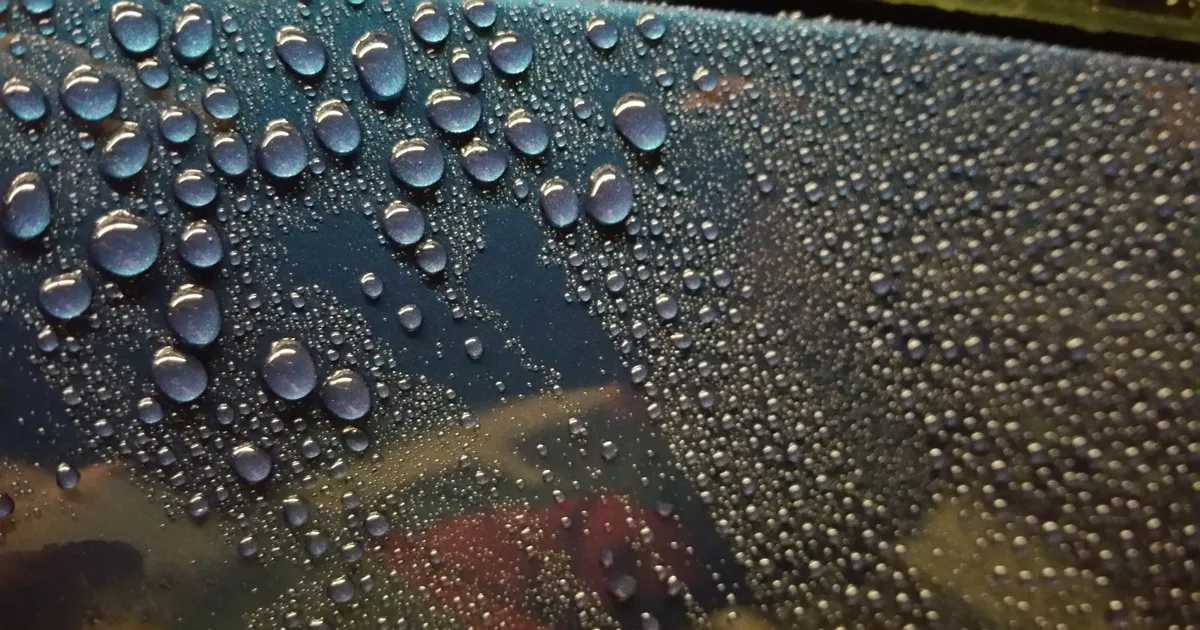
If your windshield looks hazy or water doesn’t bead off like it used to, a glass sealant for cars can restore clarity and improve visibility. These products create a protective layer that repels water, resists contaminants, and reduces glare at night.
Manufacturer specs confirm most quality sealants last between 3 to 12 months, depending on the type and conditions. That makes them a practical upgrade for anyone tired of constant wiper use or streaky glass.
Quick Answer
Glass sealant for cars is a protective coating for windshields and windows. It repels water, improves rain visibility, and resists stains. Most last 3 to 12 months.
Hydrophobic types bead water, while ceramic options last longer.
Do You Actually Need a Glass Sealant for Your Car?
You likely do if you drive in rain often. Sealants make water bead up and roll off, so your wipers work less and you see better. They also protect against hard water spots, bird droppings, and UV damage that can cloud glass over time.
Aggregate reviews report that drivers in high-pollution or coastal areas notice the biggest difference. If your glass stays clean longer and water sheets off easily, you probably don’t need one yet.
How Glass Sealants Work on Automotive Glass
Glass sealants fill microscopic pores in the glass surface, creating a smooth, non-stick layer. This layer causes water to bead rather than spread, which is why rain slides off so easily. The same effect reduces how much dirt and grime stick to the glass.
Silicone-based sealants work by forming a flexible barrier, while ceramic sealants bond chemically for longer-lasting protection. Per ASTM testing standards, hydrophobic coatings typically achieve a water contact angle above 90 degrees, meaning water beads tightly.
Hydrophobic vs. Ceramic vs. Silicone: The 3 Main Types Explained
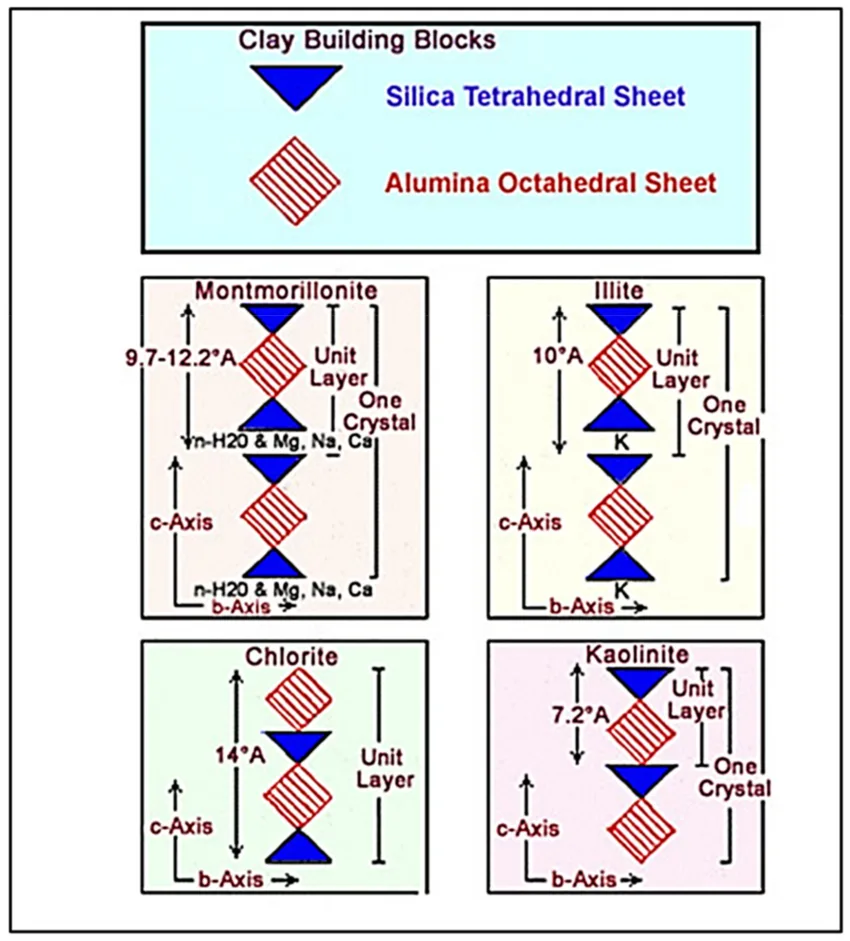
Image source: Bing (Web (fair-use with source credit))
Hydrophobic sealants are the most common and focus on water repellency. They’re easy to apply and usually last 3 to 6 months. You’ll see water bead up and roll off, which is great for rain but doesn’t offer much protection against scratches or UV damage.
Ceramic sealants use nano-ceramic particles to create a harder, more durable layer. They last 6 to 12 months and resist UV rays, chemical etching, and minor scratches. The trade-off is they’re pricier and often require more prep work.
Silicone-based sealants are the budget-friendly option. They’re simple to apply and give decent water repellency for 1 to 3 months. However, they can attract dust and don’t last as long as the other types.
Best Glass Sealants Compared Side by Side
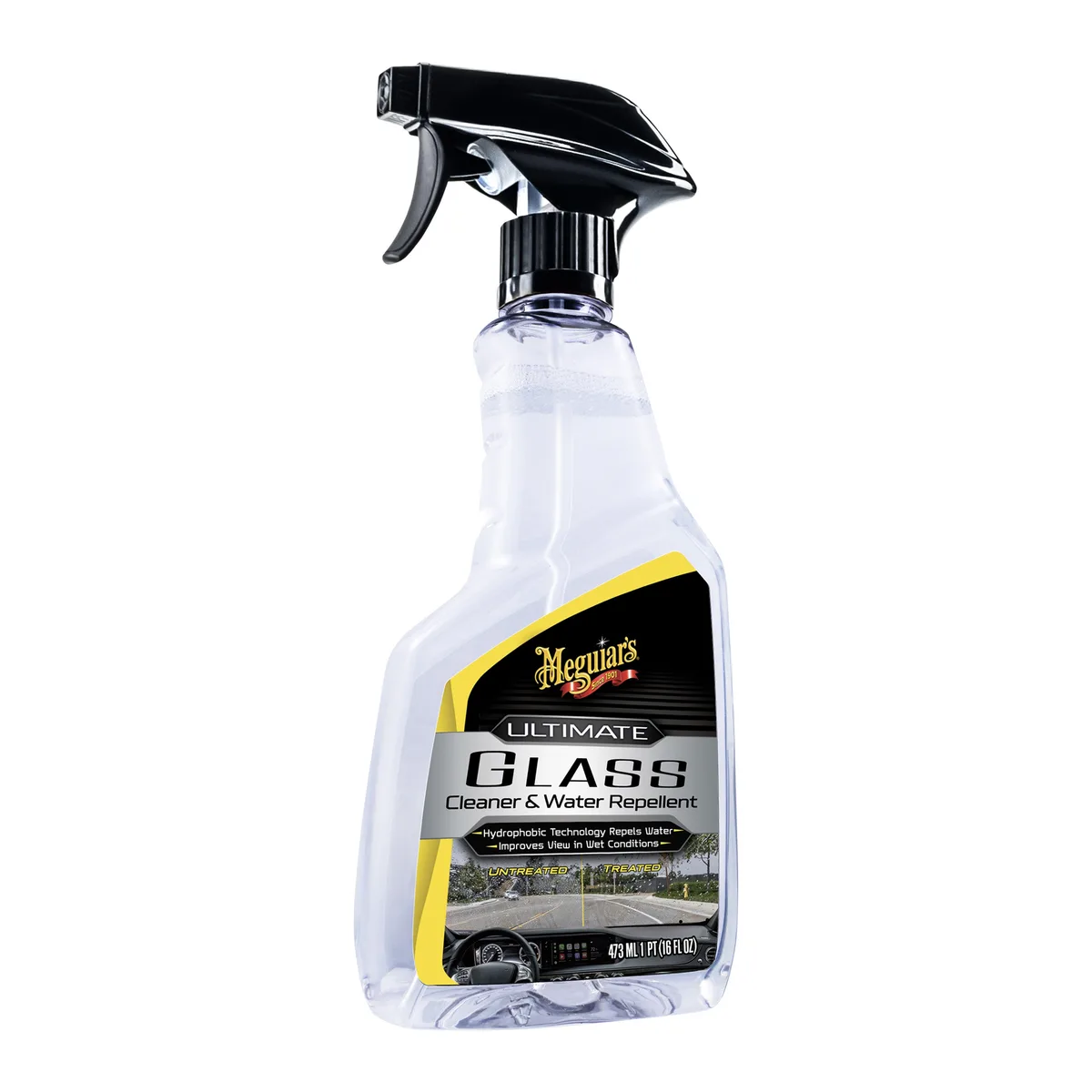
Image source: Bing (Web (fair-use with source credit))
| Type | Durability | Water Repellency | UV Protection | Ease of Application | Price Range |
|---|---|---|---|---|---|
| Hydrophobic (e.g., Rain-X) | 3–6 months | Excellent | Moderate | Very easy | $10–$20 |
| Ceramic (e.g., CarPro) | 6–12 months | Excellent | High | Moderate | $50–$100+ |
| Silicone-based | 1–3 months | Good | Low | Very easy | $10–$25 |
Hydrophobic sealants like Rain-X are the go-to for most drivers because they’re affordable and effective. Ceramic options, such as those from CarPro or Gyeon, are ideal if you want long-term protection and don’t mind paying more. Silicone-based sealants are best for quick, temporary fixes.
If you frequently use a touchless car wash, a ceramic sealant will hold up better over time.
What to Look for When Choosing a Glass Sealant
Durability tops the list. A sealant that lasts 6 to 12 months saves you time and effort compared to one that fades in weeks. Check the label for expected lifespan under normal conditions.
Water repellency is next. Look for products that specify a high water contact angle, typically above 90 degrees. This ensures rain beads up and rolls off instead of streaking.
UV protection matters if you park outside often. Prolonged sun exposure can degrade glass over time, so a sealant with UV inhibitors helps maintain clarity. Ease of application is another factor.
Spray-on formulas are beginner-friendly, while paste versions often deliver better coverage but require more effort.
Step-by-Step: How to Apply Glass Sealant Like a Pro
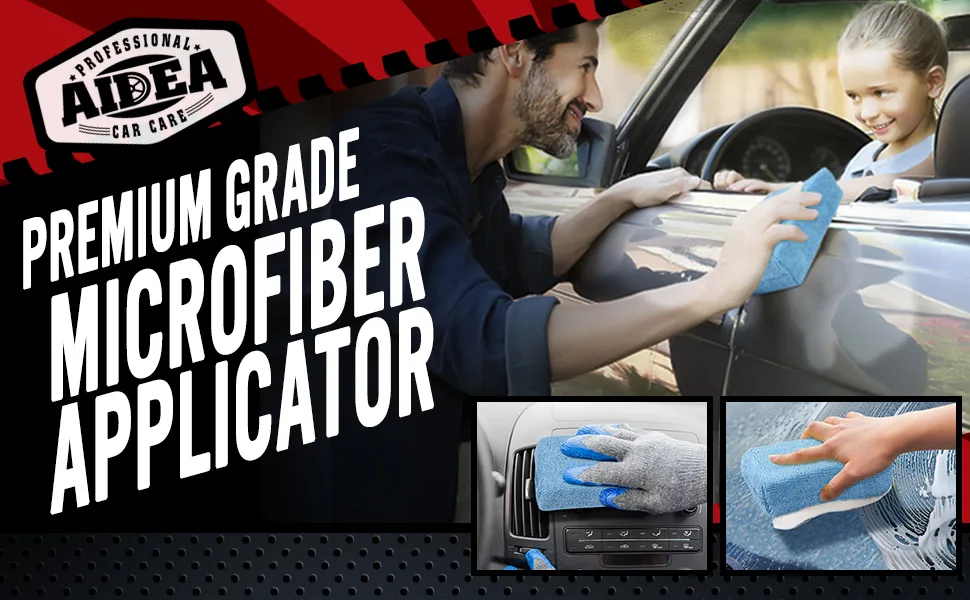
Image source: Bing (Web (fair-use with source credit))
Start with a clean surface. Use an ammonia-free glass cleaner and a microfiber towel to remove all dirt, grease, and old sealant. Any residue left behind will prevent the new sealant from bonding properly.
Apply the sealant in the shade. Direct sunlight causes the product to dry too quickly, leading to streaks. Use an applicator pad or a clean microfiber cloth to spread a thin, even layer.
Work in small sections, about 2 feet by 2 feet, to ensure full coverage.
Let it cure. Most sealants need 5 to 30 minutes to set, but check the product instructions. Avoid driving in rain or washing the car for at least 12 to 24 hours to allow the sealant to fully bond.
Common Mistakes That Ruin Your Glass Sealant
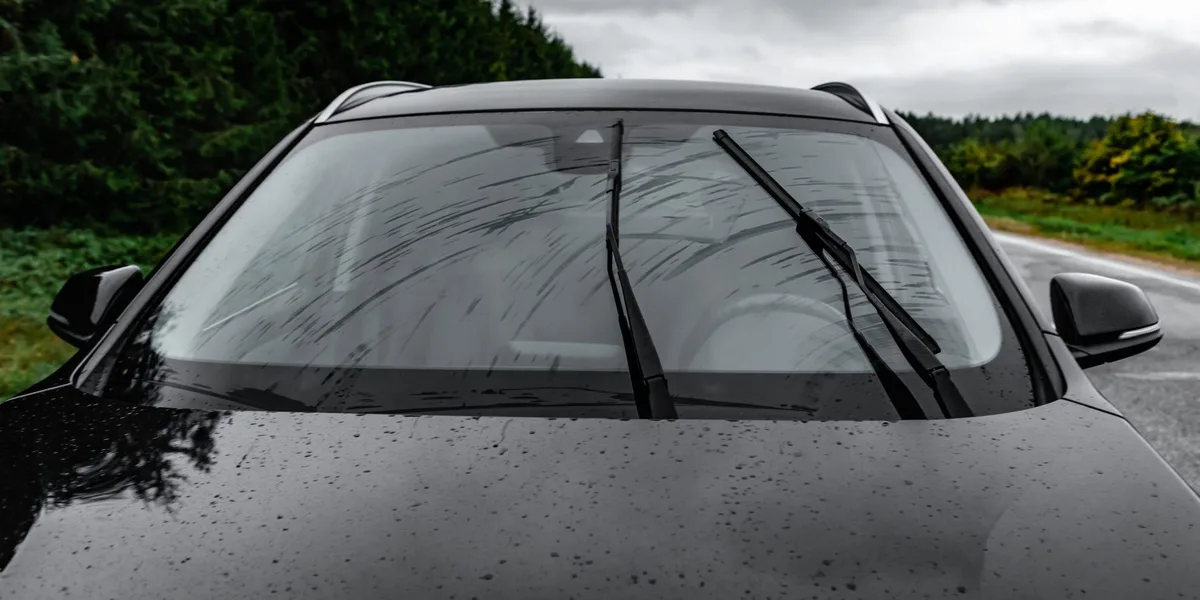
Image source: Web (Bing) / ieabp.com (Web image (fair-use with source credit))
Applying sealant to a dirty windshield is the most common error. Even a thin layer of dust or old wax will prevent proper adhesion. Always clean the glass thoroughly first.
Using too much product causes streaks and hazing. A thin, even layer is all you need. Excess sealant won’t improve performance and can make the glass look cloudy.
Applying in direct sunlight or high heat speeds up drying time, which can lead to uneven coverage. Work in a cool, shaded area for the best results. Skipping the curing time is another mistake.
Driving in rain or washing the car too soon can wash away the sealant before it fully bonds.
How Long Does Glass Sealant Last (and When to Reapply)?
Silicone-based sealants typically last 1 to 3 months. They’re the shortest-lived but also the easiest to apply. Hydrophobic sealants usually hold up for 3 to 6 months, making them a solid middle-ground option.
Ceramic sealants offer the longest protection, often lasting 6 to 12 months. Their durability comes from a stronger chemical bond with the glass. Climate affects lifespan too.
In areas with heavy rain, extreme heat, or frequent automatic car washes, you may need to reapply sooner.
Watch for signs that it’s time to reapply. If water stops beading and starts streaking, or if the glass looks hazy, the sealant has likely worn off. A simple water test can confirm this.
Spray water on the glass. If it beads up, the sealant is still active. If it sheets or sticks, it’s time for a fresh coat.
Does Glass Sealant Prevent Cracks, Scratches, or Pitting?
Glass sealant does not prevent cracks. It’s not a structural reinforcement. A rock or debris impact will still chip or crack the glass.
However, it can make small chips less noticeable by filling in microscopic imperfections.
Scratch resistance is limited. Sealants add a protective layer that can reduce minor scratches from wipers or debris, but they won’t stop deep scratches. For significant protection against scratches, a ceramic coating is a better choice.
Pitting is another issue sealants can’t fully prevent. Over time, sand and road grit can etch tiny pits into the glass. A sealant can slow this process by creating a barrier, but it won’t stop it entirely.
Regular cleaning and reapplication help maintain the glass in better condition.
Glass Sealant vs. Wax vs. Ceramic Coating: Which Is Right for You?
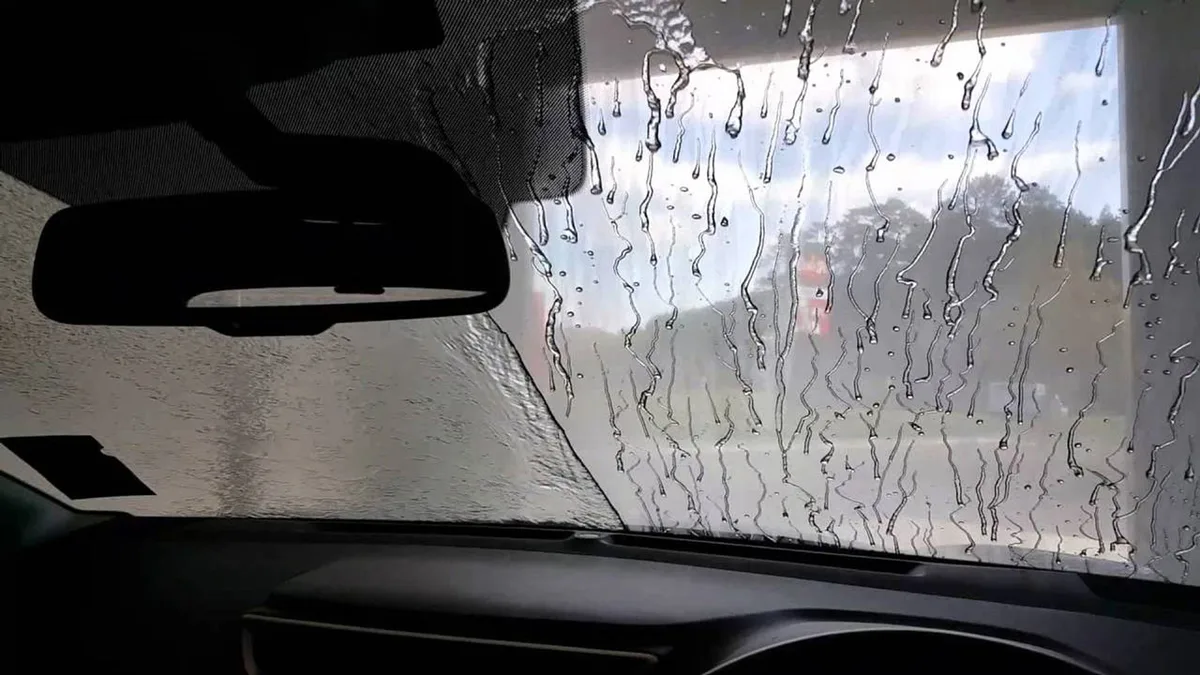
Image source: Bing (Web (fair-use with source credit))
Glass sealant is the easiest to apply and most affordable. It lasts 3 to 12 months and excels at water repellency. Wax offers minimal protection and wears off in weeks, making it the least effective for glass.
Ceramic coatings provide the longest durability, often 2 to 5 years. They bond chemically to the glass, offering superior UV and scratch resistance. The downside is the higher cost and more complex application, often requiring professional installation.
For most drivers, a glass sealant strikes the best balance between performance and convenience. If you want maximum longevity and don’t mind the cost, a ceramic coating is the premium choice. Wax is only suitable for temporary, light-duty use.
Best Glass Sealants for Rainy Climates, Winter, and UV Protection
In rainy climates, hydrophobic sealants like Rain-X are ideal. They cause water to bead and roll off, improving visibility during downpours. Reapply every 3 to 6 months for consistent performance.
For winter conditions, look for sealants with anti-ice properties. These make it easier to remove frost and snow from your windshield. Ceramic-based options also resist freezing temperatures better than silicone-based ones.
UV protection is critical in sunny regions. Ceramic sealants offer the best defense against UV rays, which can cause glass to yellow or weaken over time. If you park outside often, prioritize a sealant with UV inhibitors.
Safety & Compatibility: What You Should Never Do
Never apply sealant to plastic trim or rubber gaskets. The chemicals can cause discoloration or damage. Stick to glass surfaces only.
Avoid applying in direct sunlight or on a hot windshield. The heat can cause the sealant to dry too quickly, leading to streaks or uneven coverage. Always work in a shaded, cool area.
Don’t use household glass cleaners with ammonia before applying sealant. Ammonia can leave residue that prevents proper bonding. Use an ammonia-free automotive glass cleaner instead.
Final Verdict: Which Glass Sealant Should You Buy?
For most drivers, a hydrophobic sealant like Rain-X offers the best balance of performance and value. It’s easy to apply, lasts 3 to 6 months, and significantly improves visibility in rain. The water beading effect alone makes it worth the minimal cost.
If you want longer protection and don’t mind spending more, a ceramic sealant is the upgrade. Products from CarPro or Gyeon can last up to a year and provide superior UV and scratch resistance. They’re ideal for those who park outside often or drive in harsh conditions.
Silicone-based sealants are best for quick, temporary fixes. They’re budget-friendly and simple to use but require more frequent reapplication. Avoid them if you live in dusty areas, as they can attract particles.
Frequently Asked Questions
Can I apply glass sealant in cold weather?
Yes, but avoid temperatures below 50°F. Cold weather can slow curing and reduce effectiveness. Always check the product’s recommended temperature range.
Will glass sealant affect my windshield wipers?
It can reduce friction, making wipers last longer. However, uneven application may cause squeaking. Clean your wipers before applying sealant.
How do I remove old glass sealant?
Use isopropyl alcohol or a dedicated glass cleaner. Spray it on, let it sit for a minute, then wipe away with a microfiber cloth. Avoid abrasive pads.
Does glass sealant work on side mirrors?
Yes, but test a small area first. Some sealants may leave a haze on plastic mirrors. Hydrophobic types are generally safe.
Can I use glass sealant on my sunroof?
Yes, but ensure the product is safe for tempered glass. Apply in small sections to avoid streaks. Reapply every 3 to 6 months for best results.