ByMax Lee
BMW Car Wash Guide: Safe & Effective Cleaning Tips
A bmw car wash isn’t as simple as pulling into the nearest tunnel. The wrong method can leave swirl marks, strip protective coatings, or even damage sensors. BMWs often have softer clear coats and advanced driver-assist tech that needs careful handling.
Manufacturer specifications indicate BMW paint is typically 120, 150 microns thick, which means it’s more prone to scratches than some mainstream brands. That’s why the wash method you choose matters more than you might think.
Quick Answer
A bmw car wash should avoid harsh brushes. Automatic washes with soft cloth are safer than brush types. Hand washing is the gentlest option.
Ceramic coatings need pH-neutral soaps.
Bing (Web (fair-use with source credit))
Should You Take Your BMW Through a Car Wash?
If your BMW has a standard clear coat and no special finishes, a touchless or soft-cloth automatic wash is usually fine. But if it’s got a matte wrap, satin paint, or a fresh ceramic coating, you’ll want to skip the tunnel entirely. The risk isn’t just cosmetic, some automatic washes can even misalign sensors or scratch trim.
As of 2026, most BMW dealerships recommend hand washing for models with advanced driver-assistance systems. The cameras and sensors behind the windshield or in the grille can be sensitive to high-pressure sprays or aggressive brushes.
Automatic vs. Hand Wash: Which Is Safe for Your BMW?
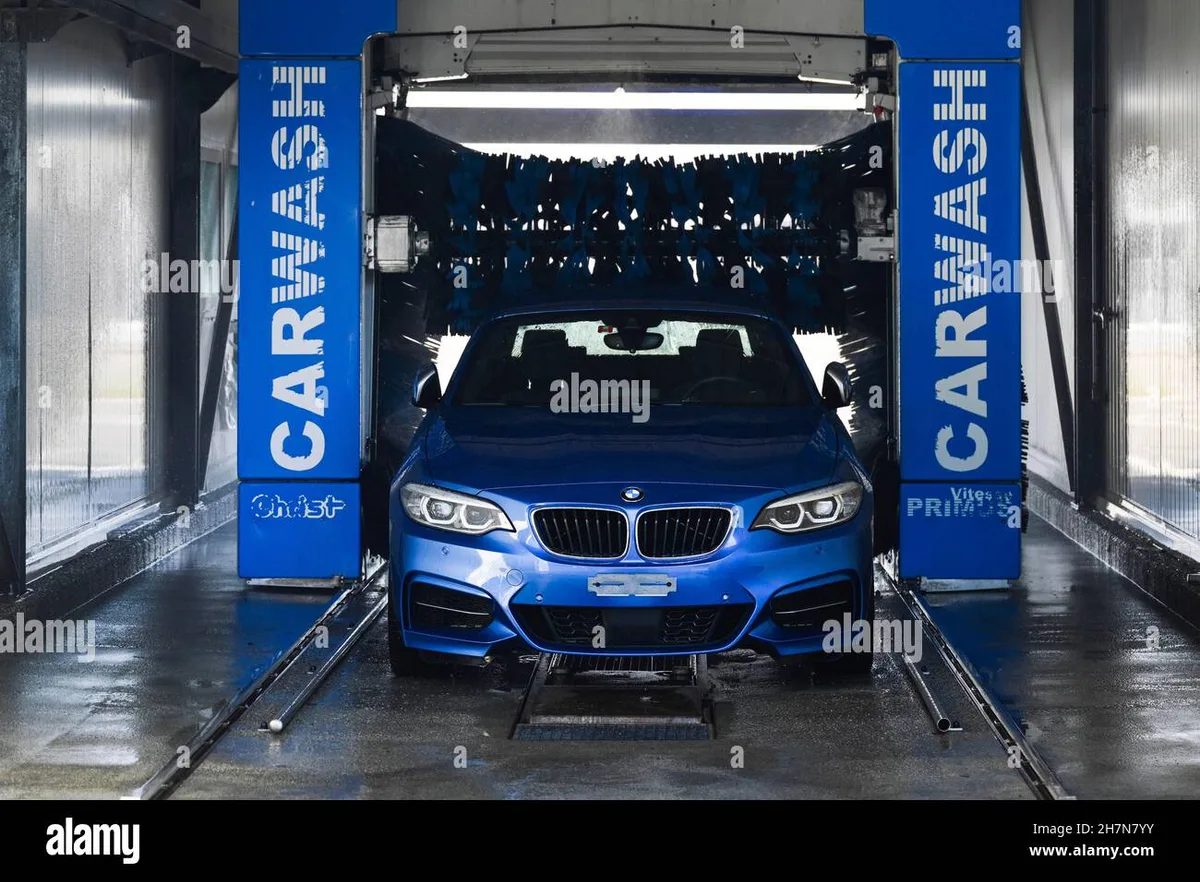
Automatic washes fall into three categories: brush, soft-cloth, and touchless. Brush washes are the riskiest for BMW paint, as the bristles can trap dirt and drag it across the surface. Soft-cloth systems use fabric strips that are gentler but still not foolproof.
Touchless washes rely on high-pressure water and chemicals, which are safe for paint but may not clean as thoroughly.
Hand washing, on the other hand, gives you full control. You can use the right products, avoid high-pressure water near seals, and ensure every inch gets attention. It’s the gold standard for paint preservation, especially for darker colors like black or deep blue that show swirl marks easily.
Bing (Web (fair-use with source credit))
The trade-off is time and effort. A hand wash takes 30, 60 minutes, while an automatic wash is done in under 15. If you’re short on time but still want to protect your paint, look for a touchless or soft-cloth automatic wash with a pre-soak cycle.
The 5 Types of Car Washes—Ranked for BMW Owners
| Rank | Type | Pros | Cons | Best For |
|---|---|---|---|---|
| 1 | Hand Wash | Safest for paint, full control | Time-consuming, physical effort | All BMWs, especially with ceramic coatings or special finishes |
| 2 | Touchless Automatic | No brush contact, fast | May miss stubborn dirt, chemical-heavy | Standard clear coat BMWs, quick cleanups |
| 3 | Soft-Cloth Automatic | Faster than hand wash, gentler than brush | Still some risk of trapped dirt | Daily drivers, lighter-colored BMWs |
| 4 | Self-Service | Control over pressure and soap | Inconsistent equipment, user error risk | Budget-conscious owners, spot cleaning |
| 5 | Brush Automatic | Fast, cheap | High scratch risk, harsh on paint | Avoid for BMWs |
When an Automatic Car Wash Is Okay (And When It’s Not)
An automatic car wash is acceptable if it’s a touchless or soft-cloth system and your BMW has a standard clear coat. It’s also fine for quick cleanups between deeper hand washes, as long as you’re not using it as your primary method.
Avoid automatic washes if your BMW has:
- Matte or satin paint
- A fresh ceramic coating (first 30 days)
- Vinyl wraps or decals
- Advanced driver-assist sensors
- Visible swirl marks or existing paint damage
If you’re unsure, err on the side of caution. A single bad wash can cause damage that costs hundreds to fix.
How to Hand Wash Your BMW Like a Pro (Step by Step)
Start with a pre-rinse to remove loose dirt. Use a pressure washer set to 1,200, 1,900 PSI or a hose with a gentle nozzle. Avoid aiming directly at seals, sensors, or open windows.
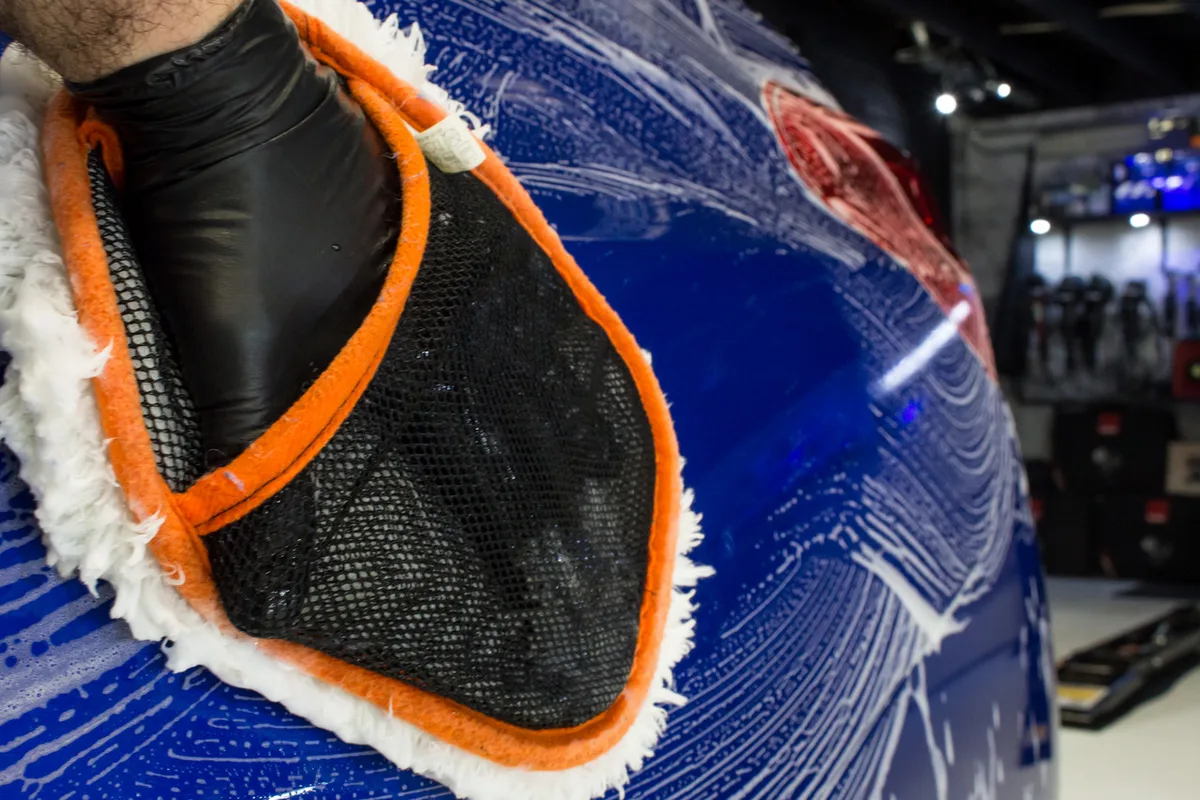
Next, use the two-bucket method. One bucket holds soapy water, the other clean rinse water. Dip your microfiber wash mitt in the soap bucket, wash a panel, then rinse the mitt in the clean water bucket before reloading with soap.
Bing (Web (fair-use with source credit))
Work top-down, starting with the roof and moving to the lower panels. Clean wheels and tires first with a dedicated wheel cleaner to avoid overspray on fresh paint. Use a separate mitt for wheels to prevent cross-contamination.
Dry with a high-quality microfiber towel or an air blower. Pat dry instead of dragging the towel to avoid swirl marks. Finish with a quick detailer spray for extra shine and protection.
The Right (and Wrong) Products for BMW Paint
Use pH-balanced car soap specifically designed for automotive paint. Avoid dish soap, household cleaners, or anything with harsh detergents. These can strip wax or damage clear coats over time.
For wheels, choose a wheel cleaner that’s safe for your BMW’s finish. Acid-based cleaners work well for brake dust but can damage certain wheel coatings. Always check the label for compatibility.
Microfiber wash mitts and towels are non-negotiable. Regular sponges or brushes can trap dirt and scratch the surface. Replace mitts and towels when they become stained or worn.
Avoid automatic car wash soaps if hand washing. These are often too harsh for regular use and can leave residue. Stick to products labeled as safe for clear coats and ceramic coatings.
Common Car Wash Mistakes That Ruin BMW Finishes
Washing in direct sunlight causes water to dry too quickly, leaving spots. Always wash in the shade or on a cloudy day. If you must wash in the sun, work in small sections and dry immediately.
Using the same mitt for the body and wheels spreads brake dust and grime. This is a fast track to swirl marks. Dedicate separate mitts for wheels and paint.
Skipping the pre-rinse means you’ll drag dirt across the paint while washing. This scratches the clear coat. A thorough pre-rinse removes up to 70% of surface contaminants before you even touch the car.
Overlooking the underbody is a mistake, especially in winter. Salt and grime build up quickly and can cause rust. Use a pressure washer with an underbody attachment or visit a car wash with an undercarriage spray.
How Often Should You Wash Your BMW? (Climate Matters)
In mild climates with low pollution, washing every two weeks keeps your BMW looking its best. This prevents dirt buildup and maintains the protective properties of wax or ceramic coatings.
In harsh climates, you may need to wash weekly. Road salt in winter or high pollen counts in spring can damage paint and undercarriages if left unchecked. Pay extra attention to the underbody and wheel wells in these conditions.
For garage-kept BMWs driven occasionally, a monthly wash is usually sufficient. Dust and light dirt won’t cause immediate harm but can dull the finish over time.
If your BMW has a ceramic coating, you can stretch intervals slightly. These coatings repel dirt and make cleaning easier. However, they don’t eliminate the need for regular washing to maintain appearance and protection.
Ceramic Coating or Wax? How It Changes Your Wash Routine
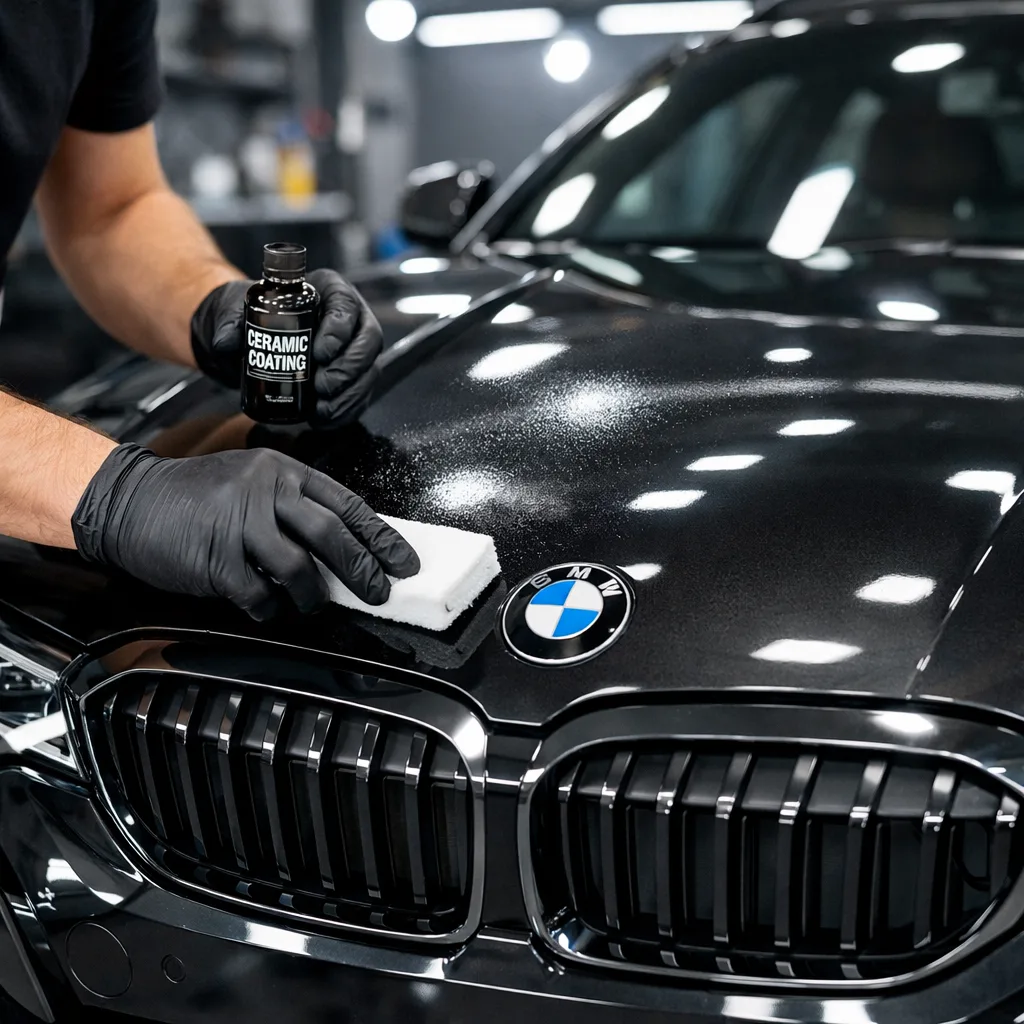
Ceramic coatings last 2, 5 years and provide superior protection against UV rays, chemicals, and minor scratches. They make washing easier because dirt and water bead off the surface. However, they require a professional application and a higher upfront cost.
Wax is easier to apply and more affordable but lasts only 3, 6 months. It enhances shine and provides basic protection but needs frequent reapplication. Wax is a good choice for those who enjoy the detailing process.
Bing (Web (fair-use with source credit))
With a ceramic coating, you can use a pH-neutral soap and a pressure washer more freely. The coating’s hydrophobic properties reduce the risk of water spots. Still, avoid harsh brushes or automatic car washes with abrasive materials.
Waxed BMWs need gentler care. Use a mild car soap and avoid high-pressure washers, which can strip the wax prematurely. Reapply wax every few months to maintain protection and shine.
BMW-Specific Risks: Sensors, Trim, and Underbody Care
Modern BMWs have cameras and sensors for driver-assist features. High-pressure water can damage these if aimed directly at them. Always check your owner’s manual for sensor locations.
Trim pieces and badges can fade or peel if cleaned with harsh chemicals. Use a dedicated trim restorer or mild soap to keep them looking new. Avoid abrasive polishes on plastic or rubber parts.
The underbody is often overlooked but critical. Salt and road grime accumulate here, leading to rust. Use a pressure washer with an underbody attachment or visit a car wash with an undercarriage spray.
For electric BMWs, avoid spraying water directly at charging ports or battery areas. Stick to gentle cleaning methods around these components. The manual will specify safe cleaning zones.
Cost Breakdown: DIY vs. Professional vs. Automatic
DIY washing costs the least upfront. A basic setup with soap, mitts, and towels runs about $50, $100. The trade-off is your time and effort.
Professional hand washes at detail shops or dealerships cost $50, $150 per session. This includes thorough cleaning, drying, and sometimes wax or sealant application. It’s the safest option for paint but adds up over time.
Automatic washes are the cheapest at $10, $25 per wash. However, the long-term cost of paint correction from swirl marks can outweigh the savings. Consider this a quick fix, not a primary method.
Mobile detailing services fall in the middle at $75, $200. They come to you and often include interior cleaning. This is convenient but may not be as thorough as a full-service detail shop.
Mobile Detailing vs. Drive-Thru: Which Saves Time (and Paint)?
Mobile detailing saves you a trip and often includes interior cleaning. It’s convenient for busy schedules but may not be as consistent as a dedicated car wash. Quality varies by provider.
Drive-thru automatic washes are the fastest option. You’re in and out in 10, 15 minutes. However, the speed comes at the cost of paint safety, especially with brush systems.
For paint preservation, mobile detailing with a hand wash is the better choice. It takes longer but reduces the risk of damage. Drive-thru washes are best reserved for emergency cleanups.
If you choose mobile detailing, verify they use BMW-safe products. Some services cut corners with cheap soaps or harsh chemicals. Ask about their process before booking.
FAQs About Washing a BMW
Can I take my BMW through an automatic car wash with a ceramic coating?
Yes, but only touchless or soft-cloth systems. Brush washes can still scratch the coating. Always rinse off any residue afterward to maintain the hydrophobic properties.
How do I dry my BMW without causing swirl marks?
Use a high-quality microfiber towel and pat dry instead of dragging. An air blower is even safer for paint. Avoid chamois or regular towels, which can trap dirt.
Is it safe to pressure wash my BMW?
Yes, if you keep the PSI between 1,200, 1,900 and avoid aiming at seals or sensors. Use a 40-degree nozzle for a gentle, wide spray. Never pressure wash a matte or satin finish.
What’s the best soap for a BMW with a ceramic coating?
Use a pH-neutral car soap designed for coated vehicles. Avoid harsh detergents or automatic car wash soaps. These can degrade the coating over time.
How often should I wash my BMW in winter?
Weekly if you drive in snowy or salty conditions. Salt and grime accelerate rust and paint damage. Focus on the underbody and wheel wells.
Can I use a self-service car wash on my BMW?
Yes, but with caution. Use the gentle settings and avoid the brushes. Bring your own microfiber mitt and pH-balanced soap for best results.