Black Friday deals are live on Amazon · limited-time discounts, grab them before they’re gone
Grab the deals

ByMax Lee
EV Battery Cooling Vents: Can High-Pressure Water Cause Long-Term Damage? Shocking Truth Revealed!
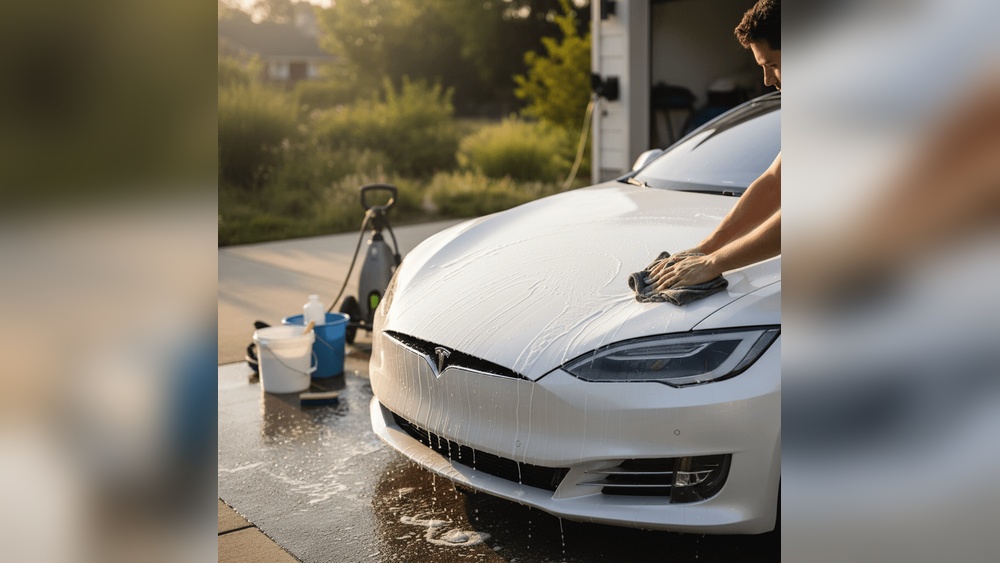
A pressure washer can damage parts of an electric vehicle, but the risk is often misunderstood. Most EV battery packs do not cool through exposed “air vents” that lead directly into the cells. Instead, they commonly use a sealed liquid-cooling circuit, while separate pressure-equalization vents, underbody covers, air intakes, and thermal-management components protect the battery system.
The practical answer is this:
High-pressure water usually will not damage an EV battery when used at a sensible distance and according to the manufacturer’s washing instructions. However, directing a concentrated jet at battery-pack seams, pressure vents, connectors, charging hardware, or damaged underbody panels can create long-term problems.
The danger is not simply “water touching an EV.” It is the combination of excessive pressure, a narrow spray pattern, vulnerable seals, existing damage, and water being forced into places it was never designed to reach. For more on this, see our guide on report nj traffic accident to state police for.
What Are EV Battery Cooling Vents?
The phrase EV battery cooling vents can describe several different components, and identifying the correct one matters.
Battery-pack pressure vents
A high-voltage battery pack is enclosed in a protective housing. As the pack heats and cools, internal air pressure can change. A pressure-equalization vent helps manage that change while limiting the entry of water, dust, and contaminants.
This vent is not normally an open passage into the battery cells. It may contain a hydrophobic membrane or other protective material that allows air movement while resisting liquid water. A strong, close-range spray can still deform the vent, damage its membrane, or drive water against surrounding seals.
Cabin and thermal-system air intakes
Some EVs have visible grilles for the passenger-compartment HVAC system or for other thermal-management components. These may be located near the front bumper, wheel arches, windshield area, or underbody.
They are not necessarily battery vents. Blocking or damaging them can affect heating, air conditioning, defrosting, or thermal control without directly exposing the battery cells.
Liquid-cooling hardware
Many modern EV battery systems transfer heat through coolant channels or plates connected to a cooling loop. The coolant circulates inside the pack and through heat exchangers, rather than relying on outside air flowing through the battery.
In practice, the most important exterior protection is often the battery enclosure, its seals, coolant lines, electrical connectors, and underbody shield—not an exposed hole that owners should routinely spray.
Why EV Batteries Need Thermal Management
Lithium-ion batteries perform best within a controlled temperature range. Driving, rapid charging, regenerative braking, and very cold weather can all affect battery temperature.
An EV’s thermal-management system may:
- Remove heat during heavy acceleration or fast charging
- Warm the battery in cold conditions
- Reduce charging power when the pack is too hot or cold
- Help keep individual battery modules operating consistently
- Protect battery performance and long-term durability
Excessive heat can accelerate battery aging, while extreme cold can temporarily reduce available power and charging speed. The vehicle’s battery-management system monitors temperature and may limit performance to protect the pack.
For an overview of broader EV equipment and road-use considerations, owners can also review this guide to vehicle requirements in demanding conditions.
Can High-Pressure Water Cause Long-Term Damage?
Yes—but the risk depends on how and where it is used
A pressure washer does not automatically make an EV unsafe. Manufacturers design vehicles to withstand rain, road spray, puddles, and normal car washing. The concern is a concentrated jet held close to a vulnerable component.
High-pressure water may contribute to long-term damage by:
Overloading seals and membranes
A narrow jet can force water against pack seams, pressure-equalization vents, charging-port seals, and electrical connectors.Driving grit into a joint
Water can carry sand, salt, and road debris into a seal. Once trapped, these particles can slowly abrade rubber and create paths for moisture.Damaging underbody shields
Battery trays and covers may be made from composite material, aluminum, or coated steel. A close jet can loosen clips, lift protective coatings, or worsen an existing crack.Creating corrosion conditions
Moisture retained around connectors, fasteners, or damaged coatings may lead to corrosion. Corrosion is often a delayed problem rather than an immediate failure.Worsening pre-existing damage
A bent underbody panel, scraped pack housing, missing fastener, or torn seal is more vulnerable than an intact factory assembly.Contaminating airflow or drainage paths
High-pressure cleaning can move mud and debris into small channels, drains, grilles, and vents instead of removing it.
The likelihood of serious damage is much lower when the spray is broad, held well away from the vehicle, and kept off sensitive areas.
Is Water Inside an EV Battery Always Dangerous?
Water entering the sealed cell compartment is a serious issue, but ordinary exterior rain or washing does not mean water has reached the cells. EV battery packs are engineered with enclosure seals, protective covers, venting arrangements, sensors, and isolation monitoring.
A problem becomes more likely when:
- The vehicle has been in a flood
- The battery enclosure has impact damage
- An underbody cover is missing or cracked
- A connector or seal has been disturbed during repair
- The pressure vent has been damaged
- Water has been forced into a close-range opening
- The vehicle displays a high-voltage or isolation fault
Potential consequences can include corrosion, insulation loss, electrical faults, sensor errors, reduced charging, or a delayed safety problem. Do not assume that a vehicle is safe simply because it drove normally immediately after washing.
If the vehicle has suffered impact or water intrusion, do not remove battery covers or probe high-voltage components. A qualified EV technician should inspect it.
What the Vehicle’s Water-Resistance Rating Really Means
An EV’s water protection is not a promise that every component can withstand any pressure washer. Water-resistance testing generally applies to specific conditions, angles, durations, and assemblies. It does not authorize owners to aim a narrow jet at every seal or connector.
A vehicle may tolerate:
- Rain and road splash
- Routine automated car washing
- Carefully performed hand washing
- Water from a normal garden hose
That does not necessarily mean it tolerates:
- A pressure washer held a few inches from a vent
- A turbo or zero-degree nozzle
- Direct spray into an open charging port
- High-pressure cleaning under a damaged vehicle
- Repeated blasting of battery-pack seams
- Water directed at exposed connectors or cooling hardware
Always prioritize the owner’s manual. If the manual gives a specific distance, nozzle, or underbody-cleaning instruction, follow it rather than relying on generic pressure-washer advice.
The Safest Way to Wash an EV
Before washing
- Park on a stable surface and switch the vehicle off as instructed by the manufacturer.
- Close all doors, windows, the trunk, and the charging-port door.
- Remove debris by rinsing gently rather than blasting it into seams.
- Inspect the lower bumper and underbody for loose panels, scrapes, or missing fasteners.
- Avoid washing a vehicle with visible battery or underbody impact damage until it has been checked.
A common mistake is to begin with a concentrated jet at the dirtiest area. That can force abrasive grit deeper into seals before the dirt has been safely loosened.
During washing
- Use a soft mitt, microfiber cloth, or a two-bucket washing method for painted surfaces.
- Prefer a garden hose or a pressure washer with a wide fan pattern.
- Keep the nozzle at a generous distance from the vehicle.
- Use low pressure around the lower body, wheel arches, charging port, and underbody.
- Spray across a surface rather than directly into a seam or opening.
- Do not target pressure-equalization vents, electrical connectors, or battery-pack joints.
- Dry the charging-port area and inspect it before plugging in.
After washing
- Let water drain naturally from the underbody and wheel wells.
- Check that the charging flap is clean and dry.
- Look for warning lights or unusual messages before driving.
- Do not cover a vent, grille, or drain with tape, stickers, mud, or aftermarket panels.
- If a panel has moved or a vent appears damaged, arrange an inspection.
| Area | Safer approach | Avoid |
|---|---|---|
| Painted body panels | Broad spray and soft wash media | Very close, narrow jet |
| Charging port | Keep closed while washing; dry afterward | Spraying directly inside |
| Battery enclosure | Follow the manual; use gentle rinsing | Blasting seams and covers |
| Wheel wells | Moderate rinse from a distance | Direct jet at connectors |
| Underbody | Use the manufacturer’s cleaning guidance | Cleaning a damaged pack yourself |
| Pressure vents | Leave them unobstructed and use minimal pressure | Probing or forcefully spraying them |
Pressure-Washer Settings and Technique
There is no universal “safe PSI” number for every EV. Nozzle type, spray angle, distance, flow rate, vehicle design, and the condition of the seals all matter.
For lower-risk cleaning:
- Choose a wide-angle fan spray rather than a pinpoint nozzle.
- Use the lowest pressure that removes the dirt.
- Keep moving instead of holding the jet in one place.
- Maintain more distance around the lower body and underbody.
- Never use a zero-degree or rotating turbo nozzle on battery-related areas.
- Do not lift or pry underbody panels to clean behind them.
- Stop if water appears to be entering a vent, seam, or connector.
In practice, hand washing is usually the most controllable option. A pressure washer can be useful for rinsing loose mud from tires and exterior panels, but it is a poor tool for forcing dirt out of battery-pack joints.
What to Do After Accidental Close-Range Spraying
If you briefly sprayed the underside or a vent too closely, do not panic. A single incident does not prove that the battery has been damaged.
Take these steps:
- Stop spraying and allow the vehicle to drain and dry.
- Do not connect the charger if the charging port is wet or contaminated.
- Check the dashboard for battery, charging, drivetrain, or electrical warnings.
- Look for unusual odors, smoke, hissing, heat, or fluid leakage.
- Avoid driving if the vehicle behaves abnormally.
- Contact the manufacturer, roadside assistance, or an EV-qualified repair facility for guidance.
Never open the battery pack yourself. High-voltage systems can remain dangerous even when the vehicle is switched off.
Warning Signs That Require Professional Inspection
Arrange an inspection if you notice any of the following after washing or underbody cleaning:
- “Electrical system” or high-voltage warning messages
- Charging that stops unexpectedly
- A sudden reduction in charging speed
- Unusual battery, coolant, or chemical odors
- Visible corrosion around connectors or underbody hardware
- A new coolant leak
- Unusual fan, pump, clicking, or buzzing sounds
- Reduced power or repeated “limited performance” messages
- Water visibly trapped inside a lamp, vent, or electrical housing
- A battery enclosure that is dented, scraped, or separated
If the vehicle has been submerged or exposed to floodwater, treat that as a separate and more serious event. Do not charge it until it has been assessed by a qualified professional.
Owners comparing inspection practices across jurisdictions may find this overview of vehicle safety inspections useful, although EV battery diagnosis itself should be performed according to the vehicle manufacturer’s procedures.
Maintenance That Helps Prevent Water Damage
Routine care is more effective than aggressive cleaning. Follow the service schedule and have the vehicle checked after impacts, deep-water events, or underbody repairs.
Useful habits include:
- Keep drain paths and exterior grilles free of leaves and mud.
- Do not install unapproved covers over vents or underbody panels.
- Replace missing clips and damaged shields promptly.
- Use only approved coolant and service procedures.
- Have warning lights diagnosed rather than clearing them repeatedly.
- Keep records and photographs if damage occurs during a wash or collision.
- Ask the repair facility whether the battery enclosure and seals were inspected.
If an EV also develops an emissions-related warning, remember that an EV can still have non-battery systems requiring diagnosis. This repair and compliance guide explains why warning messages should be addressed rather than ignored, even though its regulatory focus is different.
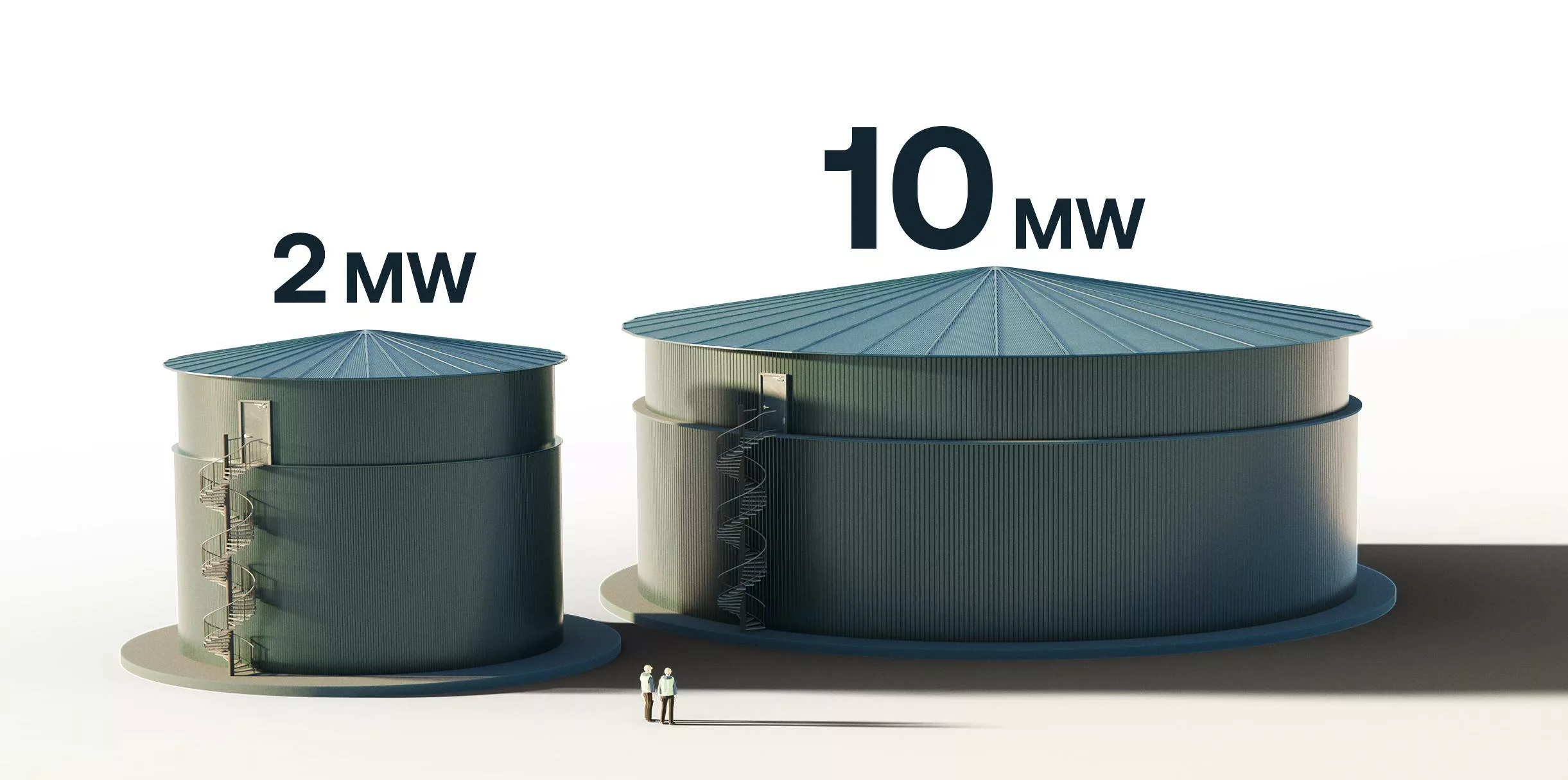
This image illustrates battery technology for context; it is not a diagram of an exposed vehicle cooling vent.
Credit: polarnightenergy.com
What Manufacturers and Safety Authorities Generally Recommend
The most reliable guidance is the manual for the exact make, model, and model year. Manufacturer instructions can differ because battery enclosures, charging ports, thermal systems, and underbody protections are not identical.
For broader vehicle safety information, the National Highway Traffic Safety Administration provides official recall and safety resources. A recall search is especially important if the vehicle has a known issue involving battery enclosures, charging systems, seals, or thermal management.
A technical article or image showing a battery cooling concept should not be treated as permission to pressure-wash a particular vehicle. The correct recommendation depends on the vehicle’s design and the condition of its protective components.

Technical diagrams can show thermal-management principles without representing a specific EV’s exterior vent layout.
Credit: wires.onlinelibrary.wiley.com
Frequently Asked Questions
Can high-pressure water damage EV battery cooling vents?
Yes, especially when a narrow, powerful jet is held close to a pressure vent, seal, connector, or damaged underbody panel. Normal rain and careful car washing are not equivalent to close-range pressure washing.
Do EV batteries have open air vents?
Some EVs have pressure-equalization vents or nearby air intakes, but many battery packs use liquid cooling inside a sealed enclosure. A visible grille on an EV may belong to the cabin HVAC or another thermal system rather than the battery itself.
Can I use a pressure washer on an electric car?
Usually, careful exterior use is possible, but the vehicle manual takes priority. Use a broad spray, maintain distance, avoid sensitive areas, and never target battery seams, charging hardware, pressure vents, or exposed connectors.
Is a garden hose safer than a pressure washer?
A garden hose generally delivers less concentrated force and is easier to control. It is still wise to avoid spraying directly into openings, charging ports, damaged panels, or underbody electrical components.
What should I do if the EV shows a warning after washing?
Stop using the charger if the charging area is wet, note the warning message, and contact the manufacturer or an EV-qualified technician. Do not remove battery covers or attempt high-voltage repairs yourself.
Can water cause delayed EV battery damage?
It can when moisture reaches damaged seals, connectors, or enclosure areas and corrosion develops over time. Delayed problems are more likely after flood exposure, impact damage, or aggressive cleaning of a compromised underbody.
Should I cover EV battery vents?
No. Blocking a pressure vent, drain, grille, or thermal-system opening can interfere with the vehicle’s design and may trap moisture. Use only manufacturer-approved parts and covers.
Final Verdict: Clean Your EV, but Do Not Blast Its Sensitive Areas
High-pressure water is not automatically fatal to an electric vehicle, and a normal wash does not usually send water into the battery cells. The real risk comes from using excessive force at close range, especially around pressure-equalization vents, battery-pack seams, underbody shields, connectors, and the charging port.
The safest routine is simple: follow the owner’s manual, use a broad low-force spray or hand-wash method, keep the jet away from battery-related openings, and inspect the vehicle after any impact or water intrusion.
If a warning light, charging problem, odor, leak, or damaged underbody component appears after washing, stop charging and arrange an EV-qualified inspection before continuing to drive.