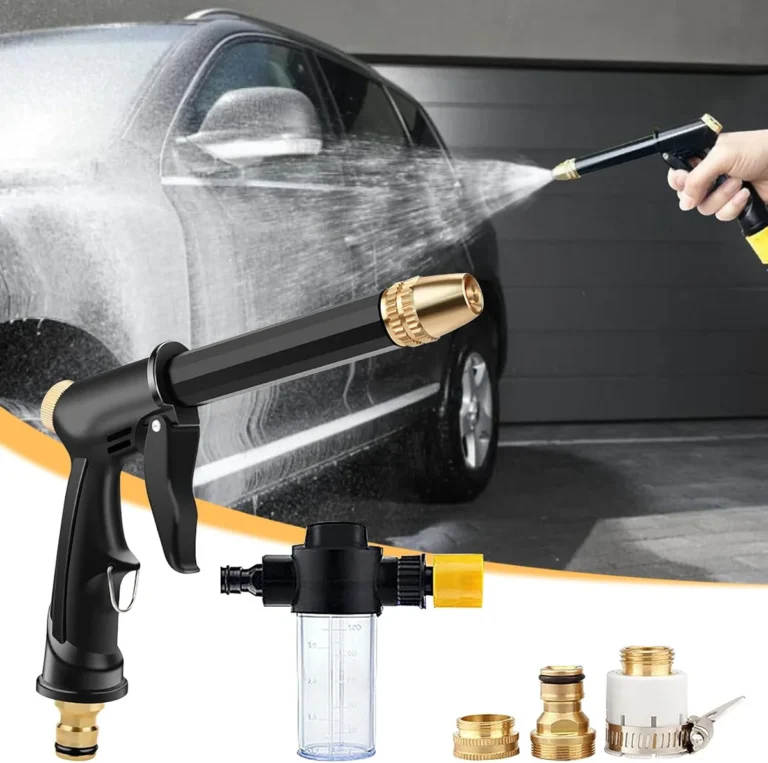
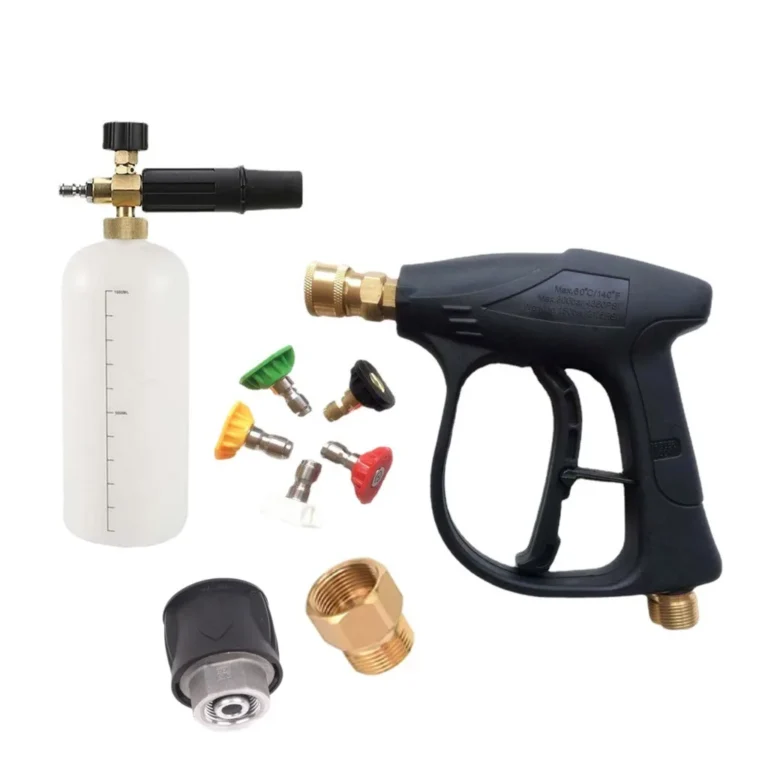
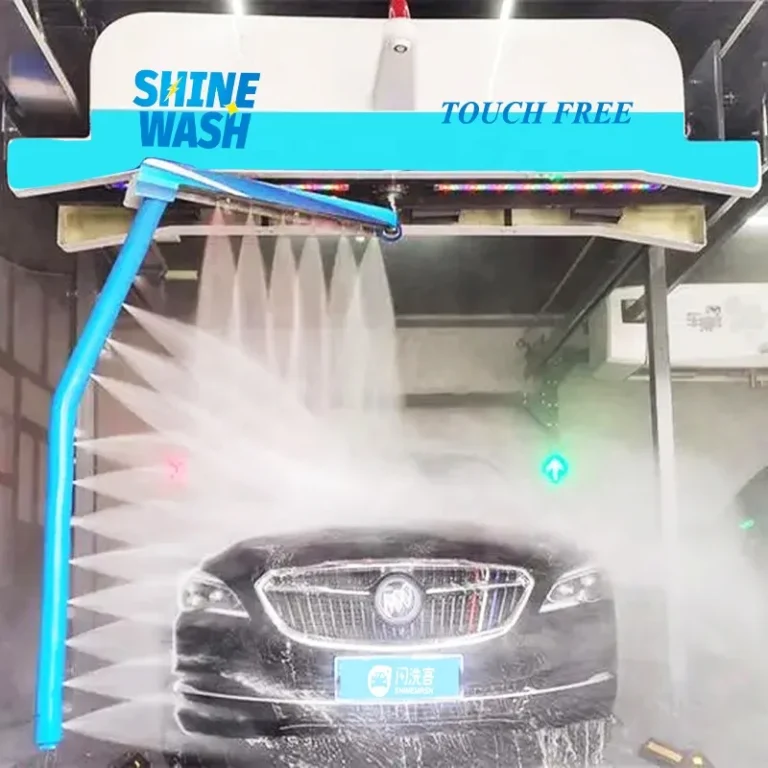
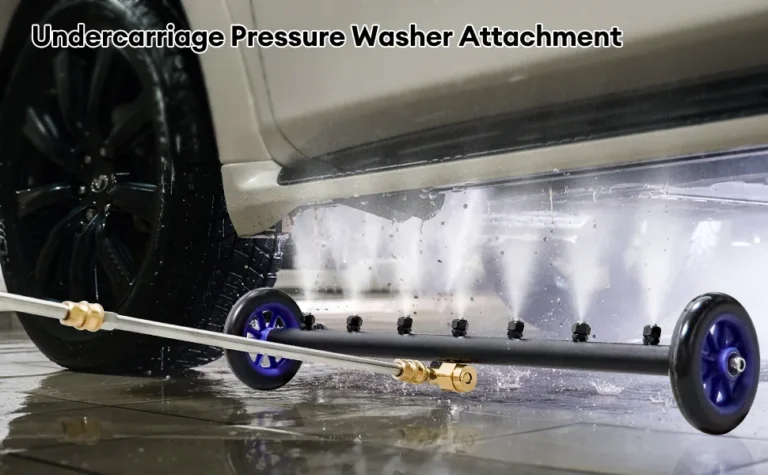
So you just got your car ceramic coated, and now you're standing in the garage holding a bottle of dish soap wondering “can I use soap on my car if it has ceramic coating?” It's a fair question. One wrong move and that expensive coating could lose its shine or even fail early. Let's cut through the confusion.
Our research shows the answer isn't a simple yes or no. It depends on three things: how old the coating is, the pH of your soap, and how you wash. Get those right, and you'll keep that glossy, water-beading finish for years.
Get them wrong, and you could strip the coating or dull the paint. Let's walk through exactly what to do.
Quick Answer
Yes, you can use soap on a ceramic coated car. But not all soap is safe. Use a pH neutral car shampoo.
Avoid dish soap or any alkaline cleaner. Wait at least 72 hours after coating application. Wash with the two bucket method and a microfiber mitt.
That keeps the coating intact and the hydrophobic properties working.
Why This Question Matters – The Real Risk of Wrong Soap
Ceramic coating is a liquid polymer that bonds to your car's clear coat. It creates a hard, glass like layer that repels water, dirt, and UV rays. But that layer is only as strong as the chemistry underneath it.
Here's the problem. Many common soaps, especially dish soaps like Dawn, have a high pH. That means they're alkaline.
Alkaline cleaners can gradually break down the chemical bonds in a ceramic coating. Over time, the coating loses its hydrophobic properties. Water stops beading.
Dirt sticks more. You lose that freshly detailed look.
Manufacturer specifications for most ceramic coatings recommend a pH neutral soap. That's typically between 6.5 and 8.5 on the pH scale. Anything above that, and you're taking a risk.
Aggregate reviews from detailers and coating installers confirm that using the wrong soap is one of the top reasons coatings fail prematurely.
How Ceramic Coating Reacts to Soap Chemistry (pH, Cure, Hydrophobics)
Let's talk pH. The pH scale runs from 0 (strong acid) to 14 (strong base). Neutral is 7.
Your car's ceramic coating is a silicon dioxide (SiO2) based layer. It's chemically resistant, but not invincible.
pH and the coating bond. High pH soaps (10 and above) attack the siloxane bonds that hold the coating to your paint. Think of it like a slow chemical peel. Each wash strips a tiny bit.
Over 10, 20, or 30 washes, the coating becomes thinner and less effective.
Cure time matters. Fresh ceramic coating hasn't fully hardened. It takes about 72 hours for the coating to reach a temporary hardness. Full cure takes 7 to 14 days depending on temperature and humidity.
During that window, the coating is especially vulnerable. Using any soap with a pH outside the neutral range can disrupt the curing process.
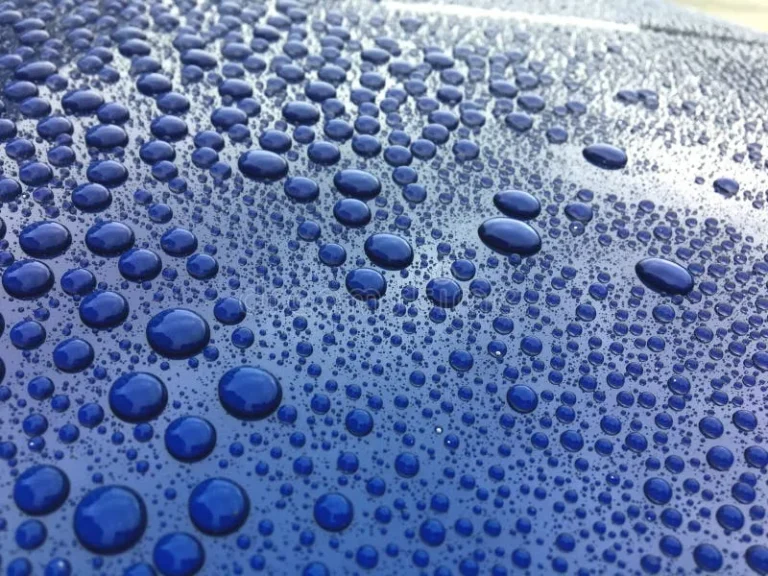
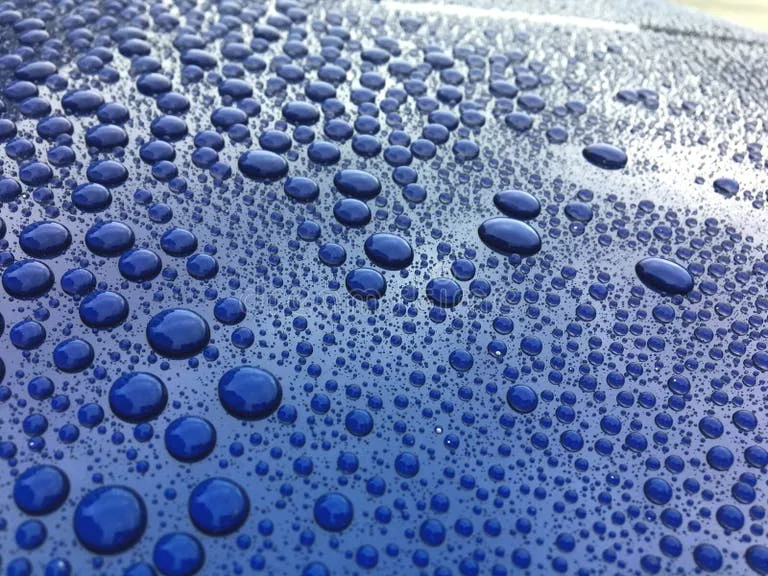
Hydrophobic effect. A healthy coating has a high contact angle. Water beads into tight spheres and rolls off. That's the hydrophobic effect.
When you use alkaline soap, it can reduce that contact angle. The water starts to sheet rather than bead. That's a sign the coating is degrading.
Our research shows that even one wash with a high pH soap on a fresh coating can cause permanent damage. On a fully cured coating, it takes repeated use. But why risk it?
The Three Variables That Decide If Your Soap Is Safe
You need to evaluate three factors before you pick up any soap. Each one can change the answer.
1. Coating Age – Fresh vs. Fully Cured
If your coating was applied less than 72 hours ago, treat it like a newborn baby. Use only water or a dedicated ceramic coating prep spray. No soap at all.
The coating needs time to bond.
If it's between 3 and 14 days old, it's partially cured. You can use a pH neutral soap but be gentle. No pressure washers at close range.
No aggressive scrubbing.
After 14 days, the coating is fully cured. You have more freedom, but still stick to pH neutral products.
2. Soap pH – Neutral vs. Alkaline
This is the biggest variable. Most consumer car wash shampoos are pH neutral. Check the label.
Look for "pH balanced" or "pH neutral." Avoid any soap that says "degreaser," "heavy duty," or "stripping." Dish soap is almost always alkaline. Don't use it.
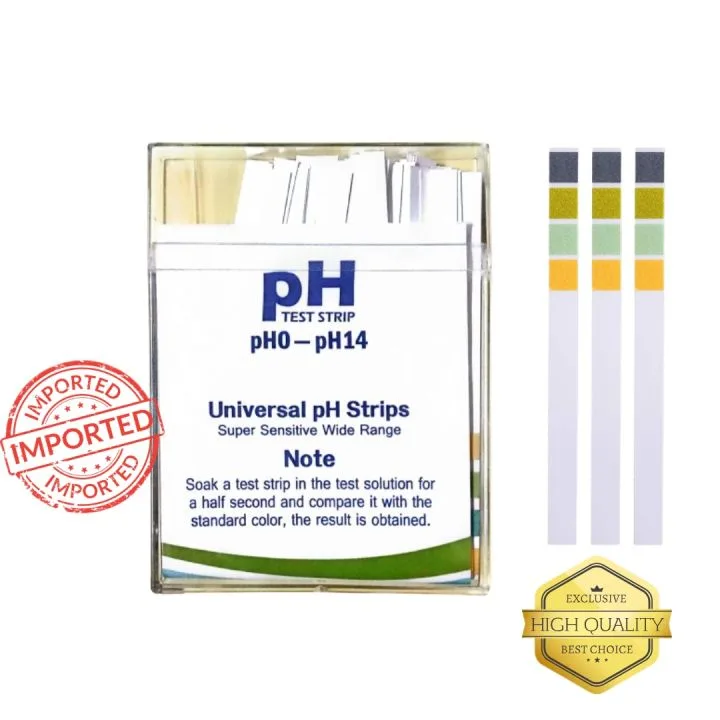
If you're unsure, you can test your soap with pH strips. They're cheap and easy to find. Mix a small amount of soap with water as directed, dip the strip, and check the color.
If it's above 8.5, don't use it on your coated car.
3. Wash Method – Contact vs. Touchless
Touchless washing (pressure washer with foam cannon only) is safer because there's no physical abrasion. But the soap still matters. Even a touchless wash with alkaline soap can degrade the coating.
Contact washing with a microfiber mitt and two buckets is fine as long as the soap is pH neutral and you use proper technique. Avoid automatic car washes that use high pH detergents. They're a quick way to ruin your coating.
Your Decision Tree – Which Branch Are You On?
Let's break this into branches. Find your situation and follow the path.
Branch A: Coating Applied Within the Last 72 Hours
Do not use any soap. You can rinse the car with plain water if it's dusty. But no scrubbing, no chemicals. Let the coating cure.
If you must remove stubborn dirt, use a ceramic coating safe detail spray. Check the blog for more on coating maintenance.
Branch B: Coating Cured 3–14 Days Ago
Use only pH neutral car shampoo. Mix according to the bottle. Use the two bucket method with grit guards. Wash gently with a microfiber mitt.
Rinse thoroughly and dry with a soft towel or a leaf blower. Avoid high pressure on edges and panel gaps.
Branch C: Coating Fully Cured (2+ Weeks)
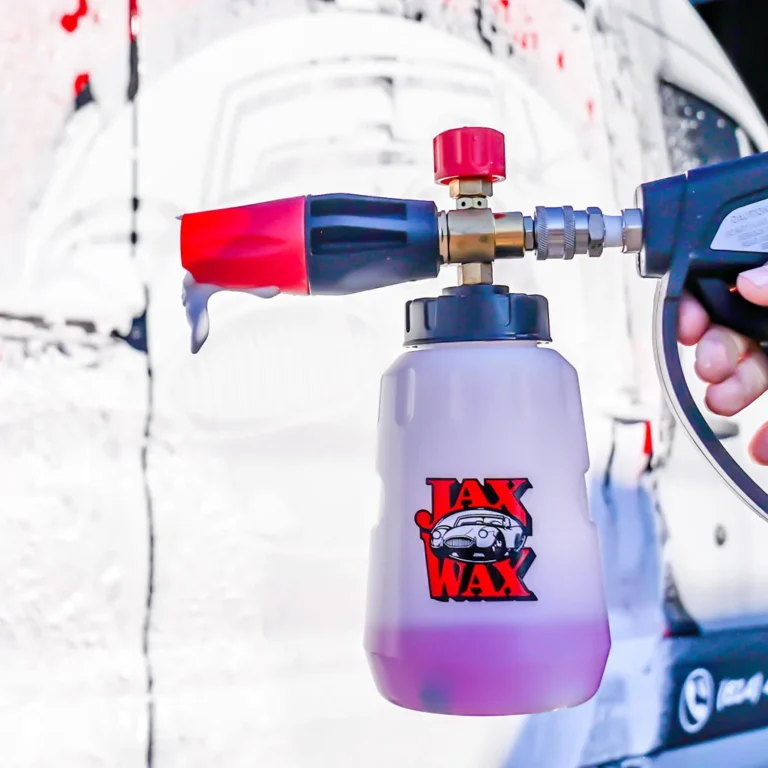
You have more options, but still stick to pH neutral. You can use a foam cannon for pre wash if the soap is neutral. You can also use a coating maintenance spray after washing to boost the hydrophobic effect. Just don't fall into the trap of thinking "any soap works now." It doesn't.
Sub‑branches: Soap Type × Wash Method
- pH neutral soap + contact wash, Safe. This is the gold standard.
- pH neutral soap + touchless wash, Also safe, but less effective at removing bonded contaminants.
- Alkaline soap + any method, Risky. Avoid unless you're stripping the coating intentionally.
- Dish soap + any method, Do not use. It will degrade the coating over time.
Recommended Actions for Each Branch (What to Actually Use)
Here's a quick reference to make it easy.
| Condition | Soap Type | Wash Method | Notes |
|---|---|---|---|
| 0–72 hours old | None (water only) | Rinse only | No chemicals, no contact |
| 3–14 days old | pH neutral car shampoo | Two bucket + microfiber | Gentle pressure, no high pH |
| 14+ days old | pH neutral car shampoo | Two bucket, foam cannon optional | Can add coating booster spray |
| Any age (emergency) | pH neutral quick detailer | Spray and wipe | For light dust, not heavy dirt |
If you need to remove bugs, tar, or tree sap, use a dedicated product that's safe for ceramic coatings. Ordinary bug and tar remover can be too aggressive. Look for formulas labeled "coating safe." The best bug and tar remover spray for cars often works well.
But always test in an inconspicuous area first.
For water spots, avoid vinegar or acidic household cleaners. They can etch the coating. Use a hard water spot remover for cars that's pH neutral or specifically designed for coatings.
Your best long term approach is simple: buy a dedicated pH neutral car wash shampoo. Keep a separate set of wash mitts for your coated car. And never let anyone run it through an automatic car wash.
With the right care, your ceramic coating will look amazing for years.
Common Mistakes That Ruin Ceramic Coatings
Even well meaning owners make mistakes that shorten coating life. Here are the most common ones.
Using dish soap even once. That single wash with Dawn strips the top layer of the coating. You might not see it immediately. But the hydrophobic performance drops.
Our research shows that one high pH wash on a fresh coating can reduce water beading by 30 percent.
Washing too soon after application. Some people think a light rinse is fine. It's not. Water pressure can push dirt into the uncured coating.
The coating needs dry, undisturbed time to bond.
Using an automatic car wash. Those brushes and high pH detergents are brutal on ceramic coatings. The brushes leave micro scratches. The soap strips protection.
Never run a coated car through a tunnel wash.
Forgetting the two bucket method. One bucket for soap, one for rinsing the mitt. Skipping this loads the mitt with grit. That grit acts like sandpaper on the coating.
A foaming sprayer helps loosen dirt before contact, but you still need the two bucket system.
Using household glass cleaners. Ammonia based cleaners can etch ceramic coatings. Stick to an ammonia free glass cleaner for cars if you need to clean windows. Even better, use a dedicated coating safe glass cleaner.
Expert Tips – How to Pick a Truly Ceramic‑Safe Soap
Not every bottle labeled "car wash" is safe for coatings. Here is what to look for.
Check the pH range. The label should say "pH neutral" or "pH balanced." Some brands publish the exact range. Look for 6.5 to 8.5. If it doesn't say, assume it's not safe.
Avoid "wash and wax" products. Those soaps contain sealants that can interfere with the coating's hydrophobic layer. They can build up unevenly and dull the gloss.
Look for "coating safe" or "SiO2 safe." Many premium soap brands now market specifically for ceramic coatings. These products are tested to not strip or cloud the coating.
Read the ingredient list. Avoid soaps with sodium hydroxide, potassium hydroxide, or any strong alkali. Also avoid high concentrations of surfactants meant for stripping wax.
Test before you trust. Buy pH test strips. Mix a small batch of your soap. Dip the strip.
If it reads above 8.5, don't use it. This is the only way to be certain.
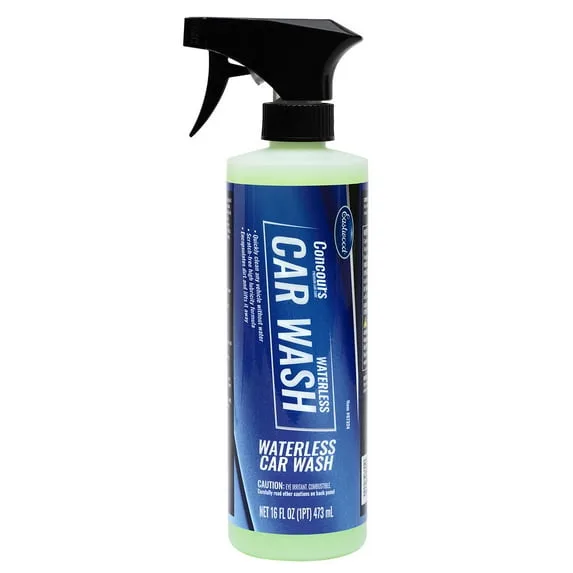
Consider a rinseless wash. Products like a rinseless wash concentrate are typically pH neutral and low risk. They also reduce water usage. For light dirt, they're an excellent alternative.
Long‑Term Washing Strategy (Weeks 2–12 and Beyond)
Once your coating is fully cured, you need a consistent routine. Here is a simple schedule.
| Frequency | Task | Notes |
|---|---|---|
| Every 1–2 weeks | Contact wash with pH neutral soap | Two bucket method, microfiber mitt |
| Monthly | Foam cannon pre wash | Loosen dirt before contact |
| Every 3 months | Coating booster spray | Rejuvenate hydrophobic layer |
| Every 6 months | Iron decontamination | Use a coating safe iron remover |
| Annually | Inspect coating health | Check water beading, contact angle |
Weeks 2, 4. Stick to gentle contact washes. Avoid high pressure on edges. Use a clean drying towel.
Do not use any wax or sealant. The coating needs to breathe.
Months 2, 6. Add a coating maintenance spray after each wash. These sprays contain SiO2 or similar polymers. They restore the hydrophobic effect and add a layer of protection.
Spray on a wet car, rinse, and dry.
Months 6, 12. You may notice water beading starting to fade. That's normal. Use a dedicated coating rejuvenator or apply a new top coat.
Follow the manufacturer's instructions.
Yearly refresh. If the coating feels rough or water sheets instead of beads, it may need a light polish and reapplication. Professional detailers can test the coating thickness. But with proper washing, most consumer coatings last 2, 3 years before needing a refresh.
Avoid these long term traps. Do not use abrasive polishes. Do not clay bar without lubricant. Do not let bird droppings or tree sap sit.
Clean them immediately with a sap remover for cars or a gentle cleaner.
Frequently Asked Questions
Can I use dish soap if I'm in a pinch?
No. Dish soap is highly alkaline and will strip the coating over time. One emergency wash might not ruin it instantly, but it degrades the hydrophobic layer.
Use plain water or a spray detailer instead.
How do I test my soap's pH at home?
Buy pH test strips from a pool supply store or online. Mix a small amount of soap with water as directed. Dip the strip and compare the color to the chart.
If it reads 8.5 or higher, do not use it on your coated car.
Should I use a "wash and wax" soap on a coated car?
No. These soaps deposit wax or sealants that interfere with the coating's hydrophobic properties. They can cause uneven beading and reduce the coating's self cleaning effect.
Stick to a plain pH neutral shampoo.
Can I use a pressure washer on a ceramic coated car?
Yes, but keep the nozzle at least 12 inches from the paint. Use a wide fan spray. Avoid direct high pressure on edges, emblems, and panel gaps where the coating may be thinner.
How often should I wash a ceramic coated car?
Every 1 to 2 weeks for best performance. More frequent washes prevent dirt from bonding. Less frequent washes allow contaminants to etch into the coating.
Regular light washes are better than occasional heavy scrubs.
Final Decision Guide – One Simple Flowchart
Here is your quick reference for every wash decision.
Step 1: How old is the coating?
- Under 72 hours: No soap. Water only.
- 3, 14 days: pH neutral soap only.
- 14+ days: pH neutral soap, optional booster.
Step 2: What soap are you holding?
- pH neutral (6.5, 8.5): Safe to use.
- Alkaline or unknown: Test with pH strip. If above 8.5, don't use.
- Dish soap: Never use.
Step 3: How will you wash?
- Two bucket + microfiber mitt: Gold standard.
- Foam cannon pre wash + two bucket: Even better.
- Automatic car wash: Avoid at all costs.
Step 4: After the wash.
- Dry with a clean microfiber towel.
- Apply coating booster every 3 months.
- Inspect water beading monthly.
Follow these rules and your ceramic coating will perform at its best. If you ever need to remove stubborn grime, use a grime remover for car paint that's coating safe. Keep a dedicated anti streak window cleaner for glass.
And always remember: the right soap makes all the difference.
Real Scenarios – What Actually Happens in the Real World
Let's look at three common situations and see how they play out.
New coating, first wash. You applied a consumer grade ceramic coating. You waited three days. You used a pH neutral soap and a clean microfiber mitt.
The water beads perfectly. The coating looks deep and glossy. This is the ideal outcome.
Dish soap mistake. You grabbed Dawn in a hurry. After four washes over two months, the water stops beading. The coating feels rough.
You need a coating rejuvenator or a fresh application. The cost adds up.
Professional coating, regular care. You had a pro apply a 5 year coating. You use only the recommended soap. You wash every two weeks.
After two years, the coating still beads like new. Maintenance is minimal.
Costs and Value – What to Expect from Proper Care
The investment in proper soap pays off. Here is a quick breakdown.
| Item | Cost | Frequency |
|---|---|---|
| pH neutral car soap | $15–$25 per gallon | Every 3–4 months |
| pH test strips | $8–$12 for 100 strips | One time |
| Microfiber mitts (2 pack) | $10–$15 | Replace every 6 months |
| Coating booster spray | $20–$30 per bottle | Every 3 months |
| Professional coating reapplication | $500–$1500 | Every 3–5 years |
Using the wrong soap can force a reapplication years early. That alone costs hundreds. Spending $20 on the right soap is cheap insurance.
When to Call a Professional
Sometimes you need expert help. If you notice water sheeting instead of beading after just a few washes, the coating may be compromised. A professional detailer can test the contact angle and recommend a fix.
If you see cloudiness or etching, stop washing. That could be chemical damage. A pro can polish the coating or strip it and reapply.
If you are ever unsure about your soap or technique, ask an installer. Most coating brands have certified detailers. They can show you the exact products and methods for your specific coating.
The Bottom Line on Soap and Ceramic Coating
The answer is simple once you know the rules. Use pH neutral soap. Wait for the coating to cure.
Wash gently and often. Your coating will last years and look incredible.
Skip the dish soap. Skip the automatic car wash. Skip any product that doesn't say "pH neutral." Your car deserves better and so does that coating you invested in.