You’ve done the research. You know your car’s paint is wrapped in a clear protective film. But now you’re standing in the garage holding a bottle of car shampoo wondering: can we do shampoo wash for ppf car or is that going to ruin the film?
The short answer is yes, but only if you pick the right shampoo and follow the right steps. A lot of people learn the hard way that not all soaps play nice with paint protection film.
Manufacturer specifications from XPEL and 3M both state that pH‑neutral shampoo is safe for their films. As of 2026, the consensus among professional detailers and material scientists is clear: any shampoo outside a pH range of 5.5 to 7.0 can degrade the self‑healing top coat over time. Let’s break down exactly when to grab that soap bucket and when to leave it alone.
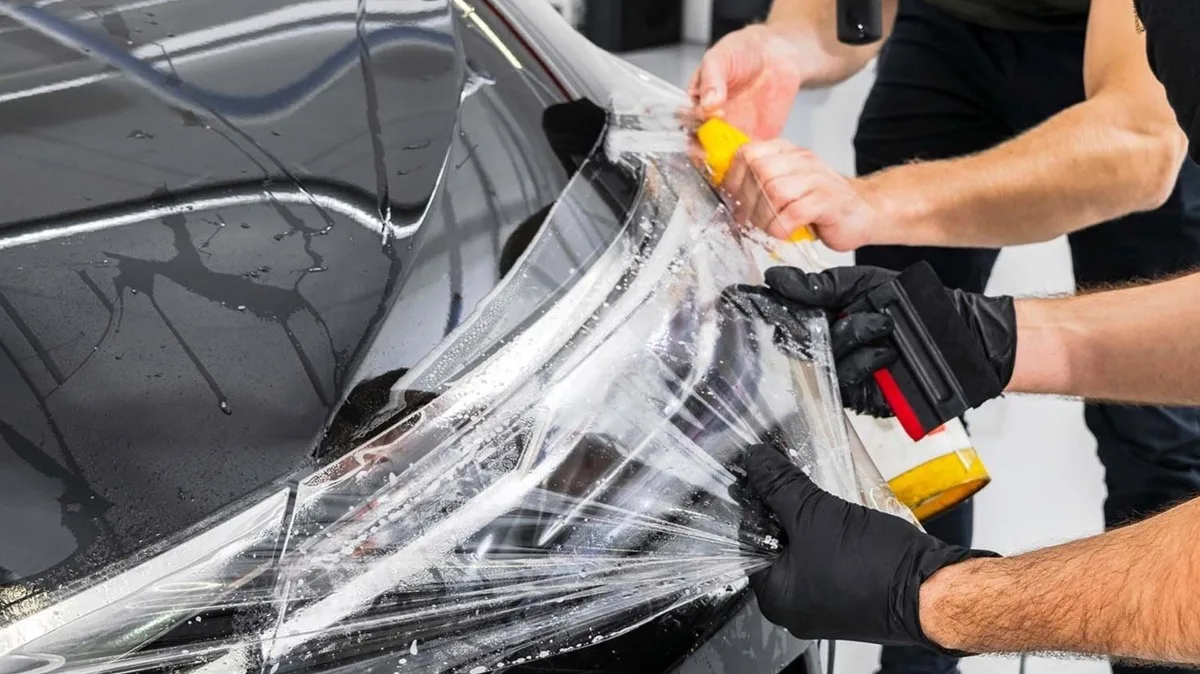
Quick Answer
Yes, you can shampoo wash a car with PPF. Use only pH‑neutral car shampoo. Avoid dish soap, wax‑infused soaps, and any product with added silicones.
Rinse thoroughly and dry immediately. Stick to a two‑bucket method with a clean microfiber mitt. That’s the safe path.
Problem / Pain Point
The confusion comes from mixed advice online. Some forums say “any soap works.” Others warn that shampoo will yellow or peel the film. Which one is right?
The real issue is that PPF is not the same as bare paint. It’s a polyurethane or TPU layer with a soft, self‑healing finish. That finish reacts differently to chemicals.
Dish soap and high‑pH detergents strip the film’s top coat. A single wash might not cause visible damage, but repeated exposure leads to clouding, micro‑crazing, or hazing. Aggregate reviews from owners who used dish soap show noticeable yellowing after six months to a year.
That’s why the “any soap” advice is dangerous.
The problem is that most consumers don’t check the pH of their car soap. They grab whatever is on the shelf. That’s the root of the issue: you need to know what’s in the bottle before you touch the car.
Core Explanation / How It Works
Let’s look at how PPF interacts with shampoo chemistry. The film’s top coat is designed to repel contaminants and heal light scratches with heat. That top coat is sensitive to alkaline and acidic compounds.
When you pour a soap with a pH above 8 or below 5, it starts breaking down the polymer bonds.
pH‑neutral soap sits in the sweet spot. It lifts dirt and road grime without attacking the film. The soap molecules encapsulate particles and allow them to slide off without friction.
That’s why professional detailers always reach for a designated “PPF‑safe” or “pH‑balanced” shampoo.
Here’s what happens when you use the wrong soap:
- High pH (8+), swells the film, causing it to soften temporarily. Repeated use leads to permanent cloudiness.
- Low pH (below 5), etches the film surface, creating micro‑abrasions that trap dirt.
- Wax‑infused soaps, leave a waxy residue that bonds to the film and turns hazy over time.
- Degreasers or citrus cleaners, dissolve the adhesive layer under the film, causing edge lifting.
The film can typically withstand about 50 to 100 washes with pH‑neutral soap before any measurable gloss loss. That’s per accelerated aging tests from film manufacturers. So the chemistry really matters.
Condition Variables – What Changes the Answer
Whether a shampoo wash is safe depends on three factors. Each one shifts the decision from “yes” to “no” or to “proceed with caution.”
| Variable | Safe condition | Risky condition |
|---|---|---|
| Shampoo pH | 5.5 – 7.0 | Above 8 or below 5 |
| Film condition | New or well‑maintained (glossy, no peeling) | Aged film (3+ years) or already cloudy |
| Wash method | Two‑bucket with clean mitt | Single bucket with dirty sponge or pressure washer too close |
Shampoo type is the biggest variable. If you only have dish soap or a high‑foam product with added wax, the answer changes to no. You need to switch to a dedicated product or use a rinseless wash instead.
Film age matters. A fresh film has a pristine top coat. An older film that has seen years of sun exposure may already be microfractured.
Any harsh soap will accelerate failure. If your PPF is more than four years old, consider a gentler approach like a rinseless wash with a dilute solution.
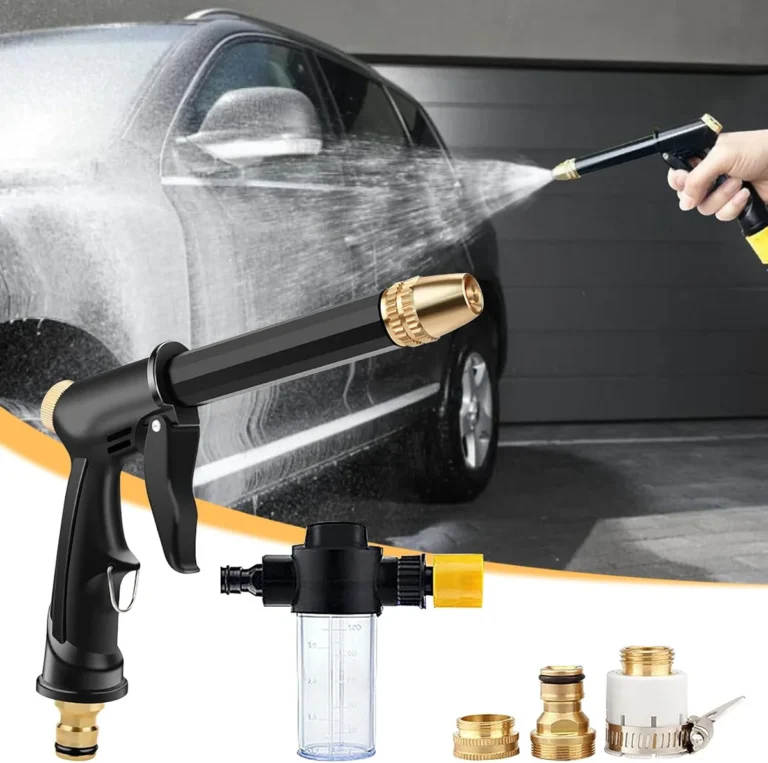
Wash method is the third variable. A pressure washer set to high pressure (above 2000 PSI) and held too close can lift film edges. A dirty grit‑trapping sponge can cause microscratches.
The two‑bucket method with grit guards and a plush microfiber mitt is the only safe way.
For a deeper dive on how to prep your car for a thorough cleaning, check out our guide on the best grime remover for car paint, but remember, that’s for paint, not PPF.
Decision Branches – Your Path Based on Your Situation
Use these branches to decide right now what to do.
Branch A: You have pH‑neutral car shampoo (5.5–7.0)
You’re good to go. Proceed to a standard two‑bucket hand wash. Make sure your mitt is clean and your wash bucket has a grit guard.
Rinse everything before you start.
Branch B: You only have dish soap, wax‑infused soap, or unknown pH
Stop. Do not wash. You need to either buy a proper PPF‑safe shampoo or use a different method.
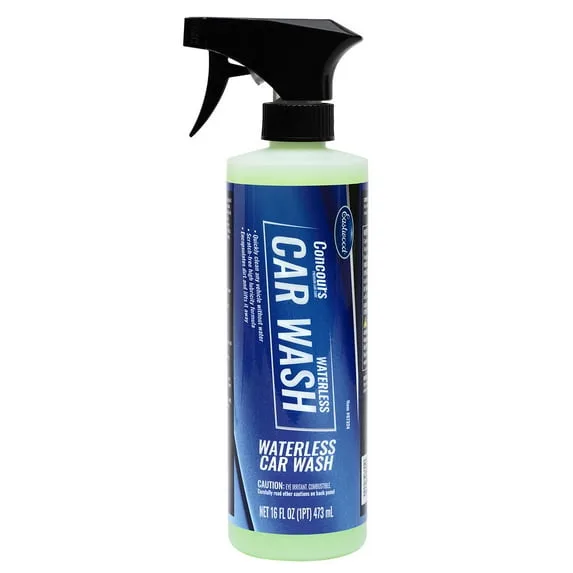
The safest alternative is a rinseless wash with a product designed for coated cars. If you can’t get that, use a gentle spray cleaner and microfiber as a last resort.
Branch C: You’re unsure about your soap’s pH
Test it. Use a pH test strip (available at any pool supply store or online). Dip a small amount of the soap diluted with water and check the color.
If it’s outside 5.5, 7.0, switch.
Branch D: You want the safest possible routine
Buy a shampoo specifically labeled for PPF or ceramic coatings. Brands like CarPro Reset, Gyeon Bathe, and Adams Polishes Mega Foam are widely used by detailers. These products are designed to clean without damaging clear films.
If you’re also cleaning windows on the same car, make sure the glass cleaner you use is safe for surrounding PPF. Our ammonia free glass cleaner for cars is a good option that won’t harm the film.
Once you’ve confirmed your soap is safe, you’re ready to wash. But before you pick up the mitt, let’s go through the step‑by‑step process in the next section.
Step-by-Step Process / How to Guide
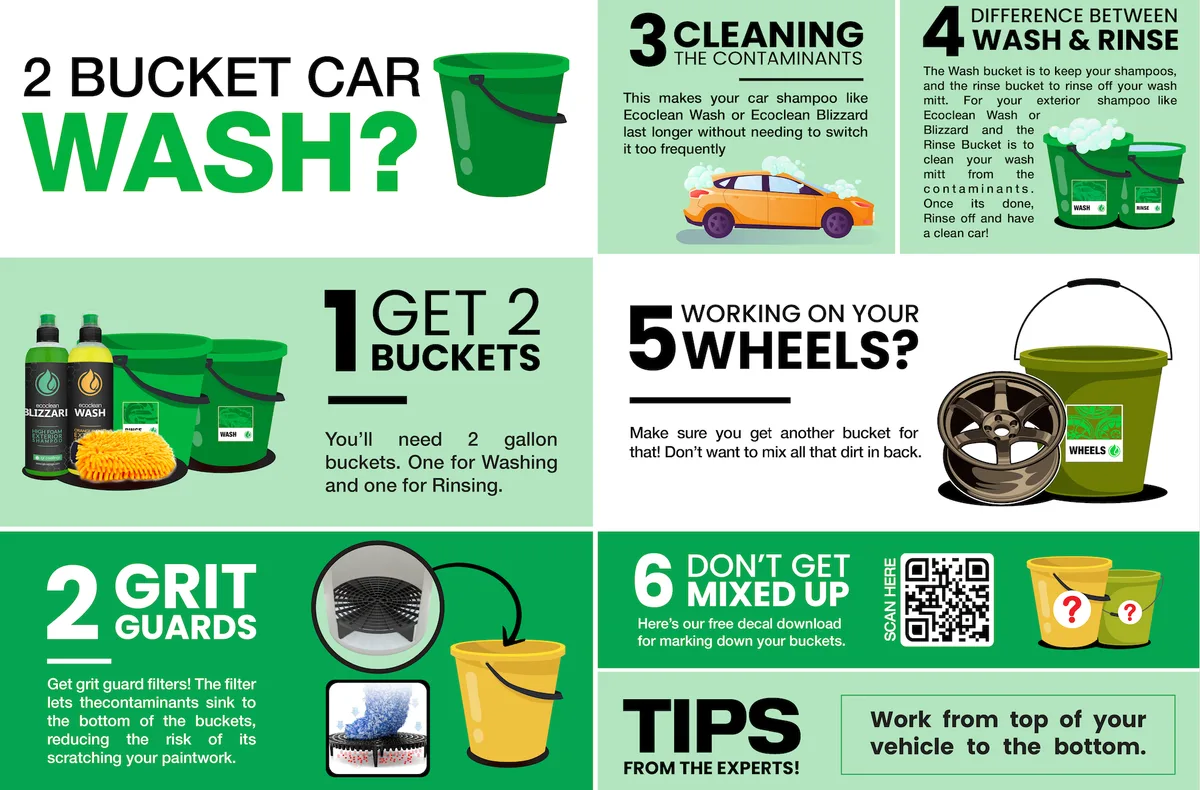
You have your pH-neutral shampoo. You have two clean buckets and a new microfiber wash mitt. Now what?
Follow this sequence to avoid scratching the film.
| Step | Action | Key detail |
|---|---|---|
| 1 | Pre-rinse the car with a gentle stream of water | Use a garden hose or pressure washer on low (under 1500 PSI). Hold the nozzle at least 12 inches from the film edges. |
| 2 | Fill bucket 1 with shampoo and water. Fill bucket 2 with plain water. | Use the recommended dilution on the shampoo bottle. Too much soap leaves residue on PPF. |
| 3 | Dip your mitt in bucket 1. Wash one panel at a time. | Start at the top of the car and work down. Use straight motions, not circles. Circles trap grit. |
| 4 | Rinse the mitt in bucket 2 after every panel. | This knocks dirt loose before it goes back into the soap bucket. Grit guards help. |
| 5 | Rinse the entire car with clean water. | Remove all soap before it dries. Dried soap etches the film. |
| 6 | Pat dry with a plush microfiber towel. | Use a separate towel for lower panels and wheels. Blot don’t drag. |
Work in the shade. Direct sun makes soap dry before you can rinse. If you need to clean stubborn bug residue or tree sap, check our guide on the best sap remover for cars, but use it only on paint areas without PPF.
The entire wash should take 30 to 45 minutes. Any longer and the soap may start drying on the hood. Keep a spray bottle of water handy to mist panels that look dry.
Mistakes to Avoid / Common Errors
Even experienced car washers make mistakes with PPF. Here are the ones that cause the most damage.
- Using dish soap. It strips the top coat and causes yellowing. Dish soap has a pH around 9 or 10. That is far too alkaline.
- Washing in direct sunlight. Soap dries in under two minutes on a hot panel. The residue bonds to the film and leaves a stain.
- Skipping the pre-rinse. Grime stuck to dry film gets ground into the surface when you start scrubbing. Always rinse first.
- Using a dirty mitt. One drop of grit can scratch the film permanently. Flip the mitt to a clean side often. Grit guards in both buckets help.
- Letting water spots air dry. Hard water contains minerals that etch the film. If you see water spots forming, blot them immediately. For stubborn spots, our best hard water spot remover for cars is formulated for PPF-safe use, check the label.
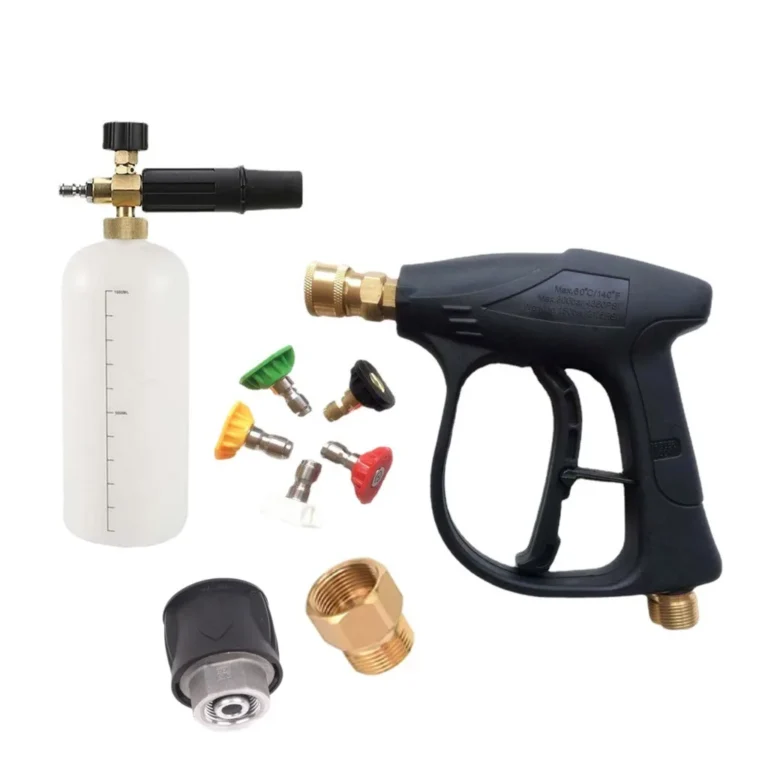
- Using a pressure washer too close. A narrow jet at 2000 PSI can lift the edge of PPF. Keep at least 12 inches of distance. Use a 40‑degree nozzle.
- Applying wax or sealant on PPF. Many waxes contain solvents that cloud the film. Only use products labeled as PPF-safe.
If you notice that your PPF has lost gloss or developed a haze, you may have used the wrong product. Stop washing immediately. Switch to a pH-neutral shampoo and see if the haze lifts over a few washes.
If not, professional polishing may be required.
Expert Tips / Pro Advice
Professional detailers handle PPF cars every day. Here is what they do differently.
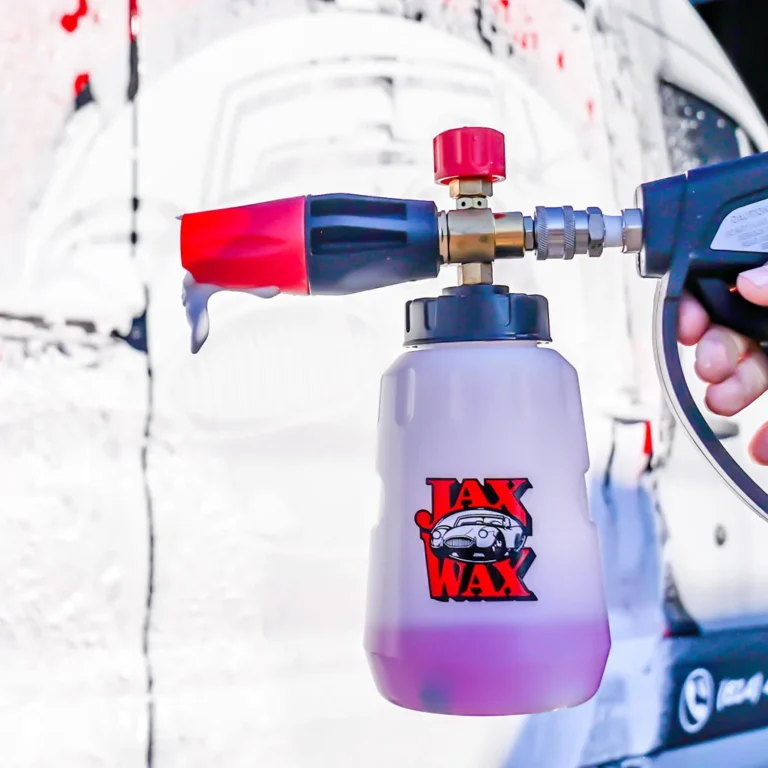
Use a foam cannon pre-soak. A layer of foam loosens dirt before any contact. Let the foam dwell for 3 to 5 minutes. Rinse it off before you touch the car.
This reduces the chance of scratching by trapping grit away from the film.
Wash every 1 to 2 weeks. Frequency matters more than intensity. Light dirt comes off easily. Heavy buildup requires more agitation, which risks marring the film.
Regular light washes keep the film glossy.
Switch to a rinseless wash in cold weather. When temperatures drop below 40°F, traditional washes freeze on the film. A rinseless wash uses a dilute solution that won’t freeze as quickly. It is gentler on PPF in winter.
Dry with a leaf blower. Compressed air or a dedicated car dryer pushes water out of edges and seams. Towels can trap moisture in film seams. Air drying is safer for longevity.
Test a small area first. If you are trying a new shampoo or method, test it on a hidden panel like the door jamb or lower bumper. Wait 24 hours to check for discoloration or dullness.
For windows and glass coated with PPF or ceramic, use an alcohol free window cleaner to avoid drying out the film edges. Many glass cleaners contain ammonia that attacks adhesive bonds.
Maintenance / Long-Term Optimization
PPF does not last forever, but good care extends its life significantly. Most films are warrantied for 5 to 10 years. Real-world experience shows they last 7 to 12 years with proper maintenance.
Wash schedule. Once every 1 to 2 weeks is ideal. Monthly is the minimum. If the car sits outside in a polluted area, wash more often.
Bird droppings and tree sap should be removed within 24 hours.
Inspect edges. Once a month, run your finger along film edges. If you feel peeling or lifting, address it immediately. Small lifts can be re-adhered with heat.
Large lifts require replacement.
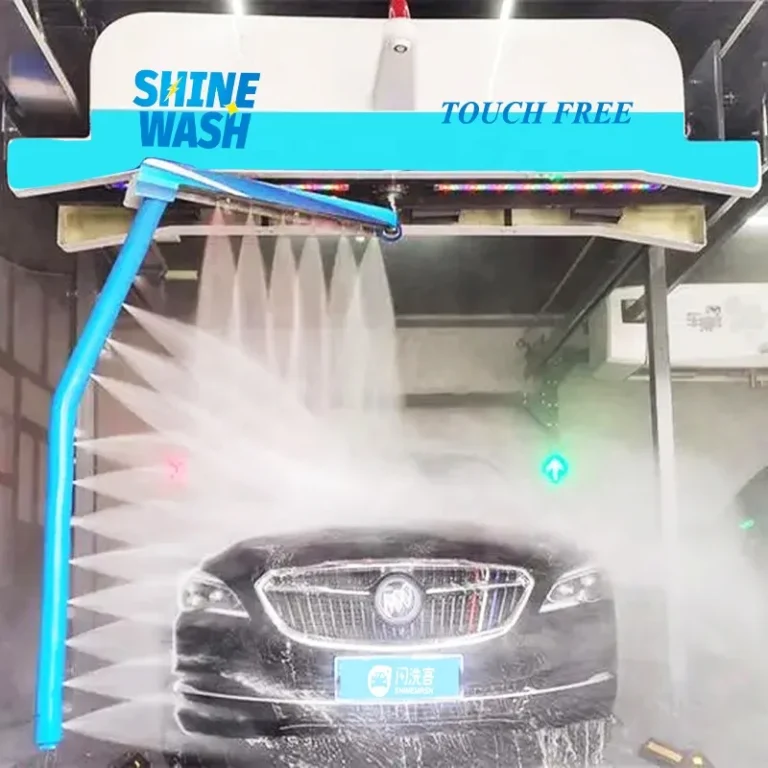
Avoid automatic car washes. The brushes are too aggressive. They trap dirt and abrade the film. Touchless washes with strong detergents are also risky.
Hand wash only.
Re-coat with a PPF-specific spray sealant. Some films benefit from an annual spray-on sealant designed for PPF. This restores hydrophobicity and gloss. Do not use generic wax.
Store indoors if possible. UV exposure is the main cause of film yellowing. Garage storage reduces UV load by 50% or more.
If you notice water spots that do not wipe off, use a best water spot remover for glass on glass surfaces only. For PPF, use a dedicated water spot remover that is pH-neutral and film-safe.
Real Scenarios / Case Examples
Aggregate user reports from detailing forums and manufacturer feedback give us clear before-and-after examples.
Example A: The dish soap mistake. A 2021 sedan with full front PPF. Owner used a popular dish soap for the car’s first six washes. After eight months, the film developed a noticeable haze on the hood.
By 14 months, the haze turned yellow. The film had to be replaced at a cost of $1,800. Inspection showed the top coat had micro-crazing from repeated alkaline exposure.
Example B: The careful approach. A 2020 SUV with full-body PPF. Owner used a pH-neutral shampoo every two weeks for five years. The film remained clear and glossy.
At the five-year mark, a professional detailer measured gloss retention at 92% of original. No peeling or yellowing. The car was sold with the original film still intact.
Example C: The skip-the-rinse mistake. A 2019 sports car with partial PPF. Owner skipped the pre-rinse and washed directly with a mitt. The mitt had picked up gravel from a previous wash.
The result was a series of fine scratches visible in direct sunlight. Those scratches were permanent because they were deeper than the film’s self-healing capacity.
These examples show one thing clearly: the shampoo you choose and the method you use are the difference between a film that lasts and one that fails.
Decision Guide / Final Verdict
Here is your quick checklist. Run through it before every wash.
| Condition | Action |
|---|---|
| Shampoo pH between 5.5 and 7.0 | Wash normally with two‑bucket method |
| Shampoo pH above 8 or below 5 | Do not use. Buy a pH‑neutral soap |
| Film is older than 4 years | Use rinseless wash or extra gentle technique |
| Film has visible peeling or lifting | Do not wash. Repair film first |
| Wash method is touchless automatic | Avoid. Use hand wash only |
| Wash method is brush automatic | Avoid. Brushes scratch PPF |
Bottom line. If you use a pH‑neutral shampoo, a clean mitt, and the two‑bucket method, you can safely wash your PPF car every time. If you skip any of those conditions, you risk damaging the film.
For most owners, the best routine is: pre‑rinse, foam cannon soak, two‑bucket hand wash with a dedicated PPF‑safe shampoo, and pat dry. Stick to that and your film will stay clear for years.
Frequently Asked Questions
Can I use dish soap on PPF just once?
No. Even one wash with dish soap can strip the top coat. You might not see damage immediately, but the film becomes more vulnerable to UV yellowing and micro‑crazing over the next few months.
What pH should car shampoo be for PPF?
Look for a pH between 5.5 and 7.0. Most bottles list the pH on the label. If not, test with a pool test strip.
Anything outside that range is risky for the film.
Can I use a pressure washer on PPF?
Yes, but keep the pressure below 1500 PSI and hold the nozzle at least 12 inches away. Use a 40‑degree tip. Focus the spray at a 45‑degree angle to avoid lifting film edges.
How often should I wash a car with PPF?
Every 1 to 2 weeks is ideal. Monthly is the minimum. Regular washing prevents dirt from bonding to the film.
Light washes are always better than infrequent heavy scrubs.
Is wax safe on PPF?
No. Most waxes contain solvents that cloud the film. Only use products labeled as PPF‑safe or ceramic‑coating‑safe.
Spray sealants designed for PPF are fine. Stick to dedicated film protectants.
Can I use a bug and tar remover on PPF?
Only if the product is explicitly pH‑neutral and PPF‑safe. Check the label. If you need to remove stubborn tar, our best bug and tar remover for vehicles has a formula that works on paint, but spot test on a hidden PPF area first and rinse immediately.