ByMax Lee
Can Touchless Car Washes Scratch Your Car?
Touchless car washes are supposed to be the safe choice for your paint, but you’re right to ask: can touchless car washes scratch your car? The short answer is they’re far less likely to than brush washes, but they’re not risk-free.
Manufacturer specs and industry standards like SAE J826 show that high-pressure water alone won’t scratch paint, but other factors in the process can. Let’s break down how they work and where the real risks lie.
Quick Answer
Touchless car washes don’t use brushes, so they won’t scratch your car from physical contact. High-pressure water (typically 800, 1,200 PSI) is safe for factory paint. Chemicals or drying methods can still cause damage if misapplied.
Most modern touchless systems are designed to avoid this.
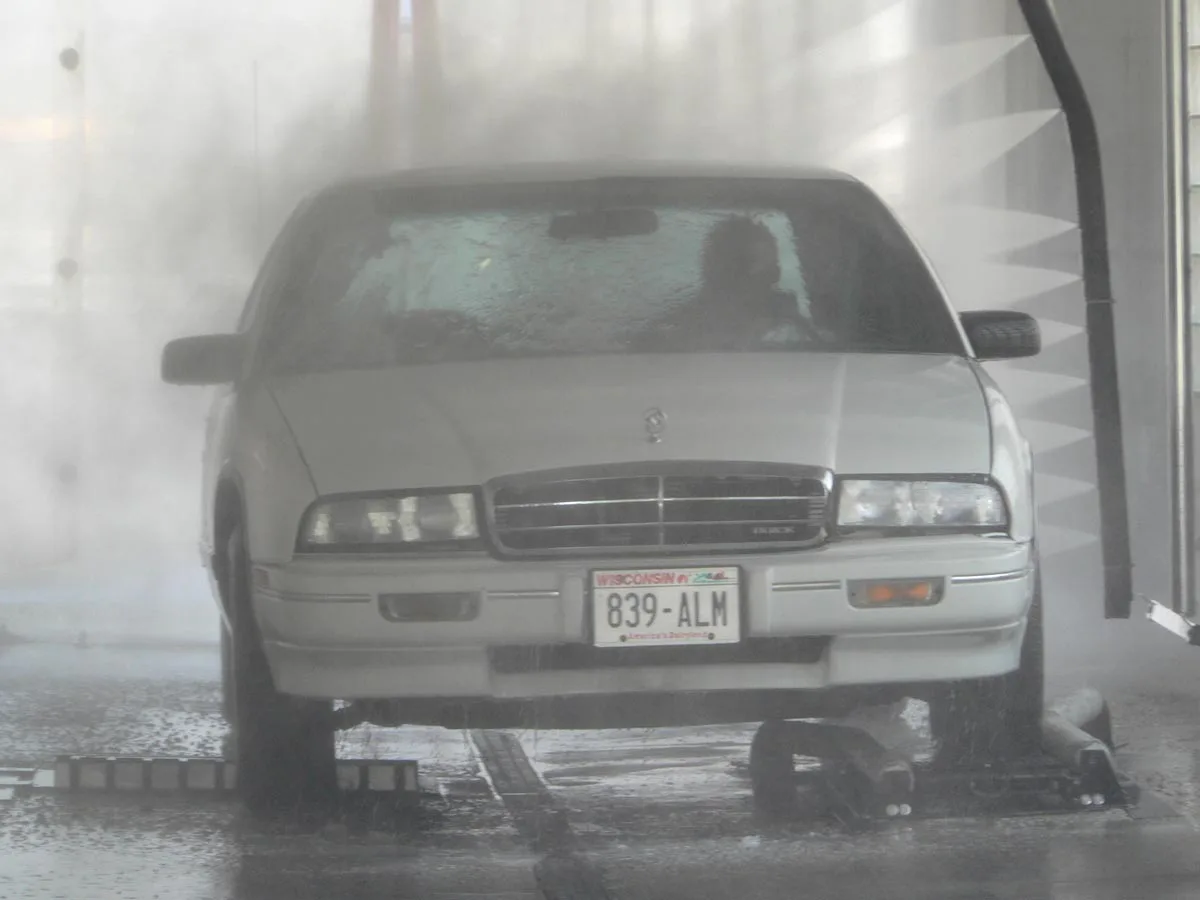
YouTube / Leisuwash (YouTube thumbnail (fair-use with source credit))
How Touchless Car Washes Actually Work
These systems rely on high-pressure water jets and specialized detergents to clean your car without physical contact. The process starts with a pre-soak to loosen dirt, followed by a high-pressure rinse that blasts away grime. Detergents are applied to break down stubborn contaminants like road tar or bug splatter.
The final step usually involves a rinse and air-drying phase. As of 2026, most commercial touchless washes use water pressures between 800 and 1,200 PSI, which is well below the threshold that could damage clear coat or base paint.
What Can Still Damage Your Paint in a Touchless Wash
Even without brushes, a few things can go wrong. Harsh chemicals are the biggest culprit. Some budget car washes use high-alkaline or acidic cleaners that can strip wax or dull your finish over time.
Always check if the wash uses pH-balanced soaps.
Drying methods matter too. Air blowers can leave water spots if the water is hard, and these mineral deposits can etch into paint if not removed quickly. Poorly maintained equipment might also spray water at uneven angles, missing spots or leaving streaks.
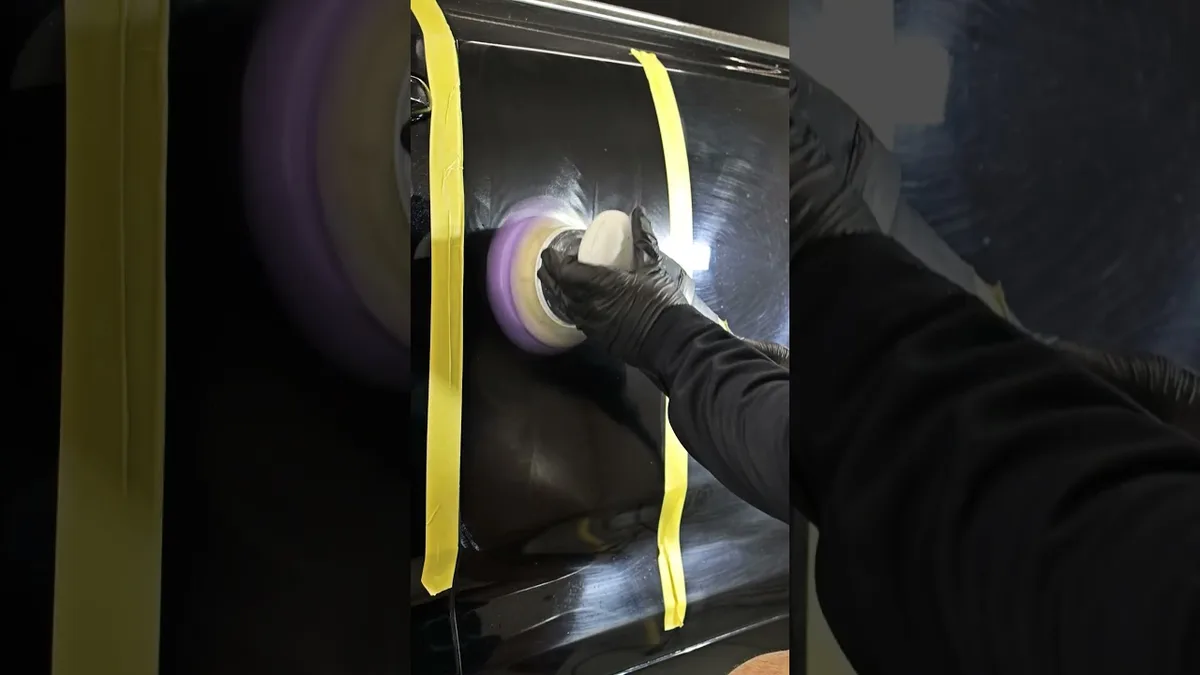
YouTube / Mats Detailing (YouTube thumbnail (fair-use with source credit))
Existing damage is another concern. If your car already has micro-scratches or a compromised clear coat, high-pressure water can make them more noticeable by pushing dirt into those tiny grooves.
When Touchless Washes Are Safe (And When They’re Not)
Touchless washes are safe for most daily drivers with factory paint jobs. They’re ideal for newer cars, vehicles with ceramic coatings, or those with sensitive finishes like matte or metallic paint. The lack of physical contact eliminates the biggest risk of scratches.
They’re not ideal for cars with aftermarket wraps or vinyl decals. The high-pressure water can lift edges or cause peeling over time. If your car has a fresh paint job, wait at least 30 days before using any automatic wash, touchless or not.
Older cars with thin or oxidized paint might also fare better with a gentle hand wash.
Touchless vs. Soft-Cloth vs. Hand Washing: Which Is Safest?
| Method | Scratch Risk | Chemical Risk | Convenience | Best For |
|---|---|---|---|---|
| Touchless | Low | Moderate | High | Daily drivers, newer cars |
| Soft-cloth | Moderate | Low | High | Regular maintenance |
| Hand washing | Low | Low | Low | Luxury cars, detailers |
Each method has trade-offs. Touchless washes avoid physical contact, but chemicals and drying can still pose risks. Soft-cloth washes use gentle brushes or microfiber strips, which are less abrasive than traditional brushes but can still pick up dirt and drag it across your paint.
Hand washing is the safest if done correctly. You control the pressure, the products, and the drying process. But it’s time-consuming, and improper technique can cause more damage than a touchless wash.
YouTube / Live Free (YouTube thumbnail (fair-use with source credit))
Signs Your Car Wash Is Causing Damage
The most obvious sign is visible swirl marks or fine scratches that catch the light. These often appear after repeated washes and look like a spiderweb pattern across your paint. Water spots are another red flag, especially if they don’t come off with a regular wash.
Less noticeable but just as harmful is a dull finish. If your car’s shine fades after a wash, the chemicals might be stripping your wax or sealant. Check for rough patches by running your fingers lightly over the surface if you suspect damage.
How to Use a Touchless Car Wash Without Risking Scratches
Prep your car first. Rinse off loose dirt at home to reduce the workload on the wash’s chemicals. Choose a touchless wash that advertises pH-balanced soaps and avoid any that smell strongly of harsh cleaners.
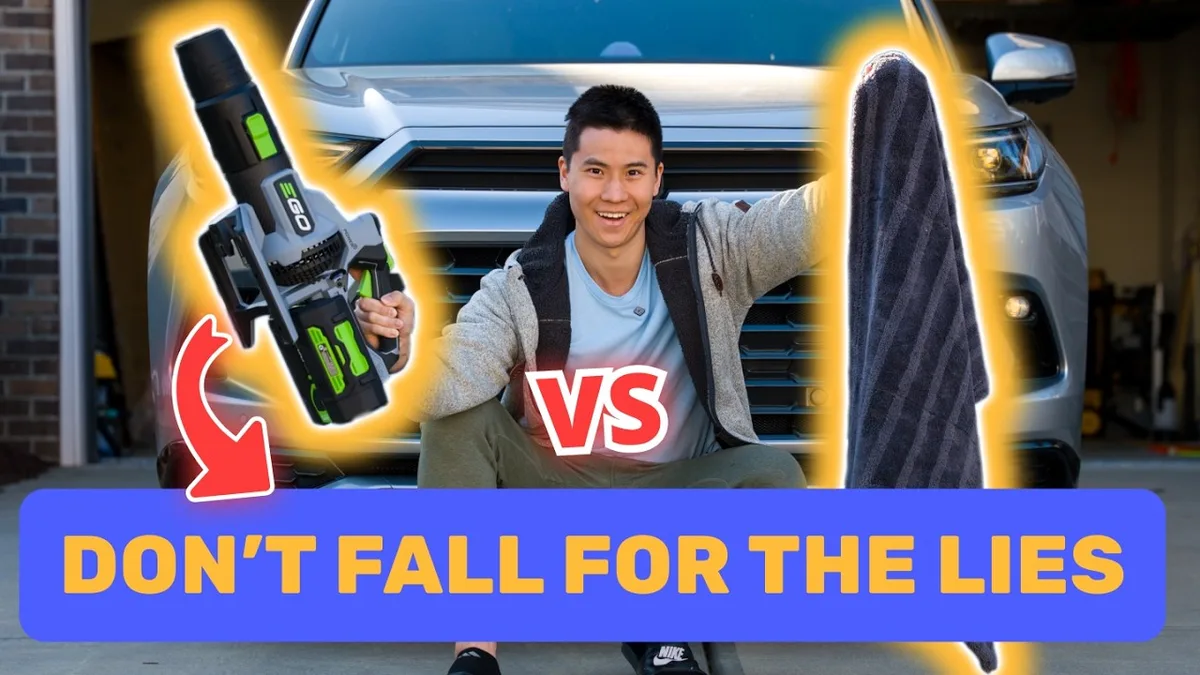
YouTube / The House of Rags (YouTube thumbnail (fair-use with source credit))
After the wash, dry your car immediately with a clean microfiber towel. This prevents water spots and ensures no leftover grime gets dragged across the paint.
Mistakes That Ruin Your Paint (Even in a Touchless Wash)
Using a touchless wash too often can wear down your clear coat over time. Stick to once every two weeks unless your car is caked in salt or mud. Skipping the pre-rinse means the wash has to work harder, increasing the chance of chemical damage.
Another mistake is ignoring the drying step. Letting your car air-dry can leave mineral deposits that etch into the paint. Always follow up with a quick hand dry or use a wash with high-quality air blowers.
Best Practices for Different Car Types
Newer cars with factory paint can handle touchless washes regularly. Just avoid the first 30 days after a fresh paint job. For luxury or performance cars with sensitive finishes, limit touchless washes to once a month and use a gentle hand wash in between.
Older cars with thin paint or visible oxidation need extra care. Stick to hand washing or find a touchless wash with the lowest pressure setting. If your car has aftermarket wraps or decals, avoid touchless washes entirely the high pressure can lift edges.
How Often Should You Really Wash Your Car?
Most experts recommend washing every two weeks to prevent dirt buildup. If you drive in harsh conditions like winter salt or heavy pollution, increase that to once a week. Less frequent washing can lead to contaminants bonding to your paint, making them harder to remove safely.
For cars that sit unused for long periods, a monthly wash is enough to keep dust and pollen from causing damage. Always adjust based on your environment and how much your car is exposed to the elements.
Final Verdict: Should You Use a Touchless Car Wash?
For most drivers, touchless washes are a safe and convenient option. They eliminate the biggest risk of scratches from physical brushes. The real danger comes from harsh chemicals or poor drying, not the water pressure itself.
If you own a newer car with standard paint, a touchless wash every two weeks won’t cause issues. Just pick a reputable location with pH-balanced soaps and follow up with proper drying. For older cars or custom finishes, hand washing is still the gold standard.
Frequently Asked Questions
Do touchless car washes use the same chemicals as brush washes?
Most touchless washes use stronger detergents to compensate for the lack of scrubbing. These can be harsher than the soaps in soft-cloth systems. Always check if the wash specifies pH-neutral or pH-balanced cleaners.
Can a touchless wash remove wax or sealant?
Yes, repeated use of aggressive chemicals can strip protective coatings over time. If you notice your car’s shine fading faster, switch to a gentler wash or reapply wax more often.
Are touchless washes safe for matte paint?
They can be, but the high-pressure water may leave visible streaks or uneven drying. Many matte paint owners prefer hand washing to maintain the finish. Always test a small area first.
How do I know if my touchless wash is damaging my paint?
Look for swirl marks, water spots, or a dull finish after washing. If you see these, try a different location or switch to hand washing. A quick test is to run your fingers over the surface if it feels rough, the wash may be causing micro-scratches.
Is it better to wash my car at home or use a touchless wash?
Hand washing at home gives you full control over products and techniques. It’s the safest method but requires time and effort. Touchless washes are faster and still low-risk for most cars if you choose a quality location.