ByMax Lee
Car Wash Tips for Ceramic Coated Cars
Bing (Web (fair-use with source credit))
A car wash for ceramic coating isn’t the same as a regular wash. The wrong method can strip the coating, leave swirl marks, or cut its lifespan short. Ceramic coatings, typically silica (SiO2) or titanium dioxide (TiO2) based, bond to your paint and need gentle, pH-balanced care to last their full 2, 5 years.
Manufacturer specs confirm these coatings resist UV, chemicals, and minor scratches, but only if you avoid abrasive tools and harsh detergents. That’s why the first rule is knowing which wash methods are safe.
Quick Answer
Yes, you can take a ceramic-coated car through a car wash. Use only touchless automatic washes. Avoid brush-based car washes.
Hand washing is the safest method. Always use pH-neutral soap.
What Makes Washing a Ceramic-Coated Car Different
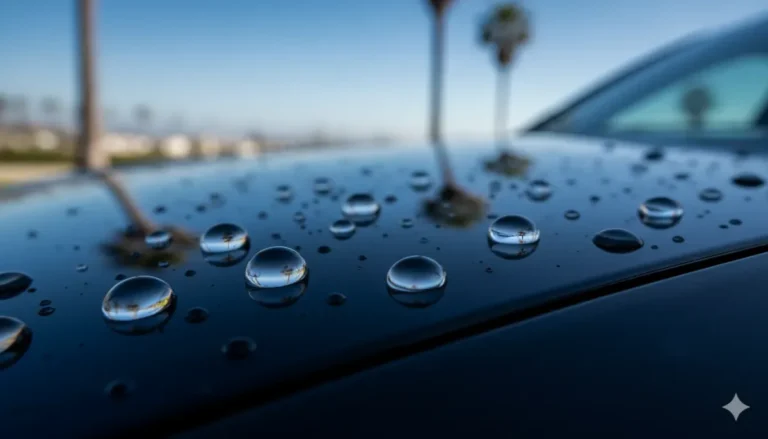
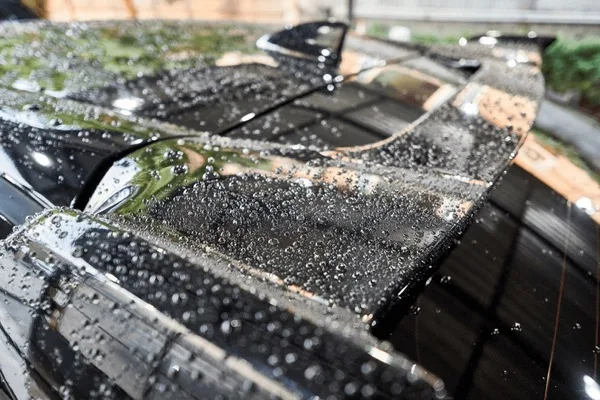
Ceramic coatings create a hydrophobic layer that repels water and dirt. This means your car stays cleaner longer, but it also means the surface is more sensitive to abrasives and strong chemicals.
Unlike wax or sealants, ceramic coatings don’t wear off with regular washing. They degrade if you use the wrong products or techniques. For example, alkaline cleaners (pH 10+) can break down the silica bond over time.
Brands like CarPro and Gyeon specify pH-neutral (6.5, 8.5) cleaners to maintain the coating’s integrity.
The coating’s hardness, often rated at 9H on the pencil scale, protects against light scratches. But that doesn’t mean it’s invincible. Abrasive sponges, stiff brushes, or even a dirty microfiber towel can still leave micro-scratches.
The 3 Types of Car Washes—Which Are Safe?
Not all car washes are equal for ceramic-coated vehicles. The type you choose directly impacts the coating’s longevity.
Brush-Based Automatic Car Washes
These use rotating brushes or cloth strips to scrub the car. The bristles can pick up dirt from previous cars and drag it across your coating, causing swirl marks. Even "soft cloth" washes aren’t safe, they still abrade the surface over time.
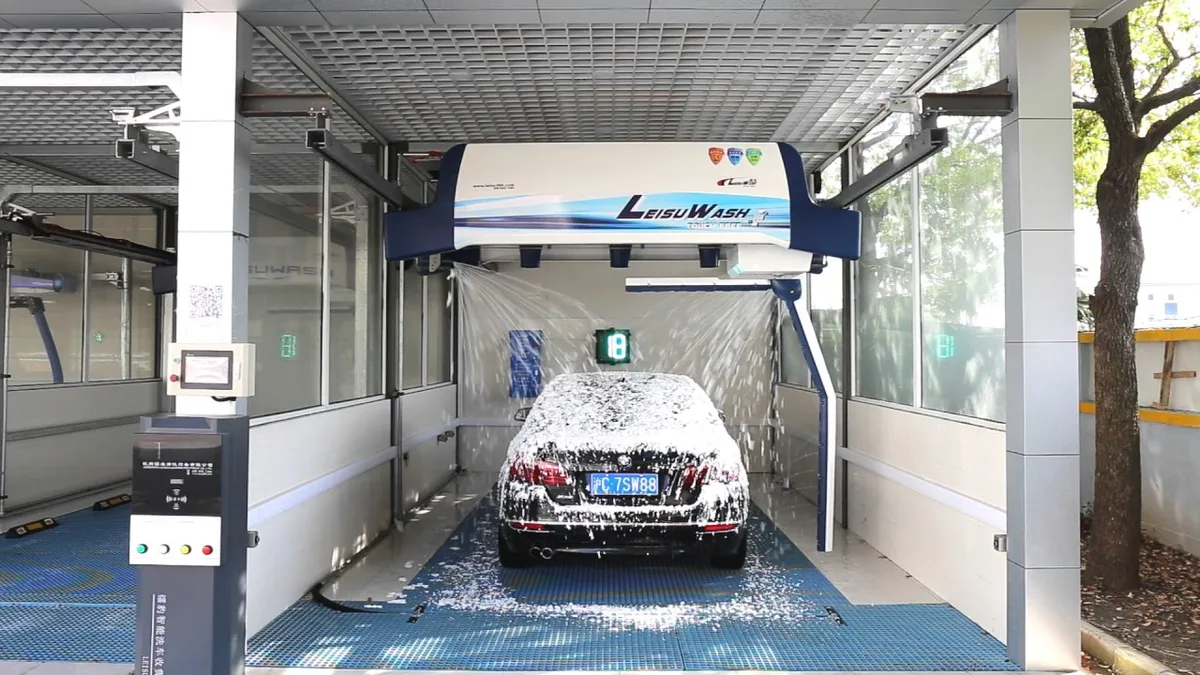
Touchless Automatic Car Washes
These use high-pressure water jets and detergents to clean without physical contact. They’re the only automatic option that won’t damage a ceramic coating, provided the detergents are pH-neutral.
Wikimedia Commons / Wikimedia Commons contributor
Self-Service Car Washes
These give you control over the pressure and soap. They’re safer than brush-based washes but still risk damage if you use the wrong nozzle setting or stand too close. Keep the wand at least 12, 18 inches from the paint.
The Only Safe Automatic Car Wash for Ceramic Coatings
Touchless car washes are the only automatic option that won’t harm your ceramic coating. They rely on high-pressure water and specialized detergents to lift dirt without scrubbing.
But not all touchless washes are created equal. Some use harsh chemicals to cut through grime quickly. For ceramic coatings, you need a wash that uses pH-neutral or slightly alkaline (up to pH 9) soaps.
If you’re unsure, ask the operator or look for washes that advertise "ceramic-safe" or "paint-sealant safe" detergents.
Even with a touchless wash, frequency matters. Weekly washes are fine, but daily trips can expose your coating to more chemicals than necessary. Stick to a bi-weekly schedule unless your car is visibly dirty.
If you live in an area with hard water, touchless washes can leave mineral deposits. These won’t damage the coating but can dull the finish. A quick detailer spray after the wash can restore the hydrophobic effect.
The Step-by-Step Hand Wash Method for Ceramic Coatings
Bing (Web (fair-use with source credit))
Hand washing is the gold standard for ceramic-coated cars. It gives you full control over the tools, products, and technique.
Pre-Wash Rinse
Start by rinsing the car with a pressure washer or hose to remove loose dirt. Use a 40-degree nozzle if you have one. Keep the nozzle 12, 18 inches from the paint to avoid damaging the coating.
Foam Cannon or Pre-Soak
Apply a thick layer of foam using a foam cannon or a bucket of soapy water. This helps lift embedded dirt before you touch the surface. Let the foam dwell for 1, 2 minutes, but don’t let it dry.
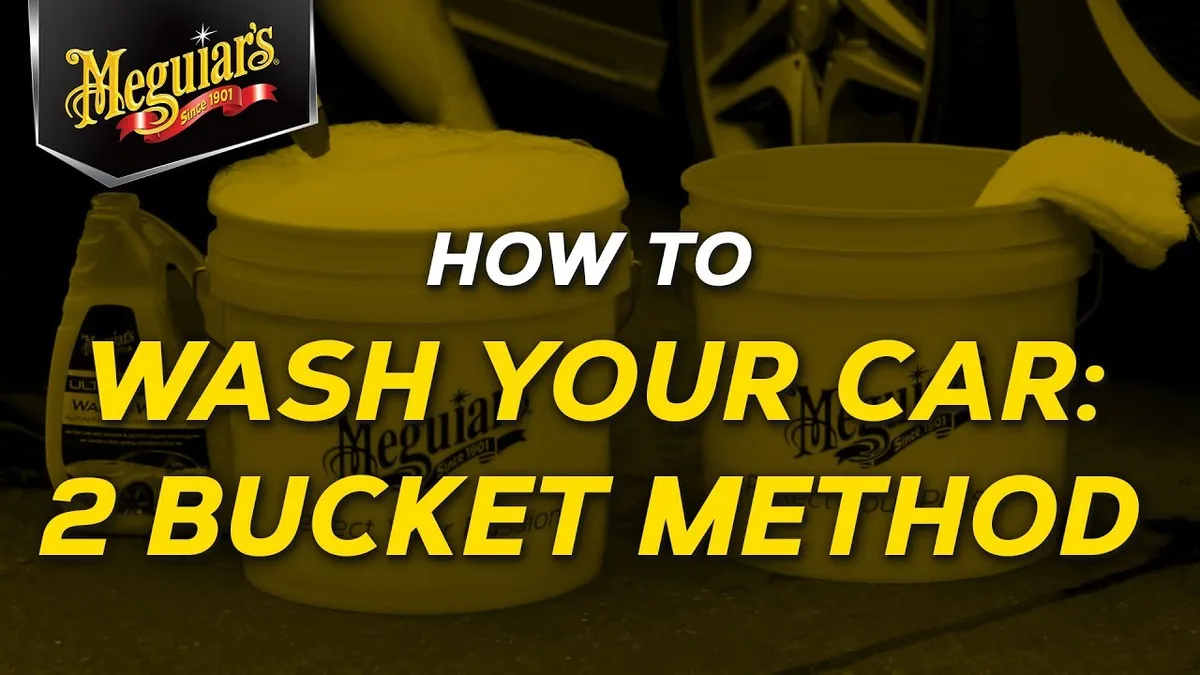
Two-Bucket Wash Method
Fill one bucket with pH-neutral car shampoo and water, and the other with clean water for rinsing your mitt. Use a grit guard in both buckets to trap dirt at the bottom.
- Dip your microfiber wash mitt into the soap bucket.
- Wash the car in sections, starting from the top and working down.
- After each section, rinse the mitt in the clean water bucket, rubbing it against the grit guard to release dirt.
- Never put a dirty mitt back into the soap bucket.
Wheels and Tires
Use a separate mitt or brush for the wheels and tires. Brake dust contains iron particles that can embed in your wash mitt and scratch the paint. A dedicated wheel cleaner (pH-neutral) works best here.
Final Rinse
Rinse the car thoroughly with water, starting from the top. Use the "sheeting method", let the water flow down the panels to minimize water spots.
Drying
Use a high-quality microfiber drying towel or a leaf blower to dry the car. A blower is ideal because it prevents water spots and reduces the risk of scratching. If you use a towel, pat the surface gently, don’t drag it.
What Soap, Tools, and Supplies You Actually Need
Bing (Web (fair-use with source credit))
pH-neutral car shampoo is non-negotiable. Anything alkaline above pH 9 or acidic below pH 5 will degrade the coating over time. Look for brands like Meguiar’s Hybrid Ceramic Wash or Chemical Guys Mr.
Pink, both are pH-balanced and ceramic-safe.
You’ll need two 5-gallon buckets with grit guards. The guards keep dirt at the bottom so you’re not rubbing it back onto the paint. Use separate mitts for the body and wheels to avoid cross-contamination from brake dust.
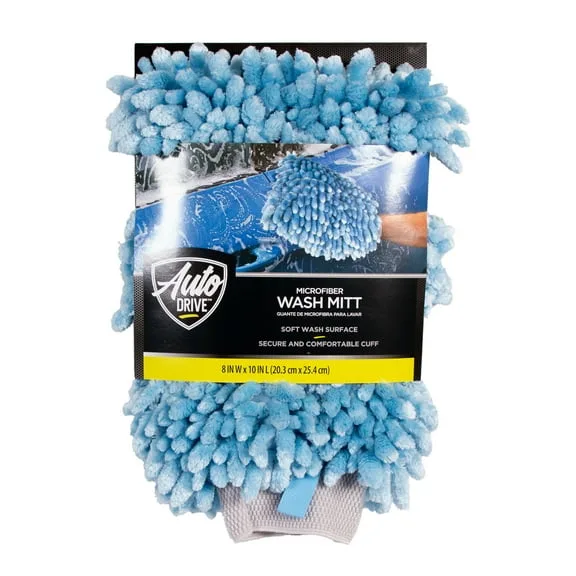
A high-quality microfiber wash mitt is gentler than sponges or brushes. Pair it with a microfiber drying towel or a leaf blower for spot-free drying. For stubborn grime, a clay bar and lubricant can safely remove embedded contaminants without harming the coating.
The 5 Biggest Mistakes That Ruin Ceramic Coatings
Washing too soon after application is a common error. Ceramic coatings need 24, 48 hours to cure fully. Any water exposure before then can interfere with the bonding process.
Using dish soap or household cleaners strips the coating’s hydrophobic properties. These products are too harsh and break down the silica or titanium dioxide layer over time.
Abrasive tools like stiff brushes or rough sponges leave micro-scratches. Even a dirty microfiber towel can cause swirl marks if you don’t rinse it properly between sections.
Letting bird droppings or bug splatter sit for days can etch the coating. These contaminants are acidic and can damage the surface if not removed promptly.
Skipping the two-bucket method means you’re redistributing dirt across the car. This defeats the purpose of the coating’s protective layer and leads to premature wear.
How Often You Should Wash a Ceramic-Coated Car
Weekly washing is ideal for most climates. It prevents dirt buildup and maintains the coating’s self-cleaning properties. In dusty or high-pollution areas, you might need to wash every 5, 7 days.
If your car is garaged and sees light use, bi-weekly washing is sufficient. The hydrophobic effect of the coating means light dust can often be rinsed off with water alone.
After heavy rain or a long road trip, wash the car as soon as possible. Road grime and salt can adhere to the coating and reduce its effectiveness if left untreated.
Over-washing isn’t a major risk, but daily washes with soap can strip natural oils from the coating over time. Stick to the recommended schedule unless the car is visibly dirty.
What to Do After Washing (Drying, Sprays, and Maintenance)
Drying is just as important as washing. Use a clean microfiber towel or a leaf blower to prevent water spots. Water spots can etch into the coating if left to dry in the sun.
After drying, a quick detailer spray can restore the hydrophobic effect. These sprays contain silica or ceramic polymers that refresh the coating’s water-beading properties. Apply it to a clean, dry surface and buff it in with a microfiber towel.
For long-term maintenance, use a ceramic coating maintenance spray every 2, 3 months. These products add an extra layer of protection and extend the life of your coating. They’re not a substitute for washing but help maintain the finish between washes.
If you notice the water beading effect diminishing, it’s time for a deep clean. Use a clay bar to remove embedded contaminants, then apply a ceramic boost spray to restore the coating’s performance.
Decontamination: When and How to Deep Clean
Deep cleaning is needed when regular washing isn’t enough. If your car feels rough to the touch, it’s time for decontamination. This usually happens every 3, 6 months, depending on driving conditions.
Start with a clay bar and lubricant. The clay picks up embedded contaminants that washing can’t remove. Work in small sections and keep the surface wet to avoid scratching.
For brake dust or iron particles, use an iron remover spray. These products turn purple as they dissolve iron oxide, making it easy to see where they’re working. Rinse thoroughly after use.
After decontamination, apply a ceramic boost spray to replenish the coating’s hydrophobic layer. This step isn’t mandatory but helps maintain the coating’s performance and shine.
Costs, Time, and Realistic Expectations
A professional ceramic coating application costs between $500 and $2,000. DIY kits run $50 to $200 but require precise application to avoid streaks or uneven bonding.
Washing a ceramic-coated car takes about 45, 60 minutes for a thorough hand wash. Touchless automatic washes take 10, 15 minutes but lack the precision of hand washing.
Expect the coating to last 2, 5 years with proper care. Consumer-grade coatings typically last 1, 2 years, while professional-grade options can exceed 5 years. Regular maintenance extends this lifespan significantly.
The hydrophobic effect will diminish over time. This is normal. A quick detailer spray can restore water beading between full re-applications.
FAQs About Washing Ceramic-Coated Cars
Can I use a pressure washer on a ceramic-coated car?
Yes, but keep the nozzle 12, 18 inches from the paint. Use a 40-degree tip and avoid concentrating the stream on one spot for too long.
How do I remove water spots from a ceramic coating?
Use a water spot remover designed for ceramic coatings. For light spots, a quick detailer spray often does the trick. Always dry the car immediately after washing to prevent spots.
Will a ceramic coating prevent all scratches?
No. Ceramic coatings resist minor scratches and swirl marks but won’t stop deep scratches from keys or rocks. They add a layer of protection but aren’t invincible.
Can I wax over a ceramic coating?
It’s unnecessary and can reduce the coating’s effectiveness. Ceramic coatings already provide superior protection and gloss. Wax won’t bond properly to the hydrophobic surface.
How do I know if my ceramic coating is still working?
Check for water beading. If water no longer beads up and sheets off, the coating may need refreshing. A simple test is to spray water on the surface and observe how it behaves.
Is a ceramic coating worth the investment?
For most car owners, yes. It provides long-lasting protection, easier cleaning, and a high-gloss finish. The upfront cost is offset by reduced maintenance and a longer-lasting shine.