Your new car has a problem that keeps coming back. The dealership has looked at it multiple times. You are wondering if Colorado's lemon law covers your situation.
Thousands of Colorado drivers face this same question every year.
Under Colorado Revised Statutes Title 42, Article 7, the law sets clear thresholds. Four repair attempts for most defects. One attempt if the problem is safety related.
Your vehicle also qualifies after 30 business days out of service within the warranty period.
Quick Answer
Colorado's lemon law covers new vehicles with substantial defects. The manufacturer gets four repair attempts for non-safety issues. It gets one attempt for safety defects.
Your vehicle qualifies after 30 business days in the shop. You must pursue arbitration or litigation for a refund or replacement.
Do You Have a Case? A Decision Tree
The fastest way to figure out if the law applies is to ask yourself a few questions. Think of it like a flowchart.
Does your vehicle have a problem that affects its use, value, or safety? If the answer is no, the law probably does not apply. The defect must be substantial.
Is the vehicle still under the manufacturer's express warranty? Most new car warranties run three years or 36,000 miles. If your warranty has expired, the law no longer applies.
How many times has the dealer tried to fix the same problem? Four or more attempts for the same issue likely means you have a case. One attempt if the defect is safety related. Thirty business days total in the shop also counts.
Have you sent a written demand letter to the manufacturer? You cannot skip this step. You must notify the manufacturer in writing and give them one final chance to fix it.
If you answered yes to all of these, you have a strong case.
What Counts as a Lemon in Colorado
Colorado's lemon law officially goes by the Colorado Motor Vehicle Warranty Act. It covers new motor vehicles purchased or leased in the state. The law applies to cars, trucks, and SUVs used for personal or family purposes.
Three main paths exist. You only need to meet one.
| Threshold | What Triggers It |
|---|---|
| Non-safety defect | 4 repair attempts |
| Safety defect | 1 repair attempt |
| Days out of service | 30 business days |
If you hit one of these thresholds, the law presumes your vehicle is a lemon. The burden then shifts to the manufacturer to prove otherwise.
What about used cars? Colorado has a separate used car lemon law with different rules. If you bought the car used but it is still within the original manufacturer's warranty, the new vehicle law may still apply.
What does substantial defect mean? The law calls it a nonconformity. It is any defect that substantially impairs the vehicle's use, value, or safety. A dead radio probably does not qualify.
A transmission that slips at highway speeds almost certainly does.
Is the dealer responsible or the manufacturer? The lemon law claim goes against the manufacturer. The dealer performs repairs on the manufacturer's behalf. Your demand letter and legal action target the company that built the car, not the dealership.
The 4-Repair Attempt Threshold
This is the most common path. You need four repair attempts for the same substantial defect within the warranty period.
What counts as a repair attempt? Any time you bring the vehicle to an authorized dealer for the same issue and they work on it. You need a written repair order from each visit. Without that paper, the attempt does not count.
If the dealer says "could not duplicate the problem," it still counts as an attempt. You took the vehicle in for a documented concern. Keep those repair orders.
What if the dealer fixes something different each time? The defect must be the same one each time. If you go in for a transmission issue three times and a brake problem once, you do not have four attempts for the transmission.
What happens after the fourth attempt? Once you hit four attempts and the problem still exists, the law says the manufacturer has had a reasonable chance to fix it. Send your demand letter. The manufacturer gets one final repair opportunity.
The 1-Repair Attempt Rule (Safety Defects)
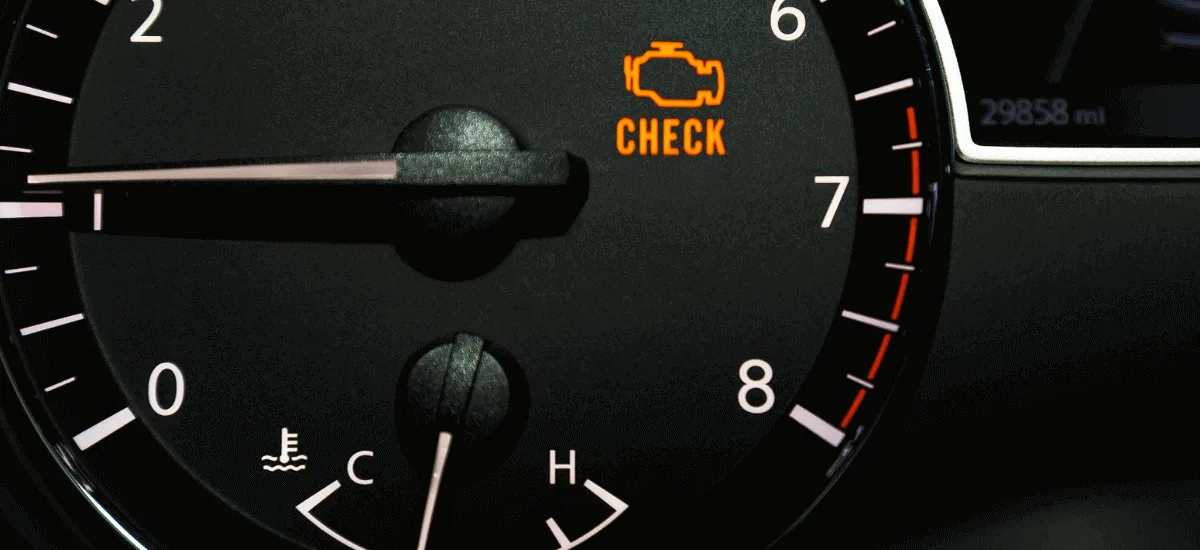
Safety defects get special treatment. If the problem could cause death or serious bodily injury, you only need one repair attempt.
What counts as a safety defect? The law defines it as a defect creating an imminent threat of death or serious bodily injury. Think brake failure. Steering that locks up.
Airbags that deploy randomly. A wheel that separates from the vehicle.
How do you prove it? Documentation is critical. A written statement from the repair shop confirming the defect helps. Photos or videos of the problem.
Any correspondence where the manufacturer acknowledges the safety concern.
What if the manufacturer says it is not a safety defect? You may need an independent expert opinion. A mechanic who inspects the vehicle and provides a written report strengthens your case significantly.
The 30-Business-Day Out of Service Rule
This path does not care how many repair attempts you made. It cares about total time in the shop.
How do you count business days? Monday through Friday. Weekends and federal holidays do not count. Only count days the vehicle was actually at the repair shop for warranty work.
Does the time have to be consecutive? No. Add up every day across all visits. If you total 30 business days, you hit the threshold.
What counts as out of service? From the moment you drop it off until it is ready for pickup. The clock stops when repairs are complete and the vehicle is available.
What does not count? Time spent waiting for parts if the manufacturer proves the delay was beyond their control. This exception is narrow.
What counts as proof? Your repair orders should show drop-off and pickup dates. If they do not, ask the dealer for a written statement. Keep a personal log.
How to Count Repair Attempts and Days Correctly
Counting wrong is the number one reason claims get rejected. Here is exactly how to do it right.
Each visit with a repair order counts as one attempt. Even if the dealer says "could not duplicate," it still counts. Oil changes and routine maintenance do not count.
Start counting business days the day after drop-off. If you leave it on Monday, day one is Tuesday. Weekends and holidays do not count.
Keep a simple tracking sheet. Write down every visit with dates dropped off and picked up. Aggregate reviews show that consumers with detailed logs succeed at much higher rates than those who rely on memory.
Step-by-Step Workflow
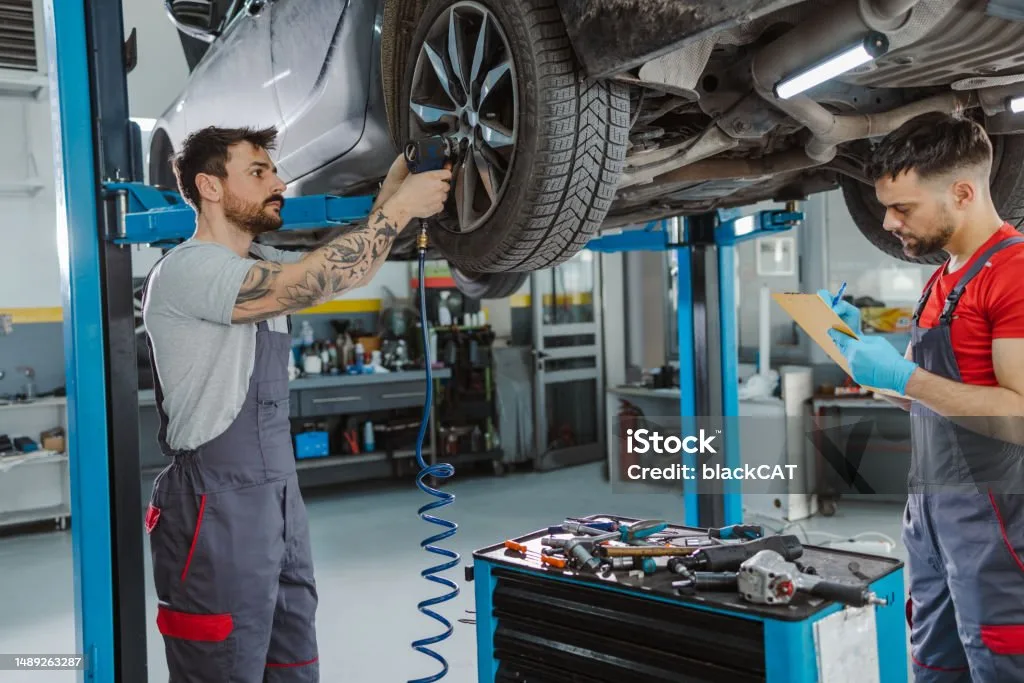
Step 1: Document every repair visit. Get a written repair order each time. Keep every one in a folder.
Step 2: Count your attempts and days. Confirm you hit four attempts, one safety attempt, or 30 business days.
Step 3: Send a demand letter to the manufacturer. Explain the defect, list every repair attempt with dates, and state that you want a refund or replacement. Send it via certified mail with return receipt.
Step 4: Wait for the final repair opportunity. The manufacturer usually gets ten business days. If the repair fails, you can move forward.
Step 5: File a claim. File through the Colorado Auto Arbitration Program or file a lawsuit in state court.
Step 6: Prepare your evidence. Gather repair orders, the demand letter, photos, and any communication with the dealer or manufacturer.
Step 7: Attend the hearing or trial. A decision follows within weeks or months.
Common Mistakes That Sink Claims
Mistake 1: Failing to get written repair orders. Without a written order, the attempt does not legally exist.
Mistake 2: Letting the dealer reset the clock with temporary fixes. If you drive the car home, the days out of service clock stops.
Mistake 3: Waiting too long to act. You have three years from delivery or one year after the warranty expires.
Mistake 4: Not sending the demand letter. The court will dismiss your case. This step is mandatory.
Mistake 5: Accepting a dealer buyback without reading the terms. Some offers waive your right to sue for attorney fees. Refuse those.
Mistake 6: Thinking the dealer is responsible. The manufacturer is the target, not the dealership.
Arbitration vs. Lawsuit

| Factor | Arbitration | Lawsuit |
|---|---|---|
| Cost | $0 filing fee | Filing fee and attorney costs |
| Time | 60 to 90 days | 6 to 18 months |
| Complexity | Informal | Formal with discovery |
| Attorney fees | You pay your own | Manufacturer pays if you win |
| Appeal | Binding on manufacturer | Both sides can appeal |
Choose arbitration for speed. Choose a lawsuit for maximum recovery and attorney fee coverage.
What a Buyback or Replacement Looks Like
Repurchase (buyback): The manufacturer buys the vehicle back. You get a refund of the full purchase price including taxes, registration fees, and finance charges. The manufacturer deducts a mileage offset based on miles driven before the first repair.
Replacement: The manufacturer gives you a comparable new vehicle. Same make, model, and features.
Does the buyback affect your credit? The manufacturer reports it to services like Carfax. The vehicle gets a lemon law buyback brand on the title. That is the manufacturer's problem, not yours.
What about your loan? The manufacturer pays the lender directly. Any remaining balance after the refund goes to you.
Frequently Asked Questions
How long does a Colorado lemon law claim take?
Most cases resolve in four to eight months. Arbitration through CAAP takes 60 to 90 days. Lawsuits take six months to a year or more.
Do I need a lawyer?
You can file without one. But consumers with legal representation recover significantly more. Many lemon law attorneys work on contingency.
Does the lemon law cover leased vehicles?
Yes, if the lease term is at least one year. The manufacturer must refund lease payments, acquisition fees, and the down payment.
Can I sell my car while a claim is pending?
Technically yes. But it complicates your case. The manufacturer will argue you no longer have a financial interest.
Wait until the claim is resolved.
Your Decision Guide
If you have zero repair attempts: Start documenting. Take the car in and get a written repair order.
If you have one to three attempts: Keep taking it in. Count every visit. If it is a safety defect with one attempt, send the demand letter now.
If you have four attempts or 30 business days out of service: Send your demand letter today via certified mail. Organize every repair order.
If the manufacturer failed the final repair: File your claim. Choose arbitration for speed. Choose a lawsuit for maximum recovery.
If you already signed a buyback agreement you regret: Consult an attorney immediately. Some agreements include waivers that limit your rights.
You have rights under Colorado law. The system works when you follow the steps correctly. Start with your repair orders.
Count your attempts. Send that letter.