Connecticut’s motor vehicle tax system can trip up even long-time residents. The Connecticut 26 month deadline for motor vehicle tax adjustment proof is your last chance to correct an error or dispute an assessment, and missing it means losing your right to a refund or correction.
This rule applies to every town in the state, but the clock starts ticking from your original assessment date. As of 2026, the deadline remains fixed at 26 months, with no extensions for late filings.
Quick Answer
The Connecticut 26 month deadline for motor vehicle tax adjustment proof is your final window to submit documentation. It starts from your original assessment date. You must file with your local tax assessor.
No exceptions exist for late submissions.
Why Connecticut’s 26-Month Deadline for Motor Vehicle Tax Adjustments Matters
This isn’t just a bureaucratic formality. Connecticut treats motor vehicles as taxable property, and municipalities assess them every two years. If you overpaid due to a clerical error, sold the car, or moved out of state, the 26-month rule is your only path to a correction.
The state’s Office of Policy and Management confirms this deadline is absolute. Once it passes, you forfeit any claim to a refund or adjustment, even if the error wasn’t your fault.
What the 26-Month Deadline Actually Means
The countdown begins the day your town issues the original tax assessment. For most Connecticut municipalities, that’s October 1 of the assessment year. You then have 26 months from that date to gather and submit proof.
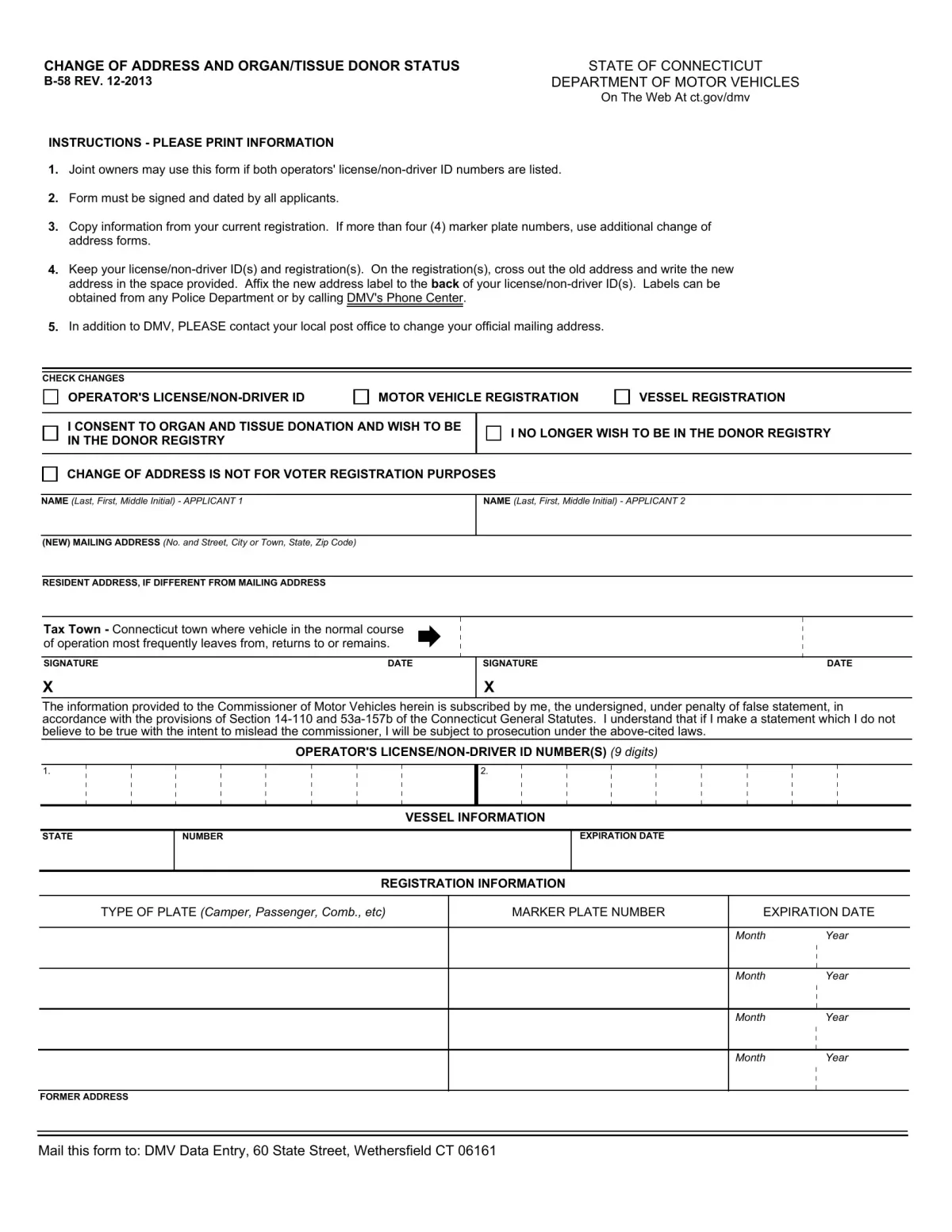
This isn’t the same as your registration renewal or DMV deadlines. It’s purely a municipal tax issue, handled by your local tax assessor’s office, not the Connecticut DMV.
Who Needs to File a Tax Adjustment Proof
You’ll need to act if any of these apply:
- You sold or transferred the vehicle before the assessment date
- The vehicle was totaled, stolen, or otherwise removed from service
- You moved out of Connecticut and no longer owe the tax
- The assessor’s office made an error in the vehicle’s value or status
If you’re still the registered owner and the assessment is correct, no action is required.
What Counts as Valid Proof of Adjustment
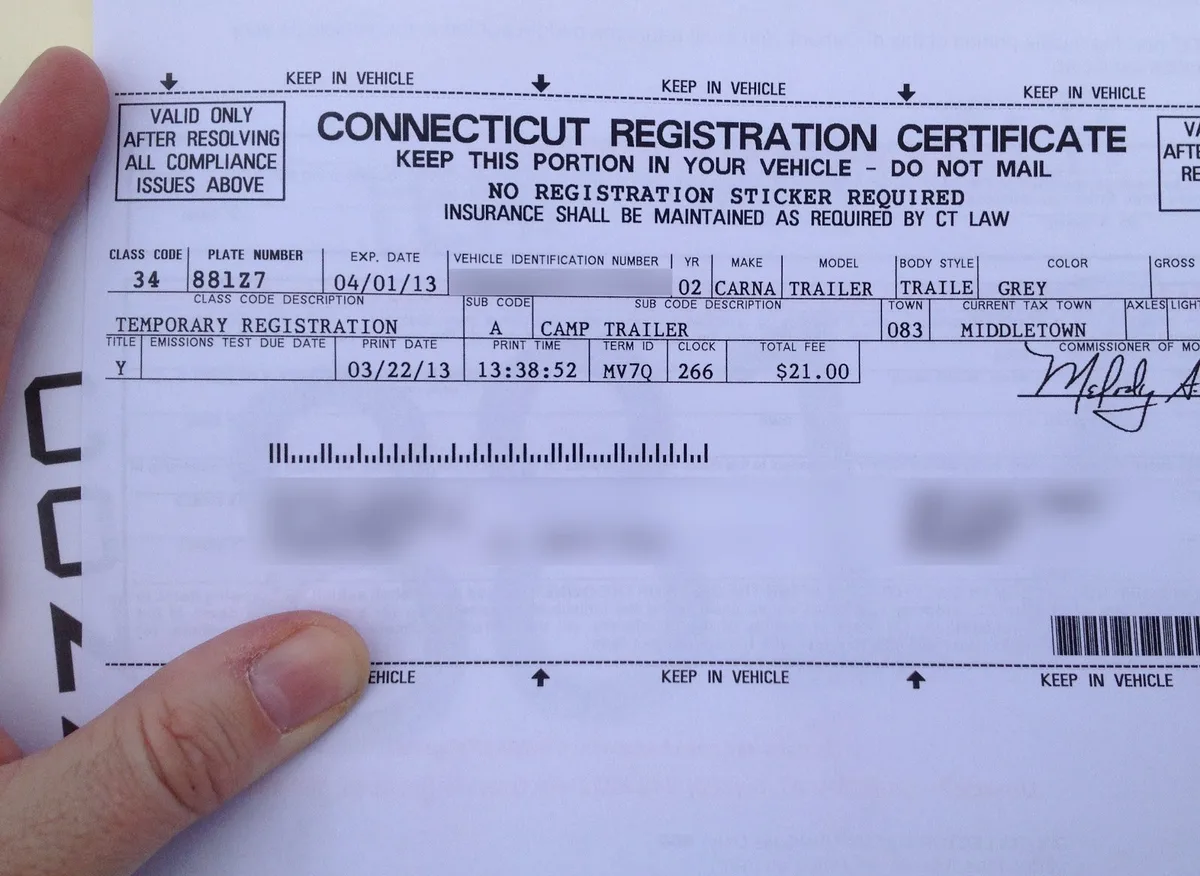
Your documentation must prove the change in status. Acceptable proof includes:
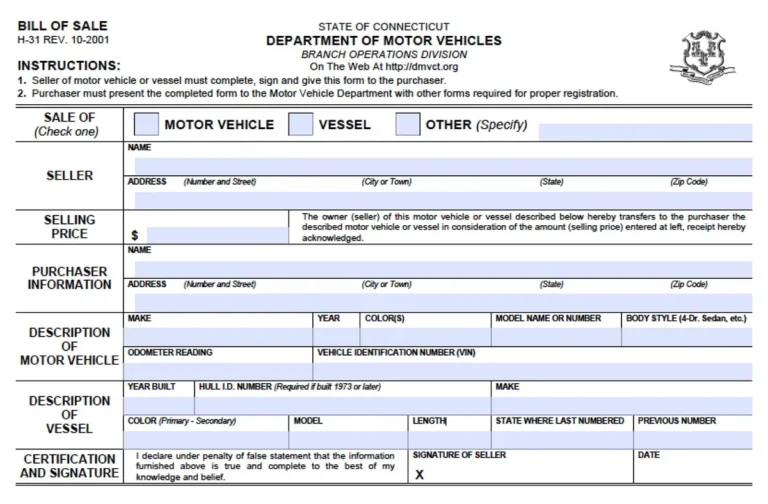
- A bill of sale showing the transfer date
- A DMV release of liability form
- Insurance cancellation or total loss documentation
- Out-of-state registration or title transfer
- A corrected assessment notice from the tax office
How to Submit Your Proof Before the Deadline
Start by contacting your local tax assessor’s office. Each Connecticut town handles submissions differently, but most require in-person or mailed documentation.
Double-check the deadline for your specific assessment year. Some municipalities post this on their website, while others require a phone call. Always get confirmation in writing.
What Happens If You Miss the 26-Month Window
Once the deadline passes, your right to an adjustment disappears. The tax bill stands as issued, even if it was incorrect.
No appeals or extensions exist. The only recourse is to pay the original amount and learn from the mistake for future assessments.

Common Mistakes That Get Adjustments Rejected
Submitting incomplete documentation is the top reason for denial. A bill of sale without the transfer date won’t suffice.
Another frequent error is sending proof to the DMV instead of the tax assessor. These are separate offices with different responsibilities.
How Municipalities Handle Tax Adjustments Differently
Procedures vary by town. Some accept emailed documents, while others require originals in person.
Response times also differ. Larger cities may take weeks to process, while smaller towns could resolve it in days.

Where to Get Help If Your Adjustment Is Denied
If your claim is rejected, request a written explanation. This will clarify whether the issue is missing paperwork or an ineligible reason.
You can then appeal to your town’s board of assessment appeals. Deadlines for appeals are tight, often just 30 days from the denial.
Frequently Asked Questions
Does the 26-month deadline apply to all Connecticut towns?
Yes. Every municipality in Connecticut follows the same 26-month rule for motor vehicle tax adjustments. The only variation is how each town processes submissions.
Can I submit proof electronically?
Some towns accept emailed or uploaded documents, but many still require in-person or mailed originals. Check with your local tax assessor’s office for their specific rules.
What if I miss the deadline by a few days?
There are no exceptions. The 26-month cutoff is strict, and late submissions are not accepted under any circumstances.
How do I know my assessment date?
Most Connecticut towns issue motor vehicle tax assessments on October 1. Your tax bill or the assessor’s website will confirm the exact date for your municipality.
Can I appeal a denied adjustment?
Yes, but you must act quickly. Most towns give you 30 days from the denial to file an appeal with the board of assessment appeals.