ByMax Lee
CT DMV Online Registration Renewal Guide & Requirements
Connecticut DMV online registration renewal and document requirements can save you a trip to the branch if you know the rules. The process is straightforward for most drivers, but eligibility depends on your vehicle type, emissions status, and whether your property taxes are paid. As of 2026, Connecticut requires biennial renewals, and missing the deadline can mean late fees or even a suspended registration.
The state’s online portal handles most renewals in minutes, but you’ll need your current registration, insurance info, and sometimes an emissions test.
Quick Answer
Connecticut DMV online registration renewal and document requirements let most drivers renew in minutes. You need your current registration, proof of insurance, and a valid emissions test if applicable. Fees vary by vehicle type and municipality.
Late renewals incur penalties.
Can You Renew Your Connecticut Registration Online?
Yes, if your vehicle meets these conditions:
- It’s a passenger car, truck, or motorcycle under 10,000 lbs
- Your emissions test is current (if required)
- Your property taxes are paid in full
- Your insurance is active and matches DMV records
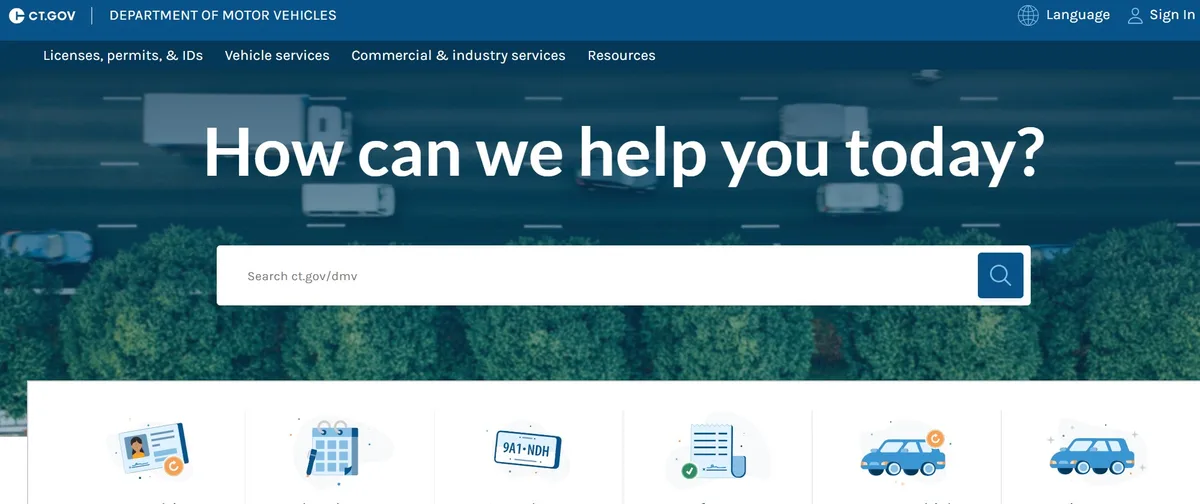
If you’ve moved, changed vehicles, or have a commercial registration, you may need to visit a branch. The official DMV portal confirms eligibility instantly.
Bing (Web (fair-use with source credit))
Who’s Eligible for Online Renewal (and Who Isn’t)
You can renew online if:
- Your registration isn’t expired for more than 60 days
- You have no outstanding parking tickets or toll violations
- Your vehicle passed its most recent emissions test (if applicable)
- Your address matches what’s on file with the DMV
You must visit a DMV office if:
- Your registration expired over 60 days ago
- You need to update your vehicle’s title or lienholder
- Your vehicle failed its emissions test
- You’re registering a newly purchased vehicle
Military personnel on active duty get an automatic extension. Check the Connecticut DMV military exemptions page for details.
Documents You’ll Need Before You Start
Gather these before logging in:
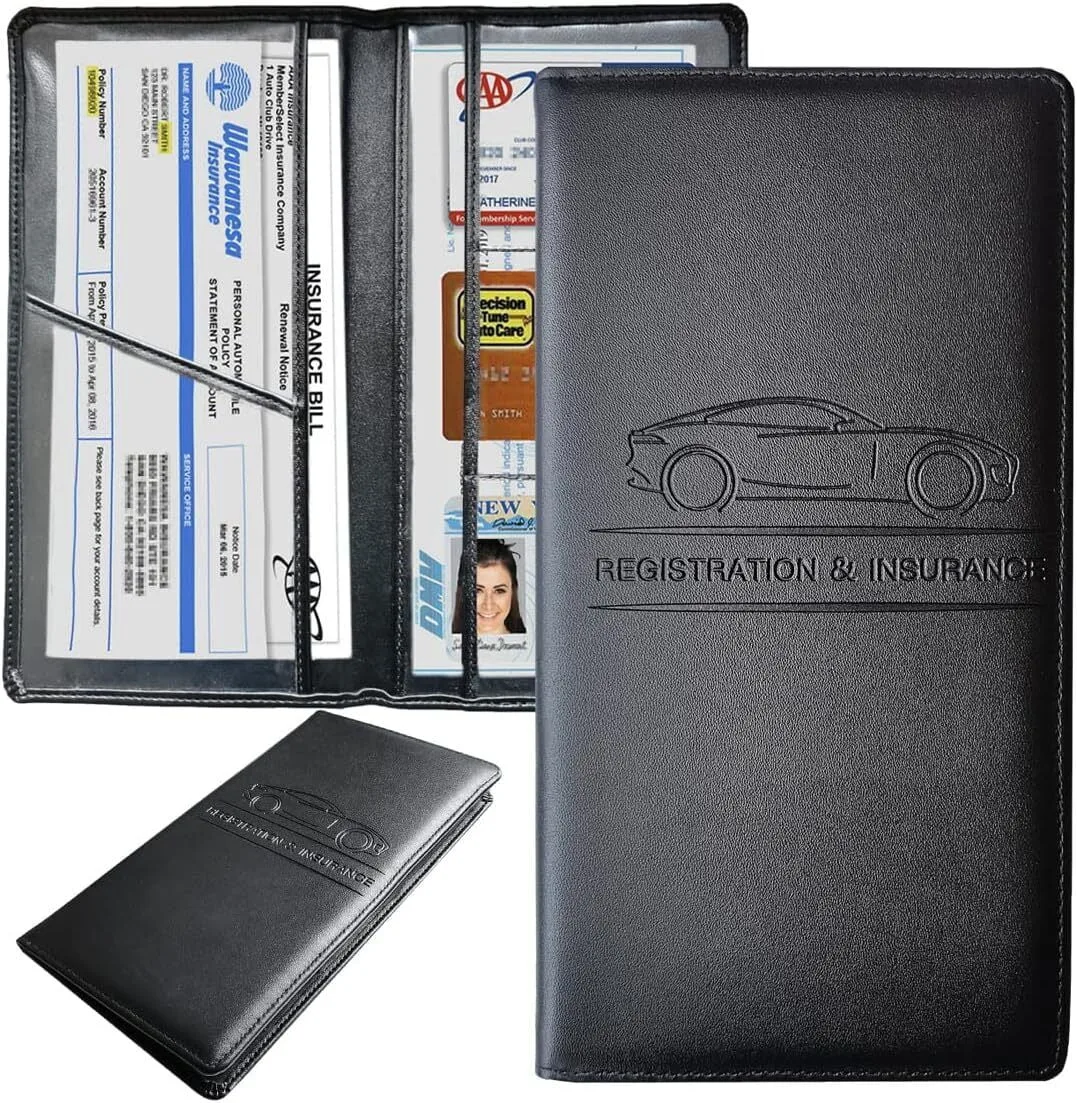
- Current Connecticut registration certificate
- Proof of insurance (digital or paper)
- Vehicle identification number (VIN)
- Payment method (credit/debit card or e-check)
- Emissions test receipt (if your vehicle requires one)
If you’ve lost your registration, use your license plate number to look it up in the portal. Double-check that your insurance policy’s effective dates cover the entire renewal period.
Bing (Web (fair-use with source credit))
Gather these before logging in:
- Current Connecticut registration certificate
- Proof of insurance (digital or paper)
- Vehicle identification number (VIN)
- Payment method (credit/debit card or e-check)
- Emissions test receipt (if your vehicle requires one)
If you’ve lost your registration, use your license plate number to look it up in the portal. Double-check that your insurance policy’s effective dates cover the entire renewal period.
Bing (Web (fair-use with source credit))
Connecticut’s Registration Fees: What You’ll Pay
Fees depend on your vehicle type, weight, and municipality. Here’s a general breakdown as of 2026:
| Vehicle Type | Base Fee | Additional Municipal Tax |
|---|---|---|
| Passenger car | $80 | Varies by town |
| Motorcycle | $40 | Varies by town |
| Light truck (under 3,700 lbs) | $85 | Varies by town |
| Heavy truck (3,700+ lbs) | $120+ | Varies by town |
Property taxes are separate and must be paid before renewal. Some towns add a $10, $25 processing fee for online transactions. The portal calculates your total before payment.
Step-by-Step: How to Renew Online in Connecticut
- Check eligibility on the DMV renewal page. Enter your license plate or VIN.
- Verify your info. Confirm your address, vehicle details, and insurance are correct.
- Pay the fee. Use a credit/debit card or e-check. A $1.50 convenience fee applies to card payments.
- Print your temporary registration. You’ll receive a digital copy immediately. Your new sticker arrives by mail in 7, 10 days.
- Save your confirmation. Keep the email receipt until your physical registration arrives.
If the system flags an issue (like unpaid taxes), resolve it before proceeding. Most problems can be fixed online, but some require a branch visit.
What Happens If You’re Not Eligible for Online Renewal?
You’ll need to visit a DMV branch in person. Bring your current registration, proof of insurance, and any required emissions test results. If your registration expired over 60 days ago, you may face a $10 late fee plus additional penalties.
Some situations require extra paperwork. For example, if you’ve changed your name or address, bring proof like a utility bill or marriage certificate. Commercial vehicles often need additional inspections.
Emissions Testing: When It’s Required for Renewal
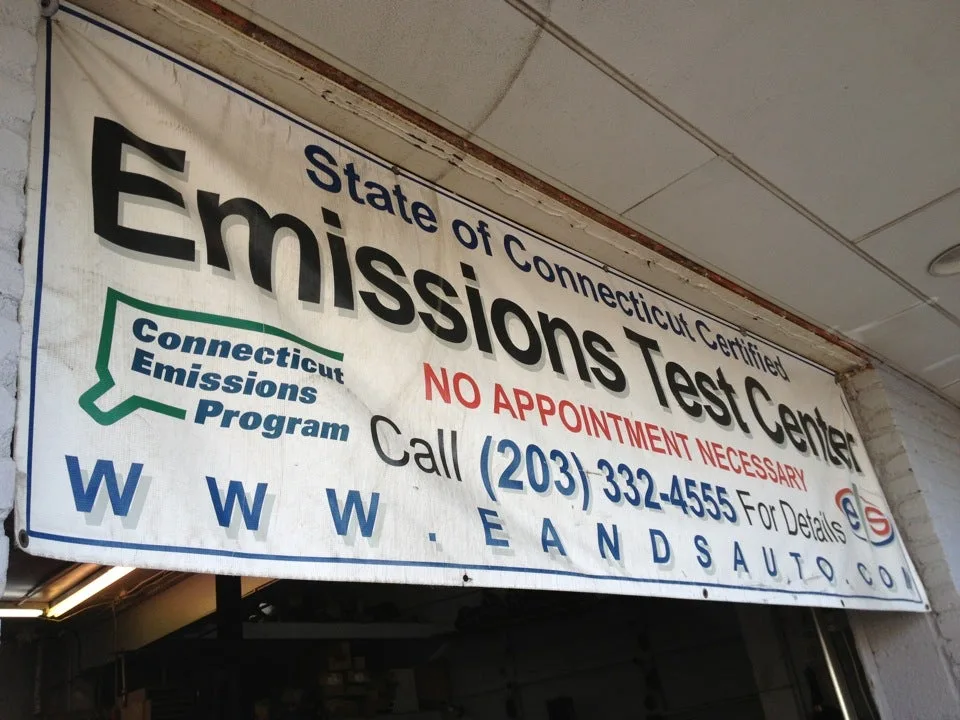
Connecticut requires emissions tests for most gasoline-powered vehicles from model years 1996 and newer. Diesel vehicles and those over 10,000 lbs are exempt. Testing is biennial, matching your registration cycle.
You can check your vehicle’s status on the CT Emissions Testing Program site. If your test is due, complete it before renewing. Some counties like Fairfield and New Haven enforce stricter rules.
Bing (Web (fair-use with source credit))
Property Tax Hold? How to Fix It Before Renewing
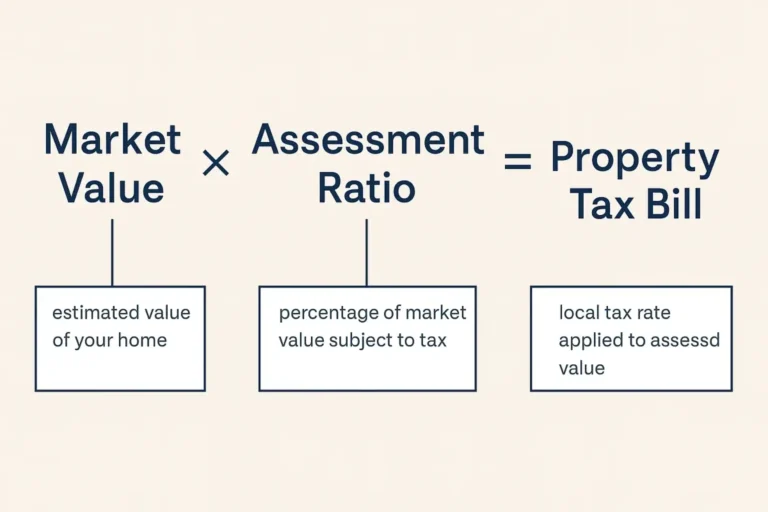
Unpaid property taxes block registration renewal. Connecticut ties vehicle taxes to your town’s grand list. If you owe taxes, pay them through your municipality’s tax collector first.
Once paid, the DMV system updates within 24, 48 hours. You can then renew online. Some towns offer payment plans for delinquent taxes, but the DMV won’t process your renewal until the balance is zero.
Common Mistakes That Delay Your Renewal
Using an old insurance card is a top reason for rejection. Your policy must be active and match the DMV’s records. Double-check the VIN and license plate number before submitting.
Another common issue is an outdated address. If you moved, update it with the DMV before renewing. Also, ensure your emissions test is current if required.
The portal will flag these issues immediately.
After You Renew: What to Do Next
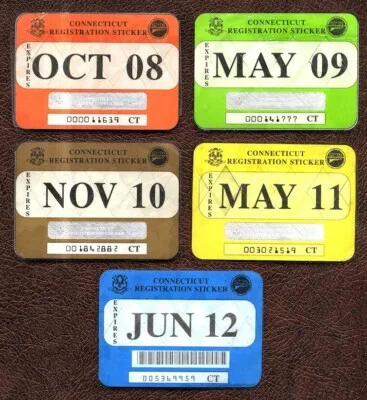
Print your temporary registration and keep it in your vehicle. Your new sticker arrives by mail in 7, 10 business days. If it doesn’t, contact the DMV before your temporary expires.
Check that your new registration matches your old one. Errors like wrong vehicle details or missing stickers need correction. Keep your confirmation email until the physical documents arrive.
Bing (Web (fair-use with source credit))
Connecticut Registration Renewal FAQs
Can I renew my registration if my insurance lapsed?
No. Your insurance must be active and match the DMV’s records. Update your policy before attempting renewal.
The system will reject your application if coverage isn’t current.
What if I lost my registration certificate?
Use your license plate number to look up your details in the online portal. You can also request a duplicate registration through the DMV website for a small fee.
How do I know if my vehicle needs an emissions test?
Check the CT Emissions Testing Program site. Most gasoline vehicles from 1996 or newer require testing. Diesel vehicles and those over 10,000 lbs are exempt.
What’s the late fee for expired registration?
The fee starts at $10 for renewals up to 30 days late. After 30 days, it increases to $25. Additional penalties may apply for longer delays.
Can I renew online if I moved to a new town?
No. You must update your address with the DMV first. Visit a branch or update it online before renewing your registration.
How long does it take to get my new registration sticker?
Your sticker arrives by mail in 7, 10 business days. Print your temporary registration to use until it arrives. If it doesn’t, contact the DMV immediately.