ByMax Lee
Guide to California Low Cost Automobile Insurance Program for Eligible Residents
If you're a California driver worried about the cost of keeping your car legally on the road, you've probably heard about the California low cost automobile insurance program for eligible residents. It's a state-run program designed for one specific kind of driver: someone who needs basic coverage but can't afford the prices the big national carriers charge.
This isn't a discount coupon or a temporary deal. It's a real insurance policy that meets California's minimum requirements. As of 2026, it's available to roughly 300,000 low-income residents across the state.
The catch is that you have to prove you qualify. That's where most people either get it right or accidentally mess up. Let's walk through exactly how this works so you can decide if it's your best option.
Wikimedia Commons / Ellin Beltz (CC BY-SA)
Quick Answer
The California Low Cost Automobile Insurance Program (CLCA) is a state-mandated, income-based insurance plan for eligible residents who can't afford standard market rates. It provides the minimum liability coverage required by law at a fixed, reduced premium. You must meet income limits, have a clean driving record, and hold a valid California driver license.
Why This Matters More Than You Think (The Stakes)
Let's be honest about what's at risk here. California law requires every driver to carry at least 15/30/5 liability coverage. That means $15,000 for injury to one person, $30,000 total for an accident, and $5,000 for property damage.
If you get caught driving without it, you're looking at fines starting at $100 and going up to $200 for a first offense. Your car can also be impounded.
But the real danger isn't the ticket. It's the financial hole you fall into if you cause an accident. Without insurance, you're personally on the hook for medical bills, repair costs, and legal fees.
In California, that can mean thousands of dollars in debt. It can mean having your wages garnished for years. That's why the CLCA program exists.
It's not a handout. It's a safety net.
Bing (Web (fair-use with source credit))
Who Actually Qualifies (The Eligibility Check)
This program isn't for everyone. You have to meet three specific conditions to get approved. Let's break them down.
Income Limit: 250% of the Federal Poverty Level
Your household income must be at or below 250% of the federal poverty level. That's roughly $36,000 for a single person and $74,000 for a family of four as of 2026. You'll need to prove this with tax returns, pay stubs, or a letter from Medi-Cal.
If you're just over the line, you don't qualify.
Driving Record: Clean for 3 Years
You need three years without an at-fault accident. That means no accidents where you were determined to be the cause. It also rules out major violations like a DUI or reckless driving.
Speed tickets that don't show as at-fault accidents are usually fine. But if you have a suspended license, you're out.
Residency and License
You must be a California resident with a valid California driver license. A learner's permit or an out-of-state license won't cut it. Your vehicle also has to be registered in California and match the address on your application.
This is a state-specific program. It doesn't work if you live in Nevada or Oregon.
What Disqualifies You Instantly
- A DUI conviction in the last 3 years
- A suspended or revoked license
- Driving a vehicle not registered in your name
- A lapse in coverage for more than 30 days (unless you can prove you were uninsured by choice)
What You Get vs. What You Don't
This is where most people get confused. The CLCA program covers exactly what California law requires and nothing more. Let's look at what's included and what's missing.
What's Covered
| Coverage Type | Limit | What It Means |
|---|---|---|
| Bodily injury (per person) | $15,000 | Covers medical bills for one person |
| Bodily injury (per accident) | $30,000 | Covers total medical costs for all injured |
| Property damage | $5,000 | Covers damage to another person's car or property |
| Uninsured motorist | $15,000 / $30,000 | Covers you if an uninsured driver hits you |
| Medical payments | $1,000 | Pays for your medical bills regardless of fault |
The uninsured motorist coverage is a nice bonus. Most standard policies make you pay extra for it. With the CLCA, it's baked into the price.
What's Not Covered
- Collision coverage, If you hit a tree or a pole, your car isn't fixed. You pay for that.
- Comprehensive coverage, Theft, vandalism, or hail damage? Nope.
- Rental car coverage, If your car is in the shop, you're walking or borrowing a friend's.
- Towing and roadside assistance, That's all on you.
Why This Matters
If you're driving a beater worth $2,000, this coverage makes sense. You're not sweating a total loss because the car isn't worth much anyway. But if you're financing a $15,000 vehicle, you need full coverage.
The CLCA won't protect your investment.
Bing (Web (fair-use with source credit))
How to Apply (The Real Step-by-Step)
Applying for the CLCA isn't like buying regular insurance online. You can't just punch in your zip code and get a quote in 60 seconds. The process takes two to four weeks, and it requires paperwork.
Step 1: Find the Application
Go to the California Department of Insurance website. You'll find the CLCA application there, or you can call their hotline and ask them to mail it to you. You can also visit a local DMV office, but the online form is faster.
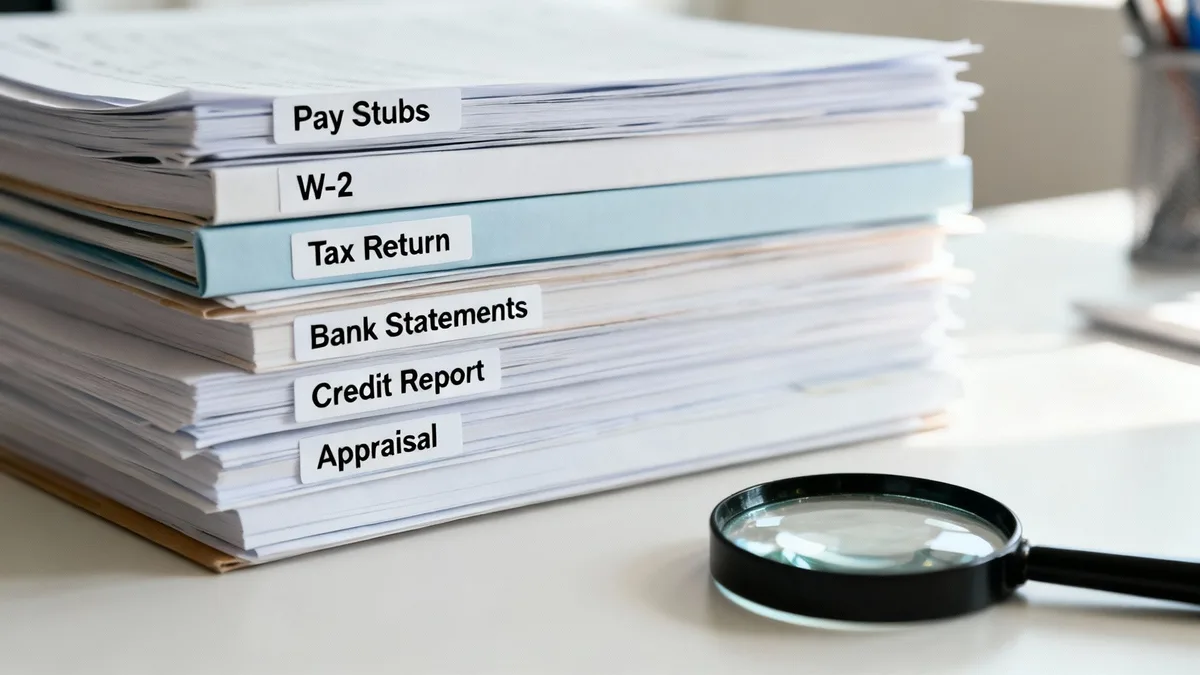
Step 2: Gather Your Documents
You'll need:
- Proof of income, Your most recent tax return or pay stubs from the last 3 months. If you're on Medi-Cal, a copy of your benefits letter works.
- Proof of residency, A utility bill or rental agreement with your name and address.
- Your California driver license, A photo copy is fine.
- Vehicle registration, Must match your address.
Step 3: Find an Authorized Agent
Not every insurance agent knows about the CLCA. You need an agent who is authorized to sell these policies. The CDI website has a directory.
Call a few. Some charge a small service fee. Others don't.
Step 4: Submit and Wait
Once your application and documents are in, the state processes them. Expect two to four weeks. If everything checks out, you'll get your policy documents in the mail.
Bing (Web (fair-use with source credit))
What It Actually Costs
Let's talk real numbers. The CLCA doesn't have a single price. It varies by county and by your income level.
Here's a rough idea.
Monthly Premiums by County
| County | Typical Monthly Premium |
|---|---|
| Los Angeles | $40 – $70 |
| San Francisco | $50 – $90 |
| Central Valley | $30 – $50 |
| Inland Empire | $35 – $55 |
These are rough estimates. Your actual rate depends on the insurance company assigned to your policy. The state caps the total so you won't see a spike for no reason.
No Down Payment? Yes
Some policies let you pay monthly with no down payment. That's huge if you're living paycheck to paycheck. Other standard carriers often ask for a full 6-month payment upfront.
How It Compares to Standard Market
A standard minimum policy from a big carrier might cost you $80 to $150 a month in Los Angeles. The CLCA caps out closer to $70. That's real savings.
But only if you qualify. If your income is a bit above the threshold, the standard market is your only option.
The Pros and Cons (Honest Take)
No program is perfect. Let's look at both sides.
Pros
- Fixed rates, Your premium doesn't go up just because you filed a claim. That's unheard of in the standard market.
- No credit check, Standard insurers love to check your credit. The CLCA doesn't care about your FICO score.
- Guaranteed acceptance, If you meet the criteria, you're in. No rejection letters.
Cons
- Limited coverage, You're only protected up to $15,000 per person. A bad accident can easily exceed that.
- Slow processing, Two to four weeks is a long time if you need insurance today.
- Annual renewal hassle, You have to reapply every year with fresh income documents. It's not automatic.
When It Works Perfectly
- You drive an old car worth less than $5,000
- You have a clean record and low income
- You just need the bare minimum to stay legal
When It Doesn't
- You're financing a car (lenders require full coverage)
- You have a high-value vehicle
- You drive a lot and want peace of mind
Common Mistakes That Get Applications Denied
Most CLCA rejections happen for the same few reasons. Let's make sure you don't make them.
Mistake 1: Using a Non-California License
If you moved here from another state, you need to get a California license first. The program won't accept an out-of-state permit or license.
Mistake 2: Lying About Your Income
The state checks your tax returns. If you say you make $25,000 but your tax return shows $45,000, you'll get denied and flagged. Honesty matters.
Mistake 3: Missing Deadlines
Your application has a 90-day window from the date you start it. If you don't submit everything in time, you have to start over.
Mistake 4: Driving a Vehicle Not Registered to You
If the car isn't in your name, you either need a non-owner policy or to get the registration switched. The CLCA only covers vehicles registered to the applicant.
Alternatives to Consider
If you don't qualify for the CLCA, you have other options.
Standard Market Insurance
The big carriers like Progressive and GEICO are your fallback. They're more expensive, but they offer full coverage, faster processing, and fewer restrictions. If your income is just above the threshold, you might not save much by going with the CLCA.
California Assigned Risk Plan
This is for drivers who can't get standard insurance because of their record. It's more expensive than the CLCA and doesn't have the same income limit. If you have a DUI or a bunch of at-fault accidents, this is your route.
Non-Owner CLCA Policy
If you don't own a car but drive occasionally, you can get a non-owner policy. It covers you when you drive someone else's car. It's cheaper than a full policy but only provides liability.
When to Pay a Little More
If your car is worth more than $5,000 or you have a loan, skip the CLCA. Full coverage collision and comprehensive add about $30 to $50 a month. It's worth it for the peace of mind.
What Happens After You're Approved
Once your policy is active, you're good for 12 months. But you can't just put it on autopilot.
How to Maintain Your Policy
- Pay your premium on time every month. Late payments can trigger a cancellation.
- Keep your address and vehicle information current. If you move, update your policy within 30 days.
What to Do If Your Income Changes
If you get a raise or lose your job, call the CDI. You might qualify for a different rate or lose eligibility. They'll help you switch.
How to File a Claim
If you're in an accident, call your insurance company directly. The claims process is the same as any standard policy. You'll get a claims adjuster, a rental car if you have that coverage, and a repair shop if you need one.
Renewal Process
Every 12 months, you'll get a renewal notice. You need to submit fresh income documents. If your income hasn't changed, you usually just confirm it.
If it has, you'll need to reapply.
Real Talk: Is This Right for You?
Let's run through three scenarios.
Scenario 1: You're a Minimum Wage Worker in Los Angeles
You make $30,000 a year. You drive a 2005 Honda Civic worth $2,000. The CLCA saves you about $50 a month compared to standard insurance.
You have no savings for a total loss, but you're not driving a car that's worth much anyway. This is your best bet.
Scenario 2: You're a Student with a Clean Record
You live in the Central Valley, make $20,000 a year, and drive a 2010 Toyota. You qualify. Your premium is $35 a month.
You're covered. It's simple.
Scenario 3: You Have a DUI
You don't qualify. Period. You'll need the Assigned Risk Plan or a high-risk policy.
Your premium will be higher, but you have no other option.
Frequently Asked Questions
How do I apply for the CLCA program?
You apply through the California Department of Insurance website or by calling their hotline. You'll need your tax return, pay stubs, and proof of residency. The process takes two to four weeks.
Can I get this if I have a DUI?
No. The program requires a clean driving record for three years. A DUI disqualifies you instantly.
You'll need the California Assigned Risk Plan instead.
Does this cover my car if it gets stolen?
No. The CLCA only provides liability and uninsured motorist coverage. Theft is not included.
If you want theft protection, you need a full comprehensive policy.
What if I move out of state?
Your policy cancels. You need to get insurance in your new state. California's program only works for residents with a California license.
How do I prove I have insurance to the DMV?
Your insurance company will send you an ID card. Keep it in your car. If you're pulled over, show the officer.
The DMV also accepts electronic proof on your phone.
What happens if I can't afford the premium?
Call the CDI. They may offer a payment plan or a lower rate based on your income. If you can't pay at all, you risk cancellation and a lapse in coverage.
Can I get this if I'm on Medi-Cal?
Yes. If you're on Medi-Cal, you're likely under the income limit. Show your Medi-Cal letter as proof of income.
Is there a waiting period?
You apply, and it takes two to four weeks to process. There's no waiting period after approval. Your coverage starts the day your policy is issued.