ByMax Lee
Report NJ Traffic Accident to State Police for Damage
New Jersey reporting a traffic accident to state police for property damage is required if the damage hits $1,000 or more. Even minor fender benders can quickly add up, so knowing the rules saves you from fines or insurance headaches.
As of 2026, New Jersey law (N.J.S.A. 39:4-130) mandates reporting any crash with property damage over that threshold. The process is straightforward, but missing a step can complicate your claim.
Wikimedia Commons / Memorialman (CC BY-SA)
Quick Answer
New Jersey reporting a traffic accident to state police for property damage is required if damage exceeds $1,000. You must file a report within 10 days if police weren’t called to the scene. The NJ State Police or local police can take the report.
Failure to report can result in fines or license suspension.
The $1,000 Rule: When Reporting Is Required in New Jersey
New Jersey’s threshold is clear: if property damage from a crash reaches $1,000 or more, you must report it. This isn’t just a suggestion, it’s the law under N.J.S.A. 39:4-130. The $1,000 mark includes all vehicles and property involved, not just your own.
Even if the damage seems minor at first, repair estimates can climb quickly. If you’re unsure, it’s safer to report. The state doesn’t leave this to guesswork, and neither should you.

Wikimedia Commons / Pedro Ribeiro Simões from Lisboa, Portugal (CC BY)
What Happens If You Don’t Report?
Skipping the report can lead to fines and a suspended license. Insurance companies may also deny your claim if they find out you didn’t follow the law.
Worse, if the other driver files a report and you didn’t, you could be on the hook for the full cost of damages. The state takes this seriously, and so should you.
NJ State Police vs. Local Police: Who Do You Call?
If the accident happens on a state highway or interstate, report to the New Jersey State Police. For crashes on local roads, you’ll typically deal with the local police department. If you’re unsure, call 911 or the NJSP non-emergency line at 1-800-525-5555.
The key is to get the right agency involved from the start. The wrong report can delay your insurance claim or cause legal issues.
Wikimedia Commons / Unknown author
Step-by-Step: How to Report a Property Damage Accident in NJ
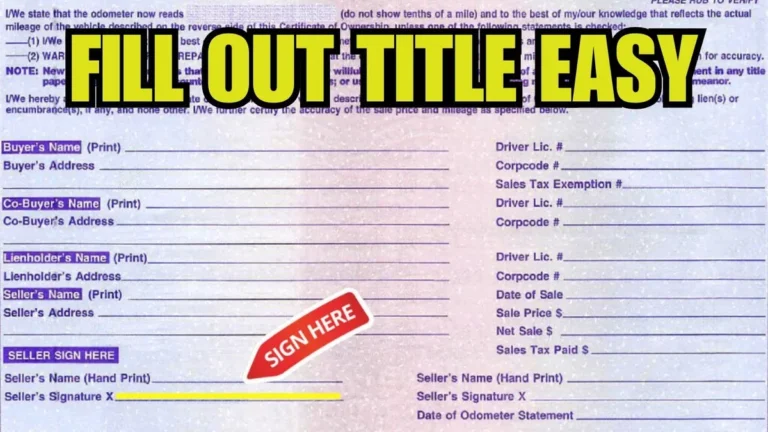
If police weren’t called to the scene, you have 10 days to file a report. Start by gathering all the details: driver information, insurance, and vehicle registration. You’ll need to fill out the NJ SR-1 form, which is the state’s official accident report.
You can file the report online, by mail, or in person at a NJ State Police barracks or local police station. Keep a copy for your records and your insurance company.

YouTube / Injury Victim Lawyers (YouTube thumbnail (fair-use with source credit))
What Information You’ll Need for the Report
You’ll need the basics: driver’s license, vehicle registration, and insurance info for all parties. Also collect the exact location, time, and a description of how the accident happened.
If there were witnesses, get their names and contact details. Photos of the damage and scene help too. The more details you have, the smoother the process.
YouTube / 6abc Philadelphia (YouTube thumbnail (fair-use with source credit))
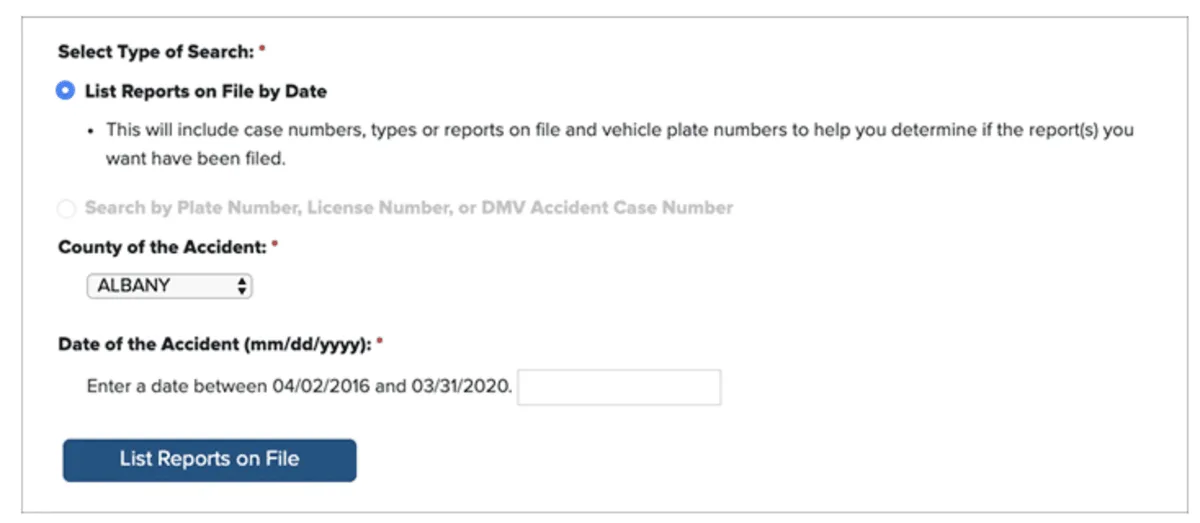
How to Get a Copy of Your NJ Accident Report
You can request a copy online through the NJ MVC website. Reports are usually ready within 5 to 10 business days.
If you filed with the State Police, you can also get a copy from the barracks where the report was made. There’s a small fee for printed copies.
Bing (Web (fair-use with source credit))
Common Mistakes That Can Cost You
Waiting too long to report is a big one. You have 10 days max if police weren’t at the scene. Missing that window can mean fines or a suspended license.
Another mistake is underestimating the damage. What looks like a $500 repair can easily double once a shop assesses it. When in doubt, report it.
Insurance Implications: Why Reporting Matters
Your insurer will ask for the police report to process a claim. Without it, they may deny coverage or delay payment. Even if you plan to pay out of pocket, the other driver’s insurer could still request the report.
A proper report also protects you from fraud. If the other party later claims injuries or more damage, your filed report creates a record of what actually happened.
Special Cases: Hit-and-Run, Out-of-State Drivers, Rental Cars
If the other driver flees, call the police immediately. Hit-and-run is a crime, and you’ll need a report to pursue any compensation.
Out-of-state drivers must follow the same rules. If you’re visiting and get into an accident, you’re still required to report if damage exceeds $1,000.
For rental cars, notify the rental company right away. They’ll have their own process, but you still need to file with the police if the damage meets the threshold.
FAQs About NJ Accident Reporting
Do you have to report a fender bender to the police in New Jersey?
Only if the property damage reaches $1,000 or more. Minor scratches and dents below that threshold don’t require a police report.
Can you report an accident online in New Jersey?
Yes, you can file through the NJ MVC website. The online system accepts self-reports for property damage accidents where police weren’t called to the scene.
What is the penalty for not reporting an accident in New Jersey?
You can face fines and have your driver’s license suspended. The state treats failure to report as a serious traffic violation under N.J.S.A. 39:4-130.
How long do you have to report an accident in New Jersey?
You have 10 days from the date of the accident to file a report if police didn’t respond to the scene. After that, you’re breaking the law.
Do you need to report an accident if there are no injuries?
Yes, if property damage exceeds $1,000. The injury status doesn’t change the reporting requirement. Damage alone triggers the obligation.
What happens if the other driver flees the scene?
You still need to report the accident. Contact the police as soon as possible, even if you don’t have the other driver’s information. A hit-and-run report is critical for your insurance claim and any legal proceedings.
Final Checklist: Did You Do Everything Right?
Here’s a quick rundown to make sure you didn’t miss anything. Go through this list after any accident that meets the reporting threshold.
- Called the appropriate police agency or filed a self-report within 10 days
- Exchanged driver’s license, insurance, and vehicle registration info
- Took photos of the damage and the accident scene
- Gathered witness contact information if available
- Filled out the NJ SR-1 form completely and accurately
- Submitted the report to NJ State Police or the MVC
- Kept a copy of the report for your records
- Sent a copy to your insurance company
- Requested a copy of the official accident report once it’s ready
- Followed up with your insurance adjuster and provided the report number