Manual car washes giving ordinary results? Let a gantry car wash do it professionally! If your car still looks streaky or dull after scrubbing by hand, the issue isn’t just effort, it’s technique and tools.
Aggregate reviews show that automated gantry systems deliver more consistent cleaning with less risk of missed spots or water waste.
As of 2026, the average gantry wash uses 30, 60 gallons of water per cycle, while a manual wash can double that if not done efficiently.
Quick Answer
Manual car washes often fall short due to inconsistent pressure and technique. Gantry car washes use automated brushes and high-pressure jets for uniform cleaning. They save time and water compared to manual methods.
Results are more reliable for daily drivers.
Why Your Manual Car Wash Isn’t Cutting It Anymore
Manual washing leaves room for human error. Uneven pressure, dirty sponges, or improper drying can cause swirl marks and water spots. Even with good technique, it’s hard to match the consistency of a machine.
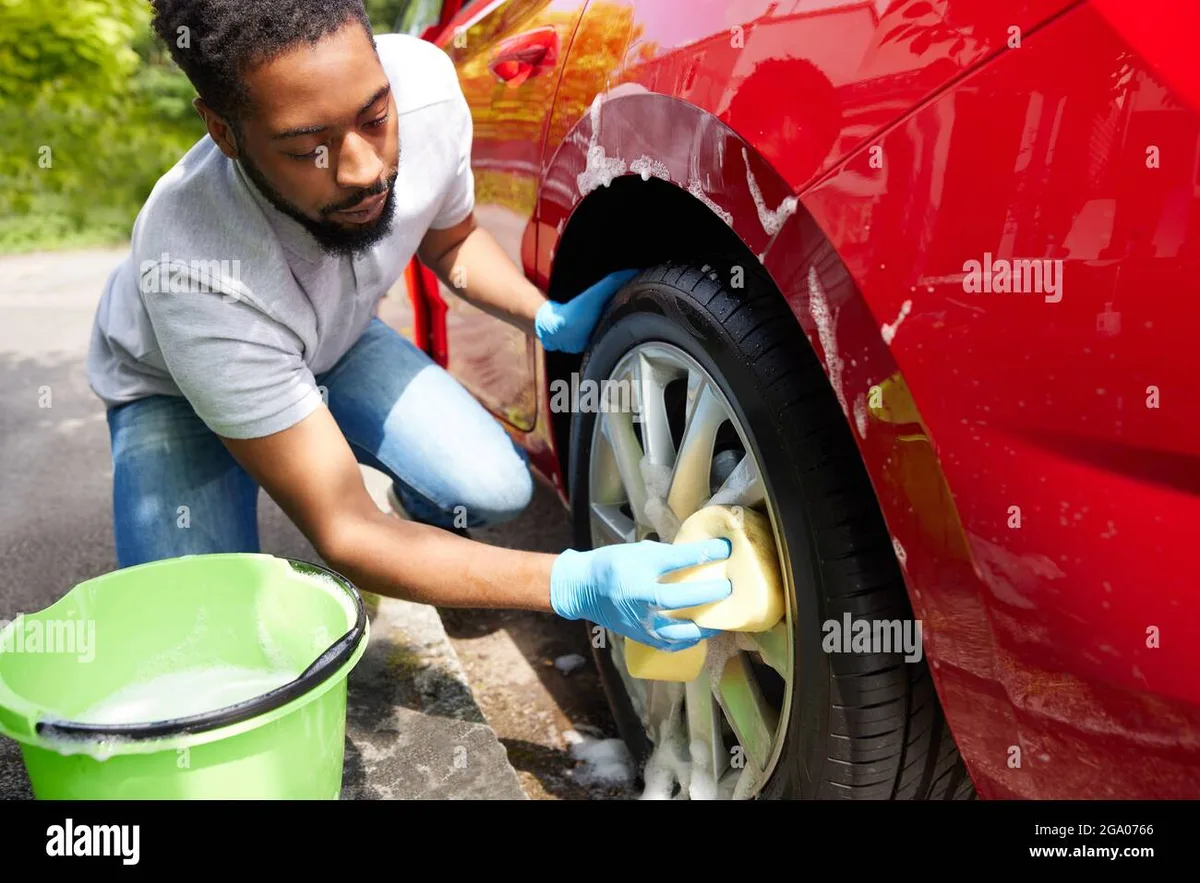
Most DIY washes also waste water. A garden hose can use 10 gallons per minute if left running. That adds up fast when you’re rinsing, soaping, and rinsing again.
How Gantry Car Washes Work (And Why They’re Different)
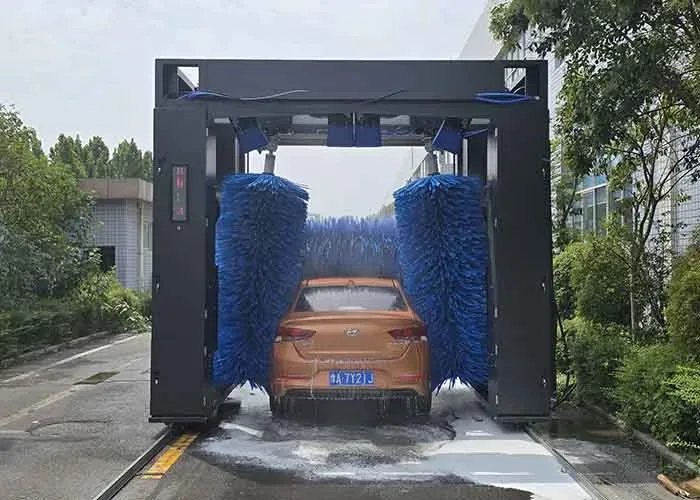
A gantry car wash moves a set of brushes or high-pressure nozzles over your vehicle on a fixed track. The process is standardized: pre-soak, wash, rinse, and dry. This eliminates the guesswork of manual scrubbing.
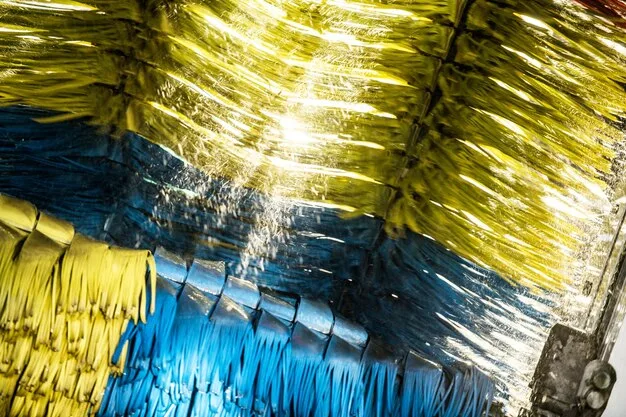
Modern systems use soft-cloth or foam brushes to minimize scratches. Some even offer touchless options for delicate paint jobs. The key advantage is repeatability, every car gets the same treatment.
Manual vs. Gantry: The Real Differences That Matter
Manual washing gives you control over every inch of your car. You can focus on trouble spots like wheel wells or bug splatter. But it’s labor-intensive and time-consuming.
Gantry washes, on the other hand, are fast and hands-off. They’re ideal for busy drivers who need a quick, thorough clean. The trade-off is less customization, you’re limited to the wash program’s settings.
Where Manual Car Washes Fall Short
Manual washing often misses hidden dirt. Areas like under the hood or inside wheel arches are easy to overlook. Without proper tools, you might also leave behind soap residue or hard water spots.
Another issue is inconsistency. One panel might get scrubbed harder than another, leading to uneven cleaning. And if you’re not using the two-bucket method, you risk dragging dirt across the paint.
Where Gantry Car Washes Shine
Gantry washes excel at speed and consistency. A full cycle takes 5 to 15 minutes, compared to 30 to 60 for manual washing. They’re ideal for removing road salt, bug splatter, and general grime quickly.
The automated process ensures every panel gets the same attention. High-pressure jets reach areas that are tough to clean by hand, like undercarriages and wheel wells. Some systems even include underbody sprays to target hidden dirt.
For fleet vehicles or daily drivers, the time savings add up. A gantry wash can handle multiple cars per hour without fatigue.
Side-by-Side: Cost, Time, and Results Compared
| Factor | Manual Wash | Gantry Wash |
|---|---|---|
| Time | 30–60 minutes | 5–15 minutes |
| Water Usage | 40–100 gallons | 30–60 gallons |
| Cost per Wash | $10–$30 (supplies) | $8–$25 (service) |
| Consistency | Varies by skill | Uniform every time |
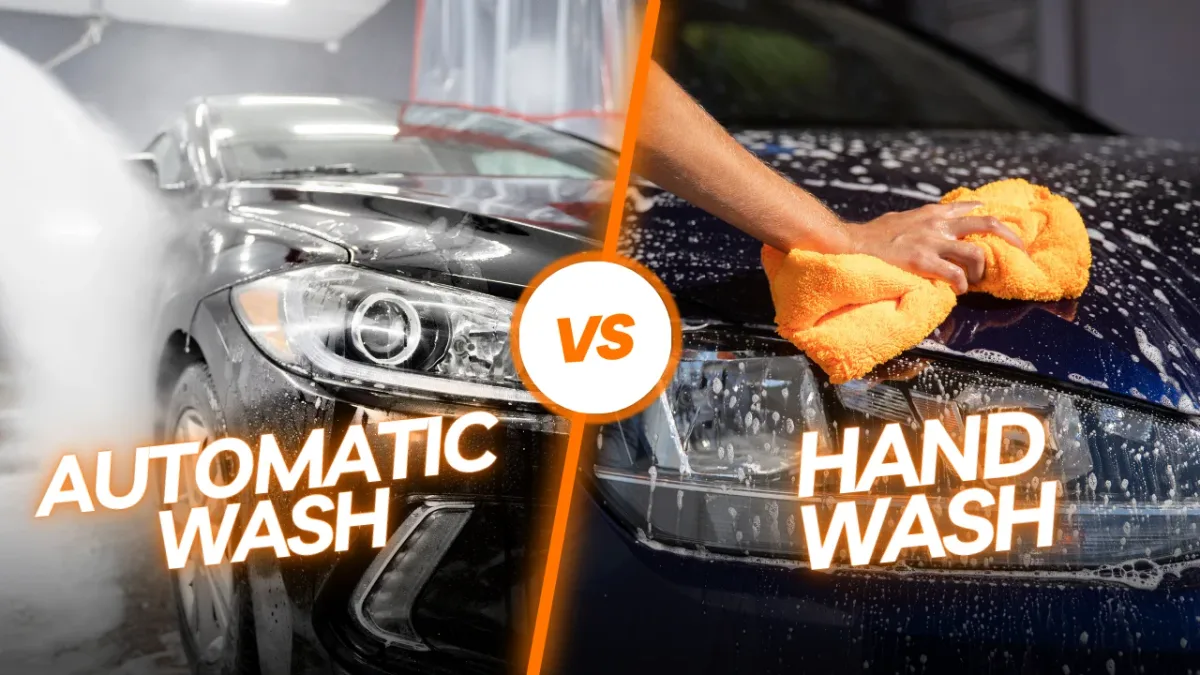
Manual washing wins on customization but loses on efficiency. Gantry washes offer convenience at a slightly higher per-wash cost. Over time, the trade-offs depend on how often you wash and how much you value your time.
Who Should Stick With Manual Washing
Car enthusiasts often prefer manual washing for the control it offers. You can use specialized products for paint correction or protection. It’s also the safer choice for classic or high-end vehicles with delicate finishes.
DIYers with the right tools and techniques can achieve showroom-quality results. The two-bucket method, microfiber towels, and pH-balanced soaps make a big difference. But it requires patience and attention to detail.
Who’s Better Off With a Gantry Wash
Busy professionals benefit most from gantry washes. The speed and convenience fit into tight schedules. It’s also a practical choice for fleet vehicles that need frequent cleaning.
Drivers in harsh climates appreciate the high-pressure rinse for salt and grime. Automated systems can tackle tough buildup better than a garden hose. And for those who dislike the physical labor, it’s a no-brainer.
Gantry washes are also great for maintaining a baseline clean between deeper detailing sessions. They keep your car looking presentable without the effort.
The Hidden Risks of Both Methods (And How to Avoid Them)
Manual washing risks swirl marks if you use dirty tools or improper techniques. Always rinse your mitt or sponge between passes. Drying with a clean microfiber towel prevents water spots.
Gantry washes can cause scratches if the brushes aren’t maintained. Older or poorly serviced equipment is the main culprit. Look for facilities that use soft-cloth brushes and regularly replace them.
Both methods can leave residue if not rinsed properly. Manual washes may miss soap in crevices. Gantry washes can leave wax or sealant unevenly applied.
A final rinse and inspection help catch these issues.
How to Get the Best Results From a Gantry Wash
Pre-wash prep makes a difference. Remove loose items like antenna balls or magnetic signs that could get caught. A quick rinse at home to knock off heavy dirt helps the gantry work more effectively.
Choose the right program for your needs. Basic washes are fine for light dust, but opt for the undercarriage blast in winter. Some facilities offer pre-soak options that loosen stubborn grime before the main wash.
Timing matters too. Early mornings or weekdays are less crowded, so the equipment runs at peak efficiency.
When to Splurge on Professional Detailing Instead
Detailing goes beyond a basic wash. It includes paint correction, clay bar treatment, and protective coatings. This is the choice for show cars or vehicles with visible swirl marks.
Professional detailers use high-quality products and techniques that most gantry washes can’t match. They can also address interior cleaning, which automated systems don’t cover.
Consider detailing every 6 to 12 months, depending on your climate and driving habits. It’s an investment that preserves your car’s value and appearance.
Quick Decision Guide: Which One’s Right for You?
You should stick with manual washing if:
You enjoy the process and have time to do it properly. Your car has a delicate finish that needs special care. You want full control over the products and techniques used.
You should switch to a gantry wash if:
You need speed and convenience. Your car gets dirty often and needs regular cleaning. You don’t have the time or tools for manual washing.
You should consider professional detailing if:
Your paint has visible imperfections. You want long-lasting protection. You’re preparing your car for a show or sale.
Frequently Asked Questions
Do gantry car washes damage paint?
Not if maintained properly. Modern soft-cloth brushes are gentler than older models. Poorly serviced equipment can cause scratches, so choose reputable facilities.
How often should I wash my car?
Every two weeks is ideal for most drivers. More often if you drive in harsh conditions or park under trees. Less often if your car stays garaged.
Can I wash my car too much?
Excessive washing can wear down protective coatings over time. Stick to a reasonable schedule and use quality products. Automated washes with harsh chemicals may accelerate this.
Are touchless car washes better?
They eliminate brush contact, reducing scratch risk. However, they may not clean as thoroughly as soft-cloth systems. Choose based on your paint’s condition and cleaning needs.
What’s the most eco-friendly option?
Gantry washes often recycle water, using less than manual methods. Some facilities use biodegradable soaps. Check for local certifications or eco-friendly claims.